
Your cart is currently empty!
MrBeast Announces the Removal of 34 Million Pounds of Ocean Trash Through the #TeamSeas Initiative
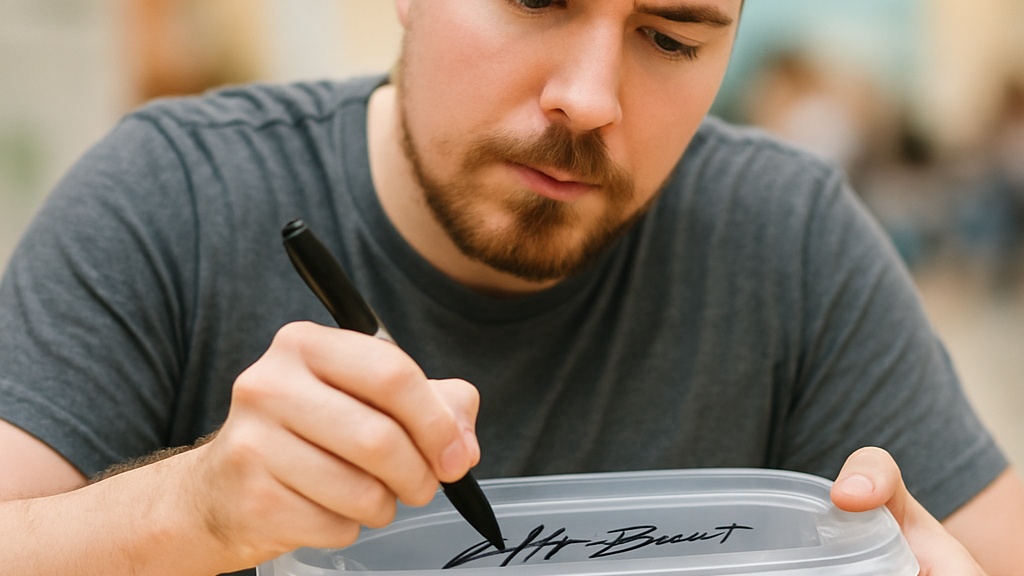
When YouTube creators Jimmy Donaldson, better known as MrBeast, and former NASA engineer Mark Rober first launched #TeamSeas in 2021, it was easy to dismiss the initiative as just another viral stunt. After all, both men had made their names in entertainment, not environmental activism. But behind the familiar thumbnails and cinematic edits was something quietly revolutionary: a massive digital mobilization with a clear, measurable goal to remove 30 million pounds of trash from oceans, rivers, and beaches around the world. Four years later, that once-lofty target has been surpassed. In their latest update, the duo announced that over 34 million pounds of waste have now been removed, marking a moment that blends internet influence with environmental impact on a scale previously unseen.
Contents
show
What makes this milestone so significant is not merely the number itself, but what it represents. In an age when digital attention often feels fleeting, #TeamSeas proved that the same tools used to fuel memes, trends, and short-lived challenges can also be harnessed for long-term, meaningful change. MrBeast and Rober managed to transform passive viewership into active participation, showing that when millions of individuals unite under a common goal, even through screens, the collective result can be immense. The campaign was not just about cleaning oceans; it became a symbol of what humanity can achieve when creativity, collaboration, and conscience intersect in the digital age.

The Birth of a Global Movement
The origins of #TeamSeas can be traced back to 2019, when MrBeast and Mark Rober first joined forces for #TeamTrees, a campaign that ultimately funded the planting of over 20 million trees worldwide. That project set a precedent, proving that large-scale environmental action could be fueled by the energy of online communities. Inspired by that success, the pair shifted their focus to one of the most urgent environmental crises of our time: marine pollution. Every year, an estimated 11 million metric tons of plastic enter the ocean, disrupting ecosystems, harming wildlife, and infiltrating the food chain. Addressing that issue required more than just awareness; it demanded action on a global scale.
To turn their idea into reality, Donaldson and Rober partnered with Ocean Conservancy and The Ocean Cleanup, two organizations already deeply embedded in marine restoration efforts. Ocean Conservancy coordinated large-scale volunteer cleanups along coastlines, while The Ocean Cleanup deployed cutting-edge technologies to intercept waste in rivers before it could reach the sea. Together, they created a synchronized operation that not only removed existing waste but also slowed the flow of new pollutants. According to Tubefilter, #TeamSeas raised more than $33 million from donors across over 200 countries and territories, with every dollar translating directly into one pound of trash removed. This simple but powerful equation made participation accessible to anyone, transforming charitable giving into a collective environmental act.
Beyond the numbers, the movement signified a new kind of environmental consciousness. People who had never before considered marine conservation suddenly found themselves engaged, informed, and involved. Whether they donated a single dollar, volunteered for a local cleanup, or simply shared the campaign video, they became part of a vast, interconnected network united by purpose. It was the digital world’s version of grassroots activism, decentralized, participatory, and profoundly effective.
The Power of Creators and Community
What distinguished #TeamSeas from traditional charity drives was its distinctly creator-led DNA. In an era when social media often amplifies noise over nuance, MrBeast and Rober leveraged the reach of content creators to cut through digital clutter with a clear, inspiring message. Within days of its launch, the campaign had gone viral across platforms, generating over 1.3 billion video views through more than 20,000 creator-led posts. From major influencers to small independent channels, everyone found their own creative way to participate through videos, music, art, games, and even coding projects.
Mark Rober described it best when he said, “Creators flexed with their #TeamSeas songs, art, and even video games.” It was a decentralized, cultural movement rather than a top-down marketing effort. People were not just donating; they were storytelling. And in doing so, they gave environmentalism a new digital language. MrBeast’s charisma and storytelling mastery helped anchor the campaign, turning what could have been a niche effort into a worldwide spectacle of cooperation. His statement during the July 16 update, “This couldn’t have happened without you guys all coming together, one donation at a time,” captured the spirit perfectly.
In many ways, #TeamSeas redefined what digital influence can achieve. It demonstrated that creators are not merely entertainers but powerful cultural conduits capable of translating awareness into real-world change. In the process, it also helped reshape public perceptions of influencer culture. Instead of being seen solely as self-promotional or superficial, creators involved in #TeamSeas became ambassadors for environmental advocacy, proving that virality and virtue can coexist.
Environmental Impact Beyond the Numbers
The environmental impact of #TeamSeas extends far beyond the 34 million pounds of trash removed. Each piece of debris collected represents a story, a toxic fishing net that no longer threatens marine turtles, a plastic bottle that will not degrade into microplastics, a stretch of coastline restored to its natural beauty. Together, these efforts contribute to healthier marine ecosystems and more resilient coastal communities. But perhaps the campaign’s greatest triumph lies in the awareness it sparked about the interconnectedness of human behavior and ocean health.
Marine scientist Dr. Sylvia Earle, an advocate for ocean conservation, encapsulated this sentiment when she remarked, “Every piece of debris removed is a message. It says: we care, we can act, and our actions matter.” Through their partnerships, #TeamSeas did not just collect trash; it educated millions about the root causes of pollution and the importance of sustainable practices. For instance, The Ocean Cleanup’s “Interceptor” devices, stationed in major rivers across Asia, Africa, and South America, now prevent thousands of tons of waste from reaching the sea each year. Ocean Conservancy, meanwhile, continues to engage local communities in long-term cleanup and waste management initiatives, ensuring that the impact lasts beyond a single campaign.
This blend of awareness and technology highlights a crucial truth: lasting environmental change requires both individual responsibility and systemic innovation. #TeamSeas managed to balance the two by combining small-scale human action, millions of individual donations, with large-scale industrial solutions. It is this intersection that makes the initiative not just an environmental milestone, but a model for sustainable activism in the modern age.
A Blueprint for Future Creator-Led Campaigns
With #TeamSeas now cemented as the largest creator-led crowdfunding campaign in history, it sets a precedent for what the entertainment and digital industries can accomplish when they align creativity with purpose. MrBeast and Rober effectively pioneered a new form of impact entertainment, content that does not just inform or entertain but mobilizes. Their approach transforms the act of watching into the act of doing, giving audiences a sense of direct agency in addressing global issues.
Rober summarized this ethos eloquently: “#TeamSeas has proved that when a huge amount of people get together to help make things better on this planet, big things can happen. And we can’t wait to do the next big thing together with you.” His words hint at future collaborations that could extend beyond ocean cleanup, perhaps tackling renewable energy, climate restoration, or plastic innovation. The model they have created, high-engagement storytelling backed by verified, transparent impact, has already inspired other creators and nonprofits to rethink how they engage audiences in real-world causes.
For creators, #TeamSeas provides both inspiration and instruction. It shows that massive impact does not require traditional gatekeepers like studios or networks; it only requires vision, authenticity, and the willingness to build community around shared purpose. It is a reminder that in the era of social media, influence can be wielded as a form of global infrastructure, a digital network through which meaningful change flows.
Lessons and Reflection
MrBeast’s evolution from viral stunt creator to philanthropic innovator offers a glimpse into the future of digital influence. In many ways, his career mirrors the maturing of internet culture itself. What began as content made for entertainment and shock value has grown into a powerful medium for social good. He has managed to turn virality, a fleeting and often trivial phenomenon, into a sustained engine for charity and global engagement. That transition, from spectacle to substance, might be his most important legacy.
For the broader entertainment industry, the #TeamSeas milestone carries profound implications. It suggests that audiences are hungry for more than distraction; they crave purpose, connection, and authenticity. The campaign’s success demonstrates that entertainment does not have to be detached from ethics or environmental responsibility, it can amplify them. When creators align their platforms with a greater cause, the results resonate deeply, often far beyond their digital borders.
In the end, the story of #TeamSeas is more than an environmental achievement, it is a cultural turning point. It reminds us that despite the chaos of the online world, collective goodwill still has immense power. The 34 million pounds of trash pulled from the oceans represent more than cleanup; they symbolize a shift in how we view our role as digital citizens. When creativity, empathy, and technology converge, the result is a new kind of activism, one that not only cleans our planet but also redefines what it means to care in the modern era.