
Your cart is currently empty!
How NASA Plans to Protect Astronauts During the Artemis II Lunar Mission
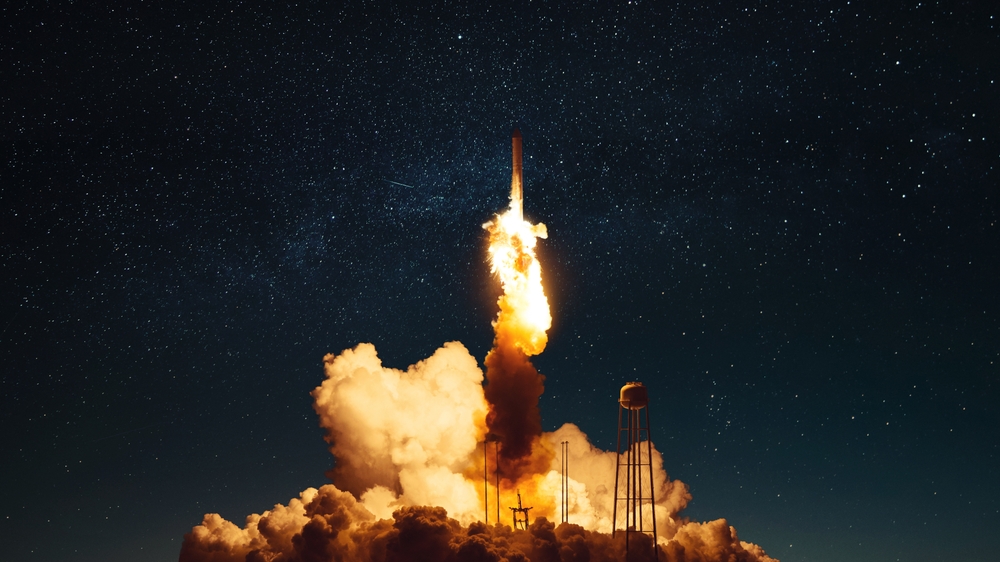
Over fifty years after humans last left footprints on the lunar surface, a new generation of explorers is preparing to venture into deep space. The upcoming Artemis II mission is far more than a nostalgic return to the moon; it represents a monumental test of human endurance and modern engineering.
Contents
show
Sending a crew on a ten day journey around our closest celestial neighbor involves navigating extreme speeds, unpredictable cosmic weather, and the unforgiving vacuum of space. To ensure these pioneers return home safely, engineers have developed a fascinating web of survival systems designed to anticipate and neutralize the universe’s most extreme hazards before they strike.
Engineering Artemis II for Deep Space Survival
Sending humans farther into deep space than they have traveled since 1972 is a monumental endeavor that comes with inherent dangers. For the Artemis II mission, NASA treats the 10-day journey around the moon as a critical flight test, designed to push the boundaries of human exploration while prioritizing the well-being of the crew.
Every phase of the mission, from liftoff to splashdown, involves mitigated risks supported by decades of learning. Safety begins on the launchpad with the Launch Abort System. This towering 44-foot structure sits atop the Orion spacecraft, equipped with three powerful motors. If a critical anomaly occurs during liftoff, this system can instantly pull the crew capsule away, carrying the astronauts to safety within seconds. Furthermore, an emergency egress cable system on the launch pad allows personnel to swiftly escape the immediate area if a rapid evacuation is required.
Despite these advanced safeguards, spaceflight can never be entirely risk-free. Former NASA astronaut and engineer Danny Olivas told ABC News that the hazards of space exploration are thoroughly understood by those who fly. “From an astronaut perspective, that’s all taken into account,” Olivas explained.
The goal is not to eliminate risk entirely, which is scientifically impossible, but to manage it through exhaustive preparation and redundant systems. The Artemis II crew acts as pioneers, testing life support, communications, and emergency protocols under authentic deep space conditions. This careful balance between bold exploration and rigorous safety measures forms the bedrock of the entire Artemis program, ensuring that humanity’s return to the moon is as secure as modern engineering will allow.
Protecting Astronauts from Cosmic Rays
When astronauts leave Earth’s magnetic field, they lose our planet’s natural sunscreen. Out in deep space, the crew faces a constant, invisible hazard: solar radiation. Fast moving particles from the sun and cosmic rays can pose serious health risks.
To keep a close eye on this threat, the Orion capsule is wired with special monitors called HERA sensors. Think of these as high tech smoke detectors, but for radiation. The crew members will also wear personal tracking devices to measure exactly how much exposure they receive individually.
But what happens if there is a sudden solar flare? The astronauts have a surprisingly practical backup plan. If radiation levels spike, the crew will actually build a makeshift fort. Instead of adding heavy metal plates to the ship, which would make it too heavy to launch, NASA came up with a clever solution. The astronauts will grab their stowed equipment, storage bags, and daily supplies, and pack them tightly against the cabin walls.
This wall of everyday gear acts like a sponge, absorbing the harmful particles before they can reach the crew. Testing out this emergency storm shelter is one of the main tasks for the Artemis II mission. It is a simple, effective way to use what is already on board to keep the explorers safe when space weather takes a turn for the worse.
Meet the Suit Built for Space Emergencies
When picturing a lunar mission, the bulky white spacesuits used for walking on the moon usually come to mind. However, the Artemis II crew will be equipped with a different kind of protective gear specifically designed for inside the capsule. The bright orange Orion Crew Survival System suits serve as a personal layer of defense during the most critical phases of the journey: launch, specific operations near the moon, and atmospheric reentry.
These suits are not designed for stepping onto the lunar surface. Instead, they act as miniature spacecraft. If a worst case scenario occurs, such as a sudden loss of cabin pressure, the suit instantly transforms into an individual lifeboat. According to NASA, astronauts could survive inside these pressurized suits for up to six days, giving them enough time to safely navigate back to Earth.
To make this extended duration survivable, engineers integrated feeding, drinking, and waste management tubes directly into the design. The suits also feature flame resistant outer layers for added protection. Furthermore, survival does not end once the capsule splashes down in the Pacific Ocean. Each suit comes packed with emergency water survival gear, including a personal locator beacon, a rescue knife, a strobe light, and a whistle.
In the realm of personal development, creating a reliable safety net is essential before taking a massive leap. The Orion Crew Survival System embodies this concept on a cosmic scale. It provides the astronauts with a vital backup plan, ensuring they have the tools to survive even if the spacecraft’s primary life support systems fail.
Surviving the Trial of Fire: Reentry and Splashdown
The final leg of the journey is perhaps the most intense. When the Orion spacecraft returns from the moon, it will hit Earth’s atmosphere at speeds approaching 25,000 miles per hour. The resulting friction will subject the exterior to blistering temperatures of nearly 5,000 degrees Fahrenheit.
Standing between the crew and this inferno is a massive 16.5-foot wide heat shield. This shield is covered in a specialized material designed to slowly burn away, pushing the extreme heat away from the capsule. During the uncrewed Artemis I test flight, engineers noticed that some of this material chipped away unexpectedly because trapped gases could not vent properly.
Rather than ignoring this finding, NASA launched an exhaustive investigation involving thermal experts across the country. The data revealed a reassuring fact: even with the chipped material, the temperature inside the cabin remained perfectly safe and comfortable, resting in the mid-70s Fahrenheit. To further guarantee crew safety for Artemis II, mission planners have adapted their approach. They will use a modified, slightly steeper flight path for reentry. This adjusted trajectory changes how the spacecraft interacts with the atmosphere, preventing the specific heating conditions that caused the previous issue.
Once the spacecraft safely navigates the trial of fire, the capsule relies on a complex system of eleven parachutes. These parachutes deploy in a precise sequence to drastically slow the descent from thousands of miles per hour down to a gentle 17 miles per hour. This careful orchestration of materials, physics, and adapted flight plans ensures the crew can safely splash down in the Pacific Ocean, completing their historic voyage.
Paving the Way for Future Lunar Landings
The successful splashdown of the Orion capsule in the Pacific Ocean will mark the end of a grueling but historic ten day journey. As recovery teams from the United States Navy approach the bobbing spacecraft, the four astronauts inside will have completed a vital mission for humanity. They will not have walked on the lunar surface, but their role as pioneers is equally crucial. By pushing the spacecraft to its limits and testing every emergency system, they are proving that deep space travel is survivable for this new generation.
The data collected during Artemis II will immediately shape the future of lunar exploration. Every piece of information gathered regarding radiation shielding, life support stability, and heat shield performance will be thoroughly analyzed to prepare for Artemis III. That subsequent mission aims to do what has not been done in over fifty years: land humans directly on the moon. The safety protocols verified during this flight test are the mandatory stepping stones required to make that next giant leap a reality.
NASA is not just returning to the moon to repeat history. The agency is building a sustainable blueprint for exploring the solar system, with eyes set on Mars and beyond. The rigorous safety measures protecting the Artemis II crew ensure that as humanity reaches further into the dark unknown, the explorers leading the charge have the best possible chance of coming safely back home.