
Your cart is currently empty!
Scientists Detect New Covid Variant Spreading Across United States

A new COVID variant is quietly making its way across the United States, and this time, scientists did not first spot it in a waiting room or hospital ward. They found it in wastewater.
Contents
show
That detail alone says a lot about where the pandemic has moved in 2026. For many people, COVID is no longer dominating daily life in the way it once did. Masks are uncommon, emergency briefings are rare, and the public’s attention has shifted elsewhere. But behind the scenes, researchers are still tracking the virus with extraordinary precision, looking for signs that it is changing in ways that could matter.
Now, one of those signs has arrived. A variant known as BA.3.2 has been detected in 25 U.S. states, including Massachusetts, and it is also showing up in international surveillance systems across multiple countries. It is not currently dominant, and officials are not saying panic is warranted. Still, the reason experts are watching it so closely is simple: BA.3.2 appears to carry an unusually large number of spike protein mutations that may help it dodge some of the immunity built from past infections or vaccination.
That does not automatically mean it will cause a major wave. It does mean, however, that the story of COVID is still being written in real time.
Scientists Found BA.3.2 Before Most People Even Knew It Existed
One of the most striking parts of the BA.3.2 story is not just what the variant is, but how it was discovered.
According to the CDC’s latest Morbidity and Mortality Weekly Report, BA.3.2 was first identified in South Africa in November 2024. After that, it appeared sporadically in places like Mozambique, the Netherlands, and Germany before detections began increasing more noticeably in late 2025.
In the United States, the first known detection came through the CDC’s Traveler-Based Genomic Surveillance program in June 2025, when the variant was found in a person arriving from the Netherlands. That alone is a reminder of how interconnected variant spread remains, even years into the post-emergency phase of the pandemic.
But what really stands out is that BA.3.2 did not first reveal itself in a wave of diagnosed patients. Instead, it began appearing in wastewater surveillance systems, including sewage collected from communities and even airplane wastewater. By February 11, 2026, the CDC reported detections in nasal swabs from four travelers, clinical samples from five patients, three airplane wastewater samples, and 132 wastewater samples across 25 states. Later updates expanded that picture even further, with hundreds of wastewater detections and circulation across even more locations.
That means public health systems were, in many cases, seeing the variant before doctors were seeing many confirmed cases tied to it.
It is a strange but powerful symbol of how pandemic science has evolved. In the early years of COVID, surveillance often lagged behind outbreaks. Now, in some cases, the sewage is telling the story first.
Why This Variant is Getting So Much Attention
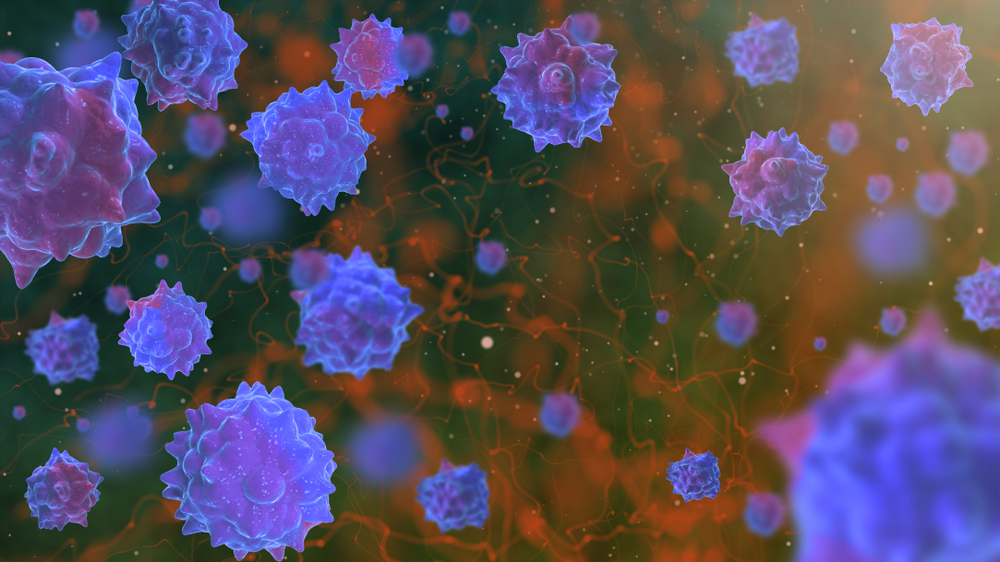
Not every new COVID lineage becomes a headline. Viruses mutate constantly, and most changes never amount to much. BA.3.2 is different because of just how genetically unusual it appears to be.
CDC researchers say BA.3.2 carries roughly 70 to 75 substitutions and deletions in the spike protein compared with LP.8.1, one of the antigens used in the 2025 to 2026 COVID vaccine formulation. That is a significant amount of change in the part of the virus that helps it enter human cells and that also serves as a key target for the immune system.
In plain terms, this matters because the spike protein is where much of the body’s antibody defense is focused. When that region changes enough, the virus can sometimes become better at slipping past existing protection.
Laboratory findings cited by the CDC suggest BA.3.2 may be especially good at doing that. The variant has shown signs of what scientists call immune escape, meaning antibodies generated by prior infection or current vaccines may not neutralize it as effectively as they do other strains.
That phrase can sound alarming, but it is worth slowing down and putting it into context. Immune escape does not mean vaccines suddenly stop working altogether. It also does not mean every infection becomes severe. What it does mean is that the virus may be getting better at causing breakthrough infections or reinfections, especially in a population where many people have some existing immunity.
That is one reason researchers are watching BA.3.2 closely. It may not be common yet, but its genetic profile makes it more than just another background mutation.
What We Know So Far About How Serious It Is
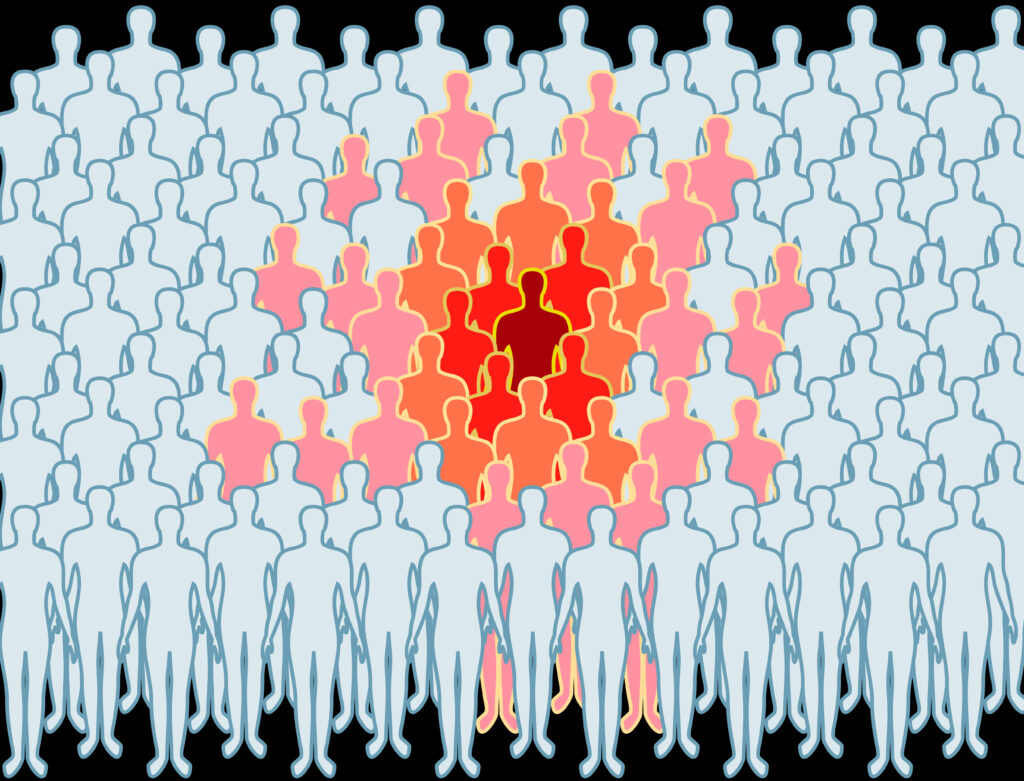
This is the part many people will care about most: does BA.3.2 make people sicker?
At this stage, the honest answer is that scientists do not know yet. And that uncertainty matters more than speculation.
So far, there is no clear signal that BA.3.2 is causing more severe disease than other recent variants. The first U.S. patient detections involved a very small number of people. According to the CDC report, those early clinical cases included a young child who received outpatient care and two older adults with other medical conditions who were hospitalized. All of the patients survived.
That is important, but it is also not enough to draw sweeping conclusions.
Researchers have been careful to point out that finding the variant in hospitalized patients does not prove the variant itself is more dangerous. Hospitalized patients are often more likely to be tested, sampled, and sequenced in the first place, which can skew the picture. In addition, some of the patients had preexisting health issues that complicate any simple interpretation.
There is also another wrinkle in the science. Some laboratory studies suggest that while BA.3.2 may be better at evading antibodies, it may not be as efficient in certain other biological functions, such as ACE2 binding and lung cell entry, when compared with some currently circulating variants. That could potentially limit how explosively it spreads, although researchers have stressed that this is not something that can be assumed from lab findings alone.
The bottom line is straightforward: BA.3.2 has not yet shown clear evidence of being more severe, but it also has not been around long enough, or in large enough numbers, for anyone to declare it harmless.
The Wastewater Clue is More Important Than It Sounds

For many readers, “wastewater surveillance” might sound like an odd technical detail buried inside a public health report. In reality, it may be one of the most important parts of this entire story.
During the first years of the pandemic, testing was far more visible. People lined up at clinics, stocked home test kits, and followed daily case counts. But as public testing has declined, so has the ability to easily see where the virus is moving in real time.
That is where wastewater monitoring has become incredibly valuable.
When infected people shed viral material, it can show up in sewage systems whether or not they ever take a test, visit a doctor, or even feel especially sick. That makes wastewater a kind of early warning radar for public health officials. It can reveal rising viral activity before it appears clearly in clinical reporting.
In BA.3.2’s case, that is exactly what happened.
The CDC and its surveillance partners detected the variant in wastewater across a wide geographic footprint, often weeks before it turned up in confirmed clinical specimens from patients. That suggests BA.3.2 may have been circulating more quietly and more broadly than standard patient testing alone would have shown.
This does not necessarily mean a hidden crisis is unfolding. But it does mean the old habit of judging COVID only by officially diagnosed cases is less reliable than it once was.
If anything, BA.3.2 is a reminder that the virus can still move under the radar, and that public health has had to become more creative in how it watches for trouble.
Why Massachusetts and Other States Are Paying Attention
Headlines mentioning that BA.3.2 has appeared in Massachusetts are likely to catch people’s attention, especially in a state that played a major role in the country’s pandemic response and biomedical research landscape.
Still, the significance is not really about any one state. It is about the broader map.
The variant has now been detected across a long and geographically diverse list of U.S. states, including places in the Northeast, South, Midwest, Mountain West, and Pacific regions. That kind of spread suggests repeated introductions and low-level circulation rather than a single isolated cluster.
For public health officials, this creates a familiar challenge. A variant can remain uncommon overall while still being widespread enough to deserve close monitoring. That is especially true when national sequencing volumes are lower than they were in earlier years of the pandemic.
In other words, the virus does not need to dominate headlines or overwhelm hospitals to matter. A variant can still be epidemiologically important if it is evolving in ways that affect immunity, treatment strategy, or vaccine planning.
That is part of why BA.3.2 is being watched so closely in states like Massachusetts and beyond. The concern is not just what it is doing today, but what it might signal about where SARS-CoV-2 is headed next.
This is Also a Vaccine Story, Whether People Want to Hear It or Not

One of the more uncomfortable realities of pandemic fatigue is that many people no longer want to think about vaccine updates, strain matching, or antibody escape. But that science still matters, especially when a new variant begins to look meaningfully different from what current immunity was built around.
The CDC report notes that BA.3.2 is substantially different from the JN.1-related lineages that current vaccines were designed to target. Lab studies suggest that the 2025 to 2026 LP.8.1-adapted mRNA vaccine still protects against the currently predominant variants, but it showed the lowest antibody neutralization against BA.3.2 among the tested variants.
That does not mean current vaccines are suddenly useless. Protection against severe disease often holds up better than protection against infection, and real-world effectiveness depends on more than a single lab measurement.
Still, these findings matter for two reasons.
First, they reinforce the possibility that BA.3.2 may be better at infecting people who already have some prior immunity.
Second, they may eventually influence how future vaccine compositions are considered if the variant continues to circulate or evolve.
That is why health agencies are not simply watching whether BA.3.2 exists. They are watching whether it grows, whether it changes further, and whether it begins to alter the broader landscape of infection and protection.
Covid is No Longer an Emergency, but It is Still a Moving Target
One reason stories like this can feel disorienting is because they sit in a strange middle ground. For many people, the pandemic is emotionally over. Yet the virus itself is still doing what viruses do: adapting, circulating, and occasionally surprising us.
The CDC’s own framing reflects that tension. Officials are not presenting BA.3.2 as an immediate catastrophe. At the same time, they are very clearly signaling that it is worth monitoring because of its mutation profile and its potential to evade immunity.
That may be the most realistic way to understand the moment we are in.
COVID in 2026 is not the same as COVID in 2020 or 2021. Population immunity is broader. Severe outcomes are generally lower than in the earliest years. Other respiratory viruses like flu and RSV are often competing for attention. But none of that means SARS-CoV-2 has become static or predictable.
As virologists have pointed out for years, every time the virus replicates, it creates another chance for evolution. Most of those changes lead nowhere. A few do not.
BA.3.2 may end up being a footnote, an interesting but limited branch in the virus’s ongoing family tree. Or it could become more relevant if future mutations give it additional advantages. Right now, no one can responsibly promise which path it will take.
What Readers Should Actually Take From This

The hardest part of any new variant story is striking the balance between awareness and exhaustion.
People are understandably tired of alarmist headlines. They are also right to want clear, practical meaning from scientific updates. In that sense, BA.3.2 offers a useful reminder rather than a reason to spiral.
The reminder is this: COVID surveillance still matters, even when the emergency phase feels far away.
It matters because:
- Public health systems are still capable of spotting important changes early.
- Wastewater and traveler monitoring can reveal threats before case counts explode.
- Vaccine and immunity planning still depend on knowing what the virus is doing next.
- “Endemic” does not mean “unchanging.”
For everyday readers, the takeaway is not that life should stop every time a new lineage appears. It is that staying informed remains part of living with an evolving virus.
If BA.3.2 fades, this will stand as a success story of surveillance working exactly as intended. If it grows, these early detections may end up being the first chapter in a much larger public health conversation.
Either way, the message is the same: the virus is still out there, still changing, and still being watched in places most of us never think to look.
And in 2026, that may be one of the most important defenses we still have.
Why Experts Are Still Watching
There is something strangely symbolic about scientists finding one of the most talked-about new COVID variants in wastewater before the wider public had even heard its name.
It captures the reality of this phase of the pandemic better than almost anything else. COVID has not vanished. It has simply become quieter, more complex, and easier to miss unless someone is paying close attention.
Right now, BA.3.2 is not a proven game changer. But it is a reminder that the virus still has the capacity to evolve in meaningful ways, and that the systems built during the pandemic are still doing important work behind the scenes.
That may not be the kind of story that sparks the same shock as the early years of COVID. But in some ways, it is more revealing.
Because what matters now is not just whether a variant is spreading. It is whether we still know how to see it coming.