
Your cart is currently empty!
New Jersey Just Banned A Pricing Practice That Had Shoppers Worried
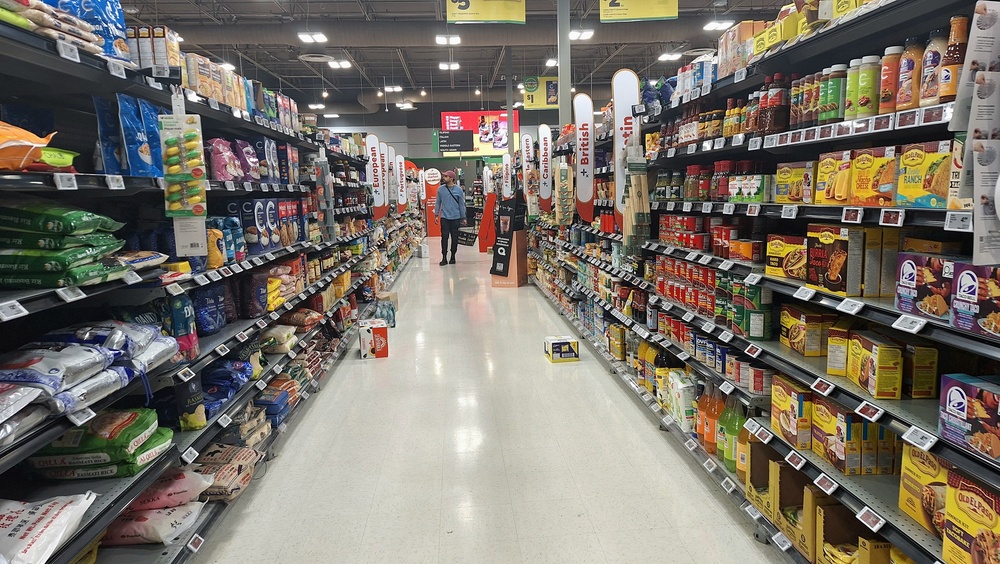
For decades, shoppers have walked into grocery stores expecting one simple rule to apply to everyone: the price printed on the shelf is the price every customer pays. But as retailers embrace artificial intelligence, digital price tags, and data-driven technology, that expectation has started to feel less certain. Consumer advocates have increasingly warned that businesses could eventually use personal information, from a shopper’s purchase history to their online activity, to quietly charge different people different prices for the exact same item. The idea has fueled growing concerns that technology designed to improve efficiency could also make pricing far less transparent.
Contents
show
New Jersey has now become one of the first states to push back against that possibility. Governor Mikie Sherrill recently signed the Fair Price Protection Act, legislation that bans businesses from using shoppers’ personal data to create individualized prices while also placing a one-year pause on the rollout of new electronic shelf labels across the state. Supporters say the law is about protecting consumer privacy before surveillance pricing becomes widespread, while critics of dynamic pricing believe it could become a model for other states considering similar legislation.

New Jersey Becomes One Of The First States To Crack Down
The Fair Price Protection Act marks one of the strongest attempts yet to regulate how retailers can use customer information when setting prices. Under the new law, businesses will no longer be allowed to rely on data such as a shopper’s online browsing history, purchasing habits, location, or other personal information to determine how much they should pay for groceries or other essential goods. Lawmakers argue that pricing should remain transparent and consistent instead of changing based on what companies know about individual customers.
Governor Mikie Sherrill said the legislation was introduced because many families are already struggling with the rising cost of everyday necessities, making it even more important to ensure pricing remains fair. Announcing the new law, she said consumers should never have to worry that companies are quietly using their personal information to increase prices behind the scenes.
“New Jersey families are already feeling the pressure of higher costs. The last thing they need is companies secretly using their personal data to charge them more than someone else for the exact same product,” Sherrill said in a statement after signing the bill.
The governor also made it clear that healthy competition between retailers should come from offering lower prices and better service, not from developing more sophisticated ways to maximize profits through customer data. “If businesses want to compete, they should do so by offering better prices, not by finding new ways to squeeze shoppers,” she said. “This law puts New Jersey shoppers first by protecting their privacy and ensuring fairness in pricing.”
Why Dynamic Pricing Has Sparked So Much Debate
Dynamic pricing itself is nothing new. Airlines have relied on it for years, hotel room rates change depending on demand, and ride-sharing apps frequently increase fares during busy periods. Those industries openly adjust prices based on market conditions. What has alarmed consumer advocates is the possibility that supermarkets could begin using similar technology while also factoring in highly personal information about individual shoppers.
Known as surveillance pricing, the practice goes beyond simply changing prices throughout the day. Instead, businesses could theoretically analyze information such as someone’s shopping history, where they live, how often they visit a store, or even their online browsing behavior before deciding what price they should pay. Critics argue this could result in two customers standing side by side looking at the same product but paying different prices without ever realizing it.
Those concerns have grown alongside advances in artificial intelligence and digital retail technology. Although many retailers insist electronic pricing systems are intended to improve efficiency rather than personalize prices, lawmakers say clear rules are needed before the technology evolves further. Supporters of New Jersey’s legislation believe acting early is far easier than trying to regulate widespread surveillance pricing after it has already become common practice.
Electronic Shelf Labels Have Become The Center Of The Debate
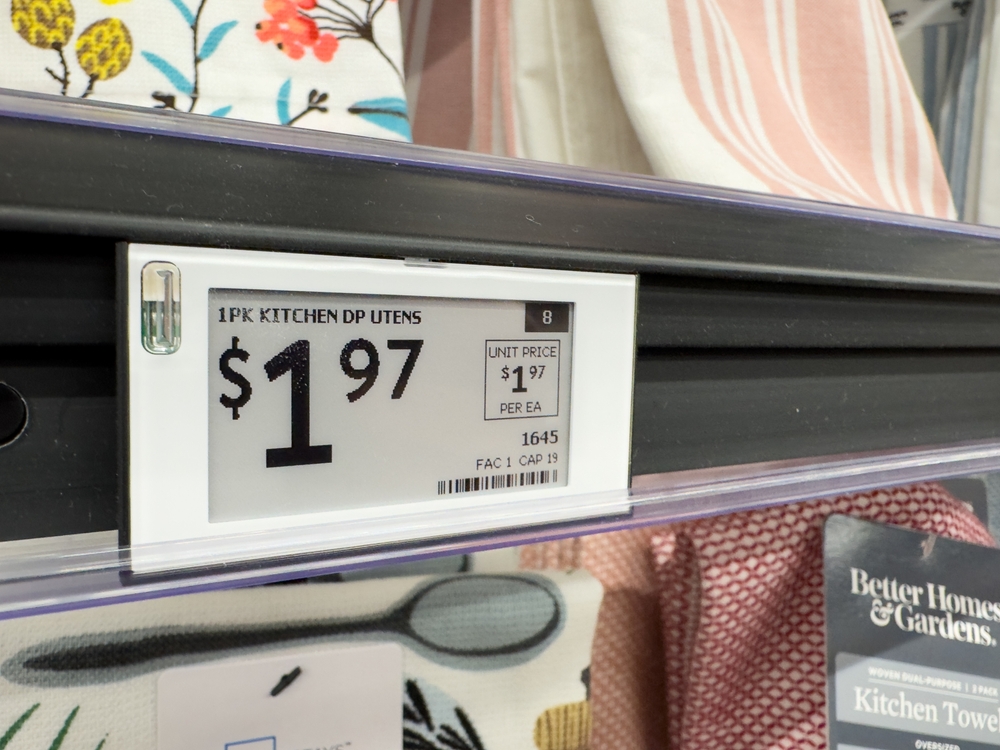
One of the most closely watched parts of the legislation is its temporary pause on new electronic shelf labels, often referred to as ESLs. These digital displays have been appearing in more supermarkets and big-box retailers because they allow employees to update prices instantly instead of replacing thousands of paper price tags by hand. Retailers argue the technology saves labor, reduces paper waste, and allows workers to spend more time assisting customers rather than changing shelf labels throughout the day.
Despite those benefits, many shoppers have become increasingly suspicious of digital price tags. Because prices can be updated within seconds, critics fear the technology could eventually make it much easier for stores to implement rapid price changes based on demand or even personalized customer data. Those concerns have fueled widespread debate online, with many consumers questioning whether electronic shelf labels are simply a convenience or the first step toward AI-driven pricing.
Rather than banning the technology outright, New Jersey lawmakers chose a more cautious approach. The Fair Price Protection Act places a one-year moratorium on the rollout of new electronic shelf labels while the New Jersey Innovation Authority studies their impact on consumers and the retail industry. Existing digital shelf labels can continue operating, and retailers are still allowed to repair or replace them, meaning the temporary suspension only affects businesses that have not yet introduced the technology.

Other States Are Also Moving Against Surveillance Pricing
Although New Jersey’s legislation has attracted widespread attention, it is not the only state trying to limit how retailers use consumer data when setting prices. Lawmakers across the country have become increasingly concerned that advances in artificial intelligence and digital retail technology could allow businesses to personalize prices without shoppers ever knowing it. As a result, several states have begun introducing legislation aimed at keeping pricing transparent before surveillance pricing becomes more common.
Maryland became the first state to approve a law targeting the practice when it passed the Protection From Predatory Pricing Act earlier this year. The legislation prohibits grocery stores and third-party delivery services from using a person’s personal information to set higher prices, with state officials saying the goal is to ensure consumers pay “a transparent, consistent price at the register.” Connecticut has also passed similar protections, while neighboring New York is considering comparable legislation that is awaiting Governor Kathy Hochul’s signature.
Even so, not everyone believes existing laws go far enough. Consumer Reports argued that Maryland’s legislation contains several loopholes that weaken its overall effectiveness. The nonprofit organization said some provisions “undercut its ban on surveillance pricing” and criticized the measure for lacking stronger enforcement. It also noted that consumers cannot sue companies directly if they believe they have been subjected to surveillance pricing, calling that omission a significant weakness compared to Maryland’s broader consumer protection laws.
The growing number of state-level proposals suggests lawmakers are paying closer attention to how artificial intelligence and personal data could reshape retail pricing in the years ahead. While approaches differ from state to state, the shared objective remains the same: preventing technology from creating a marketplace where identical products carry different prices depending on who is buying them.
Labor Groups And Consumer Advocates Welcome The Move
The legislation has also received support from labor organizations that represent grocery workers, many of whom have expressed concerns about how rapidly changing pricing technology could affect both employees and customers. While retailers have largely promoted electronic shelf labels as a way to reduce paperwork and improve efficiency, unions argue that introducing new technology without proper oversight could create unintended consequences for workers and shoppers alike.
Ademola Oyefeso, Vice President of the United Food and Commercial Workers International Union, praised New Jersey’s decision to temporarily halt the rollout of new electronic shelf labels while regulators study their potential impact. She described the pause as an opportunity to examine whether the technology could eventually contribute to unfair pricing practices or create additional challenges inside grocery stores.
“The law’s moratorium on the use of electronic shelf labels is an important step to ensure this technology does not harm New Jersey shoppers or workers,” Oyefeso said after the legislation was signed.
She also expressed hope that New Jersey’s action would encourage lawmakers elsewhere to introduce similar protections before surveillance pricing becomes more widespread. “We hope this law will serve as a catalyst for states across the country to shield shoppers from AI-enabled predatory pricing and protect good, union grocery jobs,” she added, arguing that stronger safeguards today could prevent larger consumer protection issues in the future.
What The New Law Means For Everyday Shoppers
Although headlines surrounding the legislation have focused on digital price tags and artificial intelligence, the new law will not dramatically change the shopping experience overnight. Customers visiting stores in New Jersey will still see electronic shelf labels in locations where they have already been installed, and retailers will continue operating their existing systems while the state studies the technology over the coming year.
The Fair Price Protection Act is primarily designed to prevent businesses from using personal consumer data to influence the prices individuals pay for groceries and other essential products. It also makes clear that common retail practices such as loyalty programs, digital coupons, and promotional discounts are not affected by the legislation. Stores can continue offering special savings to customers who voluntarily participate in rewards programs, provided those discounts are applied transparently rather than through hidden surveillance-based pricing.
Here’s what the new law does:
- Prohibits surveillance pricing by preventing businesses from using shoppers’ personal data to set individualized prices.
- Pauses new electronic shelf labels for one year while New Jersey studies their impact.
- Allows existing digital shelf labels to remain in use and be repaired or replaced if necessary.
- Protects loyalty programs and discounts, meaning shoppers can still access advertised promotions and member-only savings.
- Takes effect on February 1, 2027, giving retailers time to prepare for the new requirements.
As artificial intelligence becomes more deeply integrated into everyday shopping, debates over privacy and pricing fairness are unlikely to disappear. New Jersey’s decision signals that some lawmakers would rather establish clear consumer protections now than wait until personalized pricing becomes a routine part of the checkout experience. Whether other states choose to follow the same path could determine how Americans shop for years to come.
Other States Are Beginning To Follow New Jersey’s Lead
New Jersey is not the first state to take action against surveillance pricing, but its approach is among the most aggressive adopted so far. Earlier this year, Maryland passed the Protection From Predatory Pricing Act, becoming the first state to ban businesses from using consumers’ personal data to charge different prices for the same products. Connecticut has also approved similar protections, while neighboring New York is considering legislation that would prohibit retailers from using personalized pricing if Governor Kathy Hochul signs the bill into law.
What separates New Jersey’s law from some earlier efforts is its decision to temporarily pause the expansion of electronic shelf labels while state officials study how the technology could affect both consumers and retailers. Existing digital labels can remain in use, but lawmakers said they wanted more time to understand whether rapidly changing prices could eventually be tied to customer data before the technology becomes even more widespread.
Consumer groups have argued that stronger safeguards are needed as artificial intelligence becomes increasingly capable of analyzing shopping behavior. Consumer Reports, for example, criticized Maryland’s legislation after it became law, saying several provisions weakened its overall ban on surveillance pricing. The organization also noted that consumers cannot directly sue businesses if they believe they have been subjected to personalized pricing, calling the enforcement measures relatively weak compared to existing consumer protection laws.
With multiple states now moving in the same direction, pressure is beginning to build on retailers that have invested heavily in digital pricing technology. Whether more states adopt similar legislation could determine how quickly surveillance pricing becomes accepted across the retail industry or whether lawmakers succeed in slowing its expansion before it becomes commonplace.
Labor Groups And Consumer Advocates Welcome The Decision
The legislation has also received backing from labor organizations that represent grocery workers, many of whom have expressed concerns about the rapid expansion of AI-powered retail technology. Supporters argue that while electronic shelf labels can improve efficiency, they could also change how stores operate in ways that affect both employees and customers if they are introduced without proper oversight.
Ademola Oyefeso, vice president of the United Food and Commercial Workers International Union, praised the temporary pause on new electronic shelf labels, describing it as an important opportunity to better understand the technology before it becomes standard throughout the grocery industry.
“The law’s moratorium on the use of electronic shelf labels is an important step to ensure this technology does not harm New Jersey shoppers or workers,” Oyefeso said after the bill was signed.
She also expressed hope that New Jersey’s decision would encourage lawmakers elsewhere to adopt similar protections. “We hope this law will serve as a catalyst for states across the country to shield shoppers from AI-driven predatory pricing and protect good, union grocery jobs,” she added, arguing that consumer privacy and workplace stability should remain priorities as retailers continue investing in new technology.
What The New Law Actually Means For Shoppers
Although the legislation has attracted widespread attention, shoppers are unlikely to notice immediate changes the next time they visit a supermarket. The Fair Price Protection Act does not eliminate digital price tags already installed in stores, nor does it ban discounts or loyalty rewards that many customers already use to save money. Instead, its focus is on preventing businesses from quietly using personal information to influence the prices individuals pay for everyday essentials.
The law specifically does not:
- Ban store loyalty or rewards programs.
- Eliminate digital coupons or promotional discounts.
- Require retailers to remove existing electronic shelf labels.
- Prevent stores from repairing or replacing current digital displays.
- Stop businesses from updating prices equally for all customers.
Instead, it prohibits retailers from using personal consumer data, including browsing history, purchasing habits, or location, to create individualized prices. At the same time, it temporarily pauses the installation of new electronic shelf labels while state officials evaluate whether the technology could eventually be used to support surveillance pricing practices.
The law is scheduled to take effect on February 1, 2027, giving retailers several months to prepare for the new rules. During that time, regulators will continue studying electronic shelf labels and determining whether additional safeguards may be necessary as digital pricing technology continues to evolve.
New Jersey’s move reflects a broader debate over how much personal data companies should be allowed to use when selling everyday products. As artificial intelligence becomes more deeply embedded in retail, the state has chosen to draw a clear line, signaling that shoppers should know the price on the shelf is the same price everyone else pays.
AI Pricing, Consumer protection, consumer rights, Digital Price Tags, Dynamic Pricing, Electronic Shelf Labels, Fair Price Protection Act, grocery stores, Kroger, Mikie Sherrill, New Jersey, Pricing Laws, privacy, retail news, retail technology, shopping, Surveillance Pricing, trending news, U.S. news, Walmart