
Your cart is currently empty!
New York City Wants To Stop Families From Having To Give Up Their Pets To Keep A Roof Over Their Heads

For many families, the thought of giving up a beloved dog or cat is almost unimaginable. Yet for thousands of people struggling with housing challenges, homelessness, domestic violence, or rising rental costs, that painful decision becomes a reality every year. Animal shelters regularly receive pets from owners who desperately want to keep them but cannot find housing that allows animals, creating a problem that affects both families and already crowded shelter systems.
Contents
show
Now, New York City is attempting to tackle that issue on a larger scale. Mayor Eric Adams has announced a broad initiative aimed at making housing more accessible for pet owners across the city, with changes that could affect affordable housing programs, homeless shelters, public housing, and services for domestic violence survivors. City officials say the goal is straightforward: keep people and their pets together while reducing one of the leading causes of animal surrender.

Mayor Eric Adams Says Families Should Never Have To Choose Between Housing And Their Pets
The announcement marks one of the most comprehensive pet-inclusive housing efforts ever undertaken by New York City. Multiple agencies are working together to remove barriers that often prevent pet owners from accessing housing and support services, particularly during times of crisis.
Mayor Adams framed the issue as one that goes beyond animal welfare. He argued that pets are an essential part of many households and that housing policies should reflect that reality. For families already facing financial pressure or personal hardship, being forced to give up a pet can add another layer of emotional trauma.
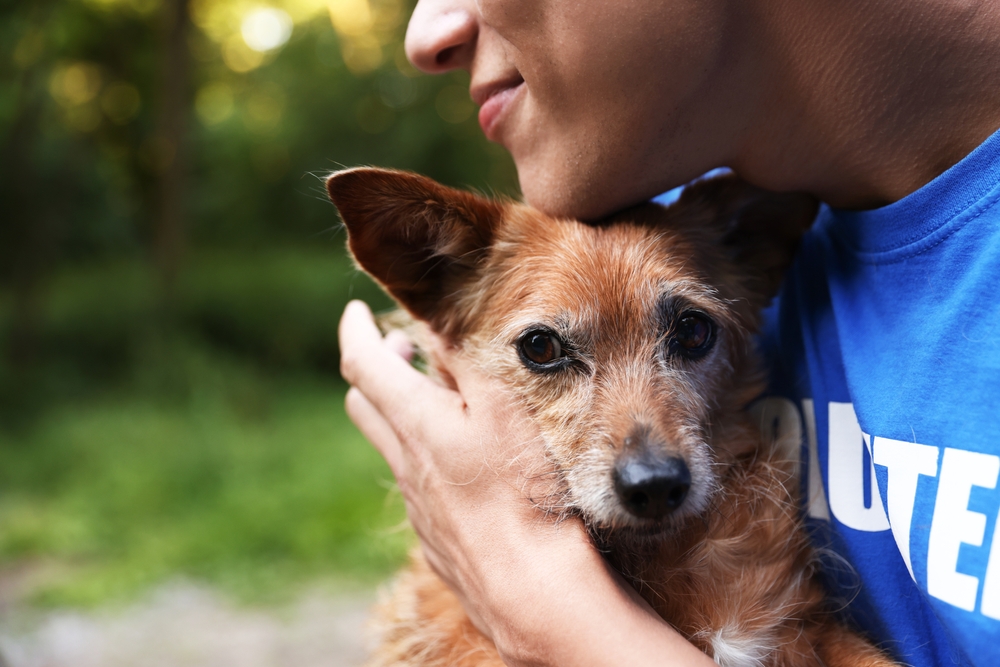
“Every New Yorker deserves the stability of a home, and for so many of us, that home includes a beloved pet,” Adams said. “This initiative sends a clear message: no one should ever have to choose between keeping a roof over their head and keeping their family together. By reducing barriers to pet-inclusive housing and strengthening the programs that support both people and animals, we are easing pressure on our animal shelter system, preventing unnecessary surrenders, and expanding the pool of loving adopters.”
The mayor also connected the initiative to the city’s broader housing strategy, saying the effort reflects a commitment to building a more inclusive city for residents and their animals alike.

Housing Restrictions Have Become A Major Reason Pets End Up In Shelters
Animal welfare organizations have repeatedly warned that housing restrictions remain one of the most common reasons pets are surrendered. Breed restrictions, weight limits, additional fees, and outright pet bans can leave owners with very few options when searching for a new home.
The problem becomes even more severe for lower-income families, renters, and people facing housing instability. While many landlords advertise pet-friendly properties, the definition often comes with restrictions that exclude larger dogs or certain breeds. In some cases, renters may struggle to find any suitable housing at all.
Risa Weinstock, president and CEO of Animal Care Centers of New York City, said the organization sees the consequences firsthand every day. According to Weinstock, many surrendered animals are not abandoned because of behavioral problems or neglect. Instead, they are being separated from families that simply have nowhere else to turn.

“Every day ACC takes in pets that are being surrendered, many because their families can’t find pet-inclusive housing,” Weinstock said. “These are loved animals, family members, being given up not for behavior, not for lack of care, but because their humans are out of options. When we keep people and pets together, we preserve families, reduce intake pressure on shelters, and strengthen the communities we all share. New Yorkers deserve housing policies that reflect what we already know: pets are family.”

Affordable Housing Programs Could Soon Become More Inclusive
One major focus of the initiative involves expanding access to affordable housing for pet owners. Officials are reviewing policies connected to Housing Connect, New York City’s affordable housing lottery system, with the aim of creating clearer and more consistent standards regarding pets.
Current affordable housing policies largely center on assistance animals and existing fair housing protections. City leaders believe those rules do not fully address the realities faced by many pet-owning households that need affordable housing opportunities.
The Department of Housing Preservation and Development is working toward establishing standards that would make pet inclusivity a more consistent feature of publicly financed housing developments. Officials hope the changes will make it easier for pet owners to participate in affordable housing programs without worrying that their animals could disqualify them.
Housing advocates have long argued that pet ownership should not be treated as an obstacle to stable housing. Supporters of the initiative believe that addressing these policies could help reduce shelter intake while providing families with more realistic housing options.
New Programs Will Allow More People To Stay With Their Pets During Housing Crises
The initiative also introduces several measures aimed at helping people experiencing homelessness remain with their animals. Advocates have frequently pointed out that many individuals avoid shelters because they fear being separated from their pets.
To address that concern, the city plans to expand pet-inclusive shelter options. A new pilot program will allow families entering the shelter system to bring pets with them, creating designated pet-friendly units that can accommodate both people and animals during difficult transitions.
Additional efforts will focus on low-barrier housing sites for unsheltered individuals with pets. The city is also preparing to allow pets at select drop-in centers during Code Blue emergencies, providing additional support during periods of dangerous winter weather.
Officials believe these changes could encourage more people to seek shelter and assistance when they need it most. They also plan to begin collecting more data on pet ownership among people experiencing homelessness, which could help shape future policy decisions and support programs.
Domestic Violence Survivors Will Receive Expanded Pet Support
For many domestic violence survivors, concerns about pets can create another obstacle when trying to leave an unsafe environment. Studies have repeatedly shown that some victims delay seeking help because they worry about what might happen to their animals if they flee.
New York City’s latest initiative aims to strengthen partnerships that help survivors find shelters capable of accommodating pets. Staff members working with survivors will receive additional training to identify pet-friendly housing options and connect individuals with foster care or boarding programs when necessary.
Currently, 17 of the city’s 54 domestic violence shelters accept pets through specialized partnerships. Officials hope stronger coordination and updated resources will make it easier for survivors to find safe housing without being forced to leave their animals behind.
Nathaniel Fields, chief executive officer of Urban Resource Institute, highlighted the importance of preserving the bond between people and their pets during moments of crisis.
“Since 2013, we have ensured that more than 2,000 families and over 1,000 pets could remain safely together,” Fields said. “Our team has seen firsthand how preserving that bond can change the trajectory of a family’s life. Opening PALS at Magnolia Gardens is not just an expansion. It is a signal of what we stand for: removing barriers to safety, honoring the full reality of families’ lives, and building a city where no one has to choose between protection and the companion that gives them strength.”
Animal Welfare Groups Believe The Changes Could Have A Lasting Impact
Several organizations involved in housing and animal welfare have welcomed the city’s approach, arguing that pet-inclusive policies benefit both people and animals. Advocates say pets often provide companionship, emotional support, stability, and comfort during some of life’s most challenging moments.
Ross Barker, program director of the Pet-Inclusive Housing Initiative at Michelson Found Animals Foundation, praised the effort and suggested it could serve as a model for other cities facing similar challenges.
“We’re proud to partner with the New York City Mayor’s Office of Animal Welfare to make it easier for people and pets to stay together,” Barker said. “By helping housing providers adopt pet-inclusive practices, New York City is showing how local leadership and collaboration can strengthen communities and improve lives for both residents and the animals they love.”
Michelle Villagomez, senior director of municipal affairs at the ASPCA, echoed those sentiments, pointing to the challenges many renters face when trying to secure housing that accommodates their animals. She said expanding access to pet-friendly housing could help keep families together while easing pressure on local shelters.
The city has also invested heavily in expanding animal care facilities in recent years, including new shelter projects in Staten Island and Queens, additional funding for shelter staffing, and plans for future facilities in the Bronx and Brooklyn. Those investments, combined with efforts to reduce pet surrenders in the first place, reflect a growing recognition that housing policy and animal welfare are closely connected.
As cities across the country continue to grapple with housing shortages and rising shelter populations, New York’s latest initiative puts a spotlight on a question many pet owners know all too well. When a dog or cat is considered part of the family, finding housing that welcomes both becomes far more than a matter of convenience. It becomes a matter of keeping families together.
affordable housing, Animal Care Centers NYC, animal rescue, Animal shelters, animal welfare, cats, dogs, domestic violence survivors, Eric Adams, family pets, Homelessness, housing crisis, housing news, housing policy, landlord policies, New York City, New York news, NYC housing, pet adoption, pet owners, pet-friendly housing, pets, public housing, renters