
Your cart is currently empty!
Newly Released ICE Videos And Texts Raise Fresh Questions Over Racial Profiling Claims
Body camera footage and internal text messages released in federal court have placed Immigration and Customs Enforcement (ICE) agents under renewed scrutiny after appearing to show officers using derogatory language about Latinos while conducting immigration enforcement operations in Los Angeles. The newly disclosed evidence forms part of an ongoing lawsuit filed by the American Civil Liberties Union (ACLU) of Southern California, which alleges that federal immigration agents engaged in unconstitutional racial profiling during the Trump administration’s immigration crackdown.
Contents
show
The recordings, along with recovered text messages, have intensified a legal battle over how immigration agents identified people during enforcement operations. Attorneys representing the plaintiffs argue the evidence supports claims that agents routinely relied on race and ethnicity when deciding whom to stop, question, or detain. The Department of Homeland Security (DHS), meanwhile, has defended its officers and dismissed criticism surrounding the newly released materials while the lawsuit continues through federal court.
Body Camera Footage Captures Agents Using Derogatory Language
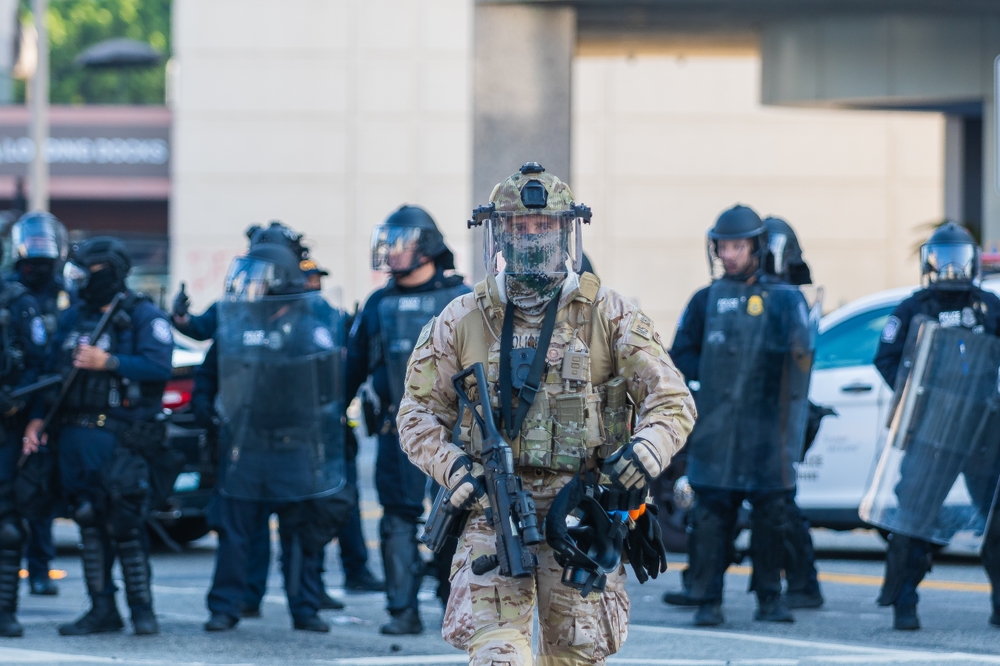
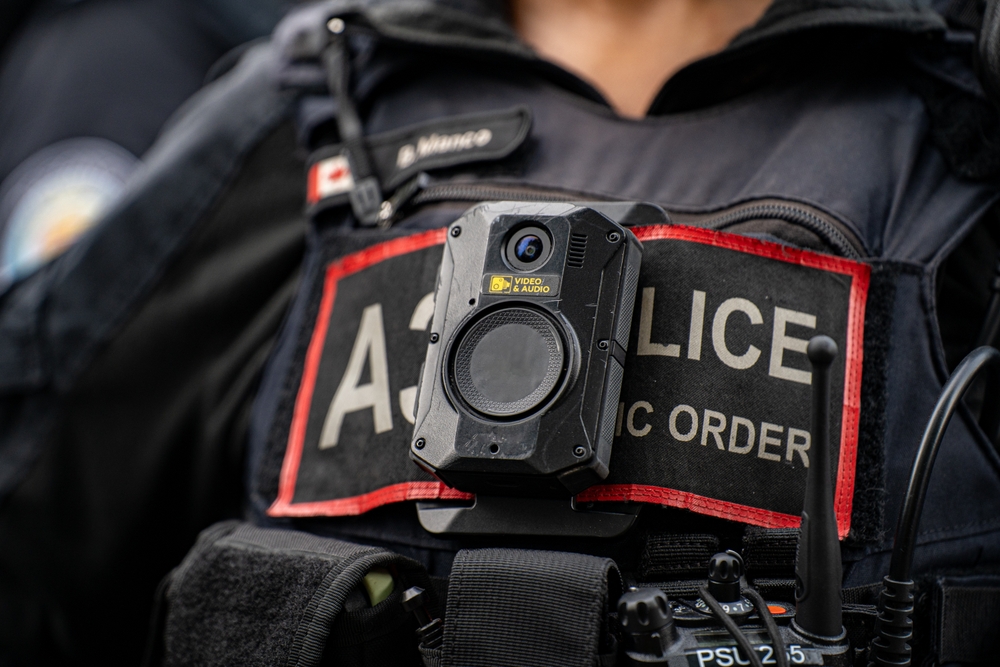
The evidence released by the ACLU includes blurred and redacted body camera footage recorded during immigration enforcement operations across Southern California. While the recordings document routine field operations, they also capture conversations between agents inside government vehicles before and after stops were made.
One recording appears to show an agent instructing colleagues where to position themselves before an operation began. According to court filings, the agent says, “Yeah, just plug us in wherever you see some tonks and we’ll jump out.” Attorneys representing the plaintiffs argue the statement demonstrates agents using a derogatory term while discussing people they intended to target.
Court filings explain that “tonk” has long been considered a slur used by some immigration agents. The term reportedly refers to the sound made when a migrant is struck on the head with a flashlight or baton. Previous reports have noted that Border Patrol supervisors discouraged the use of the word because of its offensive nature, yet the newly released recordings suggest it continued to appear in conversations among officers during enforcement activities.
Another video contains an agent discussing someone sitting inside a parked minivan after an operation concluded. “There was a guy, I’m pretty sure he’s wet. He was just sitting in that minivan,” the agent says. According to the lawsuit, “wet” is a shortened form of an anti-immigrant slur historically directed at migrants from Mexico.
Internal Text Messages Reveal Similar Language
Beyond the body camera recordings, attorneys also submitted forensically recovered text message conversations exchanged between immigration agents. The messages, included as exhibits in the lawsuit, contain language that mirrors comments heard in the body camera footage.
One message reads, “Some of these people are stupid. Why would you post on social media that you’re wet,” according to court documents. In another exchange, an agent allegedly wrote, “Btw tonks everywhere selling food for the 4th festivities in Long Beach right now.”
The ACLU argues that the repeated appearance of the same language across multiple communications suggests the terminology was not isolated to a single conversation or individual officer. Instead, attorneys contend the messages reinforce broader concerns about how some agents viewed Latino communities while carrying out immigration enforcement operations.
The organization maintains that the communications should be considered alongside the body camera footage rather than as separate incidents. Together, the evidence forms a central part of the plaintiffs’ effort to convince the court that racial profiling played a significant role in enforcement decisions made during the Los Angeles operations.

ACLU Says Evidence Supports Claims Of Racial Profiling
The lawsuit was originally filed on behalf of several individuals, including U.S. citizens, who say they were stopped, questioned, and in some cases detained by federal immigration agents operating within California’s Central District. According to the ACLU, many of those encounters occurred without reasonable suspicion and were instead based primarily on the individuals’ appearance.
Mayra Joachim, deputy director of immigrants’ rights at ACLU Southern California, said the newly disclosed materials strengthen the organization’s case.
“This filing should shock the conscience,” Joachim said. “Evidence gathered from the government has confirmed what our communities have known all along: immigration officers are flagrantly violating the law by detaining people without justification and often primarily because of the color of their skin.”
The legal team also argues that one of the recordings highlights the consequences of relying on appearance during enforcement operations. According to NPR’s reporting on the court filings, one man celebrated by agents after being detained was later released because he was a U.S. citizen.
DHS Defends Agents As Lawsuit Continues
The Department of Homeland Security declined to answer whether the language allegedly used by agents violated agency policies when contacted about the court filings. Instead, the department defended the work of immigration officers and argued they remain focused on carrying out enforcement operations.
In a statement provided to ABC News and NPR, a DHS spokesperson said, “Our agents are focused on protecting the American people, not entertaining performative outrage.” The spokesperson also questioned why critics were not placing greater attention on crimes committed by people living in the country illegally, adding, “Where is the media’s outrage for Angel families who lost a loved one to illegal alien crime?”
The department has consistently denied allegations that its officers conduct immigration enforcement based solely on race or ethnicity. Throughout the legal proceedings, government attorneys have argued that agents consider multiple factors when deciding whether to stop individuals, rather than relying exclusively on appearance.
Those arguments have remained central to the government’s defense as the lawsuit has progressed, with officials maintaining that immigration enforcement operations are conducted within the bounds of federal law.
Earlier Court Rulings Shaped The Ongoing Case
The lawsuit has already produced several significant court decisions over the past year. U.S. District Judge Maame Ewusi-Mensah Frimpong previously issued a temporary restraining order that prohibited immigration agents from stopping individuals based solely on race.
That order was later challenged by the Trump administration, eventually reaching the U.S. Supreme Court. The Court’s conservative majority lifted the temporary restrictions, allowing immigration enforcement operations to continue while the broader lawsuit moved forward.
According to NPR, Justice Brett Kavanaugh wrote that race could be considered as one factor among several during immigration enforcement decisions. However, the Supreme Court’s ruling did not resolve the underlying allegations raised in the lawsuit or prevent the case from continuing through the federal court system.
Attorneys representing the plaintiffs argue the newly released body camera footage and text messages provide additional evidence supporting their claims that race was not merely one consideration, but the primary reason many people were stopped during enforcement operations.
What Happens Next In The Legal Battle
The newly released videos and text messages are expected to play a major role as the federal court considers the ACLU’s request for a preliminary injunction. Attorneys hope the evidence will persuade the judge to impose stricter limits on how immigration agents conduct stops and require officers to document the reasons behind each detention.
The plaintiffs argue the recordings reveal more than isolated comments. They contend the language captured on body cameras, combined with similar terminology found in private text messages, points to a broader pattern that influenced enforcement decisions across multiple operations in Southern California.
Federal officials continue to reject those allegations, insisting their officers act lawfully while carrying out immigration enforcement. With both sides presenting sharply different accounts of what the evidence shows, the court will ultimately determine whether the recordings and messages establish unconstitutional racial profiling or support the government’s position that agents followed federal law.
The case remains ongoing, and no final ruling has been issued on the ACLU’s allegations. The newly disclosed evidence has nevertheless become one of the most closely examined pieces of the legal fight, placing fresh attention on the methods used during immigration operations in Los Angeles and the standards federal agents are expected to uphold.
ACLU, ACLU Southern California, body camera footage, breaking news, civil rights, Department of Homeland Security, DHS, federal court, federal lawsuit, ICE, ICE agents, ICE bodycam footage, Immigration and Customs Enforcement, Immigration Enforcement, immigration lawsuit, immigration news, immigration policy, Latinos, Los Angeles, Los Angeles immigration raids, racial profiling, racial slurs, Trump immigration crackdown, U.S. immigration