
Your cart is currently empty!
North America’s largest wildlife overpass opens over six lane interstate in Colorado

For decades, highways across North America have expanded with little consideration for how wildlife moves across the landscape or how deeply those movements are tied to long term ecosystem health. Roads have sliced through migration routes that existed long before modern development, fragmenting habitats and isolating animal populations that rely on seasonal movement to survive. As traffic volumes increased, animals were forced to navigate fast moving vehicles to reach food sources, breeding grounds, and water, often with fatal consequences. Wildlife vehicle collisions became a routine but largely invisible cost of modern transportation, creating danger for drivers and steadily eroding wildlife populations in regions where growth pushed deeper into natural corridors.
Contents
show
That long standing conflict between transportation infrastructure and the natural world is now being addressed in Colorado with the opening of the Greenland Wildlife Overpass. Announced by state officials this week, the massive structure spans six lanes of Interstate 25 near Larkspur, positioned between Denver and Colorado Springs. It is now the largest wildlife bridge in North America, built not to carry cars but to restore a connection that had been severed for decades. The overpass reflects a growing recognition that highways do not exist in isolation and that safety planning must extend beyond vehicles to include the landscapes and species affected by constant traffic.
Colorado is now home to North America’s largest wildlife overpass 🎉
— Colorado Parks and Wildlife (@COParksWildlife) December 22, 2025
The I-25 Greenland wildlife overpass, recently completed by @ColoradoDOT and a multi-agency partnership, connects 39,000 acres of habitat & wildlife corridors on both sides of I-25 between Larkspur & Monument pic.twitter.com/OyVsCEXIcB
A structure designed specifically for wildlife
The Greenland Wildlife Overpass stretches across a section of Interstate 25 that sees roughly 100,000 vehicles pass through each day, making it one of the busiest rural corridors in the state. From above, the structure resembles a continuous stretch of open land rather than a traditional bridge. That visual continuity is intentional, as animals are far more likely to cross when the surface looks and feels like the surrounding environment instead of an artificial structure interrupting their path.
The crossing is layered with soil and native vegetation, allowing animals to walk across dirt, grasses, and plants rather than exposed roadway materials. This design reduces hesitation and stress, particularly for large mammals that are sensitive to unfamiliar surfaces and confined spaces. Wide open sightlines allow animals to see across the structure without feeling trapped, a key factor in encouraging repeated use over time.
State officials said the overpass measures 200 feet wide and 209 feet long, covering roughly one acre of land above the highway. It was designed primarily with elk and pronghorn in mind, species that require broad, open spaces to cross safely. By centering the design around animal behavior rather than engineering convenience, planners significantly increased the likelihood that wildlife will consistently choose the overpass instead of attempting to cross traffic below.
✅ CONSERVATION WIN
— Nature Is Nonpartisan (@NINP_org) December 19, 2025
Colorado just completed North America’s largest wildlife overpass.
Spanning six lanes of traffic on I-25, the overpass will reconnect 39,000 acres of habitat so that wildlife can safely cross one of the state’s busiest stretches of highway. pic.twitter.com/o32OESIV8U
Why this stretch of Interstate 25 mattered
Interstate 25 cuts directly through an area long recognized for heavy wildlife movement, especially during fall and spring migration seasons when animals travel between seasonal habitats. Before construction began, transportation officials said there was an average of one wildlife crash per day in this area during peak movement periods. Many of those collisions involved large animals, creating dangerous conditions for drivers and frequently resulting in severe vehicle damage or injuries.
The danger was not solely related to traffic volume but also to geography. This portion of the highway contained a 3.7 mile gap between existing wildlife crossings, leaving animals with few safe opportunities to move across the road. Fencing installed along the interstate helped reduce random crossings but also funneled animals toward limited openings, increasing collision risk rather than eliminating it.
The Greenland overpass now reconnects 39,000 acres of wildlife habitat that had been split by the interstate for years. It forms part of a broader system that includes underpasses and fencing designed to guide animals toward safe passage points. Together, these elements aim to correct the underlying causes of wildlife vehicle collisions instead of treating them as unavoidable accidents.
Improving safety for animals and motorists
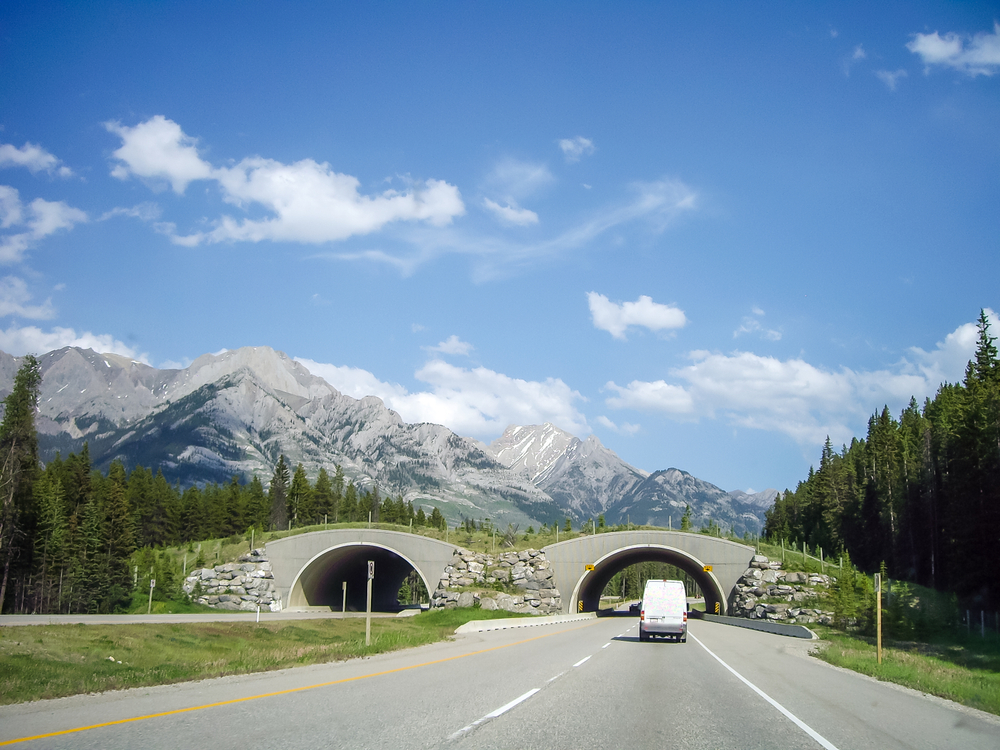
State transportation officials expect the Greenland Wildlife Overpass to reduce wildlife vehicle collisions in the area by as much as 90 percent. Shoshana Lew, executive director of the Colorado Department of Transportation, said, “The I-25 Greenland wildlife overpass is critical to the safety of both wildlife and motorists.” She emphasized that the structure is a key component of a larger system intended to dramatically reduce crashes along this busy corridor.
Wildlife vehicle collisions are often severe and unpredictable. Impacts involving elk or deer at highway speeds can cause vehicles to roll, cross into opposing lanes, or leave the roadway entirely. In rural areas, limited lighting, higher speed limits, and longer emergency response times can amplify the danger and increase the likelihood of serious injuries or fatalities.
By preventing animals from entering traffic lanes altogether, wildlife overpasses function as public safety infrastructure as much as conservation tools. Each avoided collision reduces the risk of harm to drivers while also preventing the loss of animals that play critical roles in their ecosystems.
Built quickly with long term benefits
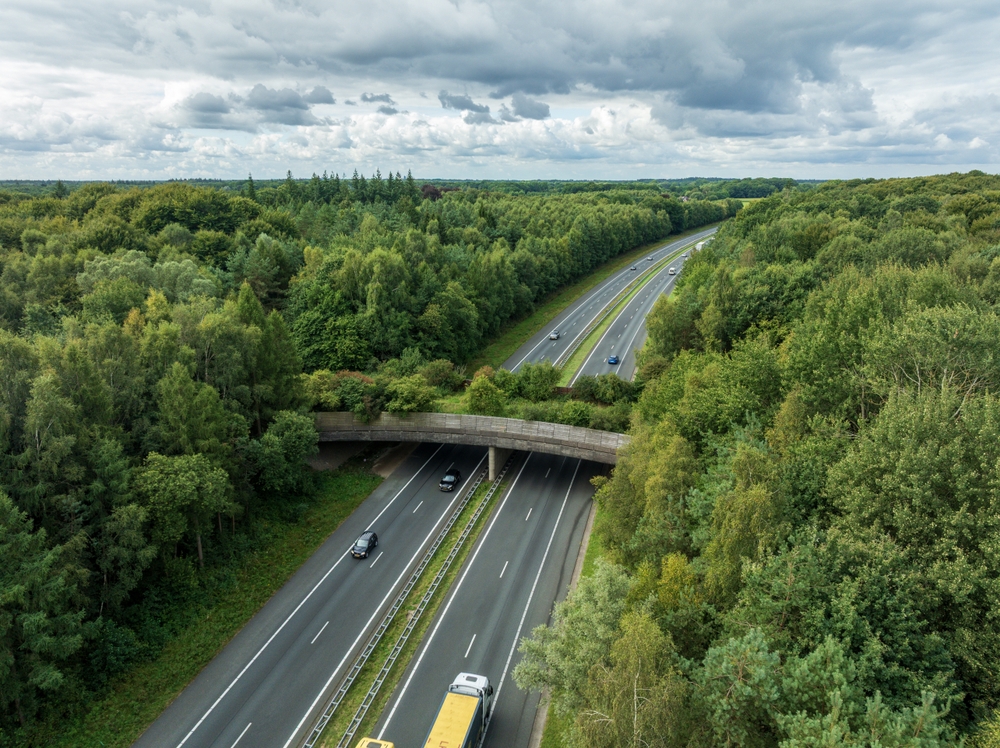
Despite its massive size and complex engineering requirements, the Greenland Wildlife Overpass was completed in less than a year, finishing faster than originally projected. Construction required 76 girders to support the bridge deck, along with specialized engineering to ensure the structure could safely hold soil, vegetation, snow loads, and the weight of large animals moving across it year round.
The total cost of the project was about $15 million, a figure that initially draws attention but carries long term financial justification. Transportation officials note that the economic costs associated with wildlife vehicle collisions include emergency response, medical care, vehicle repairs, and insurance claims, all of which add up quickly when crashes occur daily.
Colorado Governor Jared Polis pointed to the broader implications of the project, saying, “Colorado is leading the way in reducing wildlife vehicle collisions, and improving safety for both our motorists and wildlife.” Officials say the overpass demonstrates how targeted investments can produce measurable safety improvements while supporting conservation goals.
Wildlife crossings and climate pressures
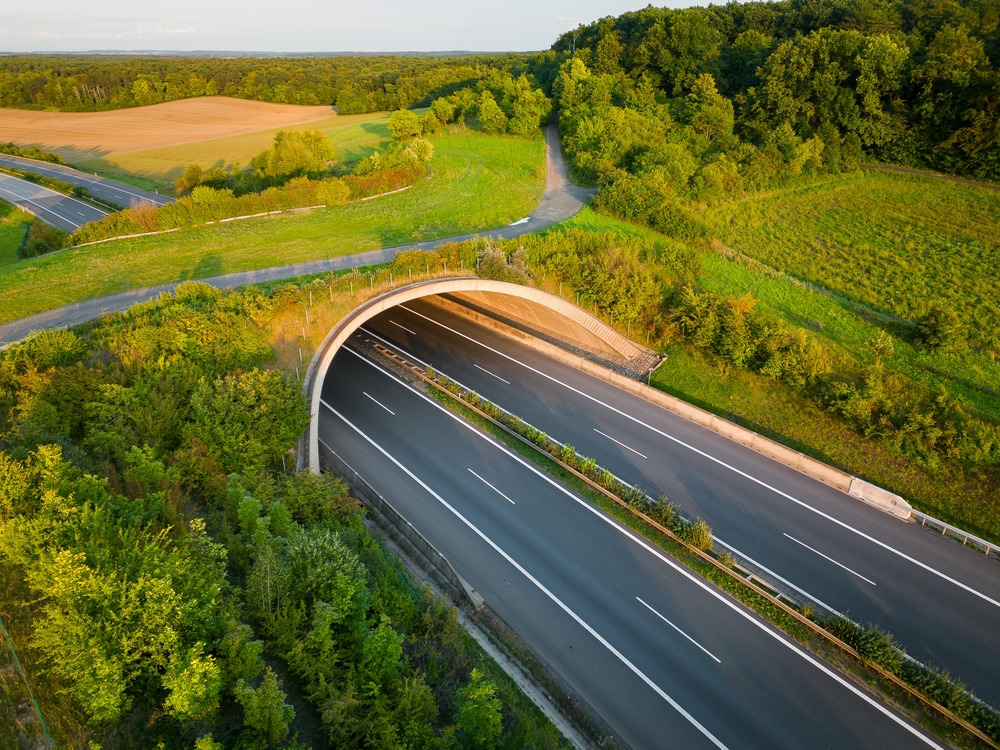
As climate conditions continue to shift, wildlife is being forced to move more frequently in search of suitable habitat, food, and water. Rising temperatures, changing precipitation patterns, and habitat loss make movement essential for survival, yet highways often block these natural responses to environmental stress.
Fragmented landscapes also reduce genetic diversity, making animal populations more vulnerable to disease and environmental change. By reconnecting habitats, wildlife overpasses help maintain healthier populations that are better equipped to adapt over time rather than becoming isolated in shrinking areas.
The Greenland Wildlife Overpass reflects a growing understanding that transportation planning must account for climate related pressures on ecosystems. Restoring connectivity across landscapes supports resilience and gives wildlife the space needed to adjust to changing conditions.
Colorado within a national trend
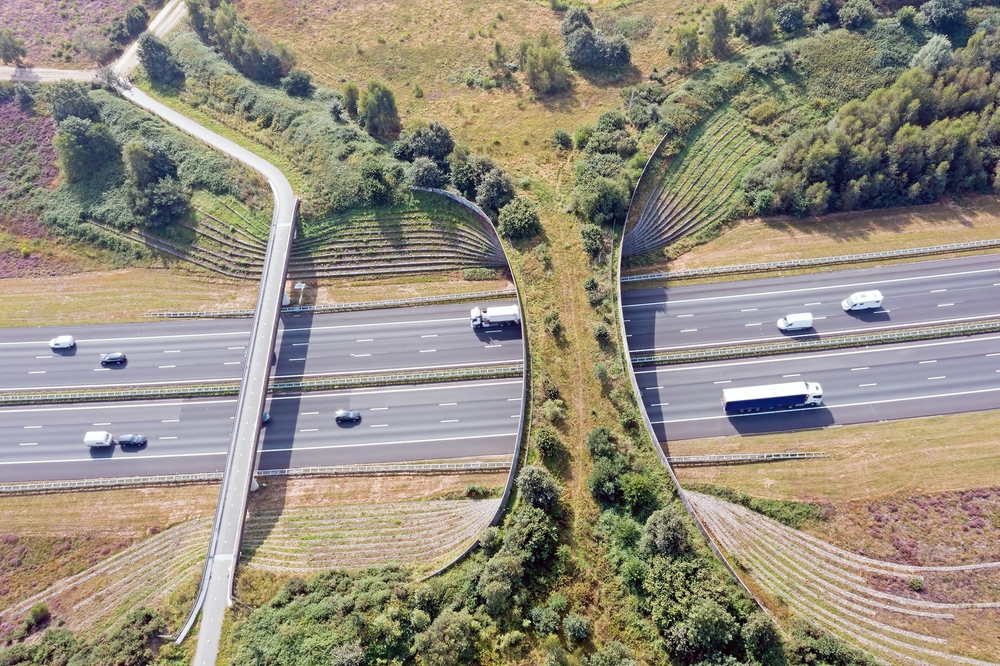
Colorado is part of a broader national movement toward wildlife friendly infrastructure, but it has emerged as a leader by using detailed data to guide where crossings are built. Officials rely on wildlife movement studies and collision records to identify locations where investments will have the greatest impact on safety and conservation.
Other states have reported similar success. Utah has built more than 50 wildlife crossings statewide, beginning with its first in 1975. In Texas, the Robert L.B. Tobin Land Bridge opened in San Antonio in 2021, reconnecting urban green spaces across six lanes of traffic.
These projects consistently show that animals adapt quickly to crossings, often using them within months. As more states adopt these approaches, wildlife crossings are increasingly viewed as a standard component of responsible transportation planning.
Looking beyond Colorado
While the Greenland Wildlife Overpass currently holds the title of largest in North America, additional projects are nearing completion elsewhere. In Southern California, the Wallis Annenberg Wildlife Crossing is being built across U.S. Highway 101, one of the busiest highways in the country.
The project is expected to cost about $92 million and is largely funded by nonprofit organizations. Once completed, it will span ten lanes of traffic and help mountain lions, bobcats, coyotes, foxes, and other species cross safely between the Santa Monica Mountains and Simi Hills.
According to Lauren Wonder, a spokesperson for the California Department of Transportation, the crossing is expected to open in 2026. Organizers say the project aims to be the largest wildlife crossing in the world of its kind.
A quiet but lasting impact
Most drivers traveling along Interstate 25 will never notice the Greenland Wildlife Overpass after it blends into the surrounding landscape. There are no signs calling attention to it and no changes to traffic patterns below the structure.
Its success will be measured by absence rather than visibility. Fewer collisions, fewer injuries, and fewer animals lost to traffic will mark its long term impact on the region.
As development continues and climate pressures increase, projects like the Greenland Wildlife Overpass demonstrate that infrastructure can be designed to protect both people and wildlife. In many cases, progress comes from building solutions that allow nature to move safely across the paths humans have created.
animal migration, Climate Adaptation, Climate Resilience, Colorado wildlife, Environmental conservation, habitat connectivity, infrastructure and environment, Interstate 25, sustainable infrastructure, transportation safety, wildlife crossings, wildlife overpass, Wildlife Protection, wildlife vehicle collisions