
Your cart is currently empty!
Norway Invites Travelers to Slow Down and Watch the Northern Lights by Train
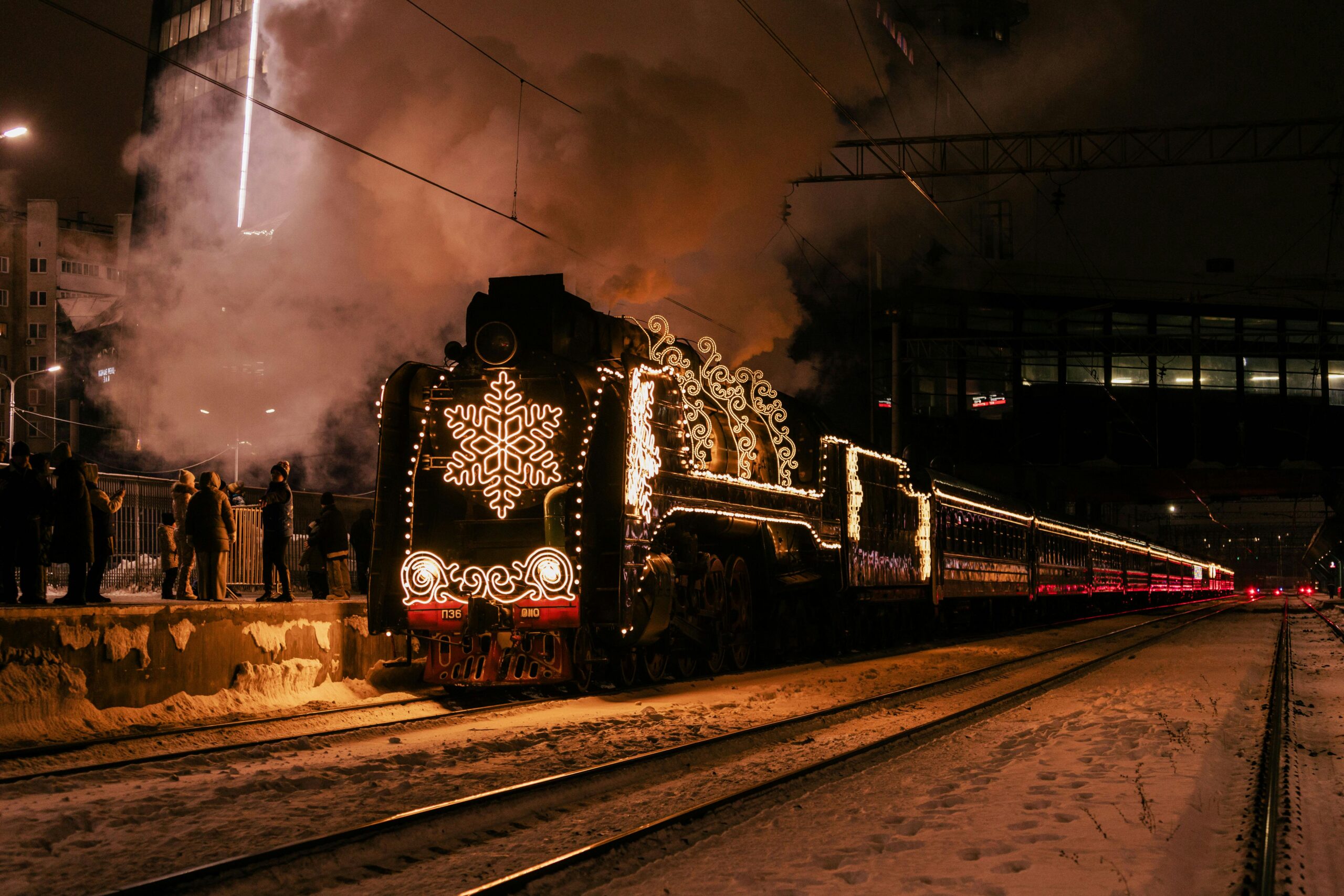
There are few natural phenomena that hold as much emotional power as the Northern Lights. For centuries, people have crossed borders, oceans, and frozen landscapes for a chance to see them. The experience is often described as life changing, yet it comes with no guarantees. Travelers wait in silence under dark skies, bundled against the cold, staring upward for hours while nature decides whether it will cooperate.
Contents
show
For many, the pursuit becomes a test of patience as much as endurance. Some leave the Arctic having never seen more than stars and clouds. Others catch a brief flash that disappears before they can fully process it. The uncertainty is part of the mystique, but it can also be discouraging.
Now, Norway is offering a different approach. Instead of chasing forecasts or racing down isolated roads, visitors are being invited to step aboard a nighttime train and let the Arctic come to them. It is a quieter idea built around patience, comfort, and respect for the environment. And it is quickly capturing global attention.
This experience is not about spectacle on demand. It is about changing how people experience one of Earth’s most unpredictable wonders, and what they take away from the journey whether the lights appear or not.
A New Way to Experience an Old Dream
For decades, Northern Lights tourism has followed a familiar pattern. Visitors arrive in Arctic regions, join guided bus tours or car convoys, and move rapidly between locations based on weather updates and solar forecasts. The goal is simple. Increase the odds of being in the right place at the right time.
While this approach can be effective, it often turns the experience into a race. Travelers move from stop to stop, headlights cutting through darkness, engines idling against the cold. There is little time to absorb the landscape or reflect on where you are.
Norway’s nighttime train turns that logic on its head. Rather than chasing the aurora, the journey creates conditions that allow the lights to appear naturally. By traveling away from city light pollution and into some of the darkest rail accessible areas of the country, the train gives passengers time and space to wait.
The route begins in the northern town of Narvik and travels along the historic Ofoten Line. Originally built to transport iron ore, this railway cuts through remote valleys, snow covered mountains, and elevated terrain north of the Arctic Circle. Today, its isolation has become its greatest asset.
Instead of treating the train as simple transportation, the journey itself becomes the experience. The movement is slow. The lighting inside is deliberately subdued. Conversation lowers as the night deepens. Passengers are not rushed from one viewpoint to the next. They are encouraged to settle in and observe.
Why Trains Are Surprisingly Ideal for Aurora Viewing

At first glance, a train might seem like an unlikely place to watch the sky. Yet when viewed through the lens of science and human perception, it makes remarkable sense.
Northern Lights visibility depends on several factors coming together at once. These include solar activity, geomagnetic alignment, cloud cover, and darkness. While no human system can control space weather, certain variables can be optimized.
Rail travel offers several advantages. It allows consistent movement into low light pollution areas without adding traffic or emissions. It provides stable heated shelter that helps people remain comfortable and alert longer. It enables careful control of interior lighting, which is essential for preserving night vision. It supports shared observation, where guides can explain what is happening in real time.
Another overlooked benefit is psychological. When people are warm and seated comfortably, they are more likely to remain patient. Cold and discomfort can shorten attention spans and heighten frustration, leading people to give up too early.
By contrast, road based aurora tours often involve frequent stops, engine noise, headlights, and rushed decisions. The train replaces urgency with steadiness and encourages observation over pursuit.
Inside the Nighttime Train Experience
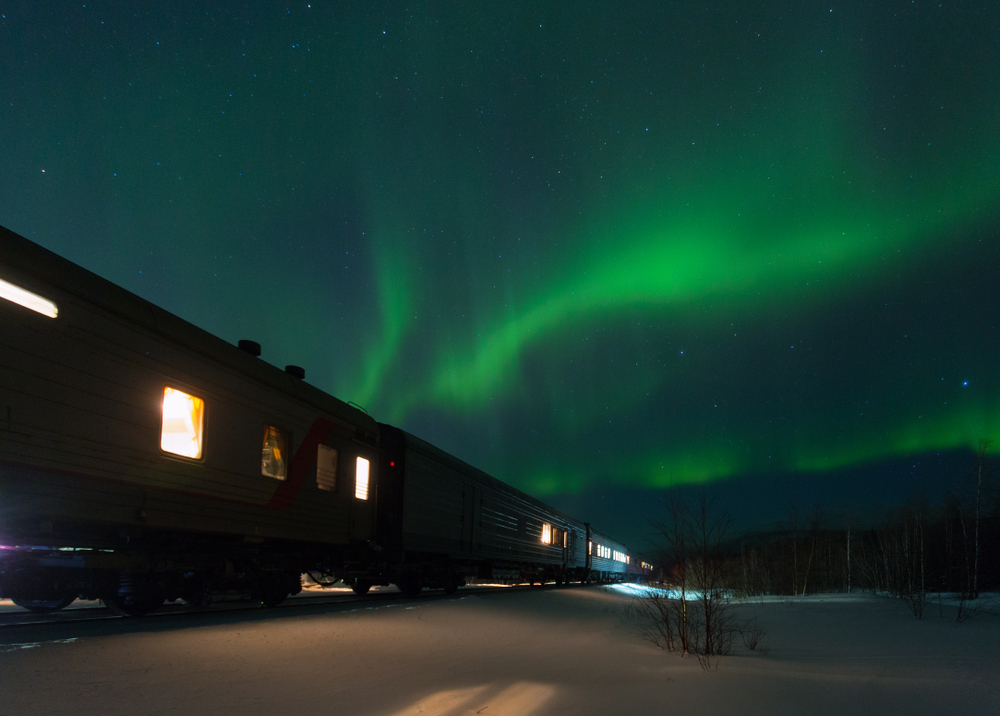
The train itself is not futuristic or theatrical. That is intentional. Rather than reinventing rail travel, Norway has adapted existing carriages to serve a new purpose.
Large windows provide expansive views of the surrounding darkness. Interior lighting is kept low to reduce reflections and glare. Seating is arranged to encourage looking outward and upward without strain over long periods.
Guides are present onboard, offering explanations about the aurora, the solar cycle, and the surrounding landscape. They point out subtle changes in cloud cover or faint arcs of light that inexperienced viewers might miss.
There is no soundtrack, no countdown, and no promise of dramatic color. What passengers receive instead is time. Time to adjust to darkness. Time to notice small shifts in the sky. Time to understand what they are seeing.
For many travelers, this educational element becomes a highlight. Understanding why the lights behave the way they do transforms the experience from passive watching into active learning.
The Importance of Darkness and Stillness
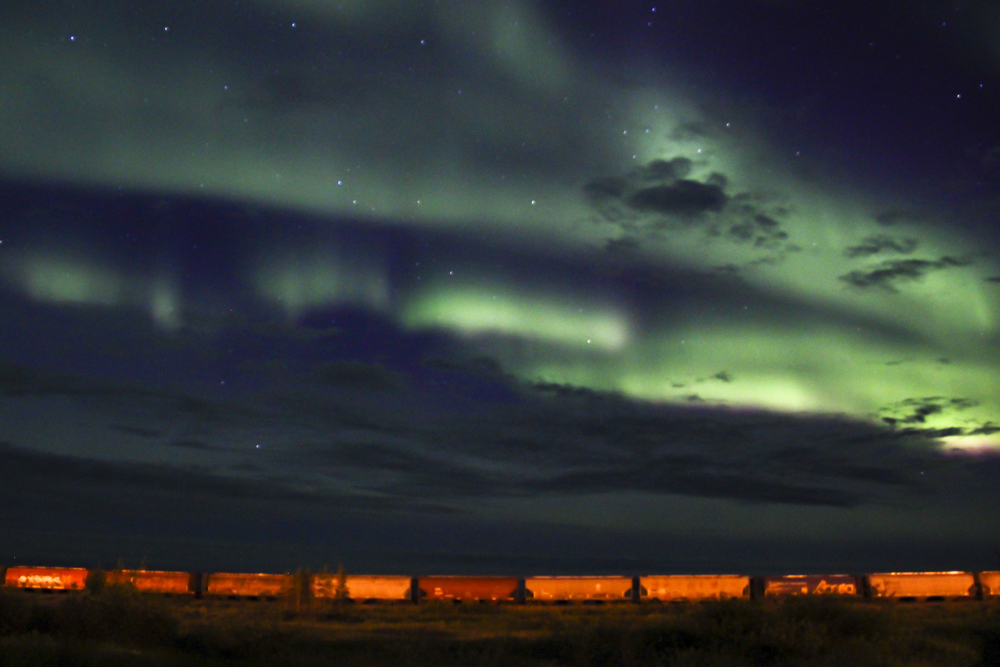
One of the most misunderstood aspects of aurora viewing is how gently the phenomenon often begins. Many people expect sudden explosions of color. In reality, the Northern Lights frequently arrive as pale green arcs or soft curtains that slowly strengthen.
Darkness plays a crucial role. Human eyes need time to adapt fully to low light conditions. Even small sources of artificial light can interfere with this process. By minimizing interior lighting and stopping in areas with almost no external illumination, the train helps passengers see more with less effort.
Stillness matters just as much. Standing quietly under the sky allows subtle changes to register. Movement, chatter, and constant repositioning can break that connection.
The train embraces this philosophy through scheduled stops at remote locations such as Katterat Station. Here, passengers step off into the Arctic night. A campfire is lit. Hot drinks are served. Stories are shared quietly while everyone waits together beneath the stars.
These pauses are not filler. They are central to the experience, reinforcing the idea that waiting is not wasted time but part of the reward.
Comfort Without Detachment From Nature
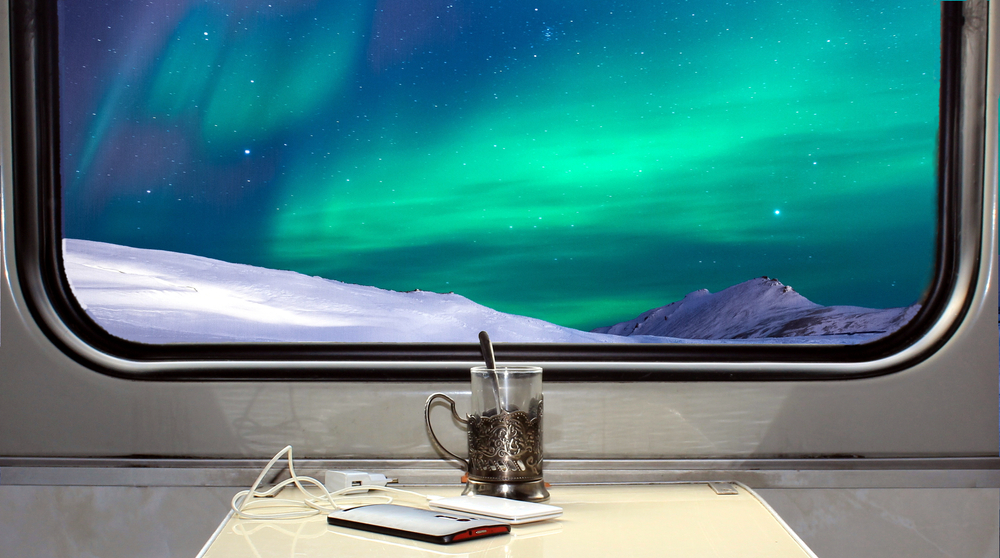
One of the most compelling aspects of the nighttime train is how it balances comfort with authenticity. Travelers are protected from extreme cold while moving, yet they are never separated from the environment.
Passengers are encouraged to step outside during stops, feel the temperature, and listen to the silence. The experience is not framed as passive entertainment. It requires presence and participation.
This approach contrasts with some high end aurora tours that prioritize luxury above all else. While comfort is important, complete detachment can dull the emotional impact of the experience.
On the train, warmth is a tool rather than a shield. It allows people to stay longer, observe more carefully, and remain receptive to the environment without numbing it.
When the Train Operates and Why Timing Matters
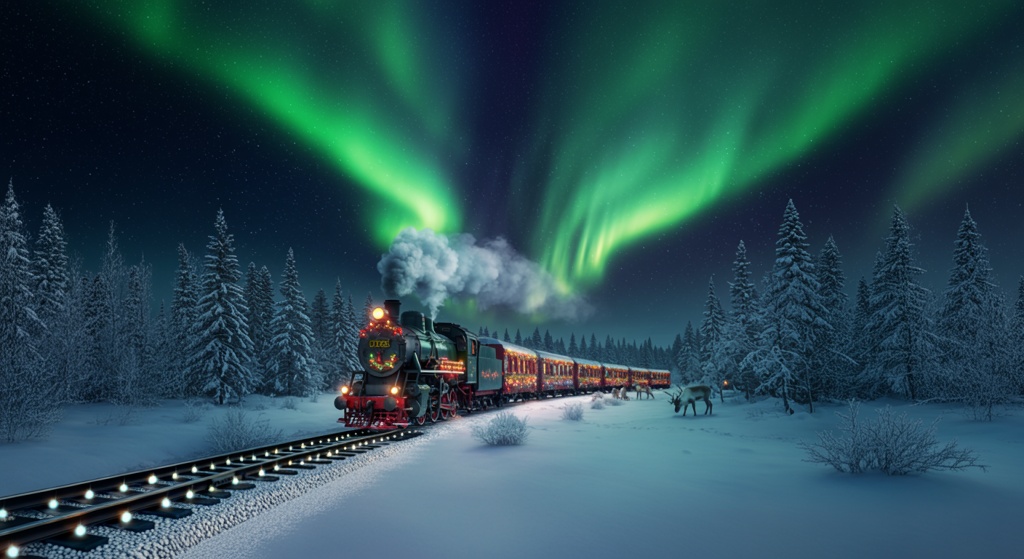
The Northern Lights Train operates seasonally from October through March. These months offer the longest nights and the best alignment between darkness and solar activity.
This period also coincides with a particularly active phase of the sun’s eleven year solar cycle. Scientists expect heightened auroral activity between 2024 and 2026, increasing the likelihood of visible displays across northern latitudes.
That said, organizers are careful not to promise outcomes. Cloud cover, solar wind strength, and magnetic conditions all play critical roles. No experience can guarantee the aurora.
What the train offers instead is probability. By traveling through low pollution zones during peak months and positioning itself strategically, it improves the odds while respecting nature’s unpredictability.
What the Journey Feels Like
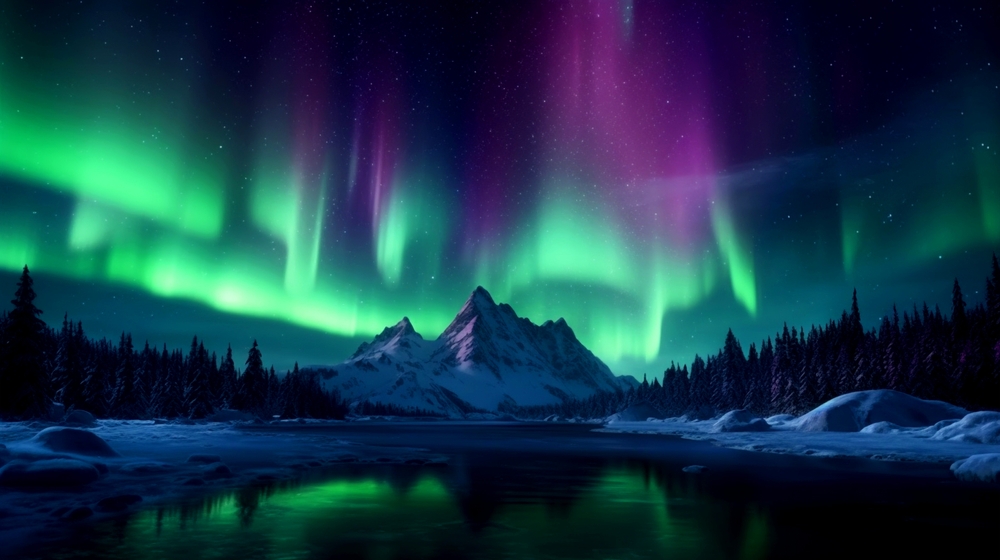
Passengers typically gather at Narvik Train Station in the early evening. The mood is calm rather than celebratory. Many people speak softly, aware that this is not a typical excursion.
As the train departs, city lights fade quickly. Snow reflects starlight. The surrounding landscape feels vast and untouched.
Inside the carriage, voices lower further. Guides move gently between seats, answering questions and pointing out subtle changes in the sky.
When the train stops at Katterat, the silence deepens. Firelight flickers against the snow. Breath hangs in the air. People look up, not at phones, but at the sky.
Some nights bring dramatic displays. Others remain quiet. Organizers acknowledge both possibilities openly. Even on nights without visible aurora, many travelers describe the experience as deeply moving.
Cost and Accessibility
Tickets for the Northern Lights Train typically start around 1,495 Norwegian kroner, roughly 140 US dollars. This price includes the train journey, English speaking guides, snacks and hot beverages, the wilderness stop, and educational context.
Compared to private aurora tours that can cost several times more, the train offers a relatively accessible option. Seats are limited, and bookings often sell out quickly during peak periods, especially around new moon phases.
Advance reservations are strongly recommended, particularly for travelers planning winter trips months ahead.
Sustainability at the Core of the Concept

One of the most significant aspects of the nighttime train is its environmental footprint. Unlike road based aurora tours that rely on fuel intensive vehicles, the train operates on Norway’s renewable hydroelectric grid.
By using existing railway infrastructure, the service avoids new construction in sensitive Arctic environments. This aligns with Norway’s broader tourism strategy, which emphasizes low impact access over expansion.
For environmentally conscious travelers, this approach adds another layer of meaning. The experience does not come at the expense of the landscape it celebrates.
Why This Experience Resonates Right Now
The growing popularity of the Northern Lights Train reflects a broader shift in travel culture. After years of fast-paced itineraries and social media driven checklists, many people are seeking experiences that feel slower and more grounded.
This journey does not frame the aurora as a product to be consumed. It presents it as a natural phenomenon that requires patience and humility.
Waiting together in silence, sharing warmth with strangers, and accepting uncertainty feels increasingly rare. In that sense, the train offers something deeper than sightseeing.
A New Chapter in Scenic Rail Travel
The Northern Lights Train does not promise magic on demand. What it offers is access to darkness, time to wait, and space to wonder.
It reframes what success looks like in travel. Even if the aurora never appears, the journey still delivers stillness, perspective, and connection.
In a world shaped by immediacy, Norway has built an experience that asks travelers to trust the night. For many who step off the train, that lesson lingers long after the journey ends.
The train is not just about watching lights in the sky. It is about learning how to slow down, how to be present, and how to let nature lead.
In that way, this nighttime rail journey is redefining not only Arctic travel but what meaningful travel can look like in the modern world.