
Your cart is currently empty!
Australian State Proposes Jail Time for Owners Leaving Dogs in Hot Cars
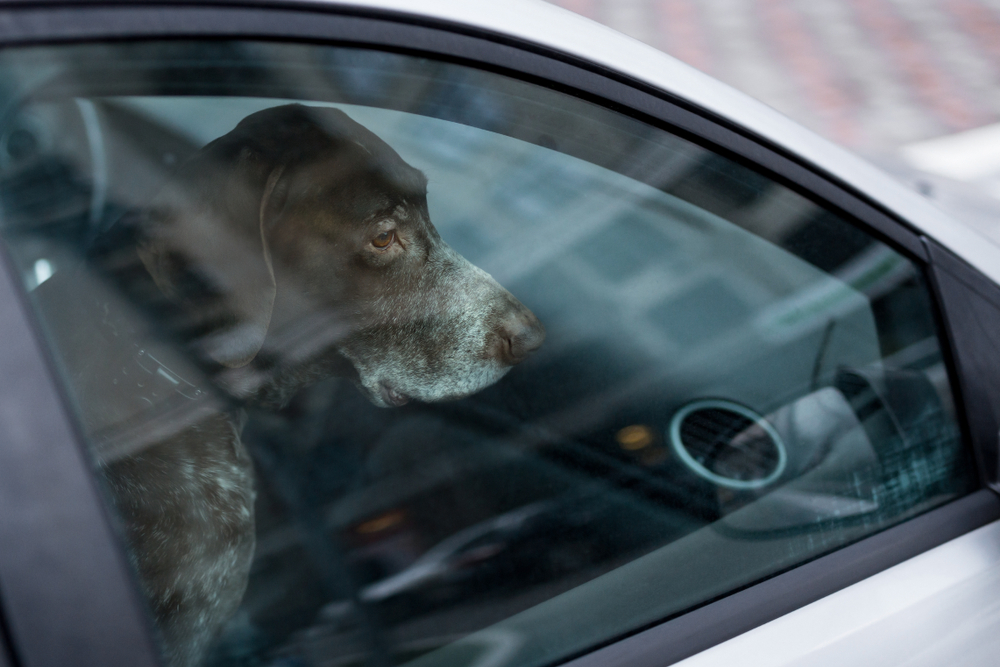
Summer road trips and quick errands with a furry best friend might seem like harmless bonding time, but leaving a pet waiting in a parked vehicle is a gamble with disastrous odds. Even on days that feel mildly warm to a human, the environment inside a stationary car can quickly become lethal. In response to a growing number of preventable tragedies, New South Wales is now pushing forward with tough new legislation designed to fundamentally change how people travel with their animals.
Contents
show
A Clear Line Against Cruelty
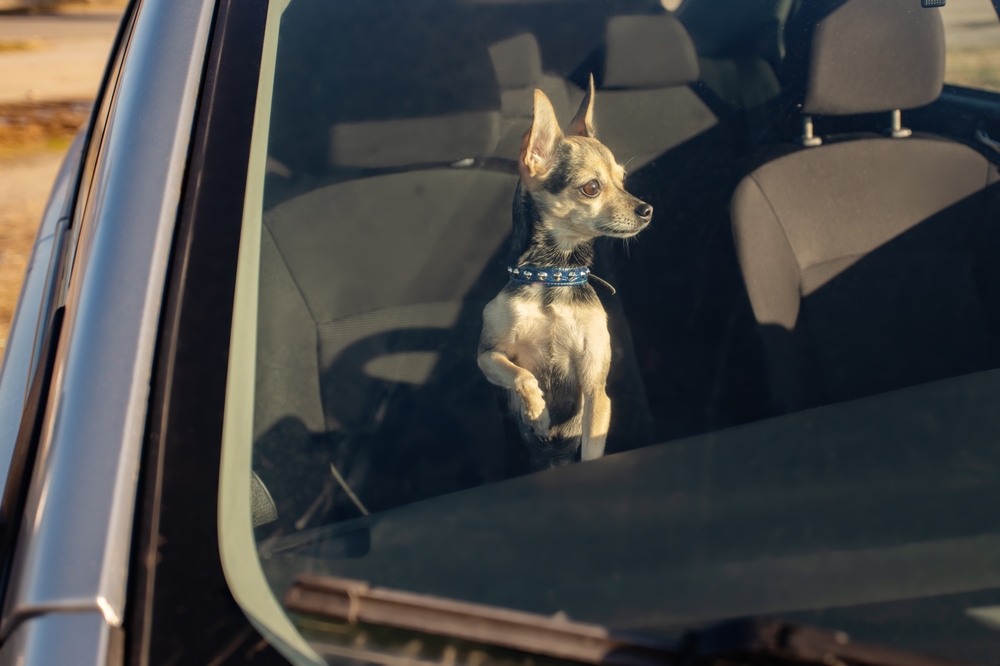
Every summer, tragic stories surface of pets suffering in sweltering vehicles. Now, New South Wales is taking a firm stand to prevent these heartbreaking situations. The state government has introduced the Prevention of Cruelty to Animals (Enforcement and Operational Powers) Bill, which clearly defines leaving a dog unattended in a hot car as a criminal offense.
The new rules are straightforward. If a pet owner leaves a dog in a vehicle with poor ventilation for more than 10 minutes on a day warmer than 28 degrees Celsius, the consequences are severe. Those who break this rule could face up to a year in prison or fines of up to $44,000. These exact same penalties apply to anyone who leaves a dog on the hot metal tray of a ute.
Before these changes, authorities had to rely on general animal cruelty laws, which sometimes made it hard to act quickly. The new rules draw a clear line. NSW Minister for Agriculture Tara Moriarty noted that the updates “mark the most significant reform to the state’s animal welfare laws in years, delivering modern legislation that reflects contemporary community expectations.”
The goal is to stop preventable deaths rather than just punishing people after the fact. Stephen Albin, the Chief Executive Officer of the Animal Welfare League NSW, supports the strict measures. While educating the public remains a priority, these updated laws give inspectors and police the clear authority they need to step in and save a vulnerable animal before it is too late.
How the Bill Empowers Immediate Action
Under the old rules, inspectors often had to prove that an animal had already suffered measurable harm before they could take decisive action or lay charges. This requirement for proof meant that officers sometimes arrived on the scene but felt legally constrained from intervening immediately, risking the animal’s life while waiting for signs of severe distress.
The new bill removes this dangerous gray area. By criminalizing the act itself, waiting 10 minutes on a 28-degree day, the law shifts the focus from reacting to cruelty to actively preventing it. Inspectors no longer have to wait for a dog to exhibit symptoms of heatstroke. The objective parameters allow them to act swiftly and decisively to rescue the animal and hold the owner accountable.
This update brings the law into alignment with modern scientific understanding of how quickly a dog’s health deteriorates in extreme heat. It recognizes that in a confined, poorly ventilated space, irreversible organ damage or death can occur long before an inspector can navigate outdated legal hurdles.
The Deadly Speed of a Hot Car
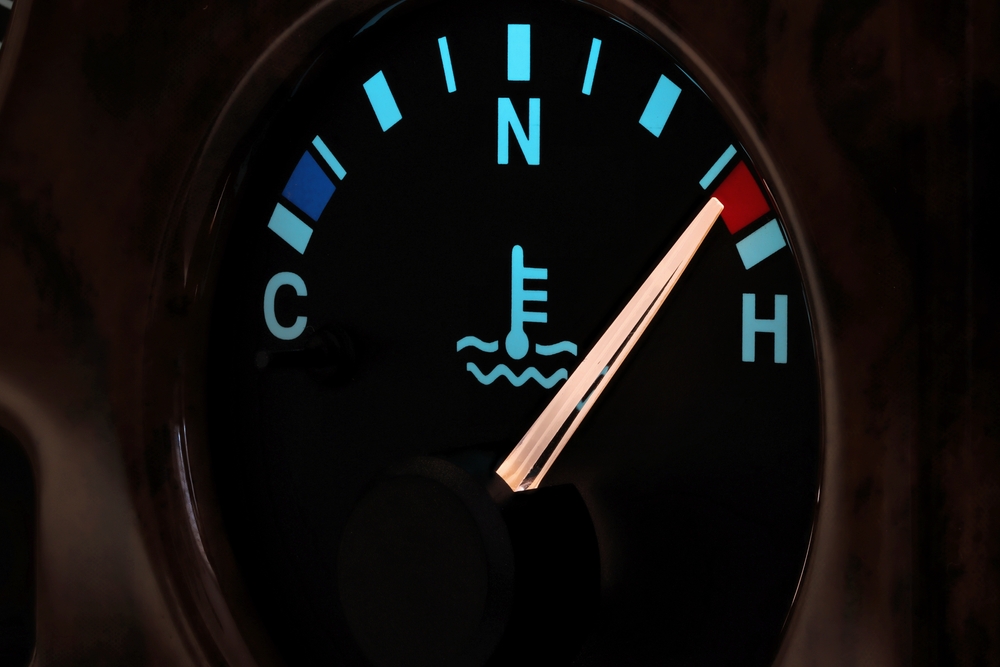
Many pet owners genuinely believe that cracking a window or parking in the shade is enough to keep their dogs comfortable while they run a quick errand. The scientific reality tells a very different story. A parked car functions exactly like a greenhouse, trapping the heat of the sun and multiplying it at an alarming rate.
Studies reveal that roughly 80 percent of the total temperature rise inside a vehicle occurs within the first 30 minutes of the engine turning off. To put this into perspective, NSW Agriculture Minister Tara Moriarty highlighted that on a standard 30 degree Celsius day, the interior of a car can easily skyrocket to 70 degrees Celsius. This greenhouse effect does not only happen during summer heatwaves. Even on milder days, the environment inside a vehicle can push into the danger zone incredibly quickly.
This rapid warming is uniquely devastating for dogs because their bodies do not regulate heat the way human bodies do. They cannot sweat through their skin to cool off, relying almost entirely on panting. When the air trapped inside the car is already baking hot, panting offers zero relief. A dog internal temperature will climb rapidly, bringing on heatstroke, organ failure, and cellular death in a matter of minutes.
Rescued, But Not Out of Danger
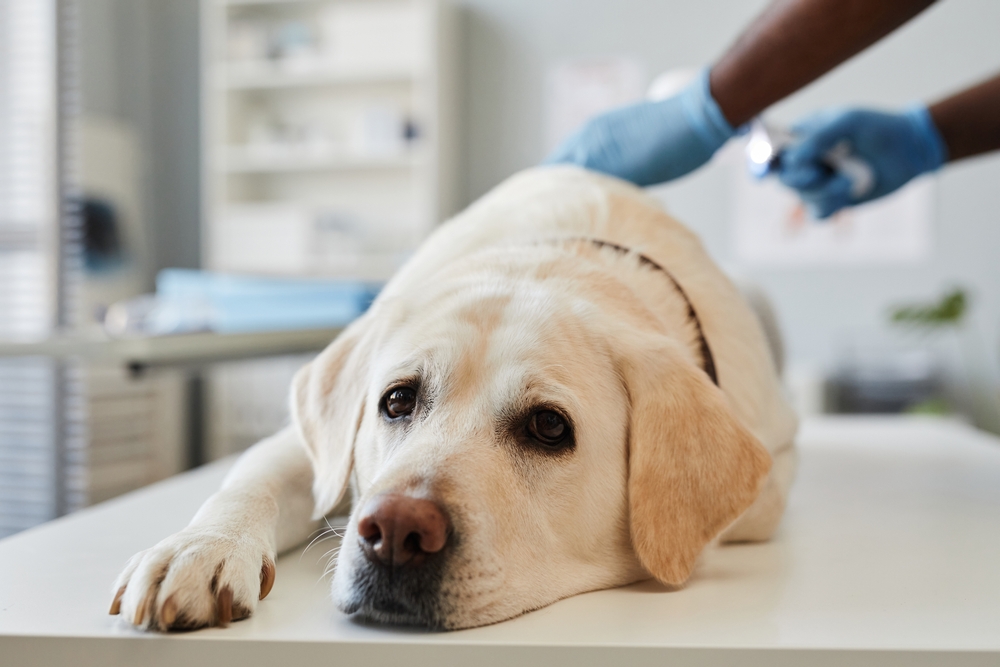
Even when authorities arrive in time to unlock a sweltering vehicle, the ordeal for the pet is rarely over. Surviving the initial heat trap often marks the beginning of a prolonged and expensive medical crisis. Veterinary clinics frequently see the devastating aftermath of these incidents, where rescued animals require days of intensive care just to stabilize their internal organs.
Treating severe heat stress involves intravenous fluids, oxygen therapy, and continuous monitoring for neurological damage or blood clotting issues. This level of emergency veterinary intervention can easily cost pet owners thousands of dollars. The emotional toll on families watching their companion animal struggle to recover is immense and completely preventable.
Animal welfare organizations have long campaigned for stricter deterrents precisely because of this massive suffering. RSPCA NSW leadership has publicly welcomed the updated legislation, viewing the modernised rules as a vital tool for animal protection. By creating a harsh financial and legal penalty simply for the act of leaving a dog in a dangerous environment, the government aims to stop the behavior before a veterinary hospital visit is ever needed.
Don’t Bet on Five Minutes
Every pet owner knows the familiar guilt of closing the front door on a pair of sad puppy eyes. It is incredibly tempting to let a dog hop into the back seat for a quick run to the grocery store or the post office. However, those routine errands are exactly where the danger lies. A planned five minute trip can easily stretch into twenty minutes if a checkout line is incredibly slow or a neighbor stops to chat in the parking lot.
Animal welfare experts emphasize that the absolute safest place for a dog during a summer errand is resting inside a cool home. The risk of misjudging the weather or getting unexpectedly delayed is simply never worth taking.
Community members also have a major role to play in keeping animals safe. If someone spots a dog panting heavily or acting lethargic in a parked vehicle, experts urge immediate action over confrontation. Instead of waiting around for the owner to return, bystanders should immediately note the vehicle make, model, and license plate, and contact the local police or animal rescue services. Quick reporting gets professional help to the scene much faster than arguing.