
Your cart is currently empty!
Nvidia CEO Breaks Silence After Employee Is Released From Hamas After Two Years in Captivity
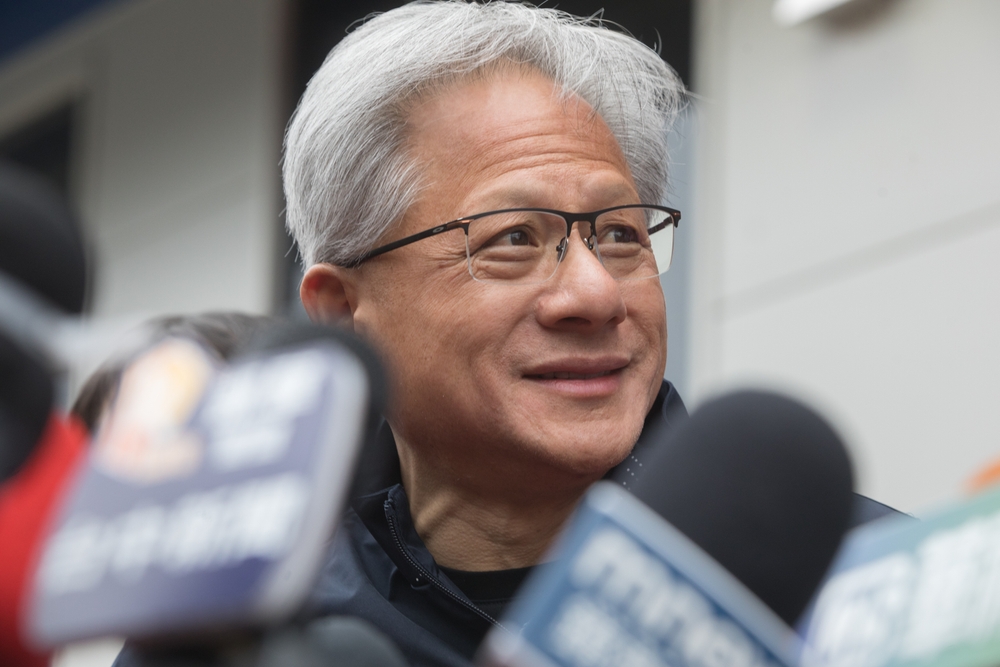
Monday brought news that would test the composure of even Silicon Valley’s most stoic leaders. Jensen Huang, founder and CEO of Nvidia, faced his global workforce with a message that had been 738 days in the making. What he shared would ripple through the company’s offices from Santa Clara to Tel Aviv, marking an end to one of the most painful chapters in the tech giant’s history. An engineer was coming home.
Contents
show
738 Days in Captivity End for Nvidia Engineer
Avinatan Or, a 32-year-old electrical engineer at Nvidia’s Tel Aviv research center, walked free on Monday after spending more than two years as a hostage in Gaza. His release came as part of a U.S.-brokered ceasefire and hostage deal between Israel and Hamas, bringing closure to a story that had gripped the company since October 2023.
Huang addressed his staff with words that carried the weight of collective relief. “I am profoundly moved and deeply grateful to share that, just moments ago, our colleague, Avinatan Or, was released to the Red Cross in Gaza,” the CEO wrote in his letter to employees. “After two unimaginable years in Hamas captivity, Avinatan has come home.”
Or’s freedom represents one of the most emotional moments for Nvidia since the events that led to his capture. His return signals not just a personal victory but a moment of profound meaning for a company that had watched, waited, and hoped for this day.
Nova Music Festival Attack Tore Couples Apart
October 7, 2023, began as a day of music and celebration. Or attended the Nova music festival near Kibbutz Reim with his partner, Noa Argamani. What should have been a weekend of joy became a nightmare when Hamas launched its attack on communities near the Gaza border.
Both Or and Argamani were taken captive during the assault. Hamas separated them, holding each in different locations. While footage of their abduction spread across news channels worldwide, families and colleagues could only watch in horror as two young people were torn from their lives and thrust into an uncertain fate.
For Nvidia employees who knew Or, the images were personal. He wasn’t just another face in news coverage of the conflict. He was a colleague who sat in meetings, contributed to projects, and had become part of the fabric of the company’s Israeli operations.
Or’s Partner Rescued Months Earlier, Became Voice for Remaining Hostages

June 2024 brought partial relief when Israeli military forces rescued Argamani during a tactical operation. Her freedom offered a glimpse of hope that Or might also return home. After her release, Argamani became a vocal advocate for the remaining hostages, using her platform to keep pressure on negotiators and keep the public’s attention focused on those still in captivity.
Argamani’s advocacy meant Or’s name stayed in conversations. She spoke about their experience, about the separation, about the need to bring everyone home. Her voice carried weight because she had lived the reality of captivity and understood what Or and others were enduring.
Yet months passed. Negotiations stalled and restarted. Families held vigils. And Or remained in Gaza, his colleagues at Nvidia holding onto hope that grew more fragile with each passing week.
From Ben-Gurion Graduate to VLSI Engineer at Nvidia’s Tel Aviv Center
Or joined Nvidia in 2022, bringing fresh expertise from his electrical engineering degree at Ben-Gurion University. He worked as a DFT engineer in Nvidia’s VLSI group, a position that placed him at the heart of the company’s networking division.
VLSI, or Very Large Scale Integration, represents a core element of semiconductor design. Engineers in this field work on the complex process of creating integrated circuits by combining thousands of transistors onto a single chip. Or’s role involved test design, a specialty that ensures chips can be properly tested and validated during manufacturing.
Nvidia’s Israeli operations have become central to the company’s semiconductor design work. When Nvidia acquired Mellanox Technologies in 2020 for $7 billion, it deepened its roots in Israel’s tech sector. Or’s position reflected the high level of engineering talent that makes Israel a key location for chip design and development.
His colleagues knew him as competent, dedicated, and part of a team pushing forward the technology that powers AI and data center operations. His capture removed not just a person but a contributor to work that matters to Nvidia’s future.
Huang Praises Or’s Mother for Unwavering Hope During Two Year Ordeal

Behind every hostage stands a family that refuses to give up. Ditza Or, Avinatan’s mother, became a figure of strength throughout the ordeal. Huang recognized her role in keeping hope alive, praising her courage and determination in his letter to staff.
Ditza’s fight for her son’s return required strength that few can imagine. She spoke at rallies, met with officials, and kept pressure on decision makers. Her presence reminded everyone that behind the political negotiations and military strategies stood real people waiting for their loved ones to come home.
Huang’s recognition of Ditza speaks to how deeply her struggle resonated with Nvidia’s leadership. Her refusal to accept silence or delay showed what parental love looks like when tested by circumstances beyond imagination.
Israeli Employees Stood Vigil, Reflected Company’s Best Values

Nvidia’s employees in Israel didn’t stand idle. They rallied around Ditza, joining vigils and showing solidarity with the Or family. Huang noted that his Israeli team “stood with her in vigil, united in determination that Avinatan would return home safely.”
Corporate culture often gets tested in crisis. Nvidia’s response showed a company willing to stand with its people when it mattered most. Employees organized, raised awareness, and made clear that they considered Or’s safe return a priority that transcended normal business operations.
Support extended beyond Israel. In December 2023, Nvidia and thousands of its employees raised $15 million to aid civilians in Israel and Gaza affected by the war. Employees donated $5 million, which Nvidia matched with $10 million, creating the largest humanitarian fundraising effort in the company’s 30-year history.
War’s Toll on Nvidia Family Goes Beyond One Engineer

Or’s story represents just one thread in a larger tapestry of loss. Huang’s letter acknowledged the broader impact of the conflict on Nvidia’s community. Amit Chayut, a Nvidia employee, died during the war. Danielle Waldman and her partner were also killed. Waldman was the daughter of Eyal Waldman, founder of Mellanox, the company Nvidia acquired.
Huang wrote that thousands of Nvidia employees had served with bravery in defense of their communities during the war. Many faced pain, loss, and uncertainty. Some lost family members or loved ones. Each loss rippled through the company, touching colleagues who worked alongside those affected.
Companies rarely face conflicts that directly impact their workforce at this scale. For Nvidia, the war wasn’t an abstract geopolitical event. It was personal, immediate, and painful.
Grief Crosses All Faiths and Borders
Huang’s letter took care to recognize that suffering touched people across religious and ethnic lines. “Grief knows no borders, no faiths, no divisions,” Huang wrote. “We mourn together, and we hope together — for peace, understanding, and a future without fear.”
His words acknowledged that Nvidia’s Jewish, Druze, and Arab families all experienced loss. War doesn’t discriminate in its capacity to destroy lives and shatter families. By naming different communities explicitly, Huang recognized that the company’s response needed to honor all who suffered.
Such statements carry weight in tech, an industry that often prefers to stay distant from political conflicts. Huang’s willingness to speak about grief and unity shows leadership that understands technology companies employ real people with real connections to global events.
U.S. Brokered Ceasefire Brings Or and Other Hostages Home

Diplomatic efforts finally bore fruit. A U.S.-brokered ceasefire agreement between Israel and Hamas created the conditions for hostage releases. Or came home as part of this deal, along with other surviving hostages who had spent months or years in captivity.
President Donald Trump shared Huang’s letter on Truth Social, adding his own commentary about the role U.S. mediation played in securing the agreement. Huang had credited Trump in his letter for helping broker the peace agreement that made the releases possible.
Ceasefire agreements represent complex diplomatic achievements. Multiple parties must agree to terms, trust must be established, and guarantees must be made. Or’s release shows what can happen when diplomatic channels produce results.
CEO Hopes Release Marks Beginning of Healing and Lasting Peace
Huang closed his letter, looking forward. He expressed hope that the ceasefire and hostage releases could signal a broader turning point. As hostages return to their families, he suggested, people witness “the close of a painful chapter and the beginning of long awaited healing for the region.”
Such optimism might seem naive in a region with decades of conflict. Yet Huang’s position gives him a platform that reaches thousands of employees and millions of people who follow Nvidia. His words matter because they come from someone leading one of the world’s most valuable companies.
“Avinatan, welcome home,” Huang wrote. “Your safe return brings profound relief and joy to the entire Nvidia family. May this moment mark the first step toward recovery, renewal, and lasting peace for all who have been touched by this war.”
Or’s journey from captivity to freedom took 738 days. His recovery will take longer. But for Nvidia, for his family, and for everyone who held onto hope, Monday marked a day when persistence and prayer met success. One engineer came home. One family reunited. And one company could finally exhale.