
Your cart is currently empty!
NYC Spent Nearly $368 Million On Homelessness — So Why Are More People Still Living On The Streets?
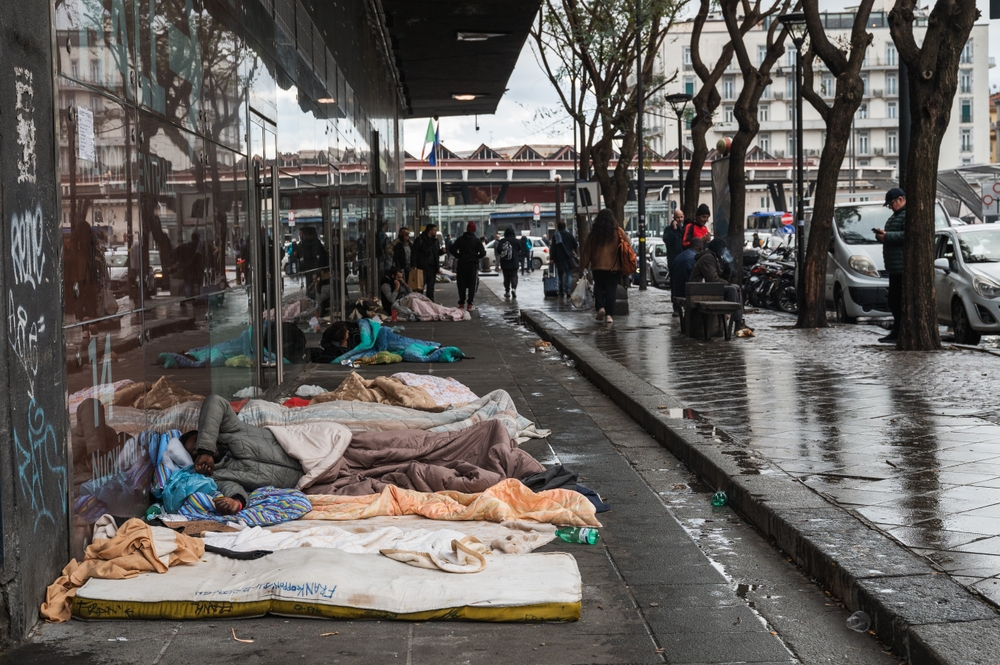
New York City has long stood as a symbol of ambition, resilience, and opportunity, a place where millions arrive hoping to build a better future. Its skyline represents economic power and cultural influence, yet beneath that image lies a reality that has become increasingly difficult to ignore. In recent years, the city has poured enormous financial resources into addressing unsheltered homelessness, committing hundreds of millions of dollars in an effort to move people off the streets and into safer environments. The expectation, at least on the surface, was simple: more funding would lead to better outcomes. But the reality unfolding on the ground tells a far more complicated and uncomfortable story.
Contents
show
A recent state comptroller’s report reveals a contradiction that challenges that assumption in a direct and undeniable way. While funding has surged at an unprecedented pace, the number of people living without shelter has continued to grow, not shrink. This disconnect has sparked frustration, confusion, and debate among policymakers, economists, and everyday residents who are left questioning whether the current strategies are truly addressing the root causes of homelessness or simply managing its visibility. The numbers themselves are striking, but what they represent goes deeper than statistics, pointing instead to structural challenges that money alone may not be able to solve.

A Surge In Spending That’s Hard To Ignore
According to the report, “New York City has more than tripled spending on unsheltered homelessness since 2019, shelling out nearly $368 million even as the number of people living on the streets continued to rise.” This dramatic increase reflects a clear decision by city officials to expand outreach programs, emergency services, and support initiatives designed to engage with individuals living without shelter. The scale of the investment signals urgency, as well as an acknowledgment that the issue has grown too large to ignore.
Looking at the numbers over time makes the trend even more striking. Spending rose from $102 million in fiscal year 2019 to nearly $368 million by fiscal year 2025, representing a 262 percent increase in just six years. That level of growth is rare in public budgets and indicates how central homelessness has become in policy discussions. It also reflects the expansion of services such as street outreach teams, temporary housing programs, and crisis response initiatives that aim to bring immediate relief to those in need.
However, funding alone does not automatically translate into effectiveness. Homelessness is a complex issue shaped by overlapping factors including mental health challenges, substance use disorders, job instability, and a lack of long-term housing options. Even with increased resources, progress can remain limited if these underlying issues are not addressed in a coordinated and sustained way. This raises an important question about whether the current allocation of funds is aligned with long-term solutions or focused primarily on short-term interventions.
More Money, More People On The Streets
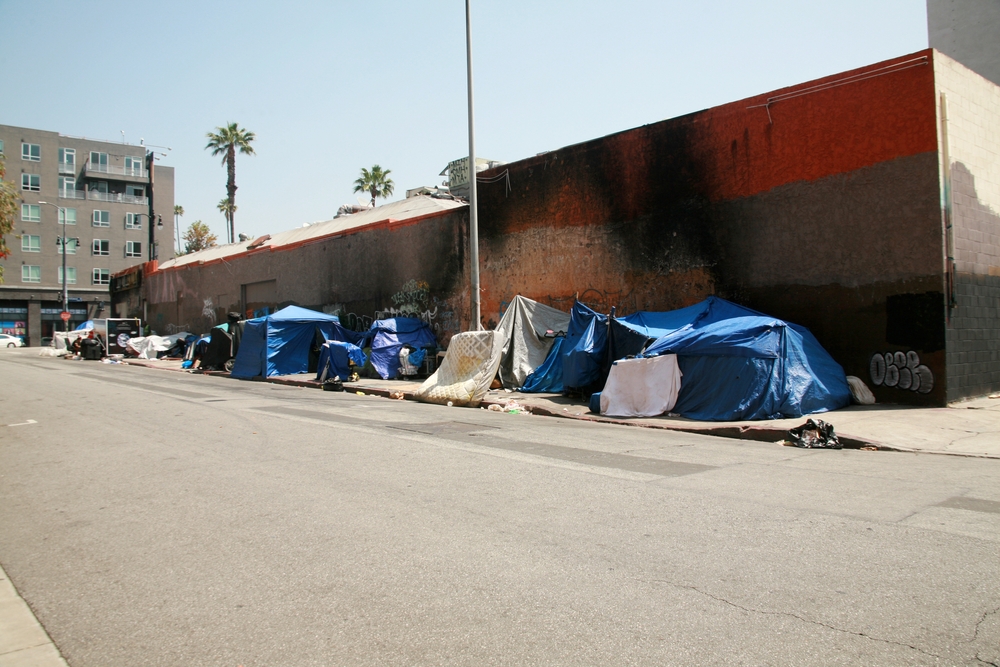
Despite the surge in spending, the number of people living on the streets has continued to rise, creating a stark contrast between investment and outcome. As the report states, “The city’s own numbers show the unsheltered population grew from 3,588 in fiscal year 2019 to 4,504 in fiscal year 2025, a 26% increase from pre-pandemic levels.” This increase suggests that even as services expand, new individuals are still entering homelessness at a pace that offsets any progress being made.
When the data is broken down further, the scale of spending becomes even more apparent. “That works out to roughly $81,700 per unsheltered person in FY 2025 — slightly more than the city’s median household income,” the report explains. While this comparison is not meant to be exact, it provides a useful perspective on just how significant the investment has become on a per-person basis. For many observers, it raises difficult questions about efficiency, accountability, and outcomes.
Taken together, these figures have fueled growing concern among taxpayers and analysts alike. “The numbers show the city is pouring in more money while the street homeless population continues to grow — and taxpayers are footing the bill.” This statement captures the central tension of the issue, highlighting the gap between intention and impact. It also reinforces the idea that without addressing deeper structural causes, increased spending alone may not be enough to reverse the trend.

How New York Compares To Other Cities
To better understand the situation, it is helpful to place New York City within a broader national context. The report notes, “Still, the report notes that New York’s shelter system remains unusually large by national standards.” This distinction is significant because it highlights how differently cities approach homelessness, both in terms of policy and infrastructure.
For comparison, “Los Angeles, the city with the next-largest homeless population, has about 71,000 homeless people, roughly half of New York City’s 2024 total, and about 70% of them are unsheltered.” This means that a much larger proportion of people experiencing homelessness in Los Angeles are living on the streets rather than in shelters. The visibility of homelessness in Los Angeles is therefore more pronounced, even if the overall system operates differently.
In contrast, “In New York City, by contrast, nearly 97% of the homeless population is in shelters.” This suggests that New York has built an extensive shelter network designed to keep people off the streets, even if only temporarily. While this model may reduce visible street homelessness compared to other cities, it also raises questions about whether shelter-based approaches are sufficient for creating long-term stability and permanent housing solutions.
The Bigger Issue: Housing Affordability
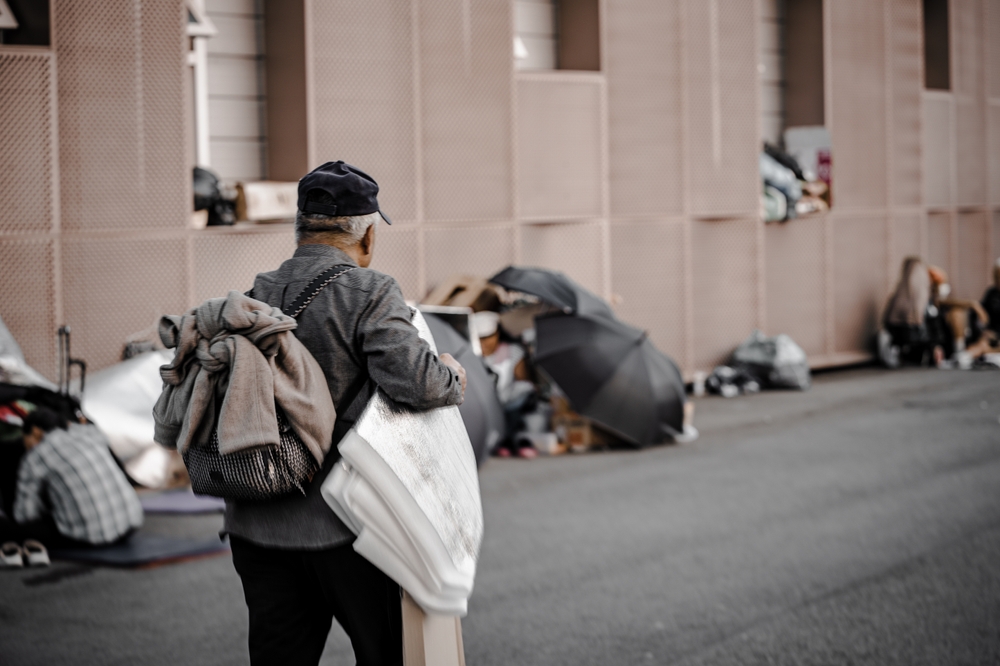
Beyond spending and service delivery, many experts point to housing affordability as the central driver of homelessness in New York City. The report states, “The findings are likely to add fuel to the broader debate over housing affordability, as soaring rents and a shortage of low-cost housing remain central to New York City’s homelessness crisis.” This highlights the structural nature of the problem, suggesting that it cannot be solved through services alone.
As housing costs continue to rise, more individuals and families find themselves at risk of losing stable accommodation. Even those who manage to secure temporary shelter often struggle to transition into permanent housing due to limited availability and high prices. This creates a cycle where people move in and out of shelters without achieving long-term stability, reinforcing the persistence of the crisis.
The shortage of affordable housing units further compounds the issue. Without sufficient supply, demand continues to outpace availability, driving prices higher and making it increasingly difficult for low-income residents to secure housing. This imbalance underscores the importance of addressing not just homelessness itself, but the broader housing market conditions that contribute to it.
Mamdani’s Plan: Solution Or Risk?
Mayor Zohran Mamdani has proposed a series of policies aimed at addressing the affordability crisis, but these proposals have sparked significant debate. As noted in the report, “While Mamdani has proposed freezing rents on roughly 2 million stabilized apartments, many economists argue that rent freezes may shield current tenants in the short term while worsening the city’s long-term housing shortage.” This tension reflects a broader disagreement about how best to balance immediate relief with long-term sustainability.
Supporters of the plan argue that rent freezes can provide critical protection for tenants who are struggling to keep up with rising costs. By stabilizing rents, they believe fewer people will be pushed into homelessness, allowing households to maintain stability during periods of economic uncertainty. This perspective emphasizes the urgency of providing immediate relief to those at risk.
Critics, however, warn that such measures could have unintended consequences. By limiting potential returns for property owners, rent freezes may discourage new construction and reduce investment in housing development. Over time, this could lead to a decrease in overall housing supply, making affordability challenges even more severe. The debate highlights the complexity of policymaking in a market as dynamic and constrained as New York’s housing sector.
A High-Stakes Budget And Economic Strategy
The broader financial framework surrounding these policies adds another layer of complexity to the situation. The report explains, “More broadly, his $127 billion budget proposal calls for higher taxes on wealthy residents and corporations, along with a possible 9.5% property tax increase if state lawmakers decline to act.” These measures are intended to generate additional revenue that can be used to fund public services and address inequality.
Supporters argue that such policies are necessary to ensure that those with greater financial resources contribute more to solving systemic challenges. They believe that increased funding can support not only housing initiatives but also healthcare, education, and social services that are closely linked to homelessness outcomes. From this perspective, a comprehensive approach is essential for meaningful progress.
At the same time, critics caution that higher taxes could have unintended economic consequences. Concerns have been raised that increased taxation may discourage investment or lead businesses to relocate, potentially weakening the city’s economic base. This could have knock-on effects for job creation and housing development, both of which are critical for addressing homelessness in the long term.
Why This Debate Matters Beyond New York
The implications of New York City’s approach extend far beyond its borders. As one of the world’s most influential cities, its policies often serve as a reference point for other urban centers facing similar challenges. Decisions made here can shape national conversations about housing, taxation, and social policy.
Across the United States, cities are grappling with rising housing costs, limited supply, and increasing homelessness. Policymakers are closely watching how New York navigates these issues, looking for lessons that can be applied elsewhere. The stakes are high, as the success or failure of these strategies could influence policy decisions on a much larger scale.
This broader relevance underscores the importance of getting the approach right. If effective solutions can be identified and implemented, they may provide a roadmap for other cities facing similar pressures. If not, the challenges seen in New York could become even more widespread.
The Human Side Of The Numbers
While statistics and budgets dominate the conversation, it is important to remember that homelessness is ultimately a human issue. Each number represents an individual with a unique story, often shaped by a combination of economic hardship, health challenges, and personal circumstances.
Many people experiencing homelessness face barriers that go beyond housing alone. Mental health issues, lack of access to healthcare, and unstable employment can all contribute to the difficulty of finding and maintaining stable housing. These factors highlight the need for comprehensive support systems that address multiple aspects of an individual’s situation.
Understanding this human dimension is essential for developing effective solutions. It requires moving beyond surface-level interventions and focusing on long-term strategies that provide stability, dignity, and opportunity for those affected.
Final Thoughts
The data presents a difficult and often uncomfortable reality. “The numbers show the city is pouring in more money while the street homeless population continues to grow — and taxpayers are footing the bill.” This contradiction lies at the heart of the debate, forcing a closer examination of how resources are being used and whether current strategies are achieving their intended goals.
As New York City continues to confront this challenge, the path forward remains uncertain. Balancing immediate needs with long-term solutions will require careful planning, open dialogue, and a willingness to adapt as new information emerges. The complexity of the issue means that no single policy or investment will provide a complete answer.
For readers, the takeaway is both simple and profound. Addressing homelessness requires more than funding alone. It demands a deeper understanding of the systems that contribute to it and a commitment to creating solutions that are both effective and sustainable over time.