
Your cart is currently empty!
One of Germany’s Biggest Dairy Companies Just Opened a Plant-Based Milk Factory
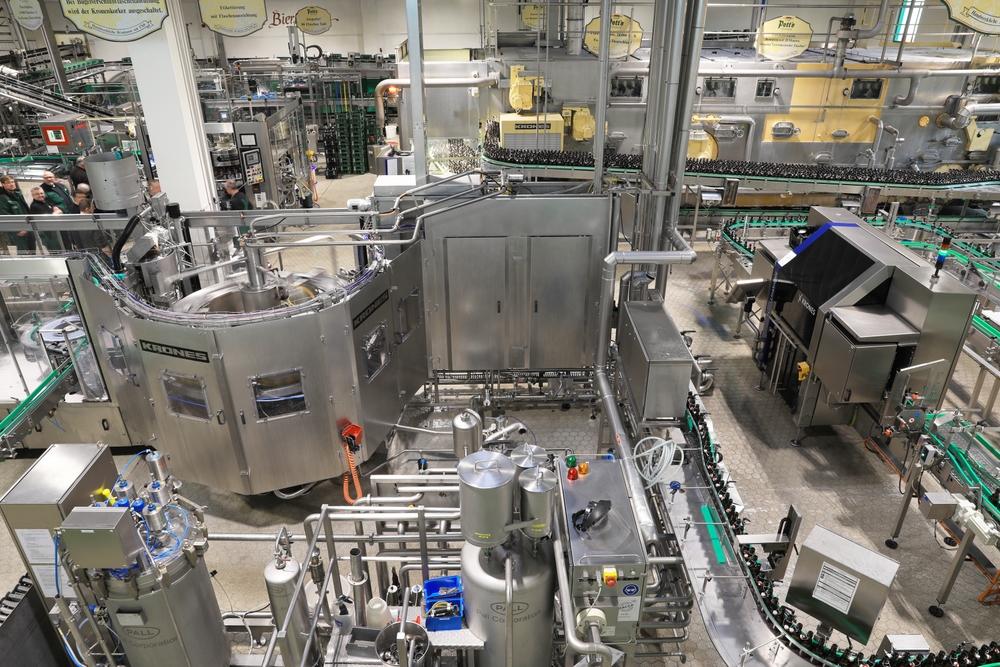
A major German dairy company has just made a surprising investment in the part of the food industry that traditional dairy producers once viewed as competition: plant-based milk and yogurt.
Contents
show
Bauer Group opened a new production and innovation facility in Bavaria in July, with regular production expected to begin in August 2026. The company says the move will allow it to produce its own soy base while responding to growing demand for dairy alternatives.
Bauer Is Bringing Plant-Based Production In-House
Bauer Group is one of Germany’s largest dairy companies, but its business is no longer limited to conventional dairy products. The company launched its plant-based milk and yogurt range in 2021, initially relying on external suppliers to provide the ingredients needed for those products.
That is now changing. Bauer has inaugurated a new facility in Wasserburg am Inn, in the Rosenheim district of Upper Bavaria, where it will produce the soy base used for its plant-based milk and yogurt products. Regular production is scheduled to begin in August.
The facility was officially inaugurated on July 16, 2026, with Bavarian Agriculture Minister Michaela Kaniber attending the event. For Bauer, the investment represents an attempt to take greater control over its plant-based supply chain while keeping production closely connected to its existing agricultural network.
Bauer CEO Heiko Modell said the company sees the project as both a business and sustainability move. “From a sustainable but also entrepreneurial perspective, I am convinced that the opening of our production and innovation center is an important step in moving forward,” Modell said.
The Company Wants More Soybeans From Local Farms
One of the most interesting parts of Bauer’s plan is where the raw materials will come from. Instead of continuing to source its plant-based ingredients externally, the company intends to obtain soybeans from farms in the surrounding region and process them at its new facility.
Bauer has reportedly encouraged some of its existing supplier farms to add soybean production to their businesses. The strategy is designed to shorten the supply chain and reduce the amount of transportation involved in getting raw materials to the production site.
That could give Bauer greater control over an important part of its plant-based operation. It also creates a direct connection between regional agriculture and the milk and yogurt alternatives eventually sold to consumers.
The company has stressed that its plant-based expansion will complement its conventional dairy interests rather than replace them. Bauer is therefore expanding into another part of the market while continuing to operate as a major dairy producer.
Here’s What Happens Inside The New Facility
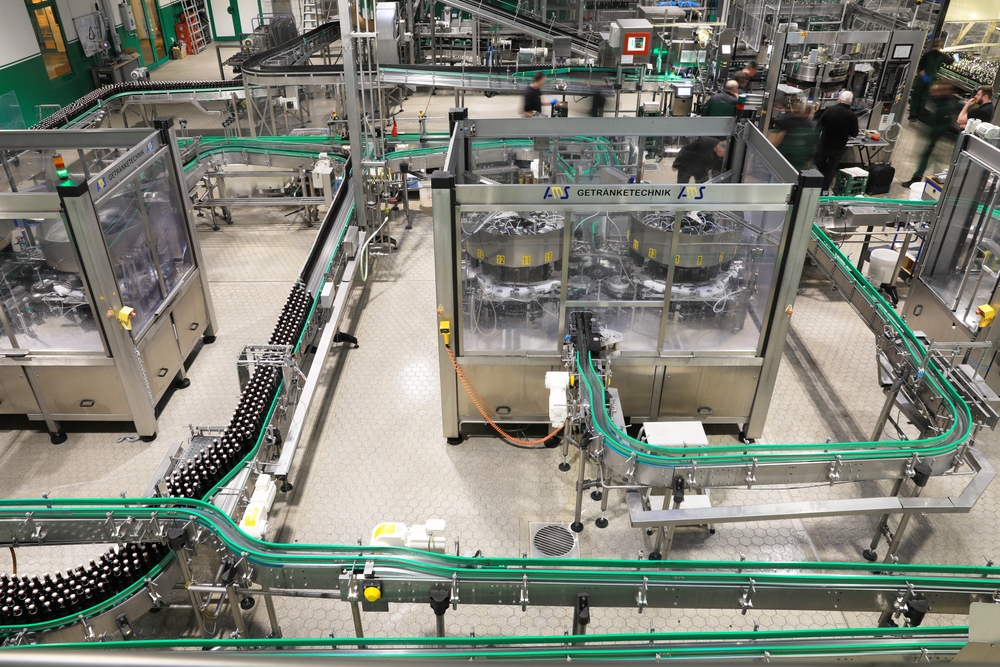
The new plant will produce the soy concentrate that Bauer can then use in its plant-based milk and yogurt production. Engineering company GEA supplied and implemented the process technology for the facility, covering the production chain from incoming soybeans through to the finished concentrate.
From Soybeans To Plant-Based Ingredients
The process begins with receiving and storing the raw soybeans. The beans are then mixed and ground before solids are separated using decanters, followed by thermal inactivation and storage of the resulting concentrate.
The facility also includes water treatment and cleaning systems as part of the production setup. Bauer itself will operate the fermentation and filling plant that turns the soy base into finished plant-based dairy alternatives.
That means the new facility is designed around a specific part of the manufacturing process rather than simply serving as another general-purpose food factory. Bauer is taking control of the ingredient stage that previously depended on outside suppliers.
The project also moved relatively quickly. Bauer awarded GEA the contract in May 2025, while installation began in January 2026, bringing together teams from Munich and GEA’s process test centres in Ahaus and Oelde.
GEA Says Plant-Based Food Is A Strategic Growth Area
GEA’s involvement shows that the project is part of a broader push into alternative protein manufacturing. The engineering company has been investing in technology centres where food businesses can develop and test processes for plant-based foods, precision fermentation, cell cultivation and other emerging production methods.
Michael Klamt, GEA’s project manager, said the Bauer facility reflected the company’s wider strategy. “Projects like this demonstrate why we view plant-based as a strategic growth area for GEA,” Klamt said.
GEA handled the project as a single-source partner for Bauer, covering the initial feasibility work, process development, engineering and implementation. That approach allowed the company to remain involved throughout the development of the facility rather than handing different stages to separate providers.
Bauer’s technical project manager Sebastian Bodmeier said the arrangement helped the project move quickly. “Because GEA brought together testing, process design, engineering, and implementation under one roof, our project was able to move full steam ahead,” Bodmeier said.
GEA has also invested millions in application and technology centres in Germany and the United States since 2023. Those sites are being used to develop and test production processes for the growing alternative protein sector.
Germany’s Plant-Based Market Is Giving Bauer A Reason To Invest
Bauer’s decision comes as demand for plant-based dairy alternatives continues to grow in Germany. According to the supplied reference, purchases of plant-based milk alternatives increased by 8% in 2025, while purchases of plant-based yogurt alternatives increased by 10%.
Together, those categories accounted for 47% of the country’s plant-based sector sales. That growth gives established food companies a strong incentive to develop more capacity rather than simply treating plant-based products as a small addition to their portfolios.
Bauer entered the category five years ago, meaning the company has had time to see how its plant-based range performs before committing to its own production infrastructure. The new facility suggests Bauer now sees enough demand to justify bringing the soy base inside the company.
The move also reflects the changing position of plant-based food within Germany’s food industry. Alternative milk and yogurt are no longer limited to specialist brands, with established dairy businesses increasingly building their own presence in the category.
For Bauer, the opportunity is particularly relevant because the company already has relationships with dairy farmers and established food production infrastructure. Its new strategy adds another agricultural raw material and another type of consumer product to that network.
Bauer Believes Regional Plant-Based Production Is The Future
The company is putting considerable emphasis on keeping its plant-based supply chain regional. By encouraging nearby farms to grow soybeans and processing those crops at its Wasserburg facility, Bauer wants to reduce the distance between agriculture and manufacturing.
That strategy could also make the company less dependent on outside suppliers for a critical ingredient. Instead of buying the soy base after it has already been processed elsewhere, Bauer will control the process itself from raw material intake through concentrate production.
Modell said the company sees the regional approach as a long-term direction for the category. “We strongly believe that regional production in the field of plant-based milk alternatives is the future,” he said.
The investment therefore has two sides. Bauer is responding to consumer demand for plant-based products while also trying to build a supply chain that relies more heavily on nearby farms and internal production.
That is a notable shift for a company with deep roots in conventional dairy. The future Bauer is preparing for includes both types of products sitting under the same business.
A Dairy Company Is Now Preparing For A Different Kind Of Milk
Bauer’s new facility does not mean traditional dairy is disappearing from the company’s business. Instead, it shows how established food producers are adapting as consumers gain more choices over what they put in their shopping carts.
The company has already spent five years selling plant-based products. Now it is investing in the infrastructure needed to produce a major ingredient itself, while encouraging regional farms to participate in the supply chain.
The real test begins when production starts in August. If demand continues to rise, Bauer will already have a dedicated facility, local agricultural relationships and an established production system ready to scale with the market.
For a company built around dairy, that may be the most telling part of the entire investment: Bauer is no longer simply selling an alternative to milk. It is building the machinery to make it itself.