
Your cart is currently empty!
One Orangutan Crossing Above a Road Just Gave Conservationists a Rare Win
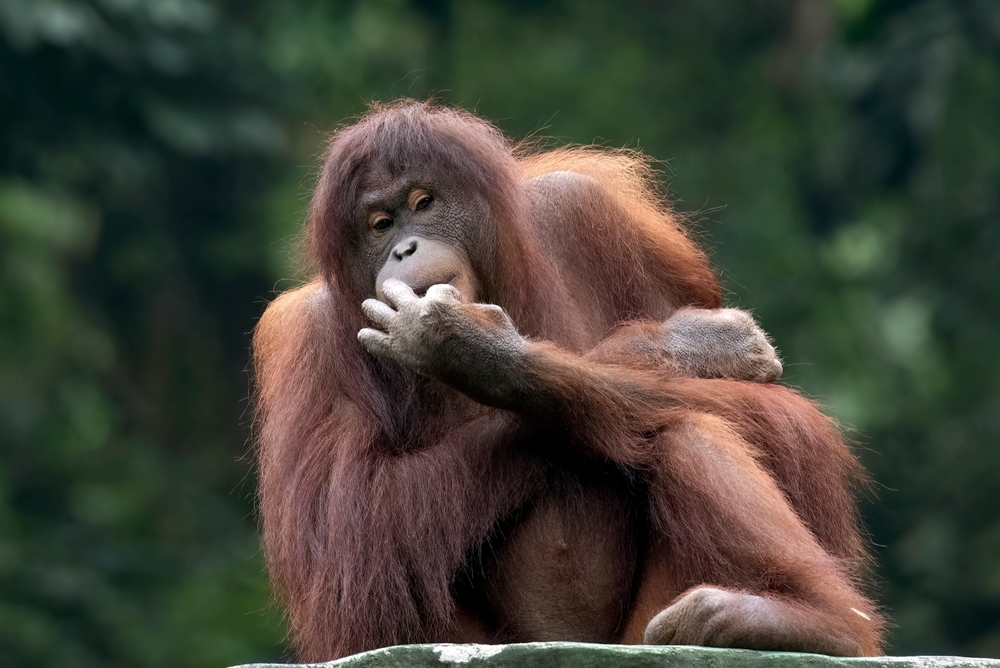
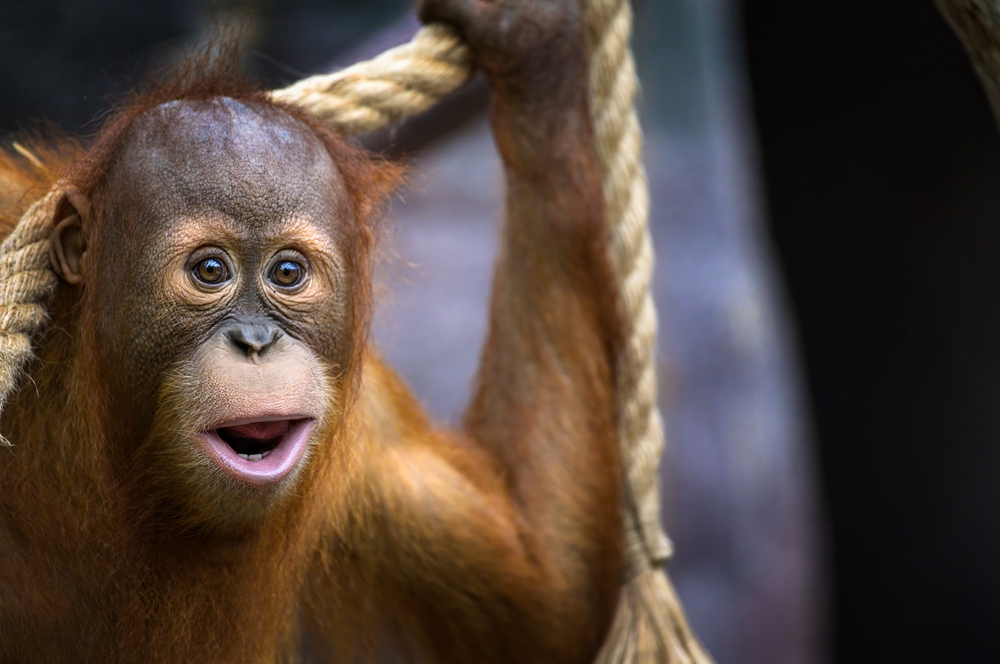
A young orangutan stepped onto a rope bridge in northern Sumatra, and a quiet camera trap captured the kind of moment conservationists spend years hoping to see.
Contents
show
The footage is simple: one endangered ape, one public road, one handmade crossing. For a species facing habitat loss, that brief journey may carry unusual weight.
The Footage Conservationists Had Been Waiting For
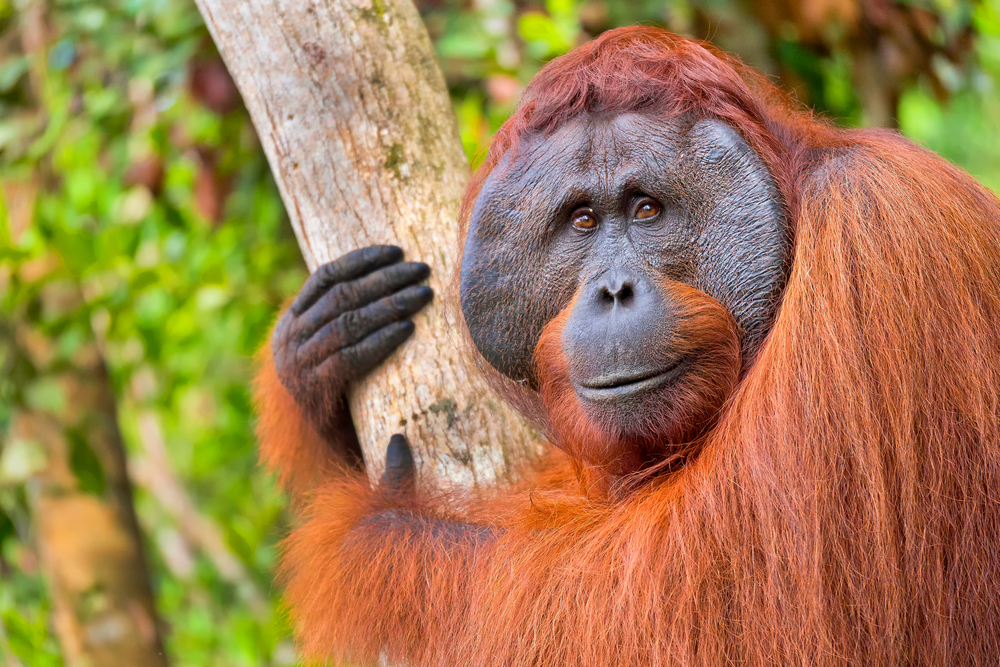
A Sumatran orangutan (Pongo abelii) has been filmed using an artificial canopy bridge to cross a public road for the first time, according to IFLScience.
The young male was recorded climbing onto the rope structure and moving above the Lagan-Pagindar road in Pakpak Bharat regency, northern Sumatra. The bridge was built to reconnect the forest canopy split by road development.
For the conservation teams involved, the footage was more than a rare wildlife clip. It confirmed that an animal known for its cautious, tree-dwelling life would use a human-built crossing when the forest around it had been cut apart.
Helen Buckland of the Sumatran Orangutan Society said: “For two years, we have watched and waited for this moment.”
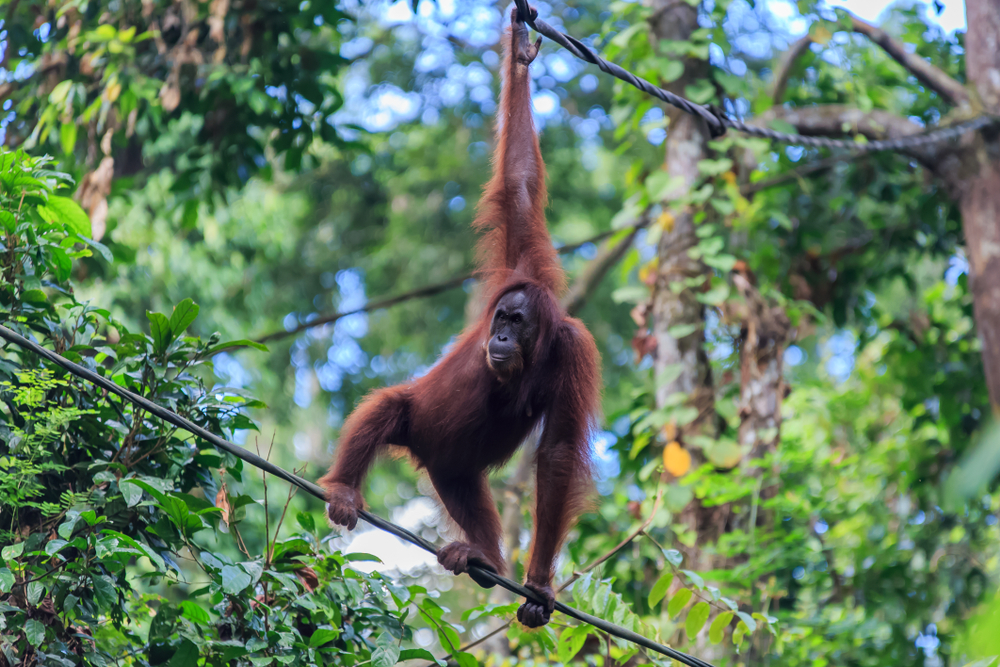
She added: “Seeing this young male orangutan confidently cross the road using the canopy bridges is a huge milestone for conservation – proving that it is possible to stitch this fragmented landscape back together.”
Why the Road Became a Serious Barrier
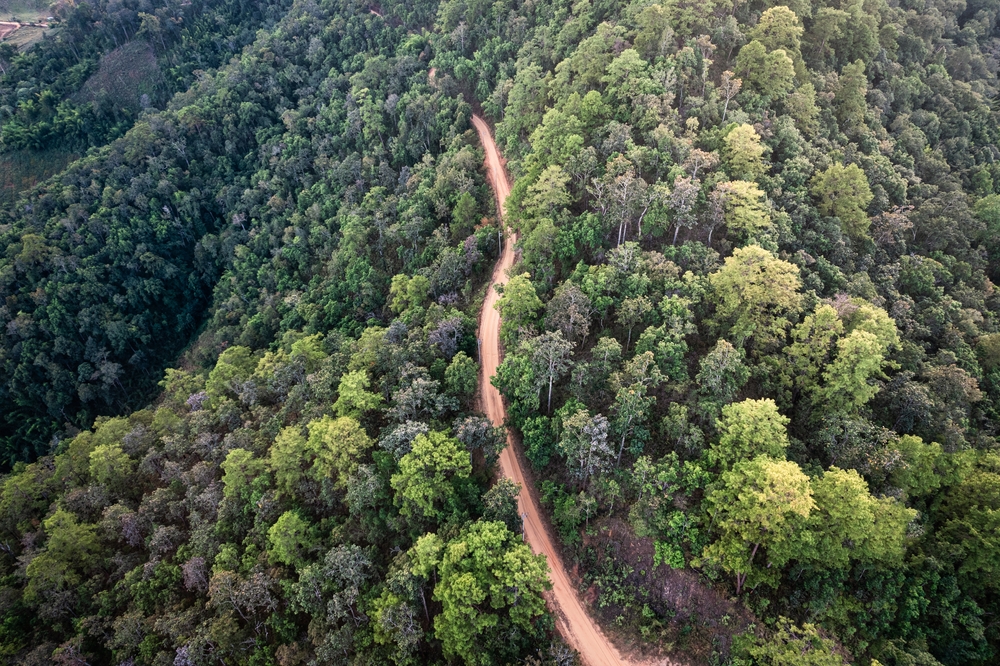
The Lagan-Pagindar road connects remote communities to schools, hospitals, and other essential services. Its upgrade in 2023 brought clear benefits for people living in the area.
For orangutans, the same road created a harder problem. It split an estimated 350 Sumatran orangutans into two separated populations, reducing the animals’ ability to move safely through their habitat.
That separation matters because smaller groups face higher risks over time. Limited movement can reduce breeding opportunities and increase the chance of inbreeding, which may weaken long-term survival.
Franc Bernhard Tumanggor, head of Pakpak Bharat regency, said: “Witnessing a Sumatran orangutan confidently crossing that bridge is living proof that we need not sever the forest’s lifeline in order to build our communities’ own.”
He added: “This is the message Pakpak Bharat wishes to share with the world: that modernisation does not have to mean destruction. Lias ate, njuah-njuah banta karina with warmth, may we all flourish together.”
How Five Rope Bridges Changed the Route
In 2024, Indonesian NGO Tangguh Hutan Khatulistiwa, known as TaHuKah, built five canopy bridges along the Lagan-Pagindar road. The group worked with the Sumatran Orangutan Society and other local partners.
Each bridge used about 200 meters of rope and took four to five days to install. Camera traps were placed nearby to monitor whether wildlife would use them.
At first, the cameras captured smaller animals. Plantain squirrels and black giant squirrels crossed the structures before several primate species followed.
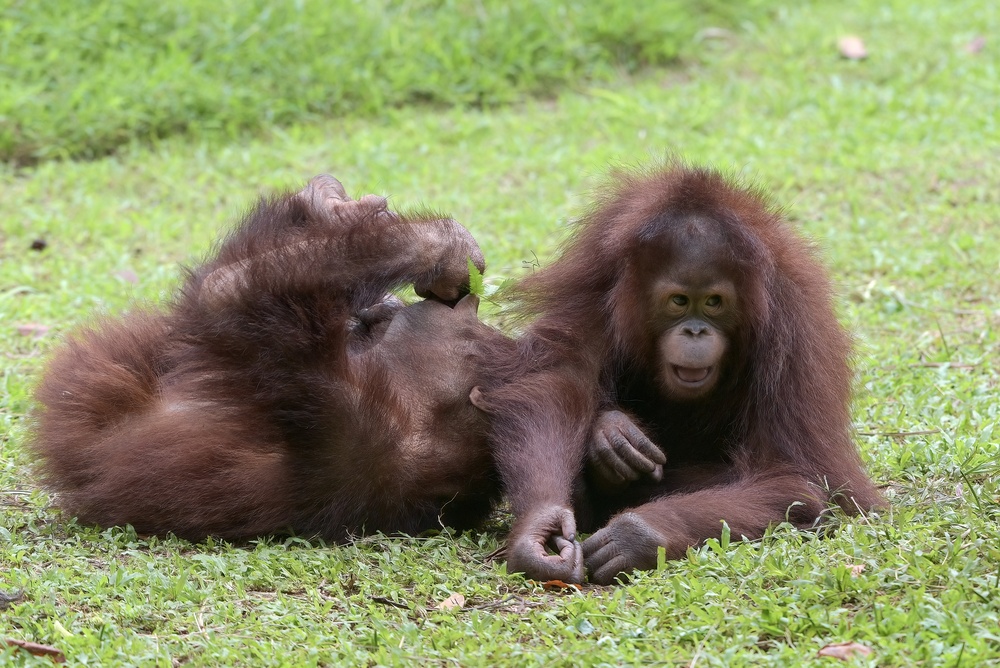
The recorded bridge users included:
- Plantain squirrels: Early users who showed that smaller arboreal mammals could adapt to the crossings.
- Black giant squirrels: Another canopy-dwelling species filmed using the bridges.
- Long-tailed macaques: A primate species later seen crossing the structures.
- Black Sumatran langurs: A local primate species recorded using the new route.
- Agile gibbons: A highly arboreal ape species also seen using the bridges.
- Sumatran orangutan: The long-awaited sighting that confirmed the bridges could work for the species they were partly designed to help.
The final entry matters because orangutans are careful learners. Their adoption of a new route can take time, especially when the structure is unfamiliar.
Why One Crossing Carries Conservation Weight
The Sumatran orangutan is listed as Critically Endangered, and its wild population remains dangerously small. The World Wildlife Fund gives an estimated population of about 13,846 individuals.
A 2016 study estimated the Sumatran orangutan population at 14,613 individuals. The researchers also warned that future land-use change could severely affect the species.
When roads split a forest, animals lose more than trees. They lose safe routes, feeding access, nesting range, and contact with other groups.
For a species with slow reproduction and long childhoods, isolation can become especially damaging. That is why a single crossing can be valuable. It suggests that a separated animal may still move between forest patches without descending to the road.
Research on artificial canopy bridges has shown similar promise for other arboreal primates. A 2020 Scientific Reports study documented the first use of an artificial canopy bridge by the critically endangered Hainan gibbon, showing how rope bridges can reconnect forest gaps for tree-living species.
The Species Behind the Viral Footage
Sumatran orangutans are among the most tree-dependent great apes on Earth. WWF notes that females virtually never travel on the ground, while adult males do so rarely.
Their lives are shaped by the canopy. They feed, rest, travel, and build sleeping nests high above the forest floor.
The species also plays an important ecological role. Orangutans eat many kinds of fruit, then move seeds across the forest through their travel and digestion.
The young male’s careful crossing fits what many observers know about orangutans. They are intelligent, observant, and slow to accept unfamiliar structures.
That caution likely made the two-year wait feel longer for the teams monitoring the bridges. The first confirmed crossing does not mean every orangutan nearby will immediately follow, but it gives conservationists visual proof that at least one understood the bridge as a route through a broken canopy.
What the Bridge Shows About Modern Conservation
The most striking part of the story is its restraint. No enormous rescue operation was needed in the footage. No dramatic chase unfolded.
A road had divided a forest. Conservationists responded with rope, careful placement, patience, and cameras.
Roads can open access to healthcare, education, and markets. They can also expose wildlife to vehicles, noise, hunting pressure, and habitat fragmentation.
For canopy animals, the problem is especially direct. A break in the trees can force an animal toward the ground, where the risks are higher.
Canopy bridges do not replace intact forest. They can, however, provide a targeted way to reduce harm while longer-term habitat protection continues.
How Readers Can Help Protect Orangutans
For many readers, the footage will be memorable because it turns an abstract conservation issue into a visible act. A single animal crossing a road can make habitat fragmentation easier to understand.
There are practical ways people can support work like this:
- Support credible conservation groups: Look for organizations working directly on habitat protection, restoration, and local partnerships.
- Choose certified sustainable products carefully: Palm oil appears in many household items, so buying from transparent supply chains can reduce pressure on forests.
- Share verified conservation stories: Accurate stories help keep attention on species that often receive coverage only during crisis moments.
- Avoid wildlife entertainment involving apes: Great apes belong in protected habitats, not tourist props or social media performances.
- Learn the local context: Roads, schools, hospitals, and conservation needs can all exist in the same story.
The final point is important. This crossing should not be flattened into a simple humans-versus-nature narrative.
The better lesson is more demanding and more hopeful: communities can build what they need while making room for the wild lives already there.
A Small Bridge With a Bigger Message
The young orangutan did not know he was making conservation history when he crossed above the Lagan-Pagindar road. He was simply moving through the forest as his species has always needed to move.

That is what makes the footage so affecting. A few ropes restored a path, and for one brief moment, the future of a critically endangered ape looked a little less cut off.