
Your cart is currently empty!
Parents With Babies in the NICU Could Soon Get 24 Weeks of Paid Leave in Colorado
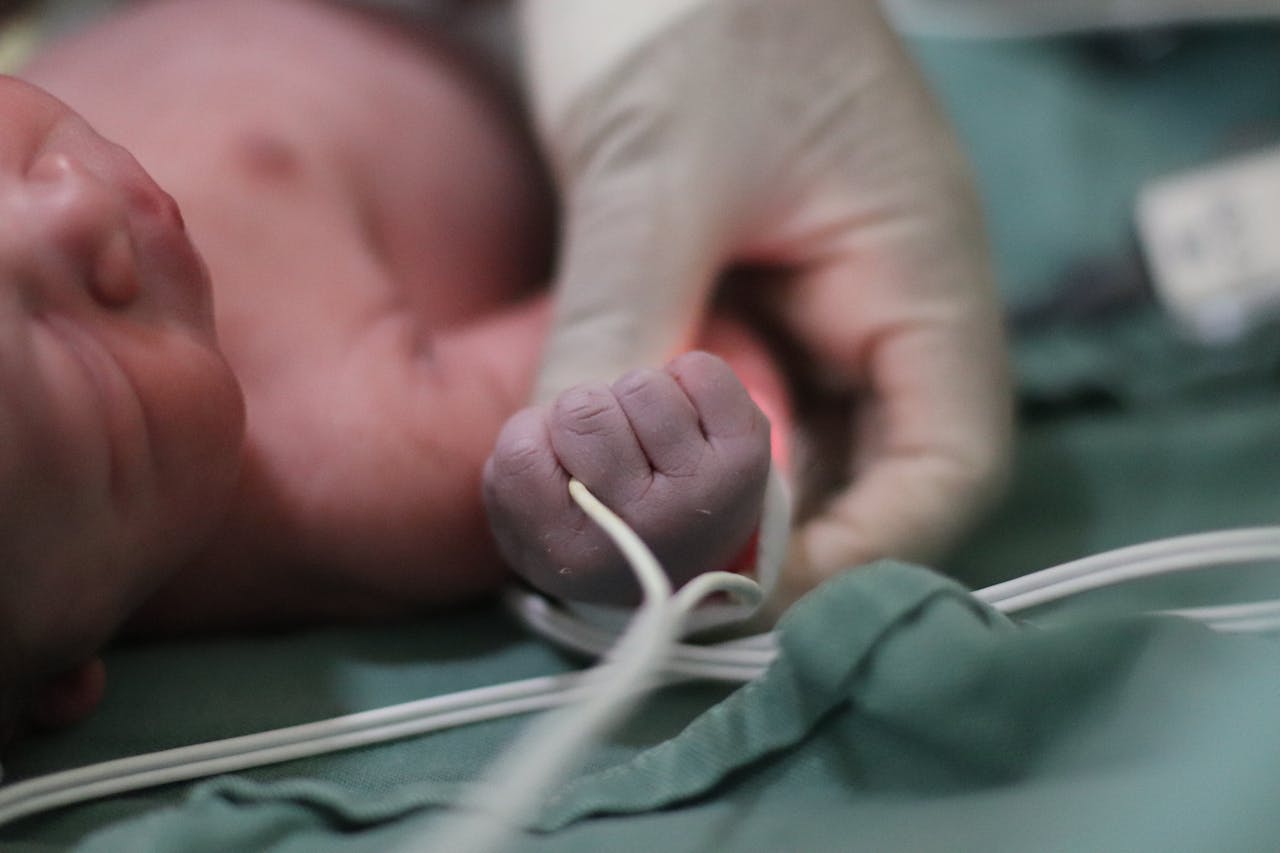
Most parents imagine bringing their newborn home within days of giving birth. For families with babies in neonatal intensive care units, those expectations can disappear almost instantly after delivery. Hospital monitors, medical updates, and emotional exhaustion often replace what should have been a peaceful beginning.
Contents
show
Colorado has now passed a law that could dramatically change how families survive those difficult months. Starting in 2026, eligible NICU parents will be able to receive up to 24 weeks of paid leave through the state’s existing family leave program. The policy is already drawing national attention because no other state currently offers this level of paid neonatal leave.
For thousands of parents, the announcement feels personal rather than political. Families who once rushed from hospital rooms to work shifts now see the possibility of staying beside their newborns without sacrificing financial stability. That emotional shift explains why the law is gaining traction far beyond Colorado.
The conversation around paid family leave has existed for years across the United States. This law changed the debate because it focuses on one of the most emotionally devastating experiences a family can face. A NICU stay is not simply maternity leave extended by a few extra weeks. It is an entirely different reality.
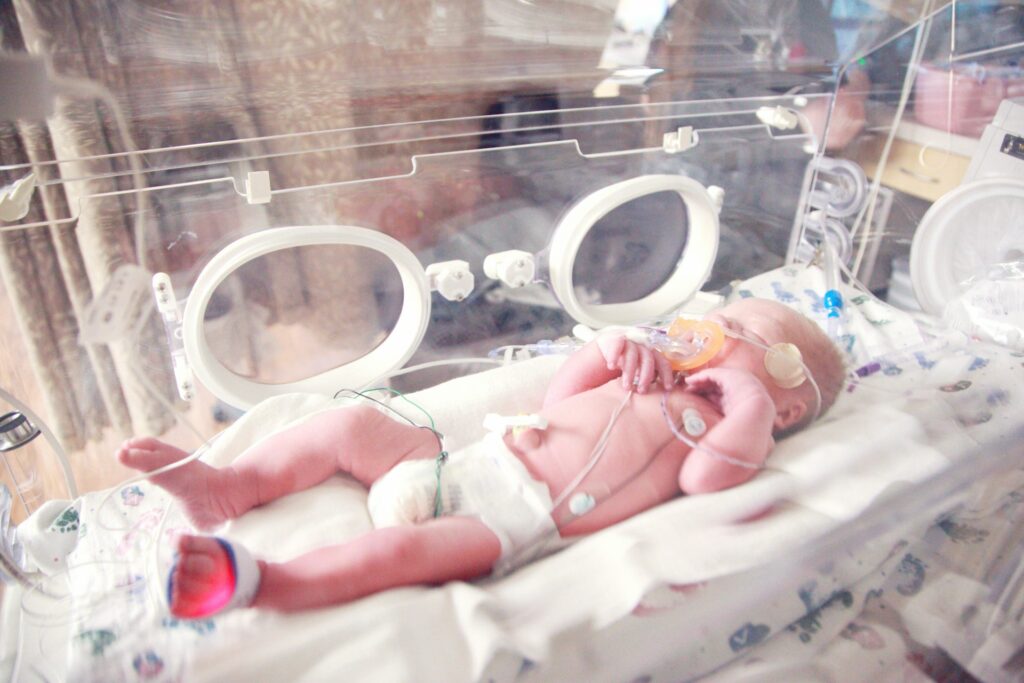
Colorado’s New Law Expands Paid Leave for NICU Parents
Colorado’s updated legislation expands benefits through the state’s Family and Medical Leave Insurance program, also known as FAMLI. Under the current structure, workers can access paid leave for family or medical situations. The new law adds another layer of support specifically for parents with newborns receiving neonatal intensive care.
Eligible families will now be able to receive an additional 12 weeks of paid leave on top of the standard 12 weeks already available through the program. That means parents dealing with long NICU stays could remain away from work for nearly six months while still receiving financial support. For many families, that timeline completely changes what recovery and bonding can look like.
The law was signed by Governor Jared Polis after lawmakers and advocacy groups pushed for stronger protections for parents facing medical crises immediately after childbirth. Supporters argued that traditional parental leave policies never accounted for babies who spend weeks or months hospitalized after birth. The state ultimately agreed that NICU care creates unique emotional and financial pressures.
Colorado officials also confirmed another important detail connected to the legislation. Workers contributing to the FAMLI program will actually see insurance premium rates slightly decrease instead of increase. That announcement surprised critics who assumed expanded paid leave would automatically create larger costs for workers and businesses.
Why NICU Families Experience a Different Kind of Parenthood
Most parental leave policies were designed around healthy births and short hospital recoveries. NICU families often experience something entirely different from that traditional picture. Instead of bringing a baby home after a few days, parents may spend months inside hospital units filled with medical equipment and emergency care teams.
Many newborns in intensive care require breathing support, feeding tubes, surgeries, or around-the-clock monitoring. Parents quickly learn medical terminology they never expected to hear while also trying to absorb updates from doctors and nurses. The emotional stress can become overwhelming because conditions often change by the hour.
The financial side of the experience creates another major burden for families. Parents frequently burn through their available leave before their baby is discharged from the hospital. Some eventually return to work while their newborn remains in intensive care because they need income to survive or want to preserve leave for when the baby finally comes home.
Families also face hidden costs that continue to build throughout long hospital stays. Transportation, parking fees, childcare for siblings, hotel stays near hospitals, and reduced work hours can create major financial pressure. Many parents describe feeling trapped between wanting to remain beside their newborn and needing to protect their household income.

One reason the legislation gained momentum was that several lawmakers understood the NICU experience firsthand. Colorado Representative Yara Zokaie publicly discussed the emotional and financial strain her family faced during her son’s hospitalization. Her story quickly became one of the defining voices behind the bill.
She explained that instead of focusing entirely on her newborn and recovery, she found herself worrying constantly about work and rent payments. That fear became part of the larger argument surrounding the law. Supporters believed parents should not have to choose between financial survival and caring for a medically fragile newborn.
Colorado State Senator Jeff Bridges also shared personal details about his family’s NICU experience while supporting the legislation. He described the situation as emotionally consuming and terrifying for parents trying to remain functional during an intense medical crisis. Those stories helped transform the debate from a policy discussion into a human conversation.
Advocates say these experiences are far more common than many people realize. Thousands of families across the United States experience premature births or medical complications requiring neonatal intensive care every year. Yet many of those parents still navigate systems that were built around standard maternity leave expectations rather than prolonged hospitalization.
Medical Experts Have Long Warned About the Emotional Toll
Doctors and NICU nurses have repeatedly emphasized how emotionally demanding neonatal intensive care can become for families. Parents often spend weeks functioning on very little sleep while absorbing complicated medical information and making high-pressure decisions. The environment itself can feel emotionally exhausting because every update carries enormous weight.
Medical professionals also stress that parental presence matters during infant recovery and development. Activities such as skin-to-skin contact, feeding support, and emotional bonding can positively affect both babies and parents during treatment. Those moments become harder to maintain when parents are forced back into full-time work schedules.
Mothers recovering from childbirth may also face additional physical and emotional challenges while trying to remain present in the hospital. Anxiety, depression, exhaustion, and emotional burnout are commonly discussed within NICU support communities. Many parents say the experience continues affecting them emotionally long after their baby finally leaves intensive care.
Non-birthing partners often carry enormous pressure as well. Many continue working full-time while balancing hospital visits, family responsibilities, and emotional support for recovering partners. Advocates argue that extended paid leave gives entire families more room to remain emotionally stable during one of the most difficult periods of their lives.

Colorado’s Decision Could Influence Other States
Employment experts and family leave advocates are closely watching how Colorado’s updated policy performs once it officially begins in 2026. Many believe the law could become a blueprint for future legislation in other states. The policy stands out because it directly recognizes neonatal intensive care as a separate category of family leave.
Several states have already expanded paid family leave programs over recent years, but Colorado’s NICU-specific approach pushes the conversation into new territory. Supporters say the structure acknowledges that intensive neonatal care creates different emotional and financial realities than standard parental leave. That distinction could influence future national discussions around family support.
Experts also point to changing public attitudes toward work-life balance and employee wellbeing. More workers now expect companies and governments to provide stronger support during family emergencies and medical crises. Businesses competing for employees may also face increasing pressure to improve parental leave benefits beyond federal minimum standards.
Illinois has already approved a separate neonatal intensive care leave policy that takes effect in 2026, although its structure differs from Colorado’s program. Employment attorneys say the growing attention surrounding NICU leave may encourage additional states to revisit existing parental leave laws. Families who have experienced neonatal intensive care are becoming increasingly vocal about the gaps they believe still exist.
The Financial Debate Around Paid Leave Is Still Ongoing
Despite widespread support from advocacy groups, debates around paid family leave remain politically complicated in many parts of the country. Critics continue raising concerns about employer costs, insurance structures, and long-term sustainability. Expanded leave programs often face resistance from groups worried about administrative burdens for businesses.
Supporters argue that family medical emergencies already create major economic consequences for workers and employers alike. Parents dealing with emotional exhaustion, burnout, and financial instability may struggle to remain productive after being forced back to work too quickly. Some experts believe stronger leave policies could improve employee retention and long-term workplace stability.
Colorado’s slight reduction in insurance contribution rates added another unexpected layer to the debate. State analysts estimate the adjusted rate could collectively save workers and employers millions of dollars. That announcement challenged assumptions that broader leave protections automatically create larger financial burdens for businesses and employees.
The broader national conversation surrounding paid leave remains far from settled. The United States still lacks universal paid parental leave at the federal level, leaving many protections dependent on state policies or employer benefits. Colorado’s law may now become one of the most closely watched family leave experiments in the country.

Families Say the Law Addresses a Real Crisis
Parents who have experienced neonatal intensive care often describe the experience as emotionally isolating and financially terrifying. Many entered parenthood expecting a standard hospital stay before suddenly facing months of uncertainty inside intensive care units. That shock can become overwhelming when combined with fears about lost income and job security.
Some families have shared stories about working remotely from hospital rooms because unpaid leave was not financially possible. Others returned to work while their newborn remained hospitalized because they needed to preserve time off for the day their baby finally came home. Those stories helped advocates explain why existing leave systems were failing many families.
NICU support organizations say parents frequently feel guilty regardless of what choices they make. Staying at work can feel emotionally devastating, while leaving work entirely may threaten financial stability. Extended paid leave cannot erase the fear surrounding a newborn’s medical condition, but advocates believe it can remove one major source of panic.
Colorado’s decision reflects a growing belief that parental leave should account for real life medical emergencies rather than ideal circumstances alone. Families facing intensive neonatal care are not simply asking for more vacation time. They are asking for enough stability to remain present during one of the hardest moments of their lives.

The Law May Change How America Thinks About Parental Leave
For years, conversations around parental leave focused mainly on maternity recovery and early bonding after birth. Colorado’s NICU legislation pushes the discussion into a different emotional and medical category entirely. The law recognizes that some families begin parenthood inside hospitals rather than at home.
That distinction matters because neonatal intensive care often reshapes every part of family life. Parents suddenly find themselves learning medical procedures, navigating emotional trauma, and balancing financial uncertainty all at once. Standard leave timelines rarely match the reality of prolonged neonatal hospitalization.
Advocates believe the law could eventually influence national expectations surrounding parental leave and workplace protections. As more families publicly share their NICU experiences, lawmakers may face growing pressure to expand support systems elsewhere. What once felt like a niche issue is increasingly being recognized as a widespread family crisis.
Colorado’s new policy will not remove the fear or heartbreak families experience inside neonatal intensive care units. It does, however, offer something many parents previously lacked during those moments. Time. For families sitting beside hospital incubators while waiting for good news, that time can mean everything.
References
- World Health Organization: WHO. (2023, May 10). Preterm birth. https://www.who.int/news-room/fact-sheets/detail/preterm-birth
- Polyniak, K., & Acevedo, P. (2025, November 5). Study of Babies Links Prematurity, Need for NICU Care with Childhood Hypertension. Johns Hopkins Medicine. https://www.hopkinsmedicine.org/news/newsroom/news-releases/2025/11/study-of-babies-links-prematurity-need-for-nicu-care-with-childhood-hypertension