
Your cart is currently empty!
Paris Official Blames Americans and Air Conditioning for Europe Heat Wave That Killed 1,300 People

A deadly European heat wave has turned a practical question into a political one: who gets to cool down, who pays the climate cost, and how should cities adapt when old weather patterns no longer hold. After Paris Deputy Mayor Audrey Pulvar pushed back against American criticism of Europe’s limited air conditioning, the debate became less about hotel rooms and more about a harsh reality.
Contents
show
Paris Pushes Back on America’s AC Critique
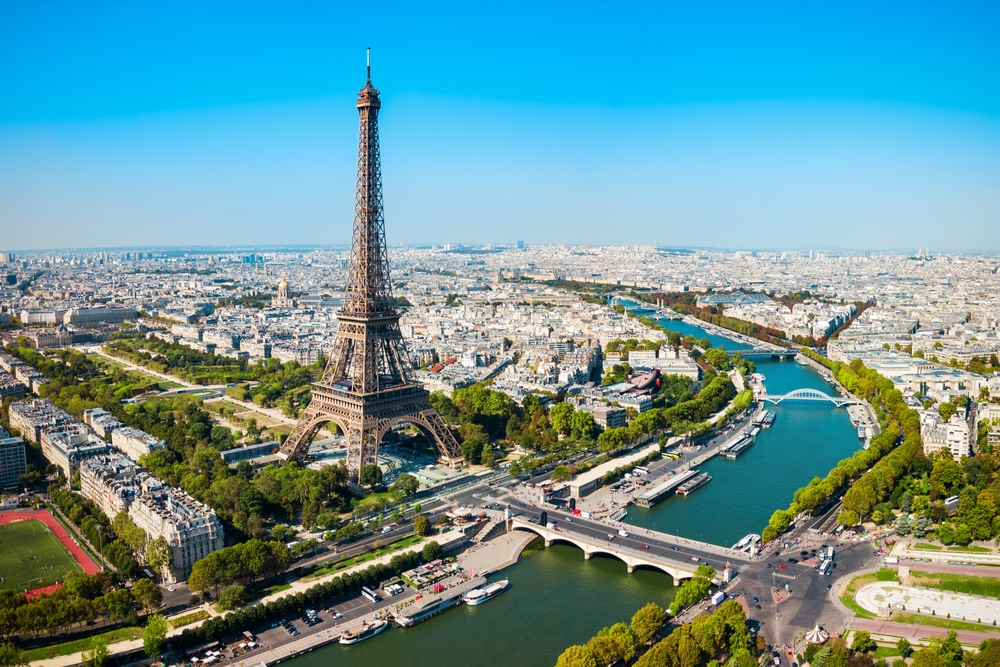
What began as a brutal stretch of extreme heat in Europe quickly became something larger: a debate over comfort, responsibility, and how cities should survive a warming world. As temperatures climbed above 40°C in parts of France, American tourists and commentators criticized Paris for its limited air conditioning, pointing to hotels, apartments, and public spaces that were not built for the kind of heat now gripping the continent. Paris Deputy Mayor Audrey Pulvar, who oversees international relations, pushed back sharply, arguing that the criticism ignored America’s larger role in greenhouse gas emissions and its heavy reliance on air-conditioned cities.
Her response was pointed, but the crisis behind it was painfully real. Reuters reported that France recorded 1,000 excess deaths during the heat wave, with officials warning the final figure was likely to rise. Most of those deaths involved people aged 65 and older, though health authorities said the effects of extreme heat were felt across the population. The French government kept its ORSAN health emergency plan at its highest level as officials prepared for the possibility of another heat-wave episode.
The argument over air conditioning highlights a deeper divide. In the United States, cooling is often treated as basic infrastructure, with about 90% of homes using air conditioning. In Europe, only about 20% of households have it, according to figures cited by CBS News, partly because many homes were designed for cooler summers, energy costs are higher, and environmental concerns have long shaped public attitudes.
World Weather Attribution found that the June 2026 heat wave was the most severe ever recorded over the studied region and would have been virtually impossible in June 1976 without today’s level of human-caused warming. The hottest daytime temperatures in parts of Western Europe are now rising at about triple the rate of global warming, while nighttime heat is also intensifying, leaving bodies less time to recover.
Wasteful Luxury or Lifesaving Tool?
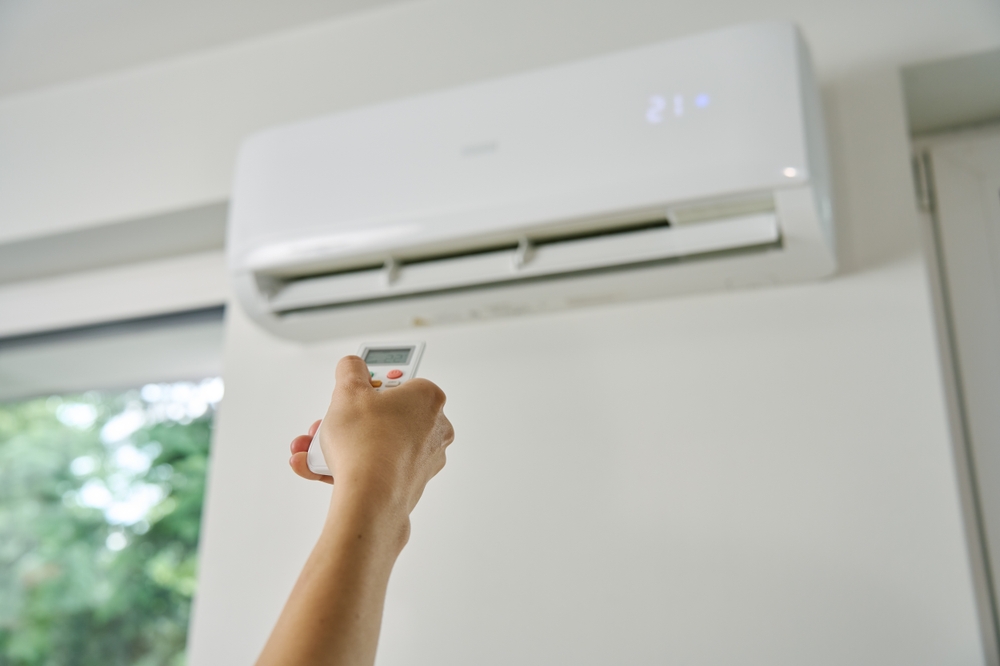
Many European cities were designed around a different climate reality. Older buildings in Paris, Madrid, Rome, and other historic centers often relied on thick walls, high ceilings, shutters, courtyards, shaded streets, and nighttime ventilation to manage summer heat. Those features worked better when heat waves were shorter, nights cooled down more reliably, and summers were less extreme.
There was also a cultural and environmental hesitation. In much of Europe, air conditioning has long been viewed as expensive, energy-intensive, and unnecessary for most of the year. In dense apartment buildings, installing units can be difficult because of noise rules, heritage protections, limited outdoor space, and restrictions on altering façades. For renters, the barrier is even higher, since permanent cooling upgrades often depend on landlords or building associations.
That history helps explain why American tourists may feel shocked by the lack of cooling, while many Europeans see widespread air conditioning as a symbol of wasteful energy use. Both reactions reflect real concerns. Air conditioning can be lifesaving during dangerous heat, especially for older adults, infants, outdoor workers, pregnant women, and people with chronic illness. At the same time, mass adoption of inefficient cooling can strain electricity grids and increase emissions if the power still comes from fossil fuels.
The practical question is no longer whether Europe can avoid cooling altogether. Increasingly, it cannot. The more urgent question is how to cool homes, hospitals, schools, care facilities, and public spaces without turning every summer heat wave into an energy crisis. That means pairing targeted air conditioning with better insulation, heat pumps, reflective roofs, trees, shaded transit stops, cooling centers, and stronger protections for people who cannot simply buy relief.
Extreme Heat Is a Health Crisis, Not Just a Comfort Problem
The argument over air conditioning can make the crisis sound like a lifestyle disagreement, but extreme heat is a medical emergency. Heat becomes dangerous when the body can no longer cool itself fast enough. Sweat helps only when it can evaporate, and that process becomes less effective during humid, windless, or prolonged heat. When the strain continues for hours or days, the risks move beyond discomfort into dehydration, heat exhaustion, heatstroke, heart strain, kidney stress, and worsening of existing illnesses.
This is why nighttime temperatures matter so much. A hot afternoon is dangerous, but a hot night can be especially punishing because the body loses its normal recovery window. People sleeping in top-floor apartments, care homes, cramped housing, or poorly ventilated rooms may go through several days without meaningful relief. For older adults, that can be especially risky because the body’s ability to regulate temperature weakens with age, and common medications can make dehydration or overheating more likely.
The danger is also unevenly distributed. Outdoor workers, delivery riders, farm laborers, restaurant staff in hot kitchens, unhoused people, infants, pregnant women, and people with heart, lung, kidney, or mental health conditions face higher risks. Low-income households may be least able to escape the heat, even when cooling options exist. A tourist can complain about a warm hotel room and leave. A pensioner in an uncooled apartment, a construction worker on exposed pavement, or a caregiver in an overheated facility may have no easy exit.
World Meteorological Organization climate information chief John Kennedy put the broader pattern plainly: “Heatwaves like this are what we expect to see in a changing climate.” The warning is not only about one summer in Paris. It is about cities built for a climate that no longer reliably exists.
The Air Conditioning Paradox
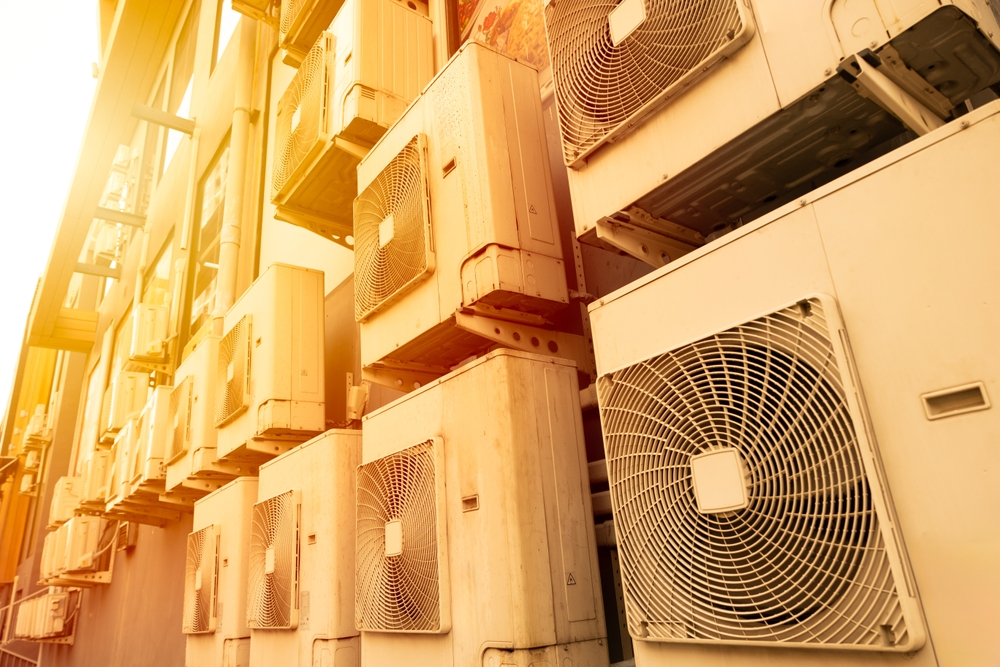
Air conditioning sits at the center of this debate because it is both a protection and a pressure point. In a dangerous heat wave, cooling can prevent illness and death. It gives older adults a safer place to sleep, helps hospitals keep patients stable, and protects workers who cannot recover from heat exposure at home. For people living in dense cities, top-floor apartments, or poorly ventilated housing, a cooled room is not a luxury. It can be the difference between endurance and medical collapse.
The problem is what happens when cooling expands without planning. Air conditioners consume large amounts of electricity, especially during the hottest hours, when many people switch them on at the same time. That surge can push power grids toward failure, force utilities to rely on fossil-fuel backup, and increase pollution if the electricity supply is not clean. The machines also release heat outdoors, which can make already dense urban neighborhoods feel hotter, particularly at street level and during still nights.
This is the contradiction Pulvar’s comments tapped into, even if the phrasing drew criticism. A world made hotter by greenhouse gas emissions now needs more cooling to keep people alive, but poorly managed cooling can add to the very problem it is trying to solve. The answer is not to shame people for wanting relief during extreme heat. It is to make cooling cleaner, more efficient, and more fairly distributed.
A Hotter World Has No Time for Old Arguments
The fight over air conditioning may have made headlines, but the real story is far bigger than a cultural clash between Europe and America. Extreme heat is no longer a seasonal inconvenience that cities can manage with open windows, shaded cafés, and old assumptions. It is a public-health threat that exposes weak housing, aging infrastructure, and the painful gap between those who can escape the heat and those who cannot.
The lesson is not that every city should copy America’s cooling habits, or that Europe should cling to a past climate that no longer exists. The lesson is that survival now requires smarter, fairer preparation: cleaner cooling, stronger heat warnings, shaded streets, retrofitted buildings, and protection for the people most at risk. A deadly heat wave should not end as an argument over who is to blame. It should become a turning point in how cities protect human life in a hotter world.