
Your cart is currently empty!
Pennsylvania Farmer, 86, Turns Down $15 Million to Save His Land From a Data Center
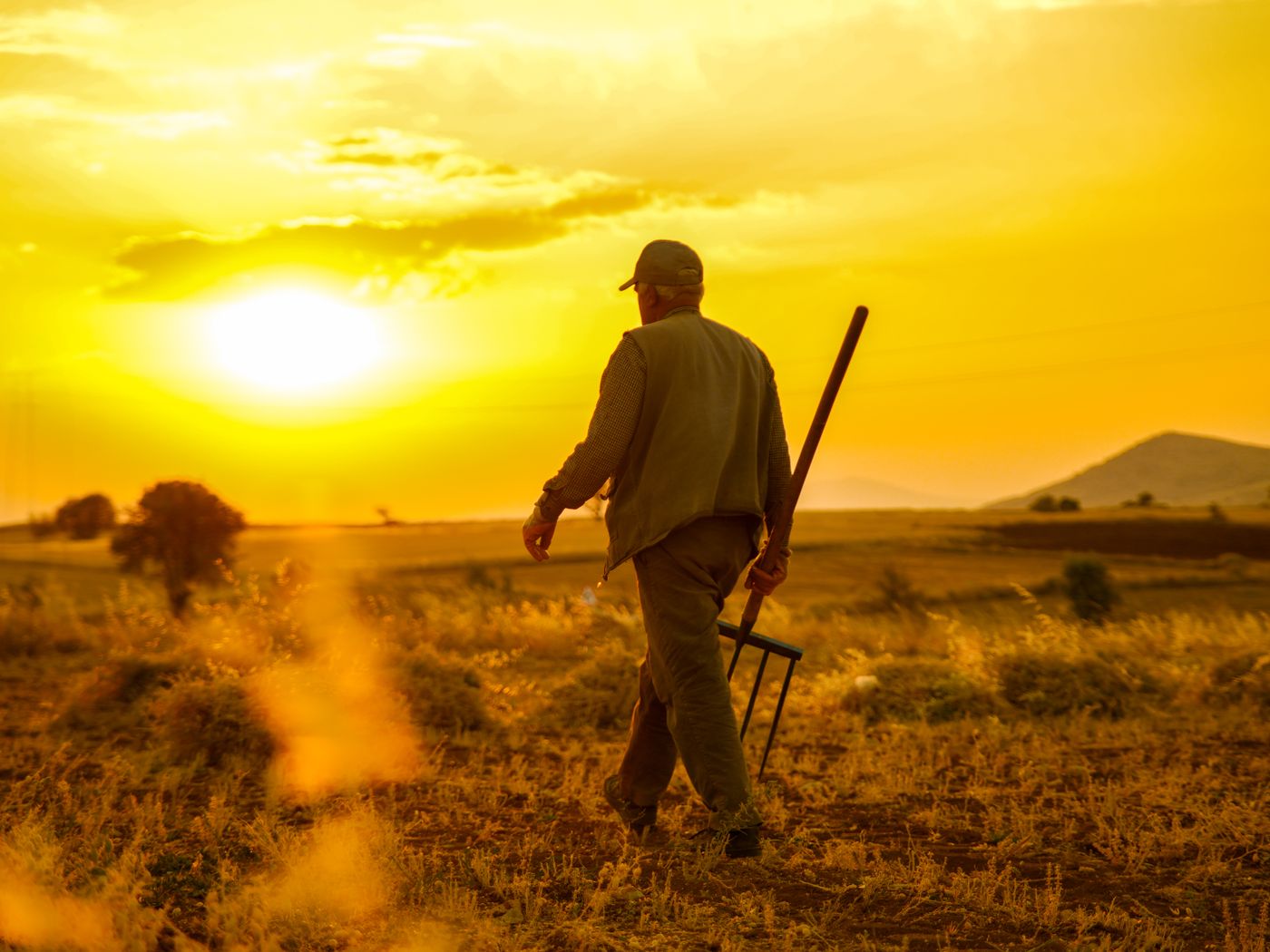
Most people would not hesitate. When developers arrived with an offer worth more than $15 million for his farmland, Mervin Raudabaugh had every reason to take the money, sign the papers, and spend his later years in comfort. At 86, with more than six decades of hard farming behind him, no one would have blamed him for cashing out.
Contents
show
He said no. The decision has since turned a quiet Cumberland County farmer into the talk of his town, but the reasons behind it run far deeper than a simple refusal of a large check. What Raudabaugh chose instead, and why he was willing to walk away from a fortune to do it, says a great deal about what he values, and about a worry he carries for the future of farming in America.
The Offer He Walked Away From
The proposal that landed on Raudabaugh’s doorstep was substantial by any measure. Developers offered him $60,000 per acre for his 261-acre property in Silver Spring Township, an arrangement that added up to more than $15 million. The offer came as part of a package deal involving three neighboring property owners, with his land slated to become the site of a data center.
For most sellers, a figure like that would settle the matter on its own. For Raudabaugh, the money was almost beside the point.
“I was not interested in destroying my farms,” he told Fox 43. “That was the bottom line. It really wasn’t so much the economic end of it. I just didn’t want to see these two farms destroyed.”
That sentiment, placing the fate of the land above its market value, became the foundation of everything that followed. The developers were offering wealth. What Raudabaugh weighed against it was something he had spent his entire life building.
Six Decades Rooted In The Same Soil
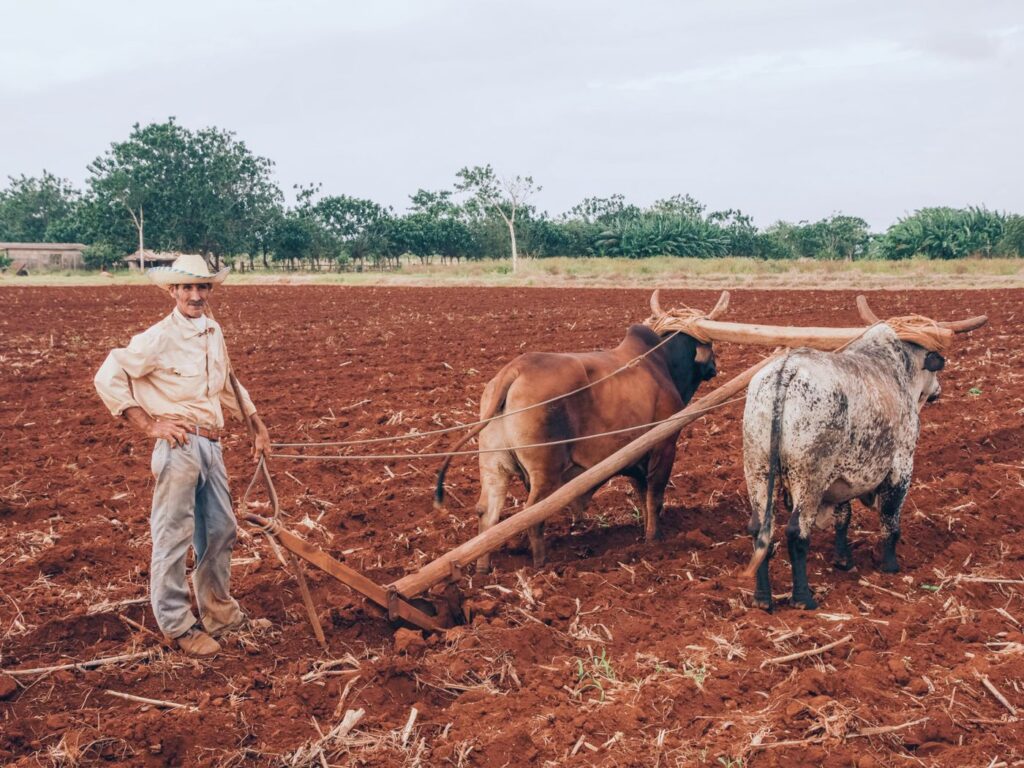
To understand the refusal, you have to understand how much of Raudabaugh’s life is bound up in that ground. He has farmed in Silver Spring Township for more than 60 years, and he milked cows on the property for 51 of them. The land is not simply where he works. It is where his story took shape.
The most profound chapter of that story unfolded in the mid-1950s, when his mother died in his arms in a barn on the property. He was a junior in high school at the time, and her death forced him to lean into farming to take care of his family while he was still a teenager. The responsibility came early and it came hard, though he tells it with the easy humor of a man long at peace with his past.
“I was responsible for milking those cows before I went to high school. And I missed 31 days my senior year, and they never missed me. I was that popular. Just kidding,” Raudabaugh said, before adding simply that he loved it.
The same home would later become the place where he and his late wife, Anna Mae, raised their four children. Decades of family life, loss, and labor are layered into the property, which helps explain why no dollar amount could quite compete with what it meant to him.
Why He Said No
Sentiment alone, however, does not fully account for Raudabaugh’s decision. His refusal was rooted just as much in a concern that reached beyond his own fence line, toward the future of farming itself. As he watched development creep across his region, he came to see preservation as something close to a duty.
He worries that the land being saved today may be the only land left tomorrow. Everything else, he fears, will eventually be paved over and built upon, leaving preserved farms as rare islands in a sea of construction. That concern weighed on him as heavily as any personal attachment, and it shaped his sense that turning down the offer was not just a private choice but a small stand for something larger. The American farm family, in his view, is facing a genuine threat, and he was unwilling to add his own land to the losses.
The Deal He Took Instead
Refusing the developers did not mean Raudabaugh simply held onto his land and walked away. He took a deliberate alternative path, one that locks in the farm’s future permanently. In December, he sold the development rights to his property for just under $2 million to the Lancaster Farmland Trust, a nonprofit that holds and enforces the easement and guarantees the land can never be used for any purpose other than farming.
The mechanics of the arrangement matter because they reveal the scale of the sacrifice. Raudabaugh can still sell the land itself one day, but only to a buyer who will keep it as farmland. Even factoring in that potential future sale on top of the preservation payment, he is likely to end up with less than half of what the data center developers were offering. He understood that trade-off and accepted it anyway, choosing a permanent guarantee for the land over a far larger sum that would have erased it.
When asked why he made the deal with a conservation group rather than the developers, he pointed to a value system that placed the land’s integrity above his own enrichment.
“I love this land. It’s been my life,” Raudabaugh said. “And I realized … if it wasn’t built on or dug up, another set of families could live here and that’s what I wanted to do. And I got it done. And I’m happy.”
How The Preservation Deal Came Together

Behind the clean outcome was a more fraught process, and Raudabaugh was under real pressure as it played out. According to Laura Brown, coordinator of the township’s land preservation program, the developers were pursuing him so persistently that, in his view, it amounted to harassment, to the point that his attorney was weighing legal action against them.
That pressure is what set the rescue in motion. Brown reached out to Jeb Musser at the Lancaster Farmland Trust to ask whether the organization would be interested in preserving the property, and the response was immediate enthusiasm. Musser, the trust’s vice president of land protection, noted that the board was more than supportive once Brown made contact, and that the farms met all of the organization’s criteria for the kind of good farmland worth preserving. What might have ended as a reluctant sale under sustained pressure instead became a coordinated effort to keep the land intact, with the township compensating the trust to hold and enforce the easement.
The Program That Made It Possible
Raudabaugh’s stand was enabled by more than his own resolve. It rested on a community that had already decided, years earlier, to put its money toward protecting open land. Silver Spring Township is one of four municipalities outside the Philadelphia area where voters chose to dedicate part of their income taxes to purchasing development rights from local landowners.
The commitment is modest at the household level but meaningful in aggregate. It costs the average household roughly $120 each year, and through that shared investment, residents have preserved 21 properties since 2013. The township’s Land Preservation Program, established in January 2014, was built as a proactive response to community desires to protect properties with at least 10 acres of open space, woodlands, farmland, waterway protection, or wetlands. In other words, Raudabaugh’s refusal was not the act of a lone holdout but the result of a collective choice his neighbors had made long before the developers ever arrived, giving him a viable alternative to selling out.
The Land Worth Saving
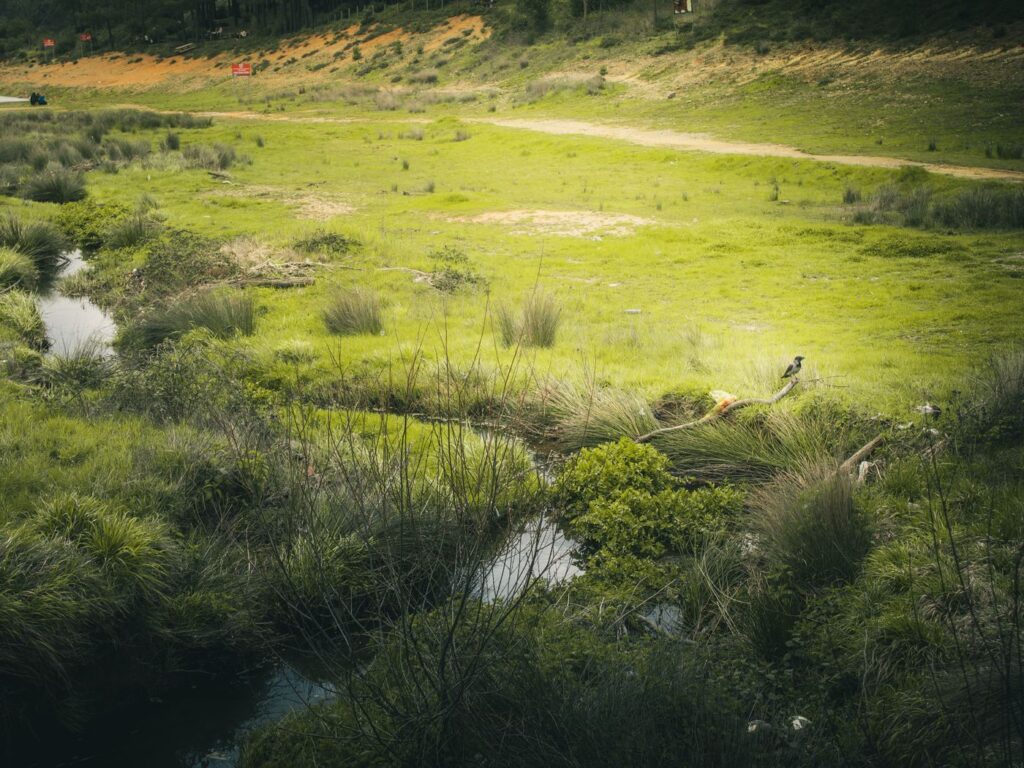
What that program preserved, in Raudabaugh’s case, is a property he describes in almost reverent terms. His land forms part of more than 1,300 acres of creek frontage, an area rich in both natural beauty and wildlife, and he is quick to point out how rare such a place is.
“You won’t find that anywhere else,” he said. “You’d have to look awfully hard to find that much good land. It’s a mecca for wildlife, and everything from deer to turtles.”
For Raudabaugh, the abundance of life on the property was reason enough to protect it. He has spoken of his respect for what he calls God’s green Earth, and that conviction sat at the core of his decision. The thought of that wildlife habitat being dug up and built over was, to him, a loss that no payment could justify, and preserving it became a way of honoring something he believed was not really his to destroy.
A Town’s Hero And A Warning For Farming’s Future
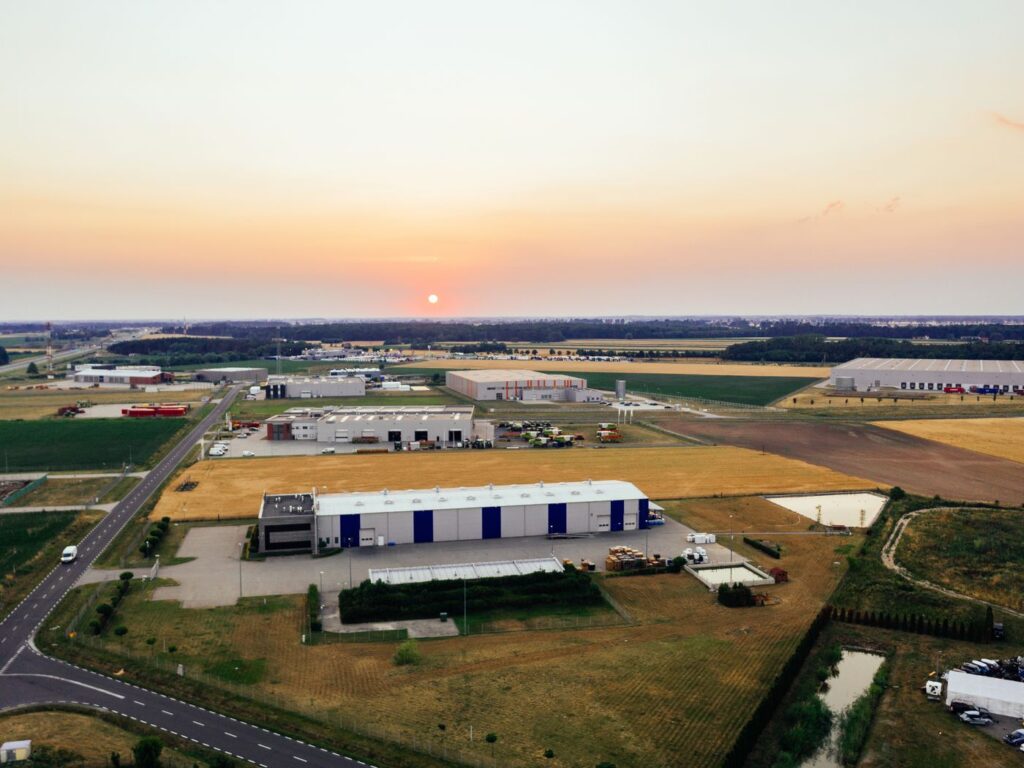
Since the deal, Raudabaugh has become something of a local celebrity, with friends and neighbors applauding what he did. Part of their gratitude is practical, since his choice preserves a view they will continue to enjoy rather than watching it disappear behind new construction. He has noted that his friends are happy with the outcome precisely because they know the surrounding beauty will remain within their sight for a long time to come.
Yet his contentment is tempered by a clear-eyed concern for everyone else. Raudabaugh worries about the data center being built in nearby Middlesex Township, about the traffic it will bring and the strain on local wildlife. He worries, too, about the way data centers are driving up the cost of land across the region. With farm retention rates dropping and equipment growing ever more expensive, he questions how family farms that lack the means to refuse such offers will manage to survive. Not every farmer is in a position to turn down $15 million, and he knows it.
His own land, at least, is no longer in doubt. The home where he raised his children, the barn where his mother died, the creek frontage teeming with deer and turtles, all of it is now secured against development, set aside for another family to farm someday. That was the outcome he wanted, and he achieved it. Standing on ground he refused to sell, Raudabaugh seems genuinely at peace, even as he looks out at a future he fears for the farmers who will come after him.
agriculture, American family farm, conservation easement, Cumberland County, data center, data center expansion, development rights, family farm, farm preservation, farming legacy, farmland preservation, Lancaster Farmland Trust, land conservation, land trust, Mervin Raudabaugh, Pennsylvania, Pennsylvania farmer, rural land, Silver Spring Township, wildlife habitat