
Your cart is currently empty!
Pentagon Quietly Updates Iran War Casualty Count as Questions Mount Over Missing Numbers
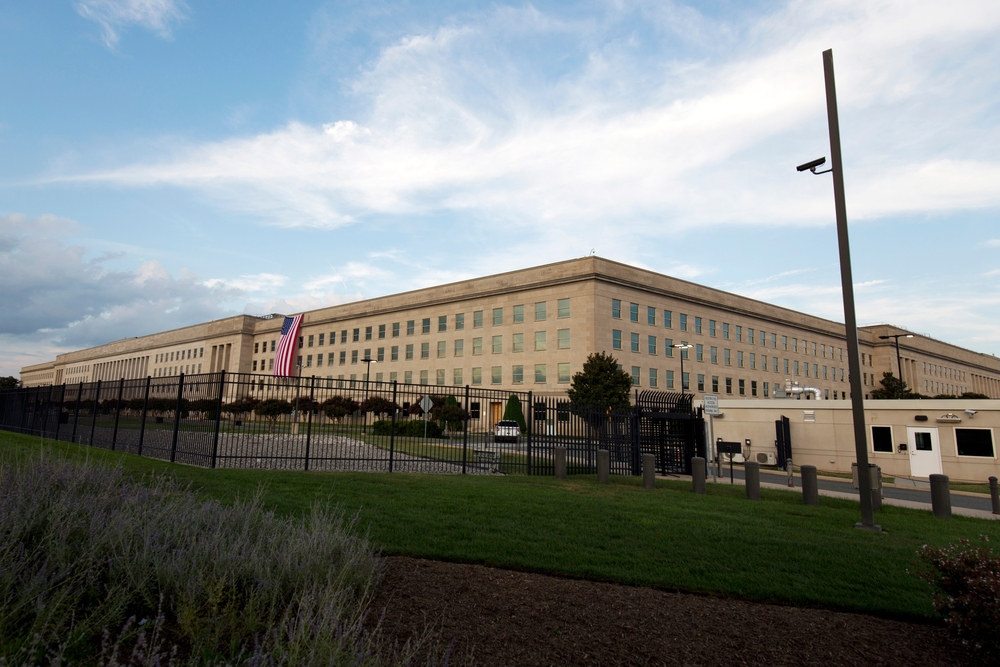
The Pentagon has quietly revised its casualty database, pushing the total number of U.S. service members reported killed or wounded during the Iran conflict above 600 and renewing scrutiny over how the Defense Department has handled public reporting. The latest update restored the deaths of four service members killed in Iranian strikes and added more than 140 newly reported injuries, marking one of the largest single increases since the conflict began. The changes arrived after days of criticism from lawmakers and media organizations, which questioned why official casualty totals had appeared to decrease even as Iranian attacks on U.S. positions continued.
Contents
show
The revised figures have shifted attention away from the battlefield and toward the Pentagon’s reporting process itself. According to the Defense Casualty Analysis System (DCAS), a new category labeled “Overseas Operations” has now been introduced to track casualties recorded since July 7. When those numbers are combined with casualties previously listed under Operation Epic Fury, the Pentagon’s own database now shows that 18 U.S. service members have been killed and another 624 have been wounded since the conflict with Iran began on February 28. The update has prompted fresh questions from Congress over whether the military is providing a complete and timely account of the human cost of the war.
Pentagon Quietly Revises Casualty Database
The updated figures appeared over the weekend after several days of public confusion surrounding the Defense Casualty Analysis System. Observers had noticed that casualty totals on the website fluctuated unexpectedly, with some numbers appearing lower despite continued reports of attacks against American forces stationed throughout the Middle East.
The latest revision reversed those declines by restoring four previously missing service member deaths while adding more than 140 wounded personnel. The increase pushed the total number of casualties well beyond the previous reported peak of 482 wounded, raising the combined death and injury count above 640 service members.
The Defense Department also introduced a new reporting category called “Overseas Operations,” covering casualties beginning July 7. Beyond that starting date, the database offers little explanation of what the category includes, leading reporters and lawmakers to seek clarification about which operations are being tracked and why the reporting system was changed during an active conflict.
Pentagon Attributes Changes to Technical Problems
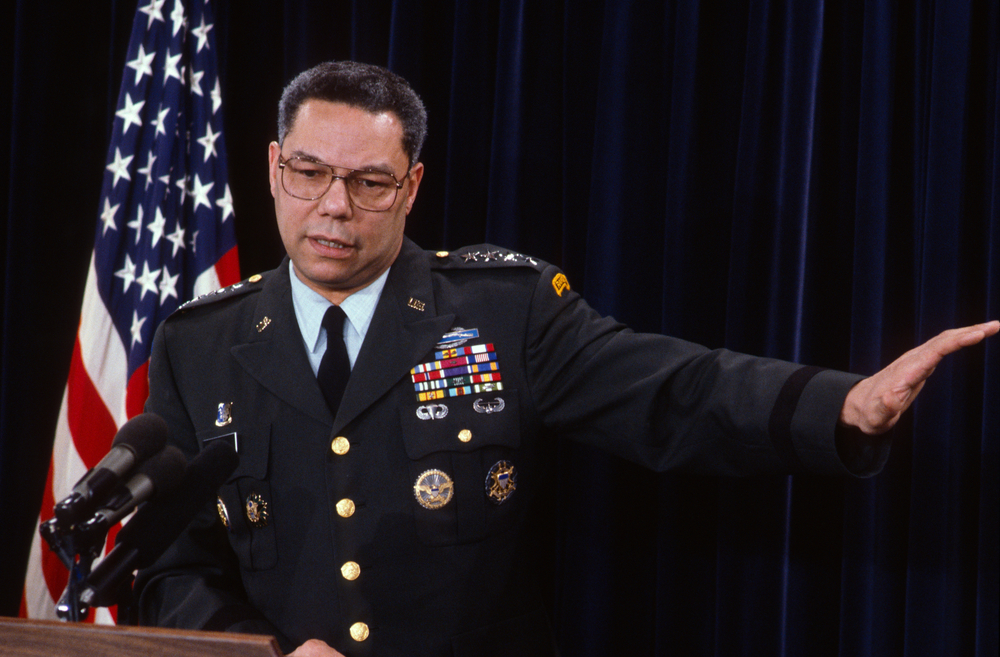
As questions mounted, acting Pentagon press secretary Joel Valdez said the discrepancies were caused by technical issues affecting the casualty database rather than attempts to alter official records.
According to Valdez, “The Department of War is aware of temporary data disruptions on the Defense Casualty Analysis System (DCAS) website. These site anomalies are currently being resolved in coordination with the Military Services.”
He also criticized reporting that highlighted the declining casualty totals, arguing that officials had attempted to explain the technical problems before the stories were published. Valdez added, “We remain committed to ensuring the utmost accuracy of all casualty reporting.”
Despite those assurances, reports monitoring the DCAS website observed casualty figures changing repeatedly over short periods, adding to concerns that the public database was failing to provide a stable and reliable picture of the conflict’s human toll.
Lawmakers Demand Greater Transparency
The reporting inconsistencies quickly drew attention on Capitol Hill, where members of Congress questioned whether the Defense Department was meeting its responsibility to provide accurate casualty information.
A group of 12 Democratic senators led by Sen. Mazie Hirono of Hawaii, a member of the Senate Armed Services Committee, sent a letter to Defense Secretary Pete Hegseth requesting answers about the handling of the casualty database and the repeated changes appearing on the public website.
The senators argued that delayed or inconsistent reporting affects both congressional oversight and public understanding of the war. In their letter, they wrote that “Delays or inconsistencies in publicly reporting these casualty figures further impede Congress’s ability to conduct oversight and limit the public’s understanding of the operation’s costs.”
They further warned that incomplete reporting could undermine confidence among military families and the American public by creating uncertainty over whether the sacrifices made by service members are being fully documented.
New Reporting Category Raises Additional Questions
One of the most significant changes in the Pentagon’s latest update was the creation of a new category within the Defense Casualty Analysis System called “Overseas Operations.” The category tracks service members reported killed or wounded starting July 7, though the database provides little additional information explaining exactly which operations or locations it covers.
The by-name casualty list included within the category identifies several service members who died during separate incidents linked to Iranian activity. Among them are three Army soldiers killed in Jordan following an Iranian strike, along with another soldier who died in northern Iraq during the controlled detonation of an Iranian drone. While those names appear in the database, officials have not publicly clarified why the new category was introduced instead of continuing to use existing reporting classifications.
The July 7 starting date has also attracted attention because it aligns with the date President Donald Trump formally notified Congress that hostilities with Iran had resumed under the War Powers Resolution. That timing has fueled additional questions from observers seeking a clearer explanation of how the Pentagon intends to organize casualty reporting for the ongoing operation.
Debate Over War Powers Continues
The casualty update has unfolded alongside a broader political debate over the administration’s interpretation of the War Powers Act. Under the 1973 law, presidents generally must end military operations within 60 days unless Congress authorizes their continuation. Administration officials have argued that an earlier ceasefire effectively reset that timeline when hostilities resumed.
Not everyone in Congress agrees with that interpretation. Several lawmakers from both parties have questioned whether restarting the clock complies with the intent of the law, arguing that Congress should play a larger role in authorizing extended military operations.
During a Senate hearing, Republican Sen. Lisa Murkowski expressed concern that the administration’s legal interpretation could weaken congressional oversight. She argued that resetting the timeline at the point when authorization becomes necessary risks avoiding the constitutional role Congress plays in decisions involving prolonged military action.
The broader legal debate remains unresolved, but it has become closely linked with concerns over casualty reporting, as lawmakers continue seeking greater transparency about both the conflict itself and the human cost associated with it.
Pentagon Says Most Injuries Were Minor
Before the latest database revision, Pentagon officials had acknowledged that nearly 100 U.S. service members had been injured since July 7. Chief Pentagon spokesperson Sean Parnell said many of those personnel were expected to recover and return to duty after receiving medical treatment.
“They are determined to get back in the fight,” Parnell said while discussing the condition of injured troops. He added that “the vast majority of injuries experienced were minor concussions,” while noting that additional casualty information would continue to be published through the Defense Casualty Analysis System.
The newest figures, however, significantly increased the overall number of wounded personnel listed in the database. While officials maintain that the reporting system now reflects the most accurate totals available, questions remain about how earlier discrepancies occurred and whether future updates will provide greater clarity for both lawmakers and the public.
Key Figures From the Pentagon Update
The revised Pentagon database reports the following totals:
- Service members killed: 18 since the conflict began on February 28.
- Service members wounded: 624 reported injuries.
- Recently restored fatalities: Four service members killed in Iranian strikes were added back into the database.
- New injuries added: More than 140 additional wounded personnel appeared in the latest update.
- New reporting category: “Overseas Operations” now tracks casualties beginning July 7.
Those figures represent the Pentagon’s most recent publicly available accounting based on the references provided. Officials have stated that further updates will continue to appear in the Defense Casualty Analysis System as casualty information is verified and processed.
Scrutiny Over Reporting Is Unlikely to Fade
The updated casualty totals may have answered some immediate questions about missing figures, but they have also shifted attention toward how the Defense Department communicates information during an active military conflict. As Congress continues seeking explanations and officials work to resolve concerns surrounding the reporting system, future casualty updates are likely to receive even closer examination.
For military families, lawmakers, and the public, casualty figures represent more than statistics. They document the lives affected by conflict and shape public understanding of the costs of military operations. With official reporting now under increased scrutiny, the accuracy and consistency of those updates will remain an important part of the conversation in the weeks ahead.