
Your cart is currently empty!
People Are Stunned After Discovering How Much One YouTube Fireplace Video Has Earned

For years, YouTube’s virtual fireplace videos have quietly flickered in the background of living rooms, offices, and hotel lobbies around the world. Designed to evoke warmth, comfort, and seasonal calm, they are rarely the subject of headlines or industry analysis. Yet one such video has recently found itself at the center of a wider conversation about digital media economics after viewers learned just how lucrative a single piece of ambient content can be.
Contents
show

The renewed attention comes after a social media user shared estimated earnings data for a long-running fireplace video, prompting widespread disbelief and fascination. What initially appears to be a simple loop of crackling flames has, according to publicly available analytics tools, generated an estimated seven-figure sum over time. The revelation has sparked broader questions about creativity, longevity, and the unexpected ways value is created in the modern attention economy.
The Enduring Appeal of Fireplace Videos
The enduring popularity of fireplace videos on YouTube reflects how audiences increasingly use the platform as a functional companion rather than a destination for active viewing alone. These videos are rarely selected for narrative interest or novelty. Instead, they are chosen deliberately to shape an environment. A looping fireplace on a television or secondary screen often serves as a visual anchor, adding warmth and movement to a space without demanding engagement from the viewer.
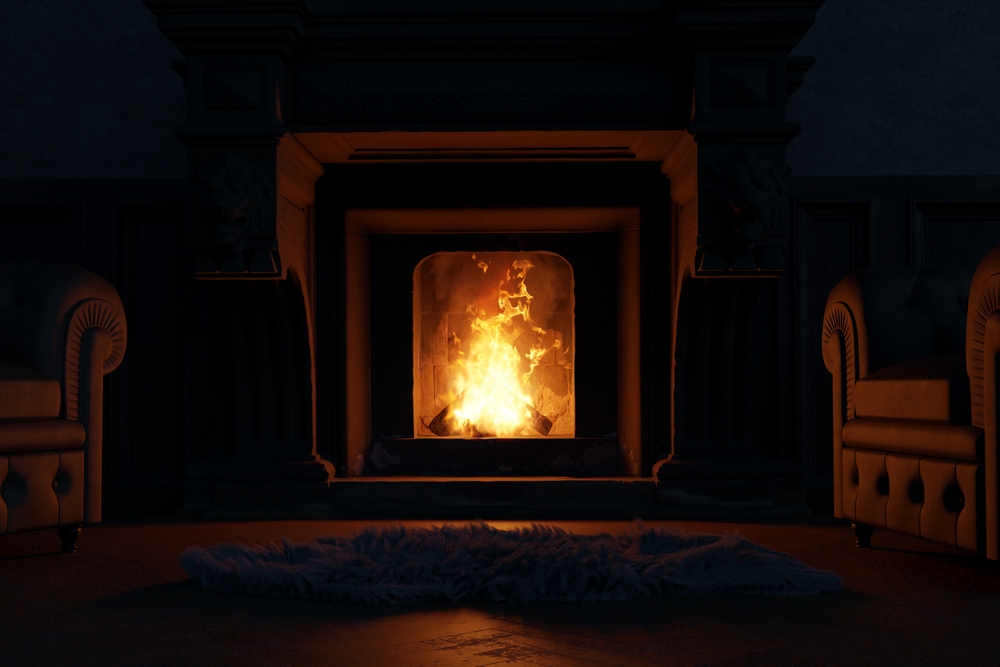
Unlike traditional entertainment, YouTube fireplace videos are designed to coexist with everyday life. They are played during family gatherings, quiet evenings at home, hotel stays, or while working remotely. Their purpose is not to capture attention but to soften a room, replacing blank screens with something that feels lived in. This quality has allowed them to maintain relevance across years of platform changes and shifting content trends.
Media outlets have repeatedly noted this shift in how YouTube is used. Reporting on YouTube’s growth as a platform for ambient and background viewing has highlighted how long running videos are often chosen to shape mood rather than command attention. Fireplace videos fit squarely within this pattern, functioning as digital atmosphere that complements everyday activity instead of competing with it.
A Single Video, Millions of Views
The specific video now drawing attention is a ten-hour fireplace recording uploaded in 2016. Over time, it has accumulated tens of millions of views, with viewership increasing steadily rather than spiking briefly and fading.
According to a post shared by X user @Jeremybtc, estimated earnings for the video sit at approximately $1.248 million. The post included a screenshot of analytics data showing a consistent upward trajectory in views and revenue since the video’s release, accompanied by the caption: “Bro is set for life.”
The response online was swift and incredulous. One user commented, “1M+ from one single vid is insane,” while another wrote, “It’s crazy how things like this can make you generational wealth.” Others remarked on the simplicity of the concept, with comments such as, “Bro posted once and retired,” and, “Crazy how the most random thing can go viral and make you rich.”
While such reactions reflect genuine surprise, they also underscore how little visibility there often is into the economics of evergreen digital content.
How YouTube Monetization Works
At the core of the fireplace video’s earnings is YouTube’s structured monetization system, which is designed to reward sustained, policy compliant viewing rather than one off virality. Creators who qualify for the YouTube Partner Programme are able to generate revenue primarily through advertising inventory that runs before, during, or alongside their videos. These include display ads, overlay ads, and skippable or non-skippable video ads, with revenue shared between YouTube and the creator based on factors such as viewer location, advertiser demand, and overall engagement.

YouTube explains that advertising revenue is generated when viewers watch ads running on videos, with earnings shared between the platform and the creator. To qualify, creators must meet eligibility requirements related to subscriber counts, watch hours, and compliance with platform policies. Those requirements are not static, and channels remain subject to ongoing review, reinforcing YouTube’s position that monetization is contingent on continued adherence to its standards.

Beyond advertising, monetization can also include revenue from YouTube Premium subscriptions. When Premium members watch monetized content, creators receive a portion of the subscription fee based on watch time. This mechanism is particularly relevant for long form videos, where extended viewing sessions can translate into consistent Premium revenue alongside advertising income. As Investopedia outlines in its breakdown of YouTube’s business model, creator earnings are influenced by a combination of ad formats, audience demographics, and viewing behavior rather than by view counts alone.
YouTube itself frames monetization as selective rather than automatic. The company states that monetization is “a privilege and reward only trusted Creators,” emphasizing that access to revenue tools depends on both eligibility and continued compliance. In practice, this structure favors content that remains advertiser friendly over time, helping explain how a single, unobtrusive fireplace video can continue generating income years after its original upload without requiring constant updates or audience reengagement.
Why Ambient Content Performs So Well
Ambient content succeeds on YouTube because it matches a specific kind of viewer intent that the platform serves exceptionally well. People often arrive with a practical goal, to make a room feel calmer, to create a sense of warmth, or to add gentle sound and motion to the background of work or downtime. That intent is different from clicking for a plot twist or a personality driven update, and it tends to produce more repeat use. Once a viewer finds a fireplace video that looks and sounds right, they return to it the same way they might return to a familiar playlist.

These videos also travel well across devices and contexts. They work on televisions as digital décor, on laptops during work sessions, and on phones in hotel rooms, where the screen can function as a mood setter rather than a focal point. Because the content is visually simple and emotionally neutral, it is broadly shareable and easy to recommend to someone else without worrying about taste, spoilers, or cultural specificity. The format asks almost nothing of the viewer, which is part of the appeal.
Another advantage is that ambient videos align with use cases that encourage uninterrupted playback, including relaxation, studying, and sleep routines. That behavior supports consistent performance over time because the value is tied to utility rather than novelty. As VICE noted in its look at the rise of ambient YouTube formats such as ASMR and lo-fi streams, viewers increasingly use the platform to curate an atmosphere, and creators who understand that demand can build content designed for repetition rather than constant reinvention.
The Myth of “Easy Money”
While online reactions often frame such success as effortless, industry experts caution against oversimplifying the process. The fireplace video in question was uploaded at a time when long-form ambient content was less saturated, giving early creators a strategic advantage.
Today, competition is far more intense. Thousands of similar videos are uploaded each year, many struggling to gain traction. Discoverability, algorithmic favor, and timing all play crucial roles in determining which content rises to prominence.
Moreover, estimated earnings figures are not guarantees. They are projections based on publicly available data and assumptions about ad rates, viewer geography, and monetization settings. Actual revenue may be higher or lower depending on numerous variables.
Longevity Over Virality in the Digital Age
Beyond the headline grabbing dollar figure, the fireplace video’s success offers a clear case study in digital longevity. In an era defined by rapid content turnover and short attention cycles, its steady performance challenges common assumptions about what it means for a piece of online media to succeed. Rather than capturing attention briefly and fading, the video has accumulated value gradually over nearly a decade, driven by consistency and everyday usefulness rather than cultural buzz or meme cycles.
This kind of endurance invites broader reflection within the media industry. For creators and observers alike, it raises questions about sustainability and strategy. Is long term relevance ultimately more valuable than momentary virality. Can content built around utility and atmosphere coexist with personality driven branding that dominates much of the creator economy. The fireplace video suggests that both models can exist side by side, serving different audience needs and time horizons.

The implications extend beyond creators to audiences as well. Content that functions as background or atmosphere may feel inconsequential, yet it participates in complex economic systems that reward attention in all its forms. Each hour long video playing quietly in a corner of a room contributes to an ecosystem shaped by advertising, subscriptions, and platform incentives. In that context, the quiet success of a fireplace video becomes less an anomaly and more a reminder that digital value is not always loud or fleeting, and that longevity itself can be a meaningful measure of impact.
A Quiet Success Story
The fascination surrounding the fireplace video’s earnings ultimately reflects more than curiosity about money. It speaks to a shifting understanding of creativity and value in the digital age. Not all success is loud, controversial, or personality-driven. Some of it flickers quietly, accumulating warmth and worth over time.
As YouTube continues to evolve and the creator economy matures, stories like this challenge preconceived notions about what it means to “make it” online. In the glow of a virtual fire, viewers are reminded that even the simplest ideas, when aligned with audience needs and platform dynamics, can leave a lasting impression.