
Your cart is currently empty!
People are stunned as Bill Gates’ 15 major predictions from 25 years ago have all become reality

In 1999, Bill Gates made a series of predictions that seemed to some like the musings of a visionary – but now, 25 years later, they’ve become undeniable truths. Imagine someone predicting, with astonishing accuracy, how the world would look in the future – from the way we work to how we stay connected, and even the way we care for our health. A world where almost everything we do is digitized, where information flows faster than ever, and where technology has not just transformed industries but reshaped lives.
Contents
show
Back then, the internet was still in its infancy, mobile phones were clunky, and the concept of cloud computing sounded like science fiction. Yet, Gates foresaw the seismic shifts that were about to occur. From the rise of e-commerce giants like Amazon to the integration of smartphones in our pockets, his predictions have materialized in ways that seem almost too accurate to believe.
As we step into a world where technological and social change move faster than ever, it’s worth taking a moment to look back at the clarity with which Gates understood the forces shaping the future. His predictions weren’t just a glimpse into tech trends—they were a roadmap to the world we live in today.
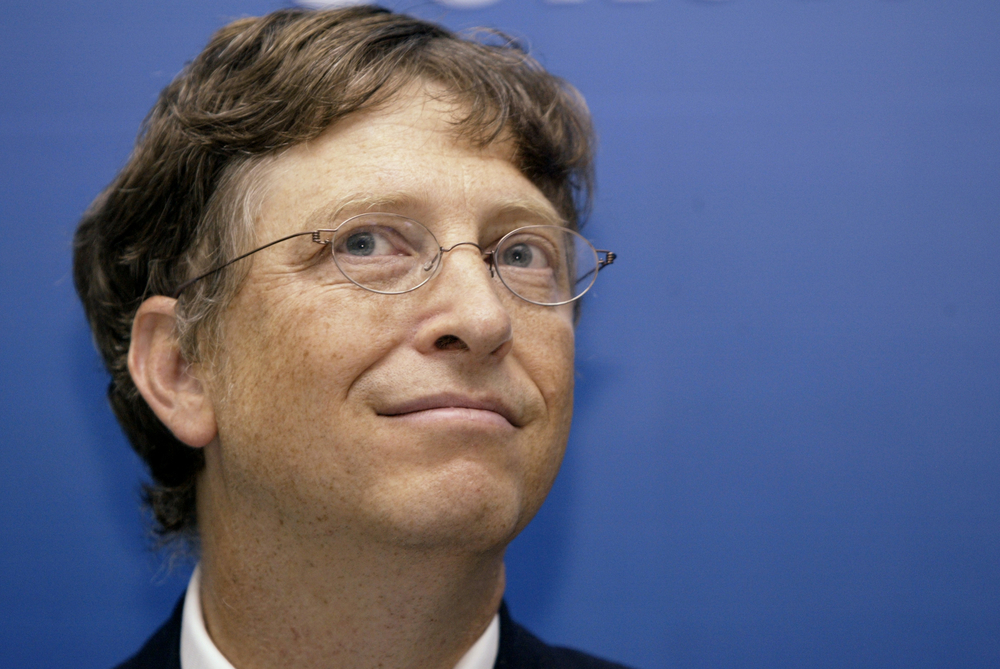
A Look Back: Bill Gates’ Vision for the Future
In 1999, when Bill Gates penned his reflections on the future, the tech world was on the cusp of a massive transformation. Gates, already a household name thanks to Microsoft’s success, was known not only for his business acumen but also for his uncanny ability to spot emerging trends. At that time, the internet was still in the early stages of becoming the global force it is today, and personal computing was far from the ubiquitous presence it has since become. Gates wasn’t just predicting the next breakthrough; he was foreseeing the fundamental shifts that would reshape the way we live, work, and communicate.
The context of these predictions is important. Gates made them at a time when the digital revolution was still in its infancy. While many were still navigating dial-up internet connections and wondering whether personal computers could be more than just office tools, Gates was already imagining a world where the internet connected us in ways that were previously unimaginable. He saw beyond the technology itself to the broader societal changes it would bring. His predictions were grounded not just in technological advances but in the way they would fundamentally alter the fabric of society. Gates wasn’t just talking about gadgets—he was talking about the future of human interaction.
Fast forward to today, and Gates’ predictions have proven to be more accurate than most could have expected. From the rise of smartphones and the widespread adoption of broadband internet to the expansion of e-commerce and social media, his foresight is striking. What’s even more remarkable is that many of his predictions were so precise that they left little room for doubt. Gates was able to see how technology would not only change our professional lives but also impact our personal connections, health, and even how we think about the environment.
Prediction 1-5: The Rise of the Internet and Connectivity
The first few predictions Bill Gates made were heavily focused on the internet and the far-reaching impact it would have on society. In 1999, while many people still thought of the internet as a novelty, Gates was already forecasting its dominance. He predicted the explosion of e-commerce, long before Amazon and eBay were household names, and saw how this new digital marketplace would alter the retail landscape. Gates foresaw how the internet would serve as an indispensable tool for businesses and consumers alike, revolutionizing shopping, communications, and entertainment. At the time, this was a bold vision. But as we look at the state of the internet today, it’s clear that Gates wasn’t just right—he was ahead of his time.
He also anticipated the growth of online communication, including the rapid rise of email, chat services, and video conferencing. Gates understood that the internet would go beyond just being a place for browsing and would become the central hub for social and professional interactions. This prediction has played out dramatically in the last two decades. The rise of platforms like Facebook, LinkedIn, and Zoom has redefined how we work and socialize. In a world where digital communication is the primary means of interaction, Gates’ foresight into the future of the internet was uncanny. He didn’t just see the internet as a tool for information; he saw it as the bridge between people, businesses, and ideas.
Perhaps most remarkably, Gates saw how the internet would eventually be accessible to billions of people worldwide. The expansion of internet connectivity has been nothing short of revolutionary. Gates predicted that the internet would become an essential utility, much like electricity or water, and today, billions of people are connected globally. The spread of broadband internet, mobile networks, and the rise of smartphones has made online access available even in remote corners of the globe. Gates didn’t just foresee the growth of internet users; he saw the democratization of information, the breaking down of borders, and the empowerment of individuals across the globe.
Prediction 6-10: Technology in Everyday Life
As Gates looked to the future, he recognized that technology wouldn’t just be a fixture in workplaces or businesses—it would become deeply embedded in everyday life. His vision of the future involved the proliferation of personal computers, and in particular, the rise of devices that people could carry with them. In 1999, the idea of a truly mobile computing device was still a stretch, with most people using bulky desktops or heavy laptops. But Gates predicted that small, portable devices would eventually become the norm, foreshadowing the arrival of the smartphones and tablets we now use daily. Today, our phones are far more powerful than the computers Gates had access to at the time of his predictions, and they have changed everything from how we shop to how we consume media.
The cloud computing revolution, which Gates foresaw long before its widespread adoption, is another key example of his forward-thinking predictions. He anticipated that the storage and processing power of computers would eventually move away from physical hardware and into the cloud, allowing people to access data from anywhere, at any time. Today, companies like Amazon Web Services, Google Drive, and Microsoft OneDrive are central to both personal and professional computing, making the cloud an essential part of our daily lives. Gates didn’t just predict a trend; he predicted the way our digital ecosystems would evolve, creating the foundation for the remote, work-from-home culture that has become so prevalent in recent years.
Gates also foresaw the way that software would evolve to become an integral part of nearly every product on the market. He predicted that software would be at the heart of everything from cars to appliances, ushering in the era of “smart” devices that define much of our world today. Think of smart homes, smart TVs, or even connected refrigerators that can tell you when you’re low on groceries. These innovations have made our lives more convenient, efficient, and connected, reflecting Gates’ insight into the future of technology. He predicted that software wouldn’t just be something we used on our computers—it would be the backbone of a new era of interconnected devices.
Prediction 11-15: Global Health, Environment, and Social Change
In addition to his technological predictions, Gates made several key predictions about global health and environmental challenges. He foresaw the significant improvements in healthcare, particularly with the rise of new technologies that could aid in diagnosing and treating diseases. His prediction was grounded in the understanding that advancements in biotechnology and medicine would lead to breakthroughs in fighting diseases like cancer, heart disease, and infectious diseases. Today, we are witnessing the results of these predictions, particularly with the rapid development of mRNA vaccines for diseases like COVID-19. The speed and effectiveness with which these vaccines were developed and distributed is a testament to the kind of medical breakthroughs Gates envisioned over two decades ago.
Gates also predicted the importance of addressing climate change, long before it became the central issue it is today. In 1999, the concept of global warming and environmental sustainability was still in the early stages of mainstream conversation. Gates warned that technological advancements would play a critical role in mitigating the effects of climate change, from the development of renewable energy sources to innovations in carbon capture. Today, we see how the push for renewable energy, electric vehicles, and clean technologies has gained momentum, reflecting the urgency Gates recognized all those years ago. His predictions on environmental sustainability have led to a greater emphasis on the role of technology in solving global environmental crises.
Perhaps one of the most profound aspects of Gates’ predictions was his foresight into the shifting landscape of global health and social responsibility. As Gates would go on to demonstrate through his philanthropic work with the Bill & Melinda Gates Foundation, he recognized that technology and innovation could be used to address global inequalities in health and education. His vision for global health was one where technology would help bridge the gap between wealthy and developing nations. Today, millions of people around the world have benefited from the Foundation’s work, from vaccines to sanitation projects. Gates’ understanding of how technology and social change intersect is something that continues to shape global development efforts, making his predictions not just timely, but timeless.
The Impact: How Gates’ Predictions Shaped Modern Society
Bill Gates’ predictions weren’t merely about the tech industry—they were about the way that technology would shape every aspect of society. The impact of his foresight can be seen in the way we now live and interact in a hyper-connected world. The digital economy that Gates predicted has become the cornerstone of modern economies, with tech companies driving economic growth and transforming industries at a pace that was hard to imagine two decades ago. From the global dominance of companies like Apple, Google, and Amazon to the rise of digital currencies and online platforms, Gates accurately foresaw the role that technology would play in driving business and shaping our daily experiences.
Beyond just business, Gates’ predictions have had a profound effect on how society functions. The internet has revolutionized how we communicate, breaking down geographic and social barriers to create a global network of information and interaction. Social media, e-commerce, and digital communication have all become integral to our daily lives, affecting everything from politics to personal relationships. Gates’ ability to anticipate the cultural shifts that would arise from these technological advancements shows how deeply he understood the forces shaping our future.
Perhaps the most enduring aspect of Gates’ impact is his recognition of how technology can be leveraged for social good. The philanthropic initiatives that Gates has championed through the Bill & Melinda Gates Foundation reflect his belief that technology and innovation can help solve some of the world’s most pressing challenges. Whether it’s addressing poverty, improving healthcare, or combating climate change, Gates has shown that the future he predicted wasn’t just about advancing technology for its own sake—it was about using that technology to improve the lives of people around the world. His predictions have laid the groundwork for a future where innovation and social responsibility go hand in hand.
Looking Forward: What’s Next for Bill Gates?
Looking to the future, Bill Gates continues to play a significant role in shaping global trends and challenges. Although his predictions have already made a profound impact, Gates has not slowed down in his efforts to address the world’s most pressing issues. Today, he is focused on tackling climate change, advancing healthcare, and ensuring equitable access to education. His work in climate change, particularly through the development of clean energy technologies and carbon capture solutions, reflects his ongoing commitment to addressing the challenges he saw coming decades ago.
In the field of healthcare, Gates is still an active force for change, particularly in the development of vaccines and treatments for infectious diseases. As COVID-19 demonstrated, global health is an interconnected issue that requires swift action and innovative solutions. Gates has been at the forefront of efforts to ensure that vaccines and medical treatments reach all corners of the world, not just the wealthiest nations. His continued involvement in global health initiatives suggests that the future Gates predicted is still unfolding, and he will play a key role in shaping that future for years to come.
Looking ahead, Gates is also exploring the potential of new technologies, such as artificial intelligence and biotechnology, to solve some of the most complex problems facing humanity. As we stand on the precipice of new technological revolutions, Gates’ vision will likely continue to influence the way we approach the future. His ability to foresee technological, social, and environmental trends has made him not just a successful entrepreneur but also a thought leader whose insights will continue to resonate as we move into the next era of innovation.
The Legacy of a Visionary
As we reflect on Bill Gates’ 15 major predictions, one thing becomes abundantly clear: his foresight was not just exceptional; it was transformative. Gates didn’t merely guess what might happen in the future—he carefully analyzed trends and understood the potential of technology to reshape the world. Today, we are living in the world he envisioned, from the rise of the internet to the integration of smart devices into our everyday lives. His predictions have influenced everything from business models to global health initiatives, and they continue to shape the trajectory of technological progress.
The true legacy of Gates’ predictions is not just their accuracy, but the way they’ve laid the foundation for a future built on innovation, sustainability, and global cooperation. Gates saw technology not just as a tool for profit, but as a force for positive change in the world. His predictions have not only come to fruition—they’ve propelled us toward a future where the possibilities are endless.
In the years to come, Gates’ vision will continue to inspire the next generation of innovators, thinkers, and leaders. As we face new challenges in the digital age, we can look back at Gates’ predictions as a roadmap for navigating the future with hope, ambition, and a commitment to making the world a better place.