
Your cart is currently empty!
A World-First Gene Therapy Lets a Baby Beat a Rare Disease and Take His First Steps
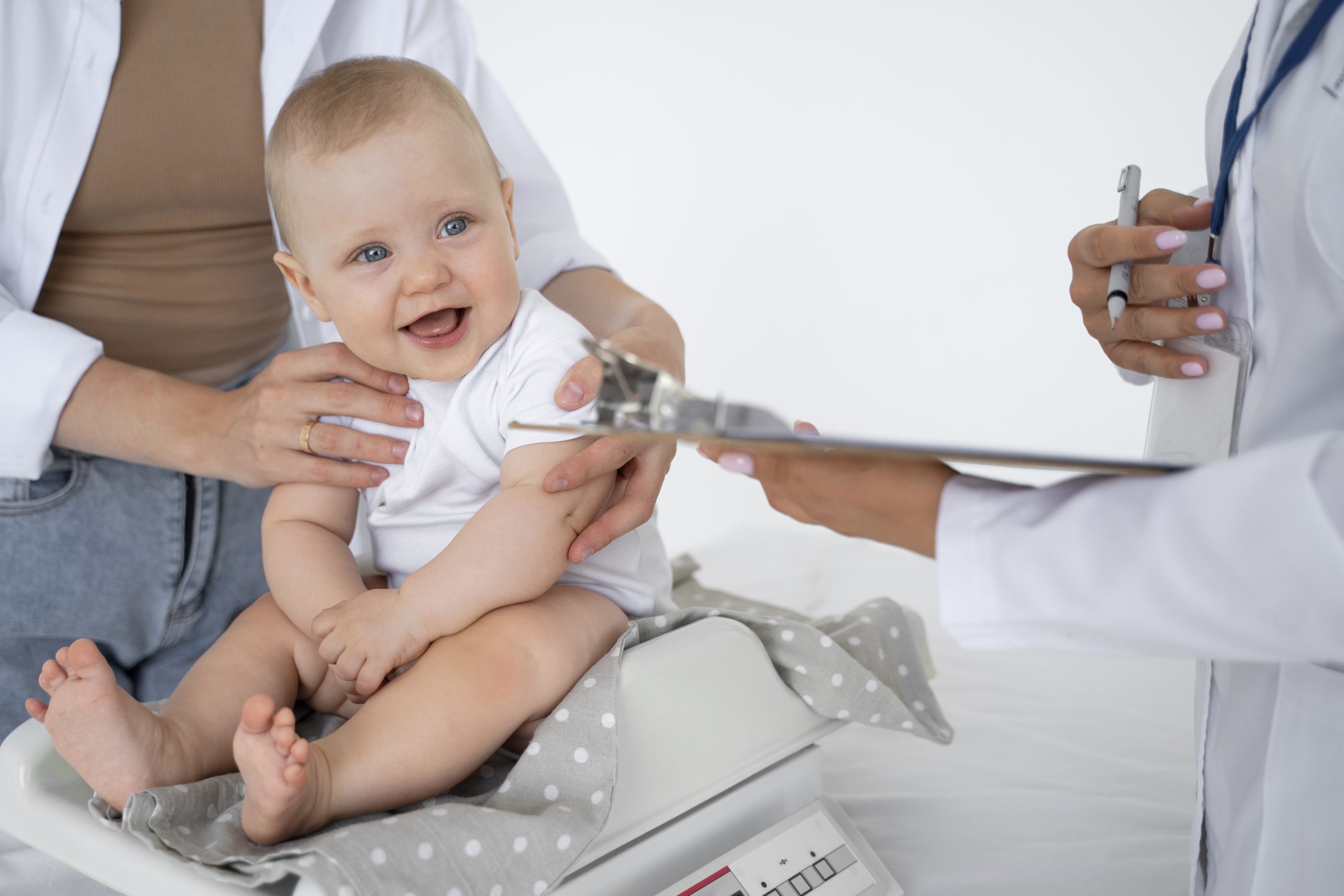
For many families, a rare genetic diagnosis feels like a map with no exit, leaving parents to navigate a medical landscape that often lacks specific solutions. When KJ Muldoon was born with a condition that turned a basic diet into a source of internal toxicity, the standard path offered little hope for long-term stability. Yet, a historic collaboration between researchers and industry partners led to a treatment designed for exactly one person. This shift toward molecular precision is currently transforming the boundaries of what is possible in modern healthcare, starting with a single child’s remarkable recovery.
Contents
show
Understanding KJ’s Rare Condition

Shortly after KJ Muldoon was born in August 2024, his parents noticed something was wrong. He was unusually sleepy and had little appetite for a newborn. Doctors soon discovered the cause: an ultra-rare genetic condition called carbamoyl-phosphate synthetase 1 (CPS1) deficiency. This condition changes how the body handles protein, turning a basic part of a healthy diet into a dangerous toxin.
When the body processes protein, it naturally creates ammonia. In a healthy person, liver enzymes turn that ammonia into urea, which leaves the body through urine. However, for infants like KJ, a missing or broken enzyme allows ammonia to build up in the blood. This toxic buildup is extremely dangerous and can lead to permanent brain damage. Tragically, about half of all babies born with this severe condition die in early infancy.
While a liver transplant can eventually cure the disease, the surgery is very difficult for a tiny newborn. Babies often have to wait until they are older and stronger to handle such a major procedure. During that waiting period, even a minor cold can cause ammonia levels to spike to life-threatening levels. Dr. Rebecca Ahrens-Nicklas, a specialist at the Children’s Hospital of Philadelphia, recognized that these children needed a faster, more direct way to fix the problem. This urgent need for a new solution led researchers to consider a bold approach: fixing the genetic mistake directly within the liver cells.
A Bespoke Solution: Precision at the Molecular Level

Standard gene therapies are typically designed to treat thousands of people with the same condition. However, KJ’s case required something entirely new: a “n-of-1” therapy tailored specifically to his unique DNA. Dr. Kiran Musunuru of the University of Pennsylvania and his team utilized a precise version of CRISPR technology known as “base editing.” This tool acts like a molecular pencil, targeting and correcting a single faulty letter among the three billion that make up the human genome.
The development process was a race against a ticking clock. Researchers estimated that creating such a therapy would normally take eighteen months, a timeline KJ likely could not survive. Through an unprecedented collaboration between academic researchers and industry partners, the team compressed this timeline into just six months. Companies worked around the clock to manufacture the specialized gene-editing components, while the medical team remained blinded to KJ’s identity to ensure their decisions were based purely on objective data.
This landmark effort, detailed in The New England Journal of Medicine, represents a shift from “one-size-fits-all” medicine to truly personalized care. As Dr. Rebecca Ahrens-Nicklas explains, while gene editing has previously targeted common diseases like sickle cell, millions of patients with rare variants have been left behind. KJ’s treatment was delivered via lipid nanoparticles—tiny fat bubbles—directly to his liver, providing a pathway to correct the enzyme deficiency without waiting for a transplant.
A Historic Procedure

In February 2025, at just six months old, KJ received the first of three scheduled infusions of his personalized therapy. Unlike traditional surgeries, this treatment was administered intravenously, with the microscopic editing tools traveling through the bloodstream to find their target in the liver. Two additional doses followed in March and April. Throughout the process, the medical team closely monitored KJ for side effects; remarkably, he tolerated the infusions with no serious complications.
The results began to manifest quickly. Within weeks, KJ’s body showed a newfound ability to process protein. His medical team reported that he could tolerate more protein in his diet and required less of the “nitrogen scavenger” medications that had previously been his lifeline. Perhaps most tellingly, when KJ caught a common cold—a situation that would have previously triggered a medical emergency—his ammonia levels remained stable. This resilience provided the first concrete evidence that the genetic “fix” was working.
After spending 307 days within the walls of the Children’s Hospital of Philadelphia, KJ finally went home in June. His departure was marked by a “clap-out” from hundreds of hospital staff who had witnessed his journey from a fragile infant to a thriving boy. Today, KJ is hitting major developmental milestones that once seemed out of reach. He has begun eating solid foods and, in a moment that captured the hearts of his caregivers, recently took his very first steps. For his mother, Nicole Muldoon, the change is profound: “He’s always smiling,” she shares, reflecting on a future that now feels wide open.
Overcoming the Hurdles to Personalized Care

The success of KJ’s treatment has sparked a vital conversation about the future of genetic medicine. While his recovery is a landmark achievement, scaling this “bespoke” approach presents significant challenges. Current gene therapies are incredibly expensive to develop, often costing millions of dollars per patient. Because each treatment is designed for a single individual’s unique DNA, the traditional pharmaceutical model, which relies on treating large groups of people to offset research costs, does not easily apply.
Economic hurdles are currently a major barrier to widespread adoption. Many biotechnology firms have recently faced financial pressures, leading to staff layoffs and the cancellation of programs for rare diseases. As Dr. Joseph Hacia of the Keck School of Medicine points out, progress often hinges on funding. However, new initiatives from the U.S. Advanced Research Projects Agency for Health (ARPA-H) are now aiming to bridge this gap, focusing on bringing precision genetic medicines to those with ultra-rare conditions who might otherwise be left behind.

Beyond the finances, the scientific community is working to streamline the regulatory and manufacturing processes. Dr. Ahrens-Nicklas and Dr. Musunuru are already preparing clinical trials to test this method in more children. The goal is to create a standardized template for gene editing that can be quickly adapted for different mutations. By proving that the process can be both safe and rapid, researchers hope to move toward a future where a child’s rare diagnosis is no longer a terminal sentence, but a solvable biological puzzle.
A Blueprint for Hope
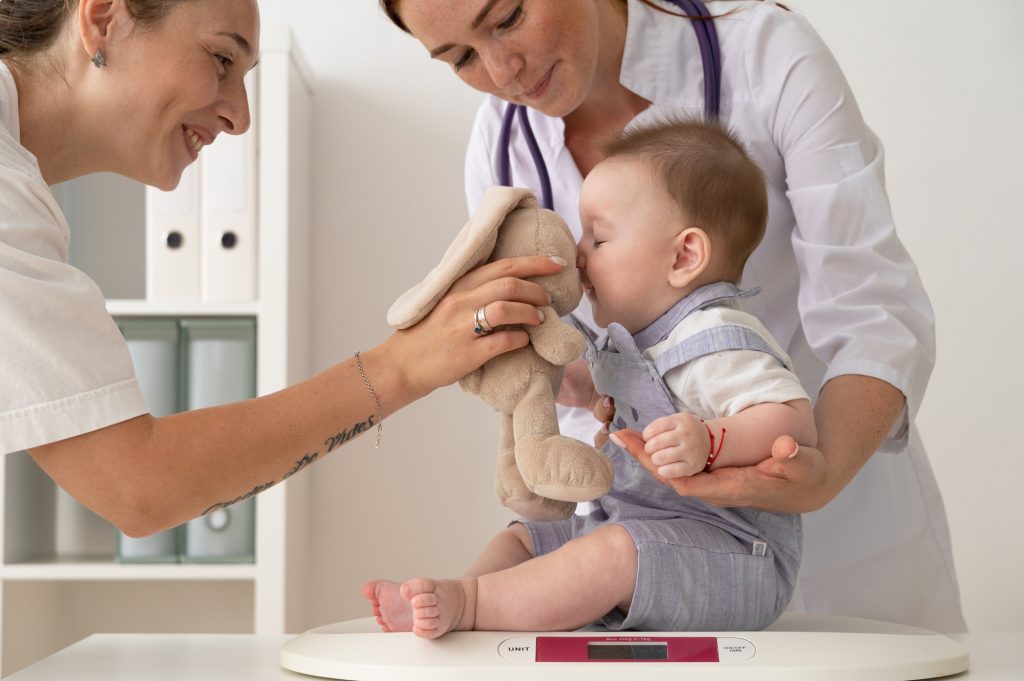
KJ Muldoon’s journey from a fragile newborn to a toddler taking his first steps is more than a personal victory for one family; it is a proof of concept for a new era of medicine. His case demonstrates that the scientific community now possesses the tools to rewrite the genetic code in real-time to save a life. This milestone serves as a powerful reminder that “rare” diseases, when viewed collectively, impact millions of people who have long waited for a seat at the table of medical innovation.
The legacy of this breakthrough depends on a collective commitment to sustain its momentum. While the scientific “how” has been established, the societal “how” remains the next great challenge. Supporting public programs like those led by the National Institutes of Health and advocating for policies that prioritize rare disease research are essential steps toward making these life-saving therapies accessible. The medical community’s goal is to ensure that the chance at a healthy life is determined by scientific possibility rather than financial privilege.
As KJ continues to grow and reach new milestones, he stands as a living testament to what is possible when curiosity, empathy, and collaboration intersect. His story invites us to reimagine a healthcare system that values every individual life, no matter how rare the condition. By investing in these precision technologies today, we are building a future where every child is given a fair shot at a healthy, vibrant life.
Source:
- Ledford, H. (2025). The baby whose life was saved by the first personalized CRISPR therapy. Nature, 648(8094), 528–529. https://doi.org/10.1038/d41586-025-03847-2