
Your cart is currently empty!
Polar Vortex in Crisis: Why Arctic Heat Means Extreme Cold
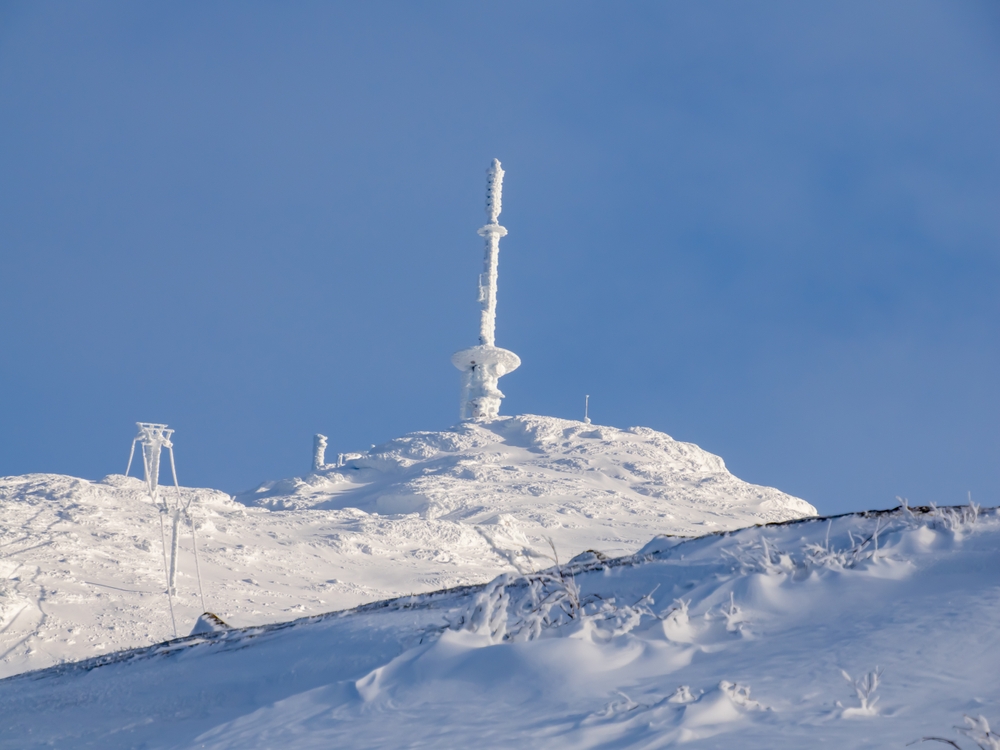
The Arctic, long regarded as a frozen bastion of stability at the top of the world, is now sending shockwaves far beyond its icy borders. Recent studies reveal that a warming Arctic is fundamentally altering the behavior of the polar vortex, a vast circulation of winds that traditionally traps frigid air in the north. This disruption is creating extreme weather events across continents, plunging regions into unexpected cold spells, while the Arctic itself faces record heat.
Contents
show
Scientists have observed that as Arctic temperatures rise, the delicate balance of the polar vortex is being disturbed. The jet stream, which guides weather patterns across the Northern Hemisphere, is becoming increasingly wavy, allowing frigid air to escape southward into North America, Europe, and Asia. This paradoxical effect, where warming in the Arctic results in colder winters elsewhere is challenging long-standing assumptions about climate and weather predictability.
The phenomenon has already had tangible impacts. Cities in the United States have faced severe winter storms that once seemed rare, while Europe has experienced unexpected snowfalls. The agricultural sector is particularly vulnerable, as crop cycles and livestock routines are disrupted by sudden temperature swings. Experts warn that without urgent action to curb greenhouse gas emissions, these extreme events are likely to intensify.
Understanding the connection between Arctic warming and the polar vortex is critical for both scientists and policymakers. The shifts in global weather patterns not only threaten human infrastructure but also exacerbate environmental crises, from ice sheet melting to permafrost thawing. By examining the mechanisms behind these changes, researchers hope to develop more accurate predictive models that can guide preparation and mitigation efforts worldwide.
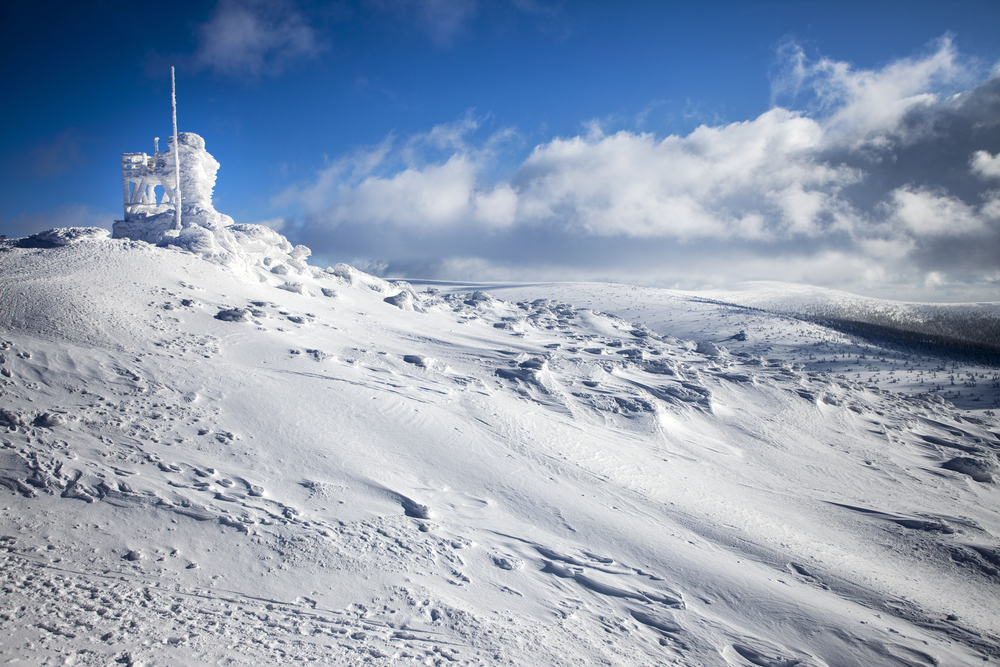
What is the Polar Vortex and Why it Matters
The polar vortex is a large-scale low-pressure system that spins counterclockwise around the North Pole, keeping the coldest air locked in the Arctic. Under normal circumstances, it acts as a protective barrier, preventing frigid air from spilling south. However, when the vortex weakens or becomes unstable, waves in the jet stream can push cold air into lower latitudes, triggering harsh winter storms.
Historically, polar vortex disruptions were relatively rare and unpredictable. Yet recent observations indicate that these disturbances are becoming more frequent and severe. According to BBC Future, a combination of Arctic warming and reduced sea ice is causing the vortex to elongate and split, creating multiple lobes that send frigid air to regions that are typically moderate in winter.
The effects of a weakened polar vortex are not limited to extreme cold. They also contribute to longer-term climate anomalies, including shifts in precipitation patterns and storm tracks. These changes can increase the frequency of flooding, droughts, and other extreme events that strain human and natural systems.
Understanding the dynamics of the polar vortex is essential for accurate weather forecasting. Meteorologists now incorporate Arctic temperature data into models to predict cold waves weeks in advance. However, the increasing volatility of the vortex poses challenges for traditional predictive methods, requiring more sophisticated climate models and global collaboration.
How Arctic Warming is Shaping Global Weather
The Arctic is warming at more than twice the rate of the global average, a phenomenon known as Arctic amplification. This rapid temperature rise reduces the contrast between polar and mid-latitude air masses, which in turn weakens the polar vortex. When this protective vortex falters, frigid Arctic air can travel southward, causing unexpected cold snaps in regions far from the Arctic.
Scientific American explains that the jet stream, influenced by the weakened vortex, develops pronounced waves or meanders. These waves allow pockets of cold air to plunge into the United States, Europe, and Asia, while warmer air from the south pushes into the Arctic. This creates a paradoxical situation where the Arctic experiences record warmth while other continents endure extreme cold.
The consequences extend beyond weather. Agriculture, energy supply, and public health are all affected. Crop yields can decline due to frost events, energy demands spike during sudden cold spells, and vulnerable populations face increased health risks. The interconnected nature of global systems means that Arctic changes can have ripple effects worldwide.
Furthermore, these shifts highlight the complexity of climate change. It is no longer a story solely about gradual warming but also about volatility, extremes, and unpredictability. As Arctic ice continues to melt and permafrost thaws, scientists warn that weather patterns will continue to surprise and challenge societies across the Northern Hemisphere.
Evidence from Recent Extreme Weather Events
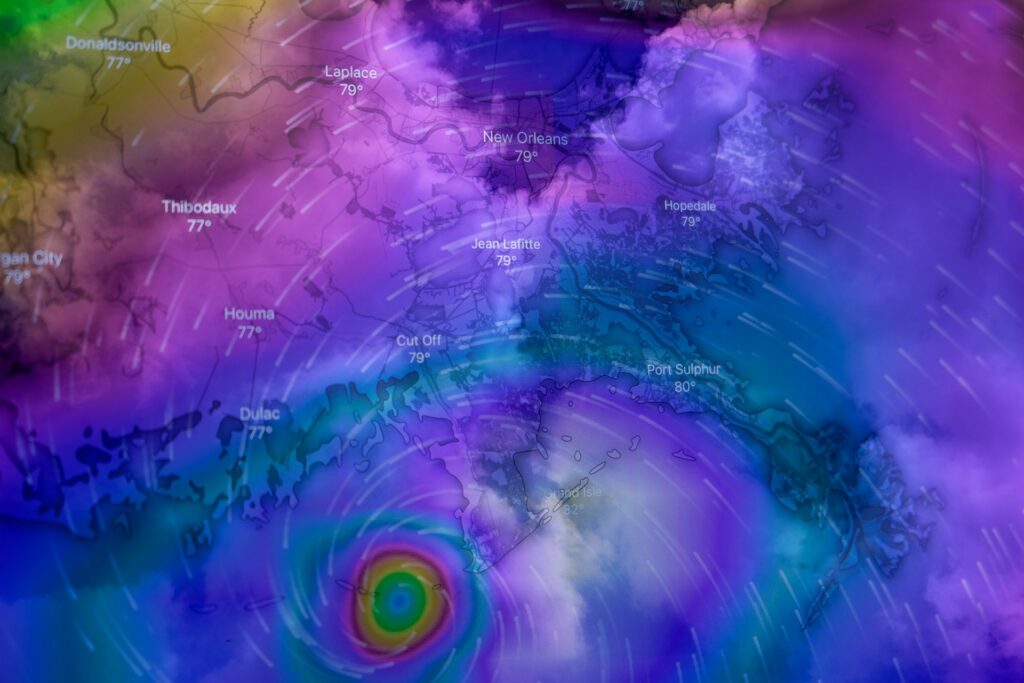
Recent winters provide clear examples of the polar vortex in action. In early 2021, the United States experienced a severe cold snap that left millions without power and caused widespread agricultural losses. Meteorologists attributed this event to a weakened polar vortex allowing Arctic air to surge south.
Europe has seen similar patterns. In parts of Scandinavia and central Europe, unseasonably heavy snowfall and freezing temperatures have occurred alongside relatively warm Arctic conditions. According to Live Science, satellite data shows that the polar vortex is elongating and splitting into lobes more frequently, creating conditions for extreme cold in mid-latitudes.
These events are not just anomalies; they are indicators of a larger trend. Climate scientists note that the frequency and intensity of polar vortex disruptions have increased over the past two decades, correlating with rising Arctic temperatures and diminishing sea ice. This pattern underscores the interconnectedness of regional and global climate systems.
Understanding these extreme weather events is critical for planning and preparedness. Governments and emergency services must anticipate sudden cold waves, adjust energy infrastructure, and develop strategies to protect vulnerable populations. The lessons from these events are clear: Arctic changes have far-reaching consequences that extend well beyond the polar region.
Impacts on Society and the Environment
The disruption of the polar vortex has tangible consequences for societies worldwide. In the United States, extreme winter weather has led to power outages, transportation disruptions, and billions of dollars in economic losses. Similarly, European nations have faced challenges in maintaining infrastructure and public services during unexpected cold spells.
Agriculture is particularly vulnerable. Frosts can damage crops, delay planting schedules, and increase food prices. Livestock is also at risk, as sudden temperature drops can lead to health problems and mortality. These impacts highlight the cascading effects of Arctic changes on global food security and economic stability.
Environmentally, the weakening polar vortex contributes to accelerated ice melt in the Arctic and changes in ocean circulation patterns. Permafrost thaw releases greenhouse gases, creating a feedback loop that further warms the planet. Wildlife is also affected, as species adapted to stable winter conditions struggle to survive in a more volatile climate.
Public health is another concern. Cold waves can exacerbate respiratory and cardiovascular conditions, particularly among the elderly and low-income populations. Emergency response systems are often stretched thin during prolonged cold events, emphasizing the need for proactive planning and investment in resilient infrastructure.
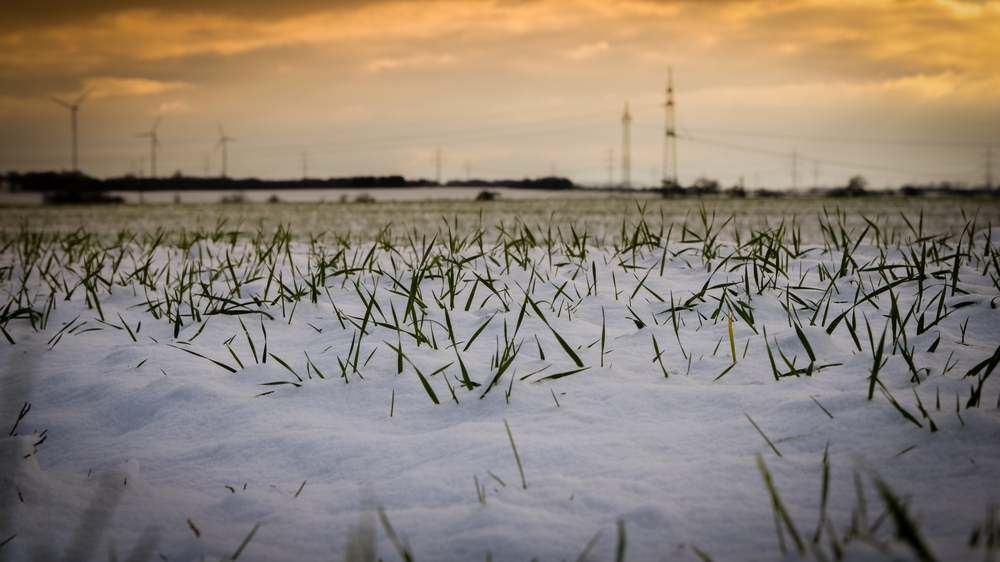
Preparing for a Future of Extreme Weather
Addressing the challenges posed by polar vortex disruptions requires both mitigation and adaptation. Reducing greenhouse gas emissions is essential to slowing Arctic warming and stabilizing global weather patterns. International cooperation on climate policies, renewable energy, and sustainable practices is critical for long-term resilience.
Adaptation strategies are equally important. Communities need to invest in infrastructure capable of withstanding extreme cold, including energy grids, transportation networks, and housing. Early warning systems, improved weather forecasting, and public education campaigns can help mitigate the human and economic toll of sudden cold waves.
Research and monitoring also play a key role. Continued satellite observations, climate modeling, and Arctic studies provide valuable data for predicting and managing polar vortex behavior. Scientists emphasize the need for a comprehensive understanding of how Arctic changes affect weather across the globe.
Ultimately, the warming Arctic and its influence on the polar vortex serve as a reminder of the interconnectedness of our planet’s climate system. Extreme weather events are not isolated incidents; they are part of a broader pattern that demands awareness, preparation, and action at every level of society.
Preparing for a Climate of Extremes
The paradox of a warming Arctic causing colder winters elsewhere illustrates the complexity of climate change. Disruptions to the polar vortex have already impacted communities, economies, and ecosystems, and scientists warn that these events will become more frequent and severe without decisive action.
Understanding the mechanisms behind polar vortex behavior is essential for building resilience and protecting vulnerable populations. By combining mitigation, adaptation, and continued research, societies can better anticipate extreme weather events and reduce their impacts.
As Arctic temperatures continue to rise, the world faces an urgent choice: act now to stabilize the climate and safeguard communities, or confront a future where deep freezes and other extreme weather events become increasingly common.