
Your cart is currently empty!
Principal Makes Split-Second Decision That Saves 900 Children Before Nepal School Is Buried
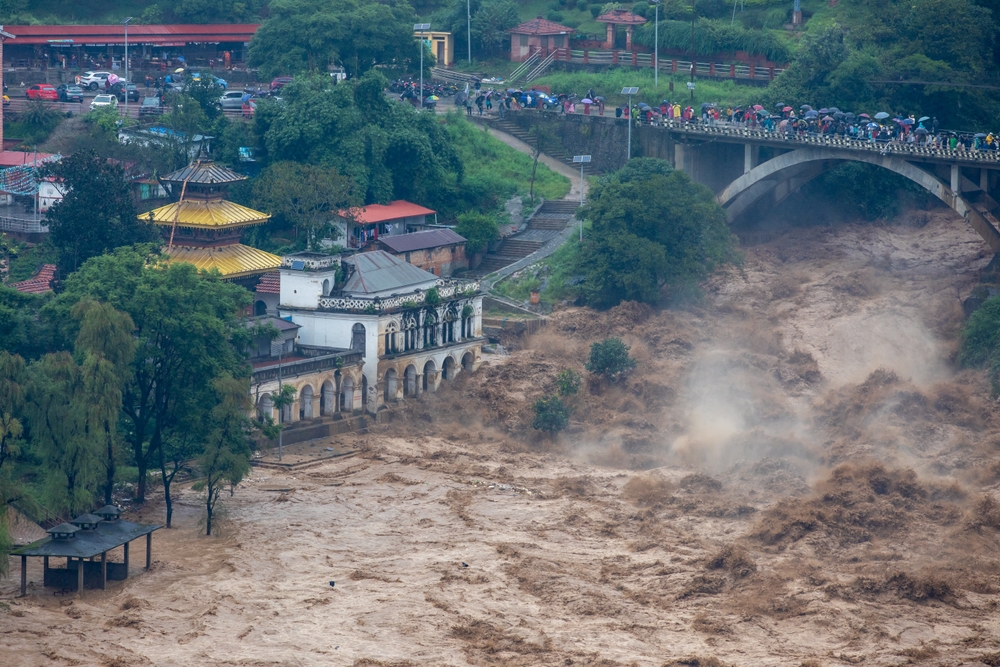
A normal school morning turned into a desperate fight for survival when devastating floodwaters began racing toward a school in Nepal. Rajendra Dawadi, the headteacher of Tribhuvan Trishuli Secondary School in Nuwakot, had only minutes to decide what to do after receiving a series of alarming warnings. Around 900 pupils were at risk, and the scale of the approaching danger was still unclear. Instead of waiting for more information, Dawadi ordered an immediate evacuation and told students to run toward higher ground.
Contents
show
His decision came just in time. Roughly 10 minutes later, floodwaters tore through the area with terrifying speed, leaving the school buried beneath mud and debris. Dawadi later reflected on how narrow the escape had been, saying: “If we didn’t make a quick decision, if it was 10 minutes later, we all, including the students and me, wouldn’t be able to speak to you today.” What began as an ordinary day of classes became a race against a disaster that would leave families fearing the worst.
Four Warnings Triggered An Immediate Evacuation
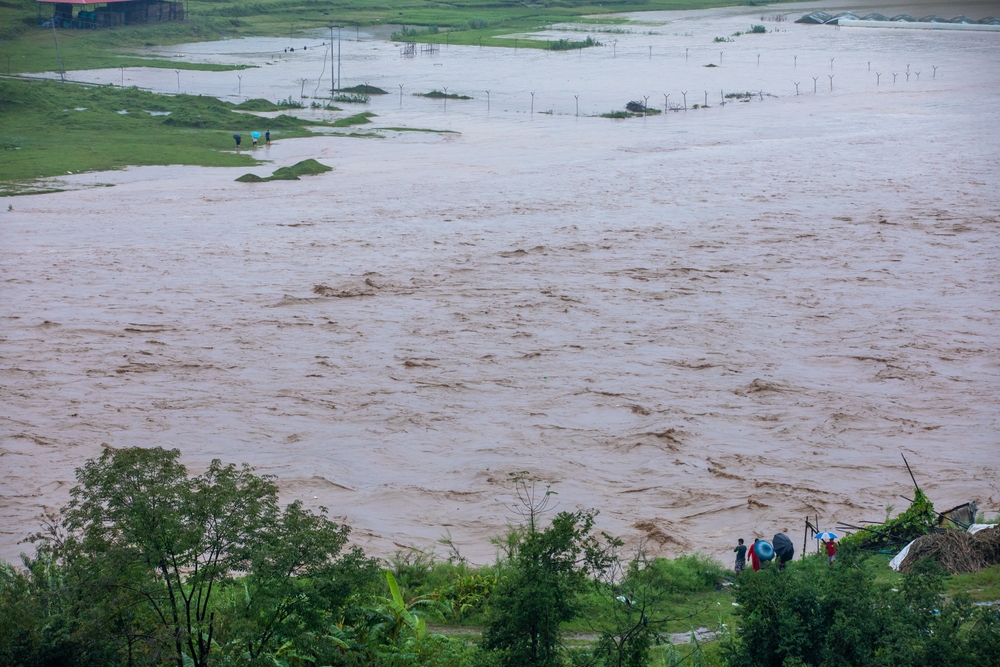
The first signs of danger came at around 09:10 local time, when Dawadi received four separate calls within minutes warning that a major flood was approaching. One of the moments that convinced him the situation was serious came when a parent rushed to the school to collect her daughter. “A parent came and told me that ‘a big flood was coming, I am here to take my daughter, I will take her’,” Dawadi recalled. The urgency of that parent’s arrival made him realise that delaying the evacuation could put hundreds of children in danger.
He quickly ordered the school to evacuate and instructed students to move toward higher ground. Buses carrying pupils were also told to turn around and leave the area. There was no time to wait for official confirmation or to finish the school day. Dawadi decided that even if the warning turned out to be wrong, losing a day of classes would be a far smaller consequence than ignoring a genuine emergency.
“Parents don’t rush without a strong reason, so it was confirmed that I shouldn’t waste a second to evacuate the children,” he said. “I decided I shouldn’t delay any more. Even if the flood was not coming, it was just a matter of a single day’s classes.” His instincts proved crucial as the flood arrived with devastating force shortly afterwards, swallowing buildings and transforming the familiar school surroundings into a scene of destruction.
The decision to evacuate came down to several urgent actions:
- Taking repeated warnings seriously: Four different people raised the alarm within a short period.
- Moving students immediately: Children were told to leave classrooms and head for higher ground.
- Redirecting school buses: Vehicles carrying pupils were ordered to turn around and flee.
- Choosing safety over routine: Dawadi accepted that classes could wait when lives were at stake.
Students Had Only Moments To Escape
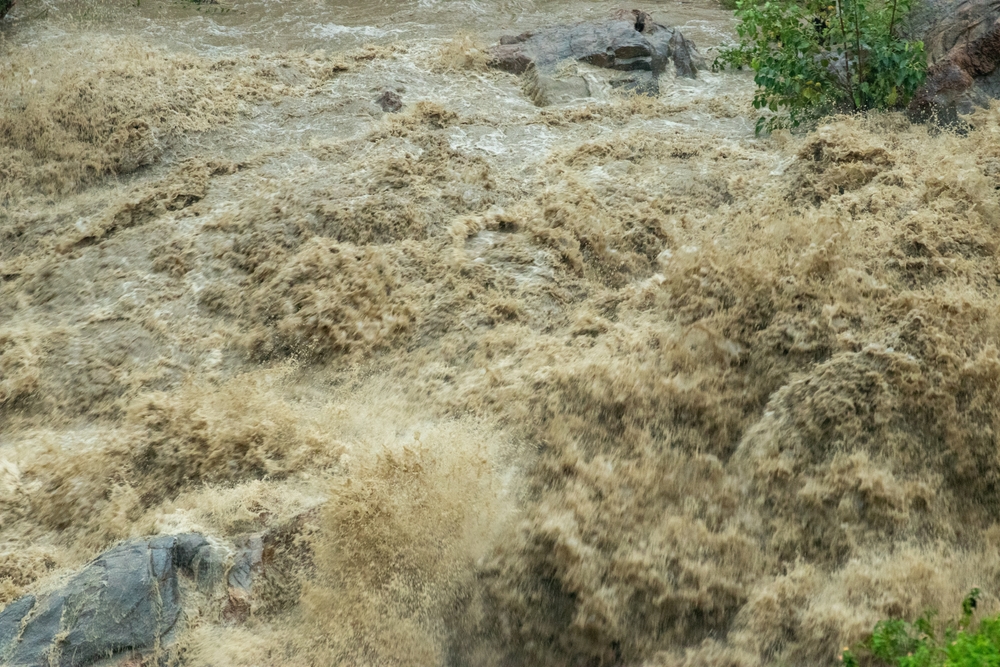
Many of the students did not initially understand how serious the situation was. Sixteen-year-old Yunisha Amatya had been studying with her classmates when teachers eventually told students about the approaching flood and instructed them to leave. The danger escalated quickly, and what had initially seemed like an unexpected disruption soon became a frantic scramble for safety. Yunisha later said she and her friends escaped with only seconds to spare.
“I along with my friends survived by just 10 seconds only,” she said. Teachers had initially gathered together as they tried to understand what was happening, and some students reportedly waited for classmates who were still attending a maths lesson. One student fainted after hearing about the disaster. The hesitation was understandable, but the flood was moving so quickly that every second suddenly mattered.
Yunisha and her friends headed uphill through an escape route behind the school. She struggled to move fast enough on her own and said her friends helped her climb toward safety. “I could not walk fast, and my friends helped me to climb uphill. We tried our best to be in the safer zones then. We escaped through a narrow ladder from backside of the school. Within no time, the bazaar was swept away in front of my eyes,” she said.
The escape route became crowded as students and other residents rushed away from the flood. Yunisha remembered fearing that she could fall as people pushed toward safer ground. “If there was no grip in my shoes I would have fallen and students and other people were jostling each other to reach the safer area while escaping.” She said those who attempted to leave through another route were apparently swept away, underlining how little room there was for error.
The Flood Buried The School Within Minutes
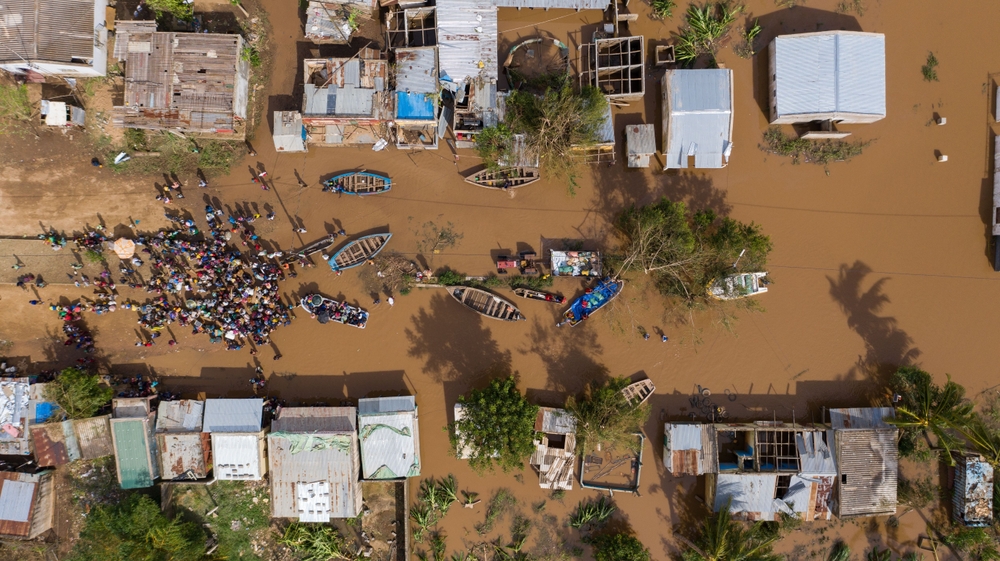
The waters moved with a speed that left little time for anyone still inside the danger zone. Dawadi said a hostel building located around 100 metres from the river was engulfed almost immediately. The force of the disaster swept through the surrounding area, destroying familiar landmarks and leaving the school campus buried under mud and debris.
The scale of the destruction became clear in images showing the dramatic transformation of Tribhuvan Trishuli Secondary School. A place that had recently been filled with classrooms, students, and daily routines was reduced to a site covered by mud and debris. The physical school was devastated, but the rapid evacuation meant that the children and teachers had already escaped the immediate danger.
Dawadi said he felt proud that so many lives had been saved. The school day had been interrupted, but the alternative was almost impossible to contemplate. His decision was made without knowing exactly how severe the flood would become, yet the destruction that followed showed why acting quickly had been essential.
“Had I decided to close the school after the period, nothing might be left, only the bell would be ringing at 9:30,” he said. The image is a haunting one, particularly because the evacuation happened with such a small margin of time. A few more minutes of hesitation could have left hundreds of families facing a completely different outcome.
Families Spent Hours Fearing The Worst
Reaching higher ground did not immediately bring everyone home. Students and teachers first moved a few hundred metres uphill before making their way toward a neighbouring village. Roads had been cut off, transport was disrupted, and many of those who escaped were stranded for two nights before rescue efforts could reach them. For parents who had lost contact with their children, those hours became a nightmare.
Yunisha’s mother, Sabina Kumari Shrestha, repeatedly tried to call both her daughter and husband after hearing about the flood. Neither could initially be reached. Yunisha’s father, Yubaraj Amatya, immediately headed toward the school, desperately trying to discover whether his daughter had survived. “Soon after the flood news spread, I tried my daughter’s number, but she was not reachable, then I was afraid,” he said.
When he reached the area, the destruction made his fears even worse. “Within a few minutes I rushed toward my daughter’s school and Trishuli Bazar was all swept by the flood, then I thought my daughter was no more,” he said. He stopped his scooter amid the flooding but could not bring himself to return home without knowing what had happened to her. For nearly an hour, he repeatedly called her phone without getting an answer.
Then the call finally connected. “Finally, my daughter received my call and I couldn’t stop myself, broke out… two relatives that were with me also cried and hugged me,” he said. Yunisha remembered receiving the call after reaching the top of the hill. “After I had reached the top of the hill, I received a call from my father. He was tearful and I could not speak a word then.” Her family waited anxiously for her return, and when she finally arrived home after three days, the relief was overwhelming.
Survival Has Left Students Facing An Uncertain Future
The immediate danger may have passed for Yunisha and hundreds of other students, but the destruction of the school has created a new set of worries. Yunisha is now concerned about what will happen to her education and whether she will have to leave behind the school and friends she has known. After surviving such a terrifying experience, the prospect of rebuilding a normal life has become another challenge.
“Now I am worried about my further studies,” she said. “If I had to change my school, I would have to miss my old friends and will face difficulties to make new friends. I am sad about my further studies.” Her concerns reflect the wider impact disasters can have long after the floodwaters disappear, particularly for young people whose education and communities are suddenly disrupted.
The floods devastated parts of Nepal and left a huge number of people dead and missing at the time of reporting. For those who survived, the focus has shifted from escape to recovery. Homes, roads, schools, and communities have all been affected, while families continue dealing with the consequences of a disaster that unfolded with frightening speed.
Dawadi believes better warning systems could help communities respond earlier when similar disasters threaten. He said systems such as sirens and evacuation alerts could give residents more time to get away. In this case, four urgent warnings and one principal’s willingness to act immediately gave around 900 children the chance to escape. The school was washed away, but its classrooms were empty when the flood arrived.