
Your cart is currently empty!
Rare Albino Buffalo Goes Viral After Being Compared to Donald Trump
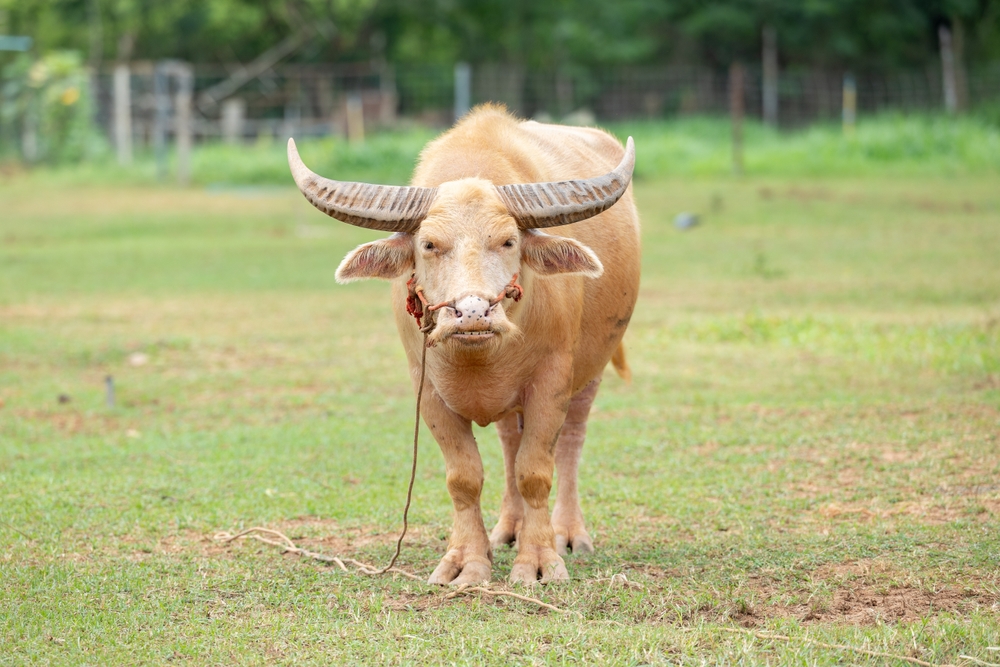
A rare buffalo from rural Bangladesh has unexpectedly become one of the internet’s most talked-about animals after visitors noticed an unusual resemblance to Donald Trump. With its pale coloring and distinctive blond hair, the animal has drawn crowds, sparked online debate, and turned a quiet local farm into a viral destination ahead of Eid celebrations.
Contents
show
The ‘Donald Trump’ Buffalo
In the Bangladeshi district of Narayanganj, a rare albino buffalo has unexpectedly become one of the country’s most talked-about animals. Locals nicknamed the nearly 700-kilogram buffalo “Donald Trump” because of its distinctive golden-blond hair and pale pinkish skin, features many visitors say resemble the hairstyle and complexion of the U.S. president. Photos and videos shared online quickly transformed the animal into a viral sensation ahead of Eid al-Adha, a major Islamic festival during which livestock markets draw nationwide attention.
The buffalo belongs to farmer Ziauddin Mridha, who told local media that the nickname began as a family joke after his younger brother noticed the animal’s unusual appearance. Visitors traveling to the farm have since echoed the comparison, with some describing the resemblance as surprisingly accurate. One resident interviewed by local outlets said the buffalo’s “facial structure and hairstyle” closely mirrored Trump’s public image.
Beyond the humor and online fascination, the buffalo’s popularity also reflects the rarity of albino livestock in South Asia. According to Bangladesh livestock officials, the condition is caused by low melanin production, making such animals highly uncommon. Their unusual appearance often attracts attention in agricultural fairs and cattle markets, particularly during festive seasons when prized animals are prominently displayed.
Why Albino Animals Are So Rare
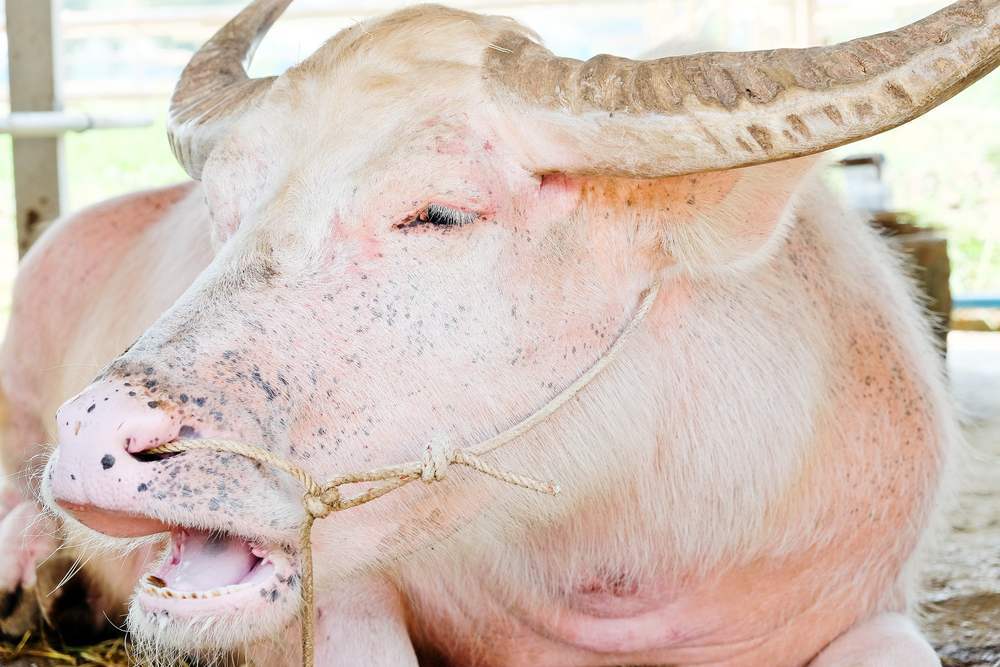
Albino animals are uncommon in nature because the condition results from a genetic mutation that disrupts melanin production, the pigment responsible for skin, hair, and eye color. In mammals such as buffalo, albinism can create striking physical traits including pale skin, light-colored fur, and pink or reddish eyes. Veterinary experts note that complete albinism is especially rare in large livestock, making the Bangladeshi buffalo’s appearance particularly unusual.
While albino animals often attract admiration, the condition can also come with biological challenges. Reduced melanin may increase sensitivity to sunlight and heighten the risk of vision problems because pigmentation plays an important role in eye development. In the wild, animals with albinism can struggle to survive because their pale coloring makes camouflage difficult, leaving them more vulnerable to predators. Researchers from organizations such as the National Organization for Albinism and Hypopigmentation have long emphasized that albinism is a genetic condition rather than a separate species or disorder caused by environmental factors.
In agricultural communities, however, rare animals are often viewed through a different lens. Unusual livestock can become symbols of pride, curiosity, or even economic opportunity. During Eid livestock markets across Bangladesh, farmers frequently showcase especially large, healthy, or visually distinctive animals to attract buyers and visitors. The albino buffalo’s growing fame reflects how rarity itself can become part of an animal’s perceived value.
The Real Money Behind Bangladesh’s Online Cattle Craze
In recent years, Bangladeshi farmers have increasingly used Facebook pages, TikTok videos, and YouTube clips to showcase unusually large or visually distinctive cattle. Animals with memorable traits often gain online followings that translate into higher visibility and stronger bargaining power. The albino buffalo nicknamed after Donald Trump fits directly into that trend because its appearance immediately stood out in crowded online feeds.
Agricultural analysts say this digital exposure has changed buyer behavior during Eid season. Consumers now frequently encounter livestock through viral posts before visiting farms or markets in person. In some cases, widely shared animals become regional attractions, drawing visitors who may never intend to purchase them but still contribute to publicity surrounding the farm.
The rise of online livestock promotion accelerated during the COVID-19 pandemic, when movement restrictions pushed many traders toward digital sales and virtual cattle marketplaces. Since then, internet-driven marketing has remained a central part of Eid commerce across Bangladesh. Farmers who once relied only on local buyers can now reach audiences nationwide within hours.
Animal welfare groups have previously warned that viral fame can sometimes encourage poor treatment of animals as owners attempt to maintain online attention or increase market value. In cases involving rare animals, internet popularity has also contributed to irresponsible breeding practices aimed at producing unusual physical traits.
For albino animals, the concerns may be greater because reduced pigmentation can increase sensitivity to sunlight and environmental conditions. Veterinary experts say animals with albinism often require closer monitoring to avoid heat stress and related health issues.
At the same time, unusual livestock are often viewed as sources of pride and economic opportunity in rural communities. During Eid season in Bangladesh, visually distinctive cattle and buffalo frequently attract larger crowds and higher prices. The buffalo’s owner has publicly welcomed the attention, while visitors largely see the animal as a harmless curiosity.
More Than a Trump Lookalike
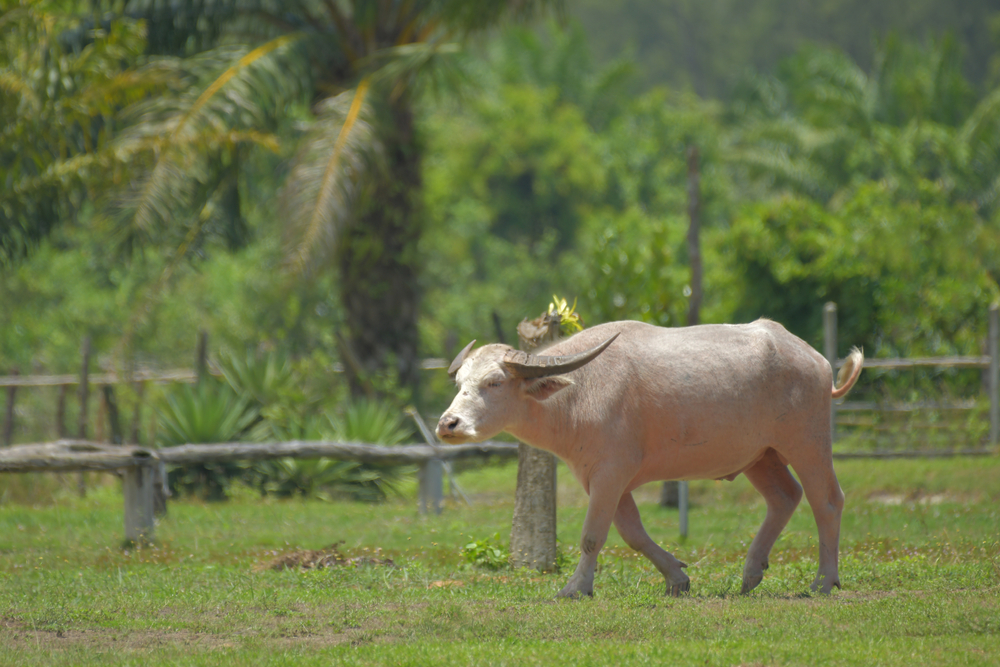
When an albino buffalo in Bangladesh went viral for looking like Donald Trump, it was easy to just laugh and share the meme. But this story is about more than just a funny picture. It shows exactly how the internet can turn a quiet farm animal into a global celebrity overnight. It also gives us a peek into how modern farmers are increasingly using social media hype to do business.
But there’s a hidden cost to all this sudden fame. Massive crowds and non-stop camera phones can be incredibly stressful, especially for rare animals that often need special care to begin with. While the jokes are good-natured, this buffalo’s story serves as a great reminder: behind every viral animal video is a real, breathing creature—not just content for our feeds.