
Your cart is currently empty!
RFK Jr. Launches New Podcast to Discuss Public Health Challenges and Policy
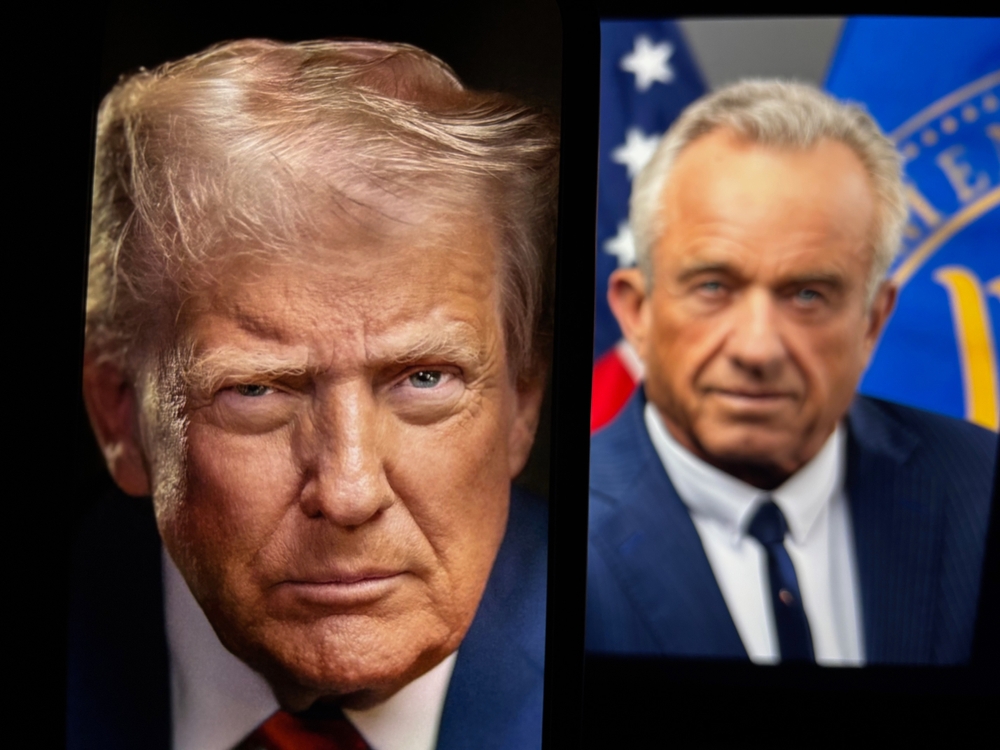
The relationship between politics and public health has always been complex, but in recent years it has become deeply intertwined with media, personality, and digital influence. That intersection is now taking a new form as U.S. Health Secretary Robert F. Kennedy Jr. prepares to launch his own podcast, positioning it as a platform to challenge what he believes are systemic failures in the nation’s health system. The announcement has already sparked intense discussion across political and scientific communities, not only because of Kennedy’s long-standing views but also because of the unprecedented nature of a sitting cabinet secretary hosting an official podcast.
Contents
show
At the center of this development is a promise that is both compelling and controversial. Kennedy has framed the podcast as a tool for transparency, saying it will uncover the forces that have contributed to declining public health outcomes in the United States. For supporters, this signals a bold move toward open dialogue and accountability. For critics, it raises concerns about the potential for misinformation and the erosion of trust in established scientific institutions. As the podcast prepares to launch, it reflects a broader shift in how political figures communicate, influence, and shape public perception in the digital age.
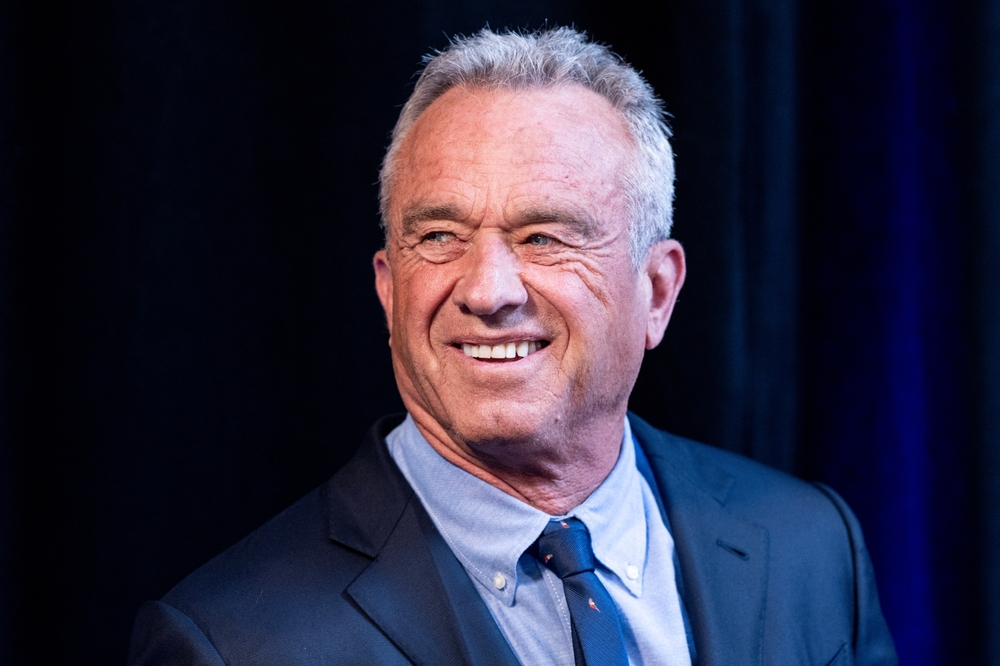
A Cabinet Secretary Takes to the Mic
The upcoming show, titled “The Secretary Kennedy Podcast,” is set to debut next week and will feature conversations with doctors, scientists, and officials from within the U.S. Department of Health and Human Services. The production itself is designed to reflect authority and professionalism, filmed in an HHS-branded studio and structured as a recurring series with regular guests. According to officials involved in its creation, the podcast has been in development since early in the current administration, suggesting that it is part of a longer-term communication strategy rather than a spontaneous initiative.
In a teaser video that has already circulated widely, Kennedy outlines the mission of the podcast in stark terms. “We’re going to name the names of the forces that obstruct the paths to public health,” he says, signaling a confrontational approach that is likely to draw both attention and criticism. The framing of the show as a platform to expose corruption and deception adds to its dramatic tone and positions it as more than just an informational resource.
This approach reflects Kennedy’s familiarity with long-form media. Before entering office, he frequently appeared on podcasts and hosted his own, using the format to expand on his views in detail. The return to this medium suggests a level of comfort and confidence, but it also raises questions about how personal communication styles translate into official government messaging.
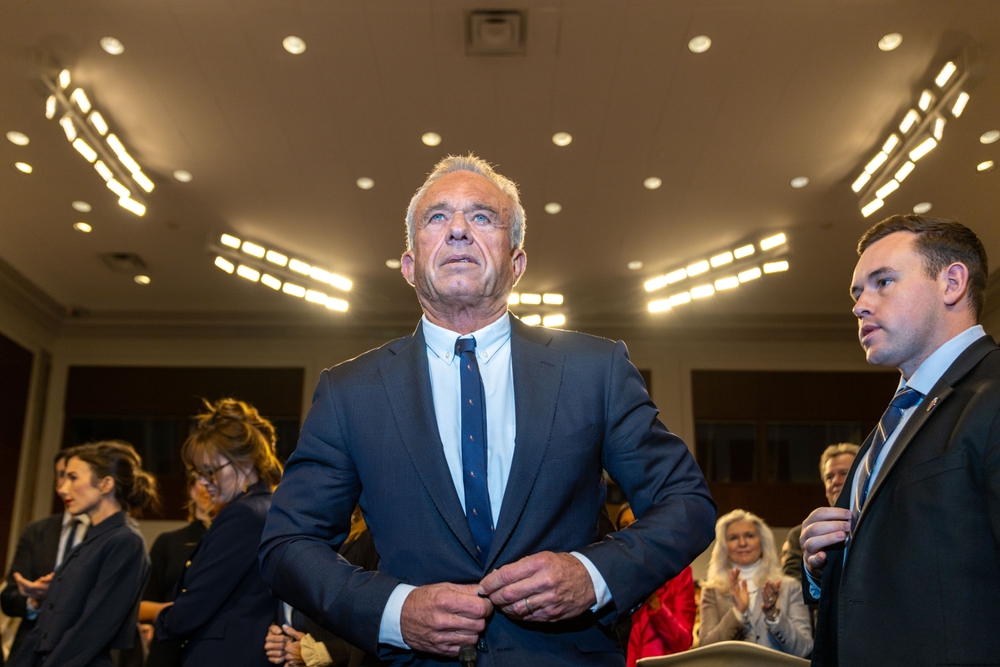
The Trump Administration Connection
Kennedy’s role within President Donald Trump’s administration has given him a significantly larger platform to promote his ideas about health policy. Since joining the administration, his influence has extended beyond advocacy into direct policymaking, shaping debates around vaccines, nutrition, and chronic disease. The launch of a podcast further amplifies that influence by creating a direct line of communication with the public that bypasses traditional media channels.
Officials have made it clear that the podcast aligns with the administration’s broader messaging efforts, particularly the “Make America Healthy Again” initiative. This campaign focuses on issues such as chronic illness, food quality, and healthcare affordability, areas that resonate with a wide segment of the population. By using a podcast format, the administration aims to present these topics in a more accessible and engaging way, potentially reaching audiences who may not follow conventional news outlets.
At the same time, the move highlights a shift in political communication strategy. Rather than relying solely on press briefings and official statements, the administration is embracing platforms that allow for longer, more controlled discussions. This strategy provides an opportunity to shape narratives more directly, but it also reduces the level of scrutiny that typically comes with traditional journalism.
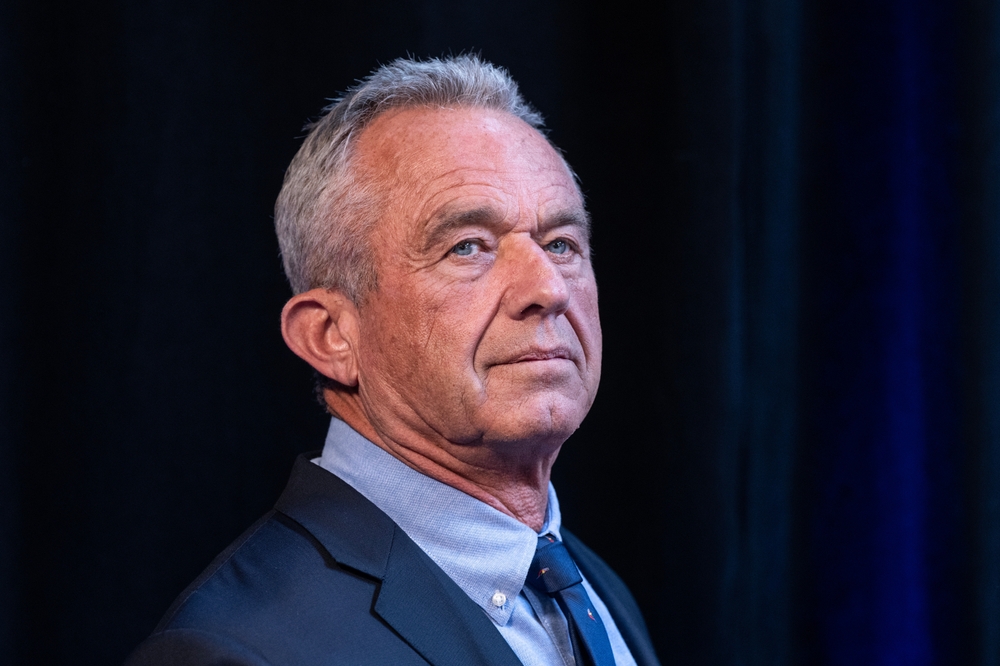
Controversy, Criticism, and Political Timing
The timing of the podcast launch is significant, coming at a moment when the Department of Health and Human Services is facing multiple challenges. Recent policy decisions, particularly those related to vaccines, have drawn widespread criticism and legal pushback. A federal ruling blocking several initiatives has added to the pressure, while resistance within the Senate has delayed key appointments, including the president’s pick for surgeon general.
These developments have led some observers to view the podcast as part of a broader effort to reshape public perception. By shifting the focus toward less contentious issues such as nutrition and chronic disease, the administration may be attempting to rebuild trust and redirect the conversation ahead of upcoming midterm elections. This interpretation is reinforced by statements from officials who emphasize the importance of reaching a wider audience with health-related messaging.
At the same time, the podcast’s emphasis on exposing alleged wrongdoing introduces a more confrontational element that could further polarize public opinion. The combination of policy challenges and a high-profile media initiative creates a complex backdrop, making it difficult to separate communication strategy from political positioning.
Supporters vs. Critics: A Deep Divide
Reactions to the podcast announcement have been sharply divided, reflecting broader disagreements about Kennedy’s role and views. Supporters argue that the initiative represents a necessary step toward transparency, providing a platform to question established systems and highlight issues that may have been overlooked. They see the podcast as an opportunity to engage directly with the public and foster a more open discussion about health policy.
Critics, however, have raised serious concerns about the potential impact of the platform. Some argue that it could be used to promote ideas that contradict the scientific consensus, particularly given Kennedy’s history as a vocal critic of vaccines. One public health expert warned that such a move could shift federal agencies away from their traditional role as a “safe harbor for information,” a characterization that underscores the importance of trust in public health communication.
Political advocacy groups have also expressed skepticism. A spokesperson described the podcast as “just another official channel to spread misinformation that will inject more dangerous conspiracy theories into the mainstream,” highlighting fears that the authority of a government office could lend credibility to controversial claims. These contrasting perspectives illustrate the broader tension between free expression and institutional responsibility.
Podcasting Enters the Government Mainstream
The launch of “The Secretary Kennedy Podcast” represents a notable moment in the evolution of government communication. While public officials have long used media to connect with audiences, the idea of a cabinet secretary hosting an official podcast marks a new level of integration between digital platforms and institutional messaging. According to those involved in the project, this may be the first instance of its kind, setting a precedent that could influence how other agencies approach communication.
The structure of the show reflects this ambition. Episodes are expected to be released every two weeks, with a format that accommodates multiple guests and encourages in-depth discussion. The inclusion of figures such as celebrity chef Robert Irvine, who is working on improving U.S. Army meals, suggests an effort to blend policy with broader cultural relevance.
This approach aligns with the growing influence of podcasts as a medium. Unlike traditional interviews, podcasts allow for extended conversations that can explore complex topics in detail. However, they also give hosts significant control over the direction of the discussion, raising questions about balance and accountability.
The Power and Risk of Narrative Control
At its core, the podcast highlights a fundamental shift in how narratives are created and shared in the public sphere. By hosting his own platform, Kennedy has the ability to shape conversations on his own terms, selecting topics, framing questions, and guiding discussions without the constraints of traditional media formats. This level of control can be a powerful tool for communication, but it also carries inherent risks.
One of the key concerns is the potential for reduced scrutiny. In a traditional media setting, journalists play a critical role in challenging claims and providing context. In a podcast environment, that dynamic changes, often resulting in a more conversational and less confrontational exchange. While this can make discussions more accessible, it may also limit the depth of critical analysis.
At the same time, the format offers clear advantages. It allows for detailed exploration of issues, giving audiences a chance to hear directly from policymakers and experts. This can foster a sense of connection and understanding that is difficult to achieve through shorter, more formal communications. The challenge lies in balancing these benefits with the need for accuracy and accountability.
What This Means for the Future of Public Communication
The emergence of government-backed podcasts reflects a broader trend toward direct engagement with the public. As digital platforms continue to evolve, officials are increasingly seeking ways to communicate without intermediaries, using tools that prioritize accessibility and immediacy. This shift has the potential to transform how information is shared and consumed, but it also raises important questions about credibility and trust.
For audiences, the growing presence of official podcasts means navigating a more complex media landscape. The lines between information, opinion, and persuasion can become blurred, making it essential for listeners to approach content critically. Understanding the context in which messages are delivered is key to making informed decisions.
For policymakers, the challenge is to use these platforms responsibly. The ability to reach large audiences comes with a responsibility to ensure that information is accurate and presented in a way that supports public understanding. As more officials explore similar initiatives, the standards set by early adopters will play a crucial role in shaping expectations.
A Turning Point or Just Another Platform?
The launch of “The Secretary Kennedy Podcast” represents both an opportunity and a test. It offers a new way to engage with the public on important health issues, but it also introduces new risks related to trust and accountability. Whether it becomes a model for effective communication or a source of further controversy will depend on how it is used and how audiences respond.
What is certain is that the boundaries between politics, media, and personal branding are continuing to shift. The podcast is not just a reflection of Kennedy’s approach but also of a broader transformation in how leaders connect with the public. As this trend continues, it will shape the future of public discourse in ways that are still unfolding.
In the end, the success of such initiatives will depend not only on the messages they deliver but also on the trust they are able to build. For listeners, the responsibility lies in staying informed, asking questions, and engaging thoughtfully with the information they receive.