
Your cart is currently empty!
Russian Oligarch Yacht Makes Rare Journey Through Hormuz Conflict Zone
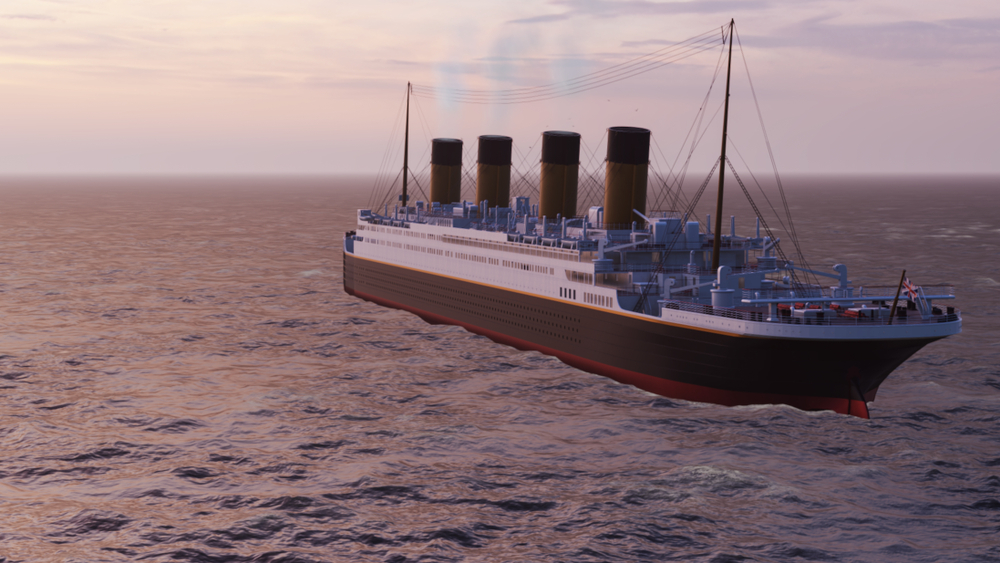
A luxury superyacht linked to a sanctioned Russian oligarch has just pulled off a move that is raising eyebrows across global shipping and political circles.
Contents
show
While most vessels steer clear, this one sailed straight through the Strait of Hormuz, a waterway now sitting at the center of a tense geopolitical standoff.
A High-Risk Journey Few Are Attempting
The 142-metre yacht Nord departed Dubai on Friday and reached Muscat, Oman, by Sunday. On paper, it looks like a routine Gulf crossing.
In reality, it is anything but routine.
The Strait of Hormuz has been under severe restriction since fighting escalated between Iran and the United States earlier this year. Only a handful of ships now pass through daily, compared to well over 100 before the conflict intensified.
That makes Nord’s journey stand out immediately.
Tracking data from maritime platforms shows the vessel moving through a corridor that has become one of the most sensitive and heavily monitored shipping lanes in the world.
The Billionaire Behind The Yacht
The yacht is widely linked to Russian steel magnate, a close ally of President of Russia.
Although Mordashov is not officially listed as the owner, corporate records tie the vessel to a company owned by his wife. That company is registered in Cherepovets, the same Russian city where his steel giant Severstal operates.
Mordashov built his fortune through mining and steel, eventually becoming one of Russia’s richest individuals. Forbes has previously estimated his wealth in the tens of billions.
His ties to the Kremlin led to sanctions from the United States, the European Union, and the United Kingdom following Russia’s invasion of Ukraine in 2022.
Those sanctions have already resulted in asset seizures and restrictions across Europe. One of his smaller yachts, Lady M, was impounded in Italy in 2022.
Nord, however, has largely avoided that fate.
What Makes Nord So Remarkable
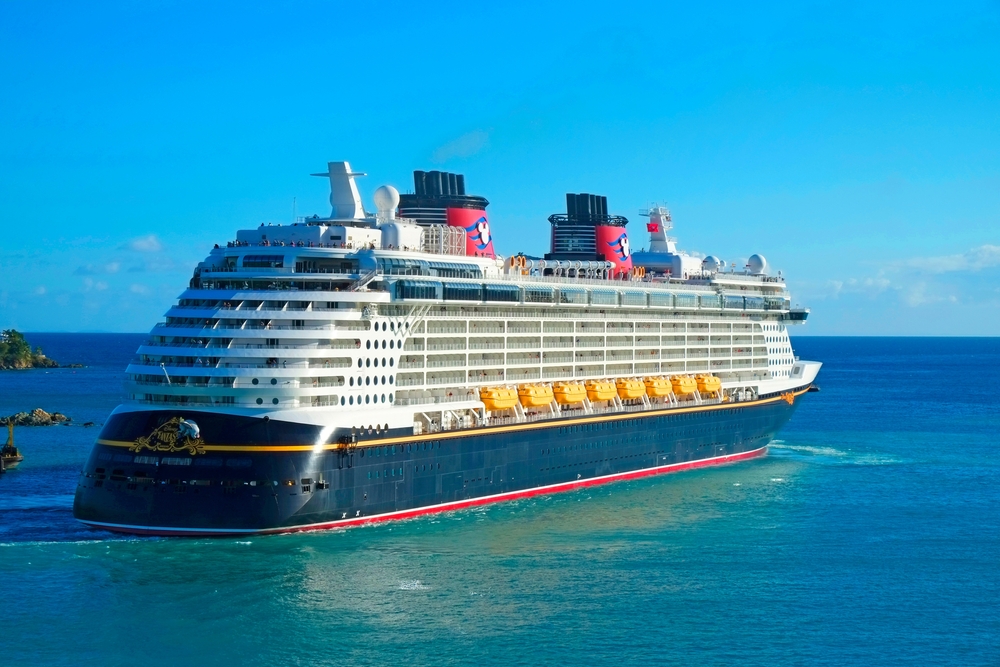
Nord is not just any private vessel. It is one of the largest and most extravagant superyachts currently afloat.
The yacht stretches 142 metres and features a level of luxury rarely seen even among ultra-wealthy owners.
Key features reportedly include:
- A helipad capable of handling private aircraft
- A full-sized swimming pool
- A private submarine for underwater exploration
- Around 20 luxury cabins for guests
- Multiple decks designed for entertainment and security
Industry sources estimate its value at over $500 million, with some reports pushing closer to $700 million depending on fittings and upgrades.
That scale makes its presence in a conflict-adjacent zone even more unusual.
Why The Strait Of Hormuz Matters So Much
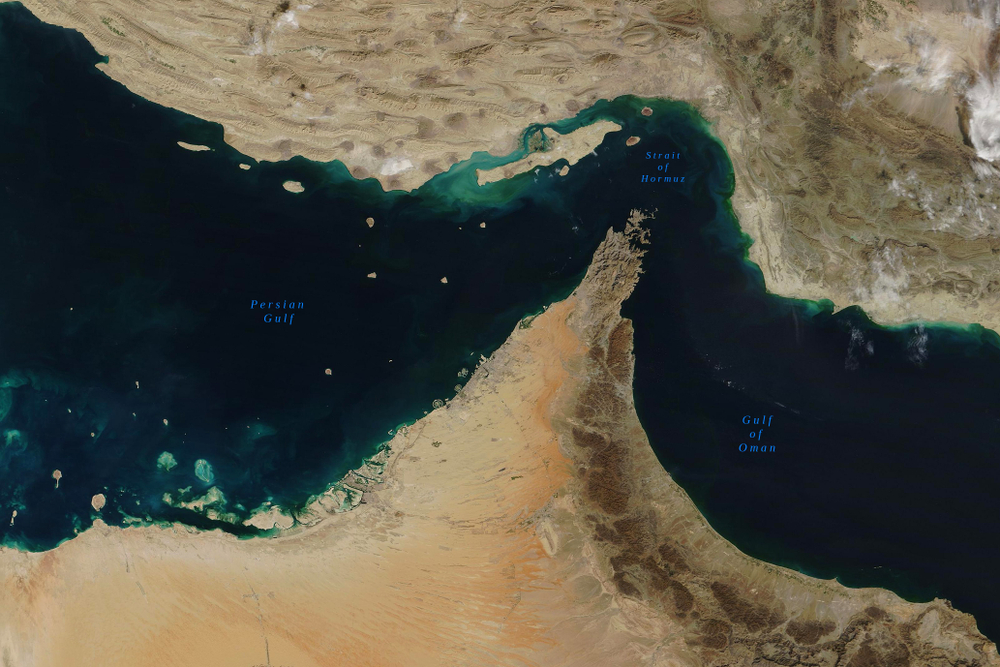
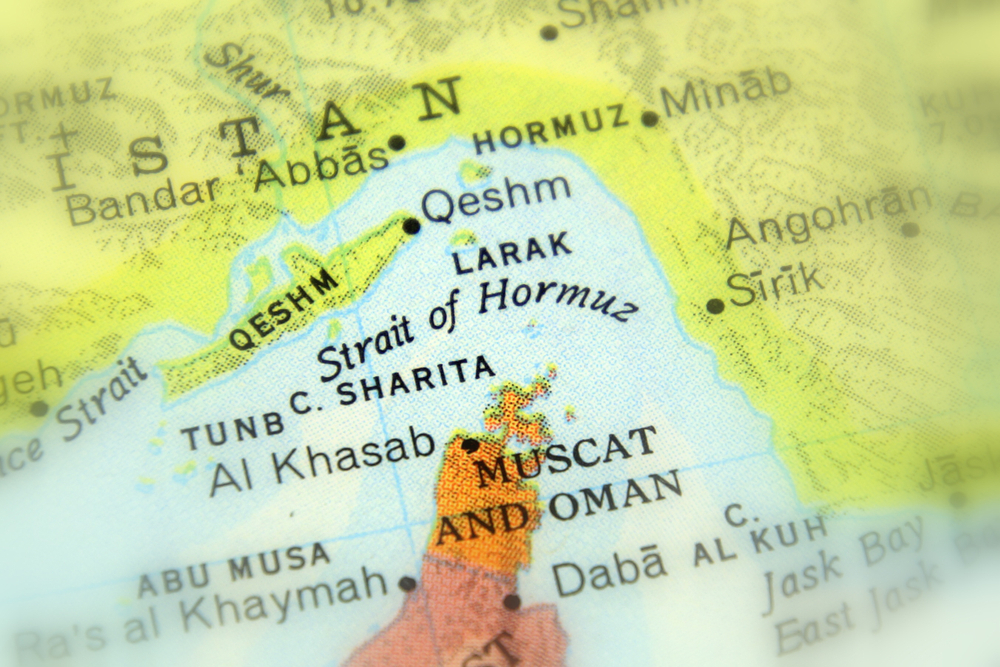
The Strait of Hormuz is one of the most strategically important waterways on Earth.
Roughly one-fifth of the world’s oil and liquefied natural gas passes through this narrow channel between Iran and Oman.
Any disruption here has immediate global consequences, especially for energy prices.
Recent tensions have already pushed Brent crude prices above $100 per barrel, reflecting the uncertainty surrounding supply routes.
A Conflict Zone In Real Time
Since late February, Iran has imposed heavy restrictions on shipping through the strait. The move came in response to military pressure and actions involving the United States and its allies.
Iranian forces, including the Revolutionary Guard, have warned that vessels deemed hostile could be targeted.
Reports indicate that dozens of ships have been attacked or seized in recent weeks, while thousands of crew members remain stranded across the region.
At the same time, the United States has responded with its own measures, including blockading Iranian ports.
The result is a tense maritime standoff with no clear resolution.
How Did The Yacht Get Through?
This is where the biggest mystery lies.
There is currently no public confirmation of how Nord secured safe passage through the strait.
Maritime tracking suggests the route used by the yacht aligns with corridors that may require coordination or tacit approval from Iranian authorities.
Yet officials have not clarified whether permission was granted.
That uncertainty has triggered speculation across shipping and political circles.
Some observers believe the passage may reflect quiet diplomatic coordination. Others suggest it highlights inconsistencies in how restrictions are being enforced.
Either way, the fact that a high-profile vessel linked to a sanctioned individual made the crossing without incident is raising serious questions.
Shipping Traffic Has Collapsed
Before the current conflict, the Strait of Hormuz handled between 120 and 140 vessel crossings per day.
That number has now dropped sharply.
Most commercial operators are avoiding the route entirely due to safety concerns. Insurance costs have surged, and risk assessments have become far stricter.
Only essential merchant ships continue to pass through, often under heightened security or coordination.
Against that backdrop, a luxury superyacht making the same journey stands out even more.
A Broader Shift In Oligarch Movements
The Nord’s journey is part of a wider pattern involving Russian billionaires since sanctions intensified.
Many oligarch-owned yachts have been moved to regions where Western enforcement is less aggressive.
Locations in the Middle East, Asia, and parts of the Indian Ocean have become key safe zones for these assets.
Countries such as Hong Kong and the Maldives have previously declined to seize vessels linked to sanctioned individuals.
This has created a patchwork global landscape where enforcement varies significantly depending on jurisdiction.
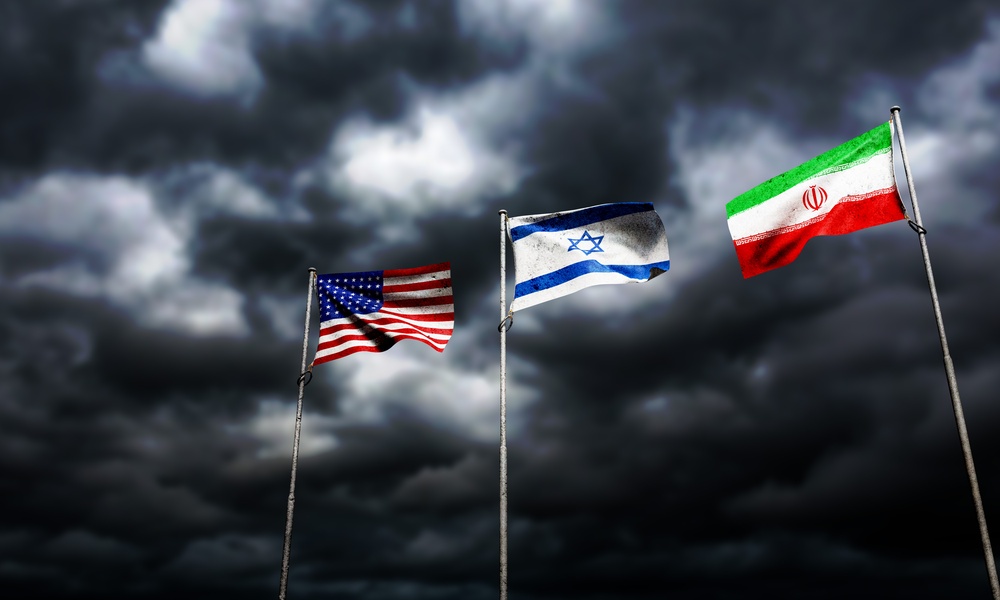
Iran, Russia, And A Deepening Alliance
The timing of the yacht’s journey comes as diplomatic activity between Iran and Russia intensifies.
Iranian Foreign Minister recently met with Putin in Moscow, where both sides emphasized their growing strategic partnership.
Iran has leaned heavily on Russia for political and economic support as tensions with the United States continue.
Meanwhile, Russia has benefited from Iranian military cooperation, including the use of drone technology in regional conflicts.
This alignment adds another layer of complexity to any movement involving assets linked to Russian elites.
The US Response And Rising Pressure
On the American side Donald Trump has taken a hard stance on Iran’s control of the strait.
He has pledged to maintain pressure through blockades and negotiations aimed at reopening the waterway.
Speaking to Fox News, Trump warned about the consequences of prolonged disruption to oil flows, suggesting that internal pressure within Iran could escalate quickly.
Behind the scenes, US officials have been working on diplomatic and strategic responses, including talks that were scheduled in Pakistan but later cancelled.
Those talks were intended to address both the blockade and Iran’s nuclear ambitions.
So far, progress has been limited.
Oil Markets Are Already Feeling It
The uncertainty surrounding the Strait of Hormuz has had an immediate impact on global energy markets.
Oil prices have surged as traders factor in the risk of prolonged disruption.
Even partial closures of the strait can create ripple effects across supply chains, affecting everything from fuel costs to shipping logistics worldwide.
Energy analysts warn that continued instability could push prices even higher, especially if more vessels are targeted or blocked.
Why This One Voyage Matters
At first glance, a billionaire’s yacht crossing a shipping lane might seem like a minor story.
In reality, it touches on several major global issues at once.
It highlights gaps in sanctions enforcement.
It raises questions about who can still move freely through restricted zones.
And it underscores how fragile the current balance of power is in one of the world’s most critical regions.
What Happens Next In The Strait
The situation in the Strait of Hormuz remains volatile.
Iran has signaled that it is open to negotiations under certain conditions, including the protection of its nuclear program.
The United States continues to apply pressure, hoping to force concessions.
Meanwhile, global shipping companies are watching closely, adjusting routes and strategies in real time.
For now, traffic remains far below normal levels.
And every vessel that does pass through the strait is being watched.
A Floating Symbol Of Power And Loopholes
Nord’s journey is more than just a headline about luxury.
It is a snapshot of how wealth, geopolitics, and enforcement collide in unpredictable ways.
While governments argue over sanctions and strategy, a $500 million yacht managed to cross one of the most dangerous waterways on Earth without incident.
That single voyage says a lot about how uneven the current global system can be when power, money, and politics intersect.