
Your cart is currently empty!
Sacramento Zoo Introduces Rats Trained To Detect Dangerous Threats
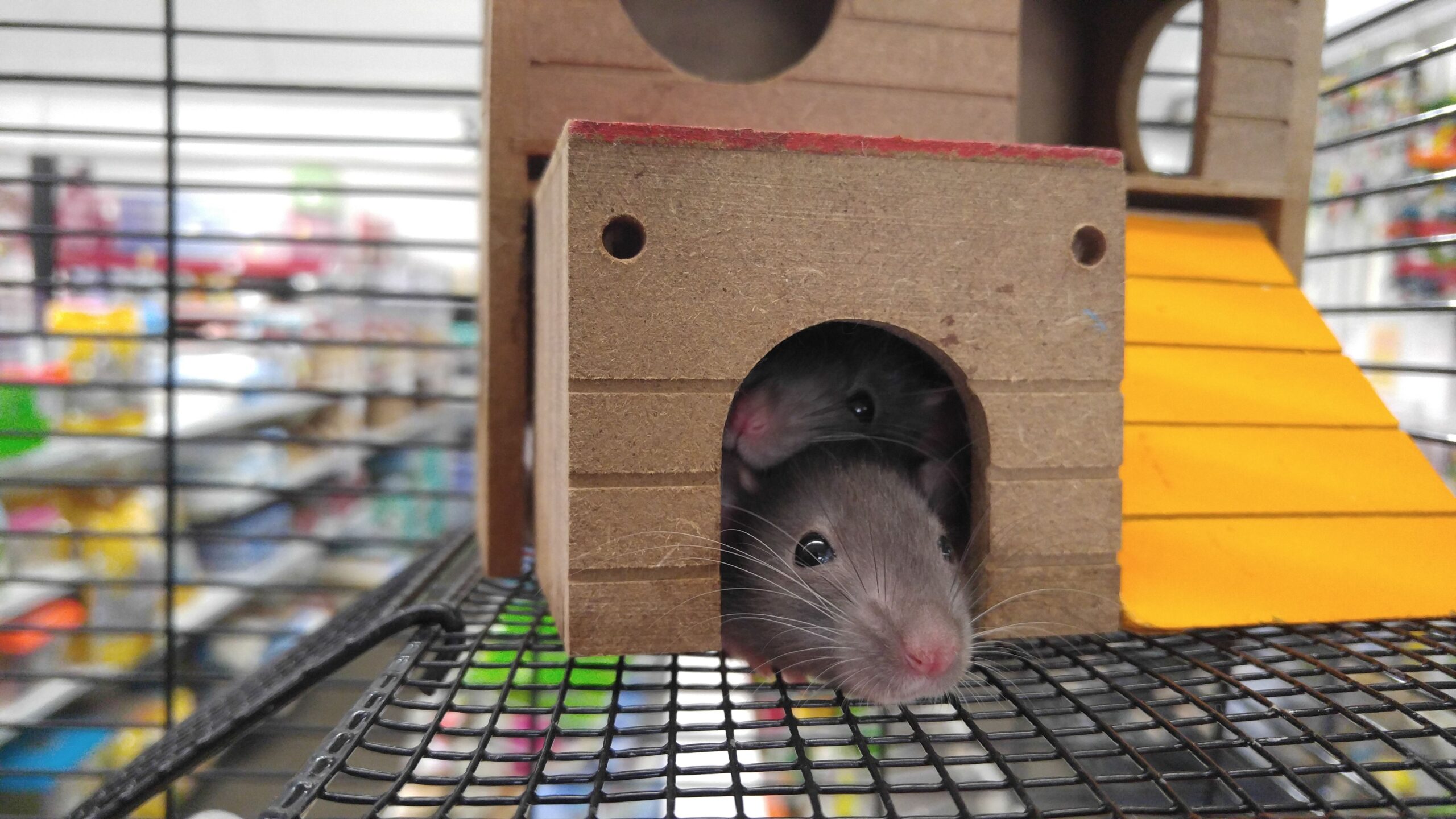
Three unusual new arrivals at a California zoo have a resume that would make most humans look seriously underqualified. The Sacramento Zoo has welcomed three African giant pouched rats that have been specially trained to detect landmines, tuberculosis infections, and traces of illegally trafficked wildlife products.
Contents
show
Known as HeroRATs, the animals have been trained through a partnership with Belgian nonprofit APOPO. Their arrival gives the zoo a chance to introduce visitors to an unusual form of conservation work while showing how an animal’s extraordinary sense of smell can be put to work on some very serious problems.
Three HeroRATs Have Arrived At Sacramento Zoo
The Sacramento Zoo has welcomed three African giant pouched rats as part of a new partnership with APOPO, an organization that trains the animals for scent detection work. The zoo has also created an interactive habitat designed to teach visitors about illegal wildlife trafficking and the efforts being used to stop it.
The rats were scheduled to make their public debut on Aug. 20, with zoo leadership and keepers introducing the animals and explaining their abilities. A demonstration involving one of the HeroRATs was also planned for the zoo’s amphitheater at around 10:15 a.m.
“We’re so excited to bring these heroes and their critically important conservation message to zoo guests,” Sacramento Zoo animal care supervisor Jonelle Mason said, according to the zoo’s announcement.
The first 500 guests visiting the new habitat were also set to receive a limited-edition HeroRAT sticker. Admission to the debut event was included with regular zoo tickets, giving visitors another reason to seek out the unusual new residents.
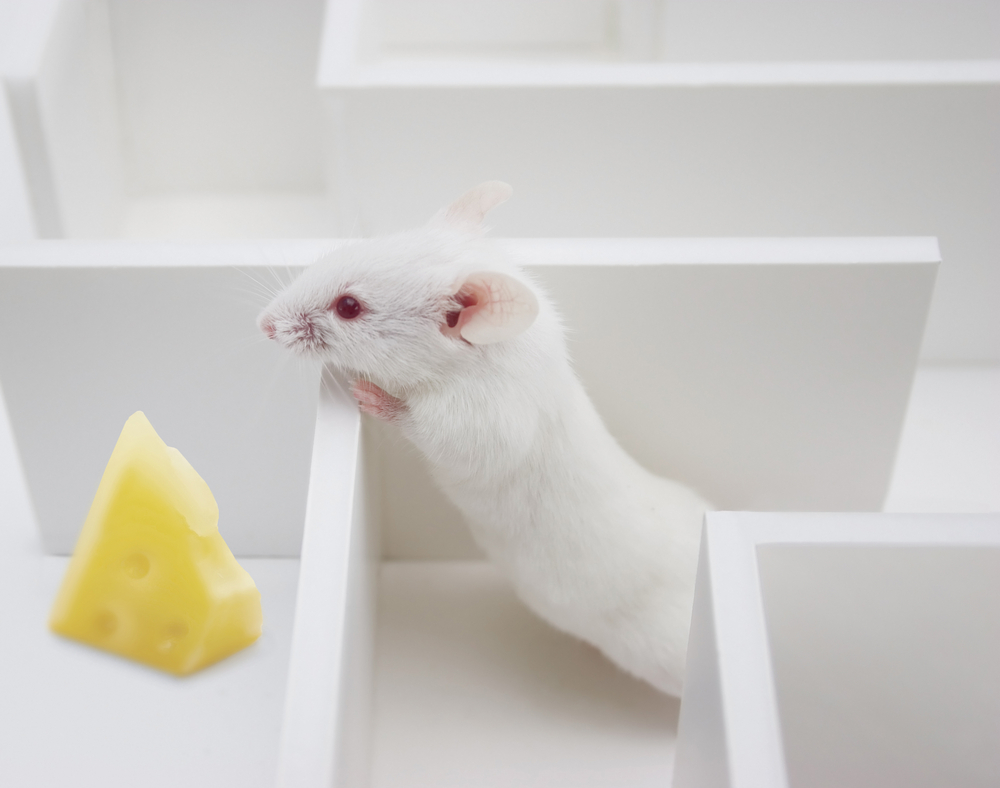
The rats will eventually become part of regular demonstrations at the amphitheater. The zoo plans to show visitors how the animals can work through a maze wall to identify specific scents.
Their Noses Can Detect Wildlife Products
The most unusual part of the HeroRATs’ job is their ability to detect scents that can be connected to illegal wildlife trafficking. APOPO trains the rats to identify traces of products derived from animals and plants targeted by traffickers.
According to APOPO information cited in the source material, the rats can be trained to detect pangolin scales, elephant ivory, rhinoceros horn, giraffe hide and hair, and African blackwood. These products can become part of international trafficking networks despite efforts by authorities and conservation organizations to stop the trade.
A trained detection animal gives people another way to locate suspicious material. Instead of relying only on visual searches, handlers can use an animal’s sense of smell to identify specific scents and flag areas or objects for closer examination.
The Sacramento Zoo is using the animals’ unusual abilities to introduce visitors to that conservation problem. The interactive habitat is intended to explain the global illegal wildlife trade while showing that trained animals can play a role in efforts to disrupt it.
That gives the HeroRATs a job that goes far beyond entertaining zoo visitors. Their presence is tied directly to a conservation message that can be difficult to explain without a tangible example.
The Same Rats Can Detect Landmines
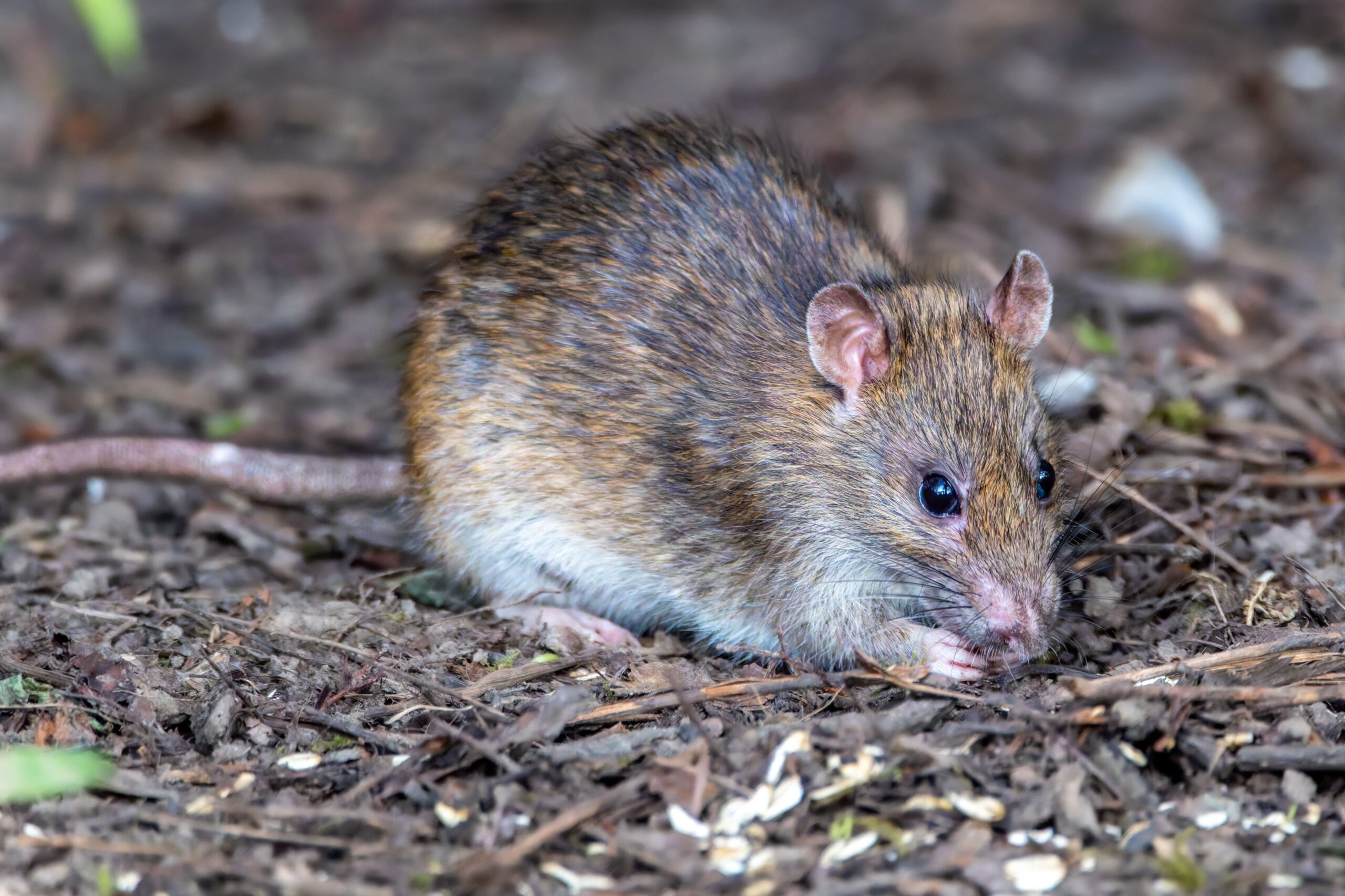
Wildlife trafficking is only one part of what makes these rodents unusual. APOPO has also trained African giant pouched rats to detect landmines and other explosive ordnance in areas where unexploded explosives remain a danger.
Their size is especially useful for that work. According to the source material, the rats are light enough that they do not trigger landmines while searching, allowing them to investigate areas that could pose serious risks to people.
APOPO says a single rat can screen an area roughly the size of a tennis court for landmines in around 30 minutes. That makes their natural ability to detect scents useful in situations where sending people into an area first could expose them to unnecessary danger.
The process relies on training rather than some mysterious sixth sense. The animals learn to recognize particular target scents and indicate when they have detected them, allowing their human handlers to investigate the location using appropriate procedures.
The work also helps explain why the Sacramento Zoo is calling the animals HeroRATs. The nickname may sound playful, but the tasks behind it can have serious consequences for the people working in areas affected by unexploded landmines.
Their Training Also Includes Tuberculosis Detection

The HeroRATs have another detection skill that has nothing to do with wildlife. APOPO has trained rats to identify tuberculosis infections through scent, adding a public health application to the animals’ growing list of abilities.
Tuberculosis is a serious infectious disease, and scent detection offers another tool for identifying potential cases. The rats’ role is based on their ability to recognize odor patterns associated with samples that have been identified as positive for the disease.
The different applications all depend on the same basic advantage: an exceptionally sensitive sense of smell. Training allows that natural ability to be directed toward specific targets.
For visitors at Sacramento Zoo, that makes the animals an unusual introduction to several very different issues. A single exhibit can lead into conversations about conservation, disease detection, landmine clearance, animal behavior, and the ways humans can work with other species.
The rats are not replacing scientists, medical professionals, conservation officers, or landmine specialists. Their value comes from performing a specific detection task that their handlers can then use as part of a larger process.
What Makes These Rats So Unusual?
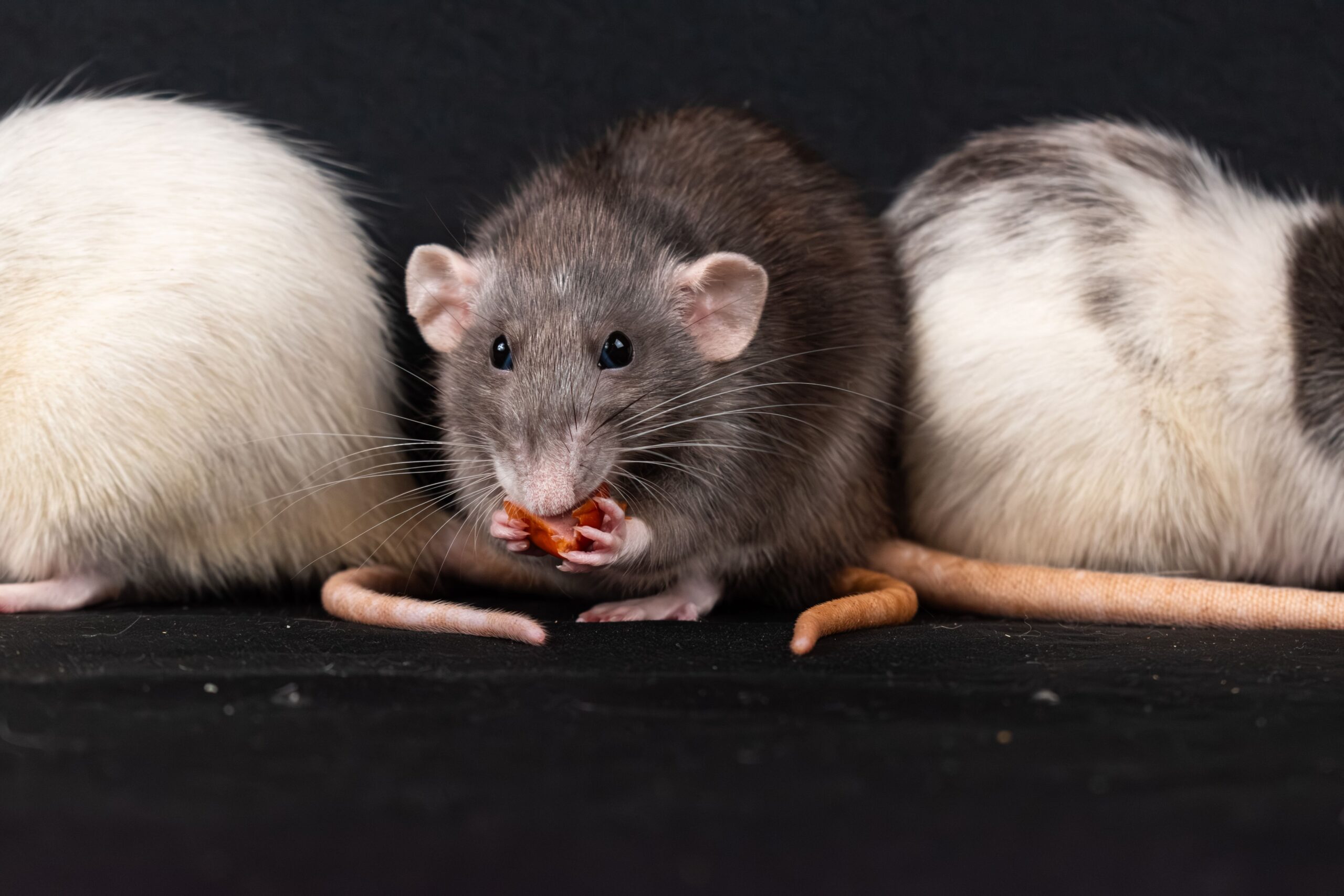
African giant pouched rats are native to sub-Saharan Africa and are among the world’s largest rats. According to the source material, they weigh around 2 to 3 pounds and can live for roughly six to eight years.
That makes them considerably different from the rats many people encounter in urban environments or keep as pets. Their large size is one reason the Sacramento Zoo expects them to attract attention from visitors who may never have seen the species before.
Their physical characteristics also contribute to their usefulness as working animals. Their powerful sense of smell gives them the ability to identify scents that humans cannot detect as easily, while their relatively light body weight makes them suitable for certain types of dangerous detection work.
The animals are also known for being solitary. Sacramento Zoo officials said the three rats will therefore rotate between a public habitat and two behind-the-scenes spaces rather than being displayed together.
That arrangement means visitors will see one HeroRAT at a time. The zoo can still give each animal time away from the public while allowing visitors to watch demonstrations of their trained abilities.
Visitors Will Eventually See The Rats At Work
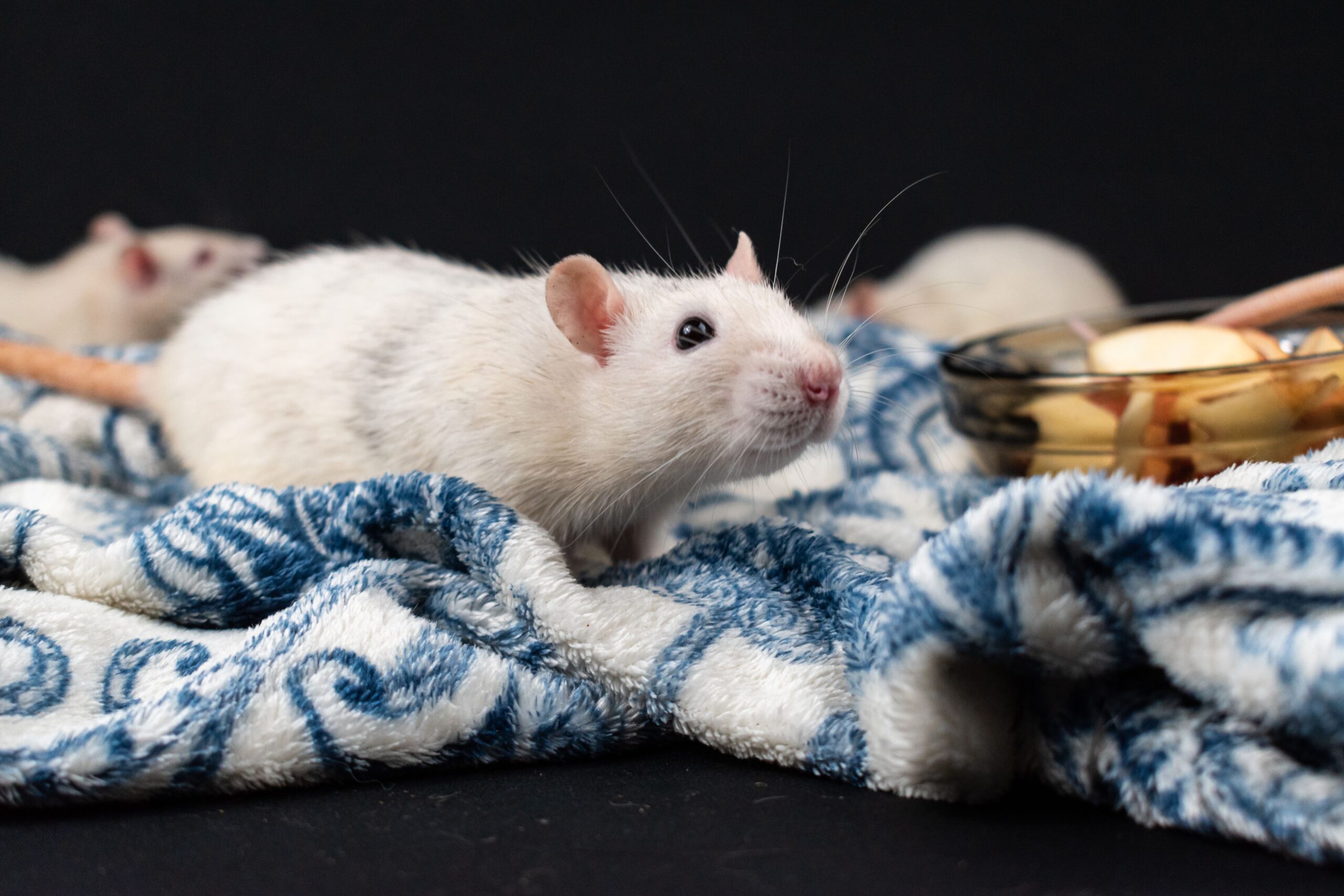
The Sacramento Zoo plans to turn the HeroRATs’ abilities into a regular educational experience. Once the animals have settled into their new surroundings, the zoo expects to demonstrate their scent detection skills at the amphitheater.
The planned demonstrations will involve one of the rats working through a maze wall to identify a new scent. Visitors will be able to watch the animal search for the target and see how its training translates into a practical detection task.
The demonstrations are intended to build on the zoo’s education program rather than simply present the rats as an unusual attraction. The animals provide a memorable way to introduce visitors to the issue of illegal wildlife trafficking and the work being done to combat it.
The zoo’s new habitat is located near the African cheetah habitat and includes an interactive component. That setting gives visitors an opportunity to learn about the trafficking of wildlife products while seeing an animal that has been trained to help detect some of those products.
The result is a rather unusual combination of entertainment and education. Visitors may arrive because they are curious about enormous rats, but the exhibit is designed to leave them with a better understanding of the conservation work behind the animals.
Why Scent Detection Matters In Wildlife Crime
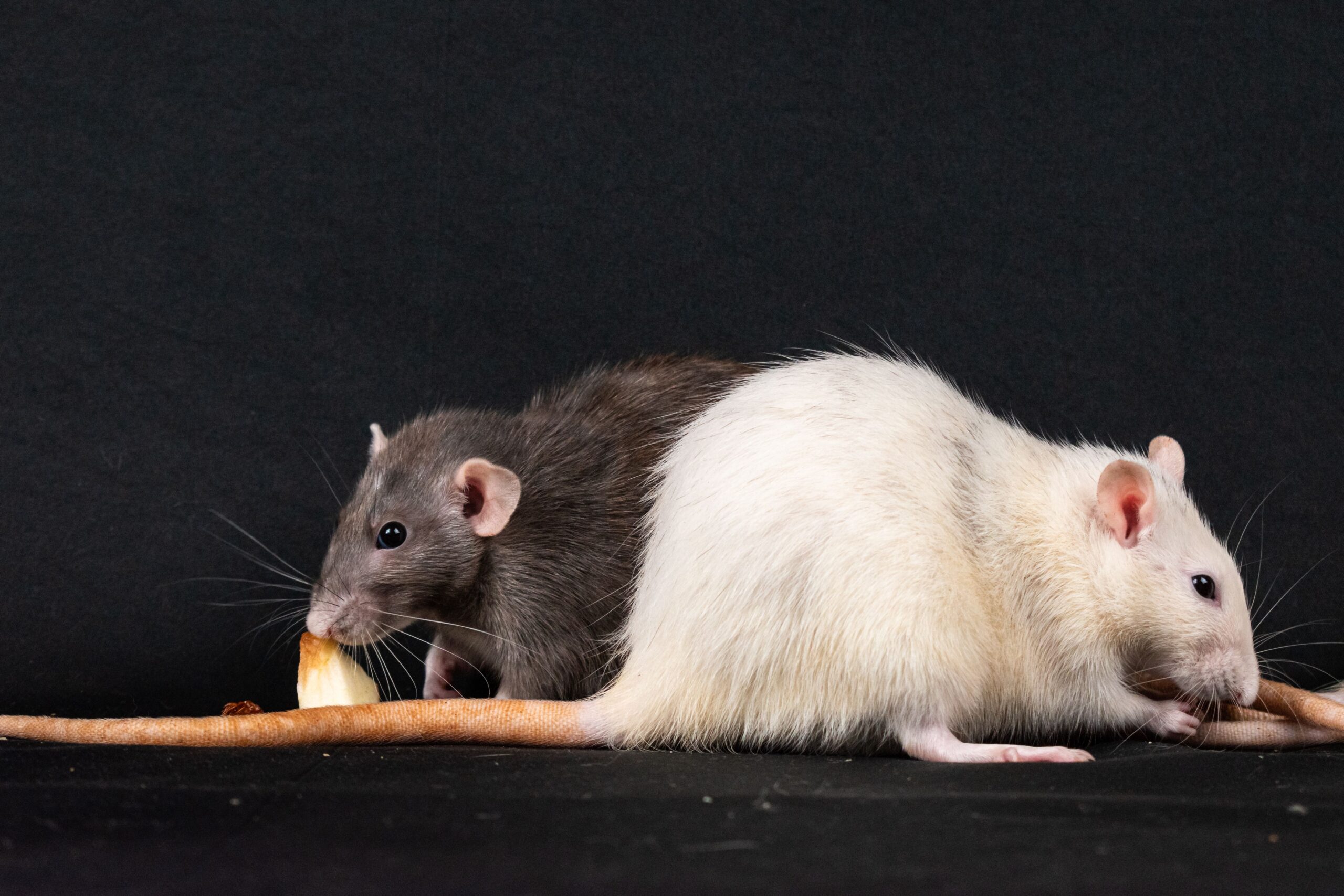
Wildlife trafficking can involve products that are difficult to identify through a simple visual inspection. Ivory, rhino horn, pangolin scales, and other materials can be concealed or processed, creating challenges for people trying to locate them.
A trained detection animal provides another method of searching for those products. Instead of depending entirely on a person recognizing a suspicious object, handlers can use the rat’s ability to detect a particular scent.
The rats do not investigate criminal cases or determine whether someone has broken the law. Their job is much more specific. They identify a scent they have been trained to recognize, and people can then decide whether further inspection is necessary.
That distinction is important because the HeroRATs’ abilities can sound almost unbelievable without the context of their training. The animals are not independently solving wildlife crimes. They are highly trained detection partners working alongside humans.
Their value comes from that partnership and from their ability to perform a task that would otherwise be more difficult.
A Giant Rat Becomes An Unlikely Conservation Ambassador
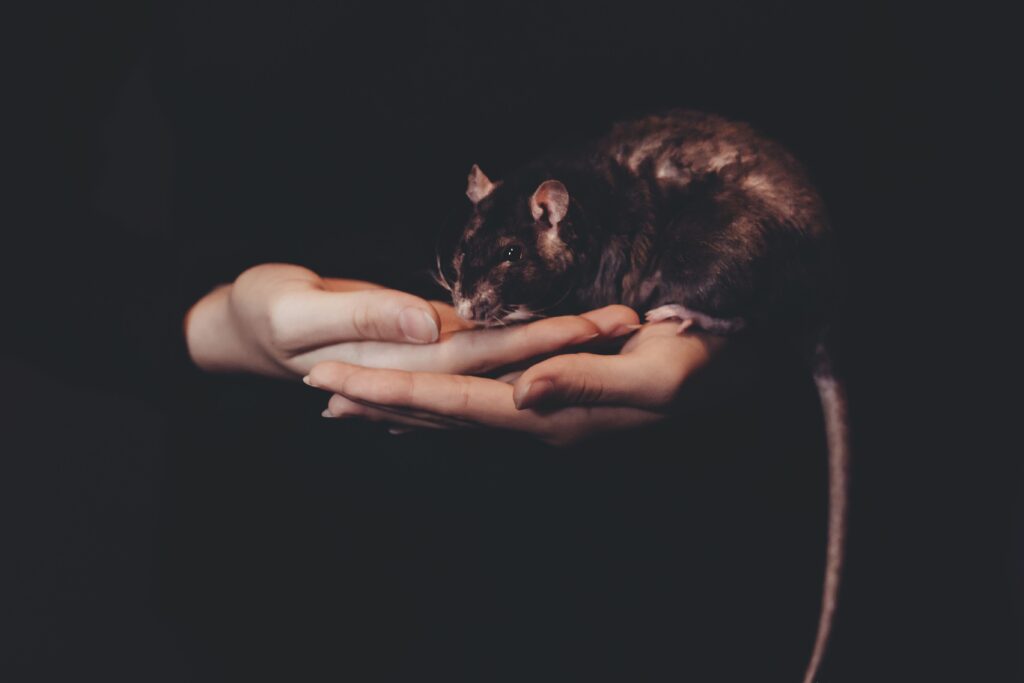
The Sacramento Zoo’s new residents may look like an unusual choice for conservation ambassadors, but their abilities give the zoo a compelling way to talk about wildlife crime.
Visitors who arrive simply wanting to see a giant rat can quickly find themselves learning about animals such as pangolins and rhinoceroses. The exhibit connects the unusual appearance of the HeroRATs with a much larger problem involving the illegal trade of wildlife products.
That approach can make a complicated conservation issue easier for a general audience to understand. Instead of beginning with statistics or technical explanations, the zoo can start with three living animals that have been trained to detect some of the products traffickers seek to move.
The rats also challenge a familiar perception of rodents. Their reputation may be associated with nuisance animals, but African giant pouched rats have been trained for work that can assist people in dangerous and difficult situations.
Their arrival therefore gives the Sacramento Zoo two stories to tell at once. There is the unusual story of three enormous rats moving into a California zoo, and there is the more serious story of how animals can be trained to help address threats facing people and wildlife.
The HeroRATs Have A Serious Job Behind The Novelty
It is easy to focus on the novelty of seeing giant rats at a zoo, particularly when those animals have such an unusual nickname. Their actual training, however, is what makes the Sacramento Zoo’s new residents stand out.
These African giant pouched rats have been trained to detect scents associated with landmines, tuberculosis, and trafficked wildlife products. Their arrival also gives zoo visitors an opportunity to learn about illegal wildlife trafficking through a hands-on exhibit and live demonstrations.
The animals will need time to settle into their new surroundings before regular HeroRAT demonstrations begin. Once those programs are established, visitors will be able to watch the rats put their remarkable sense of smell to work.
For a creature that many people might instinctively dismiss as an ordinary pest, the HeroRATs have an unexpectedly serious résumé. At Sacramento Zoo, that résumé is about to become part of the attraction.