
Your cart is currently empty!
Schumer’s New Bill Would Give the Pride Flag the Same Federal Protection as the Stars and Stripes
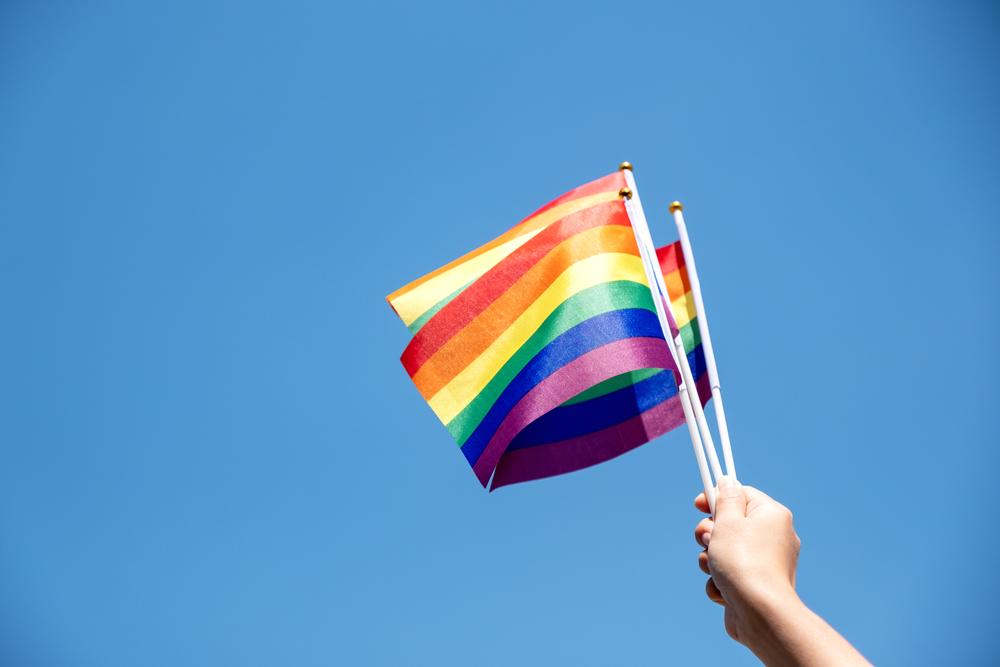
For nearly a decade, a rainbow flag flew above one of the most storied street corners in American civil rights history. Its presence at the Stonewall National Monument in Manhattan seemed as permanent as the bricks of the bar behind it. But a quiet federal directive in late January changed that, and the fallout has since escalated into a full-blown legislative battle on Capitol Hill.
Contents
show
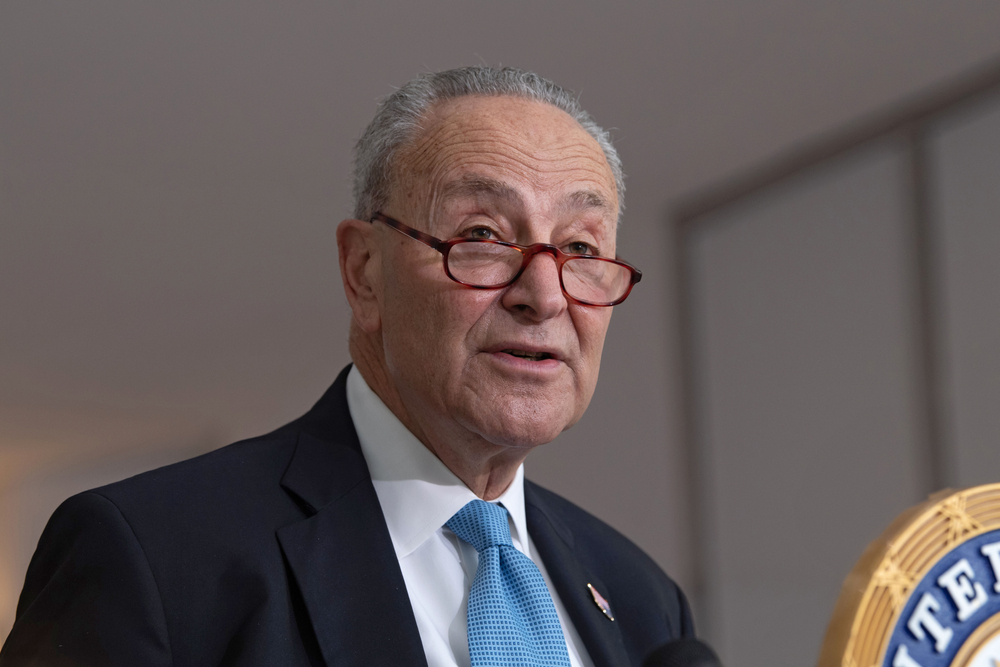
Senate Minority Leader Chuck Schumer announced plans over the weekend to introduce a bill that would place the Pride flag in the same legal category as the American flag, military flags, and POW/MIA flags. If passed, the legislation would designate it a congressionally authorized symbol, a classification that carries real legal weight in determining which flags can fly on federal property. Rep. Dan Goldman of New York will sponsor a companion bill in the House, with Sen. Kirsten Gillibrand also lending her support.
What sounds like a narrow dispute over flagpole policy at a single national park actually taps into something much larger: a question about which symbols deserve federal protection, who gets to decide, and what happens when an administration and a community disagree.
What Congressional Authorization Would Mean in Practice
The U.S. Flag Code and General Services Administration regulations govern federal flag policy. Under those rules, government flagpoles are reserved for a specific set of recognized flags. Congressional authorization would add the Pride flag to that protected list, effectively shielding it from removal under any future executive directive.
Without that status, the Pride flag remains vulnerable. Any administration can cite existing flag policy as grounds for taking it down from federal sites, which is precisely what happened at Stonewall earlier in February. Schumer’s bill would close that gap and apply the protection not just to Stonewall but to national parks and federal properties across the country.
Sacred Ground on Christopher Street
Understanding why a single flagpole in Greenwich Village sparked a national debate requires looking back more than half a century. In June 1969, a police raid on the Stonewall Inn, a gay bar on Christopher Street, triggered several nights of protests. Many historians regard that moment as the birth of the modern LGBTQ rights movement in America.
President Barack Obama designated the Stonewall National Monument in 2016, making it the first national monument dedicated to LGBTQ history. A Pride flag had flown at the site for years, a visual marker of the ground’s significance. For the LGBTQ community and its allies, it served as both a historical record and a living symbol.
So when the flag came down earlier in February, the reaction was immediate and fierce.
A Directive, Not a Direct Order
It is worth separating what happened from some of the more heated interpretations circulating online. President Trump did not sign an executive order targeting the Pride flag by name. He had, however, previously signed a broader directive restricting which flags could be displayed on federal property, with the stated goal of ensuring that the American flag remained the most prominent symbol at government sites.
Acting National Park Service Director Jessica Bowron then signed an internal memo in late January ordering the removal of “non-agency” flags from national parks. Certain exceptions applied. Historical flags, military flags, and federally recognized tribal nation flags could stay. Because no act of Congress had ever designated the Pride flag as an authorized symbol, it did not qualify for any of those exceptions.
At Stonewall, that meant the rainbow flag came down. From the administration’s perspective, the move was about regulatory consistency. From the community’s perspective, it was an act of erasure.
Defiance on the Sidewalk
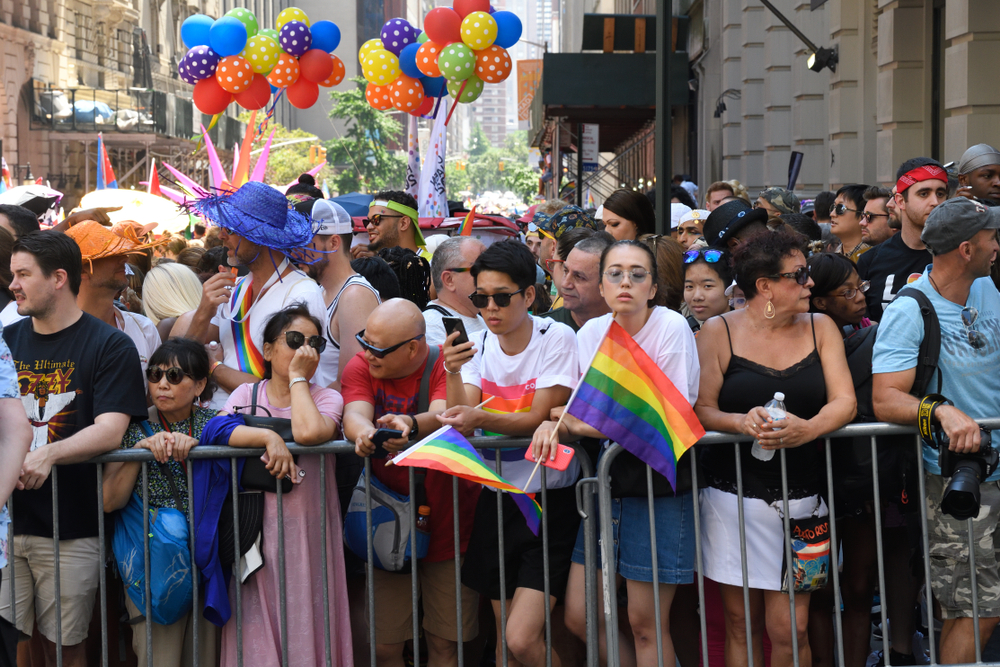
Local leaders and activists did not wait for a legislative solution. Within days, a coalition including Manhattan Borough President Brad Hoylman-Sigal, Assemblymember Tony Simone, and Stonewall Inn co-owner Stacy Lentz gathered at the monument and raised the flag again.
Hoylman-Sigal, who made history as Manhattan’s first openly LGBTQ borough president, said the community would not accept the removal. He made clear that if federal officials took the flag down a second time, it would go right back up. Lentz framed the moment in terms that went beyond symbolism. “I just want to make it clear we are not going to be erased, a human rights struggle from American history. I understand what the flag represents to some people, to see it intertwined with American flag is moving. Our history matters,” she said.
As of mid-February, the reinstalled flag remains in place. Federal authorities have not moved to take it down again, though the Department of the Interior has not indicated whether it considers the reinstallation authorized.
Schumer’s Broader Record
Schumer’s push to protect the Pride flag did not emerge from a vacuum. He has built a long legislative record on LGBTQ issues, most prominently as a key figure behind the Respect for Marriage Act. That bipartisan bill, signed into law by President Biden in 2022, provided federal protections for same-sex marriage in the event the Supreme Court were ever to overturn its 2015 Obergefell v. Hodges decision.
More recently, Schumer joined Gillibrand and Goldman in sending a letter to Interior Secretary Doug Burgum, demanding the immediate restoration of the Stonewall flag. He also pressed the administration during Pride month over cuts to federally funded HIV/AIDS prevention and treatment programs, calling on Health and Human Services Secretary Robert F. Kennedy Jr. to reverse billions in proposed reductions.
Against that backdrop, the new legislation reads as a natural escalation. “Stonewall is sacred ground and Congress must act now to permanently protect the Pride flag and what it stands for,” Schumer said. “Trump’s hateful crusade must end.”
Allies Add Their Voices
Several advocacy organizations and public figures lined up behind the bill. Kelley Robinson, President of the Human Rights Campaign, cast the effort as part of a broader push toward a future in which Pride flags carry the same sense of safety and belonging as the American flag itself. Robinson framed the bill not as a partisan maneuver but as a reflection of national identity.
Kenn Kid, representing the Gilbert Baker Foundation, offered a historical note. Gilbert Baker designed the original rainbow flag in 1978, intending it as a symbol for “all sexes, all genders, all races, all ages.” He called it “the rainbow of humanity.” For the foundation, seeing elected officials fight to protect the symbol Baker created nearly five decades ago carried deep personal meaning.
Matthew Bernardo, President of Housing Works, connected the flag to a longer lineage of civil rights and AIDS activism. He argued that the LGBTQ liberation movement and the civil rights movement laid the groundwork for the AIDS activists who later fought to save lives, and that the flag represented the full arc of that history.
How the Administration Responded

When asked about the flag’s removal, a Department of the Interior spokesperson pointed to existing federal guidelines. “All government agencies follow the longstanding federal flag policy that has been in place for decades. The United States Flag Code and the General Services Administration 41 CFR 102-74.415 give guidance regarding the display of flags on government flagpoles. Recent adjustments to flag displays at the monument were made to ensure consistency with federal guidance,” the statement read.
But when CBS News New York followed up to ask whether the administration would take action against the reinstalled flag, the response shifted in tone. Rather than addressing the flag question, the spokesperson criticized New York City officials, pointing to power outages, deaths on city streets, and trash buildup. The statement called the flag controversy “political pageantry” and accused local leaders and congressional representatives of being “utterly incompetent and misaligned” with the real problems facing New York.
A separate departmental statement affirmed that Stonewall National Monument remains committed to preserving and interpreting the site’s history through exhibits, programs, and educational initiatives. Neither the White House nor the Department of the Interior has directly addressed Schumer’s proposed bill.
A Bill with Long Odds and a Clear Message
Political reality tempers any expectations about the bill’s near-term prospects. As Senate Minority Leader, Schumer does not control the chamber’s agenda. Moving legislation through a Republican-led Senate and House would require bipartisan support that, given the current political climate, seems unlikely to materialize soon.
Yet legislation can serve purposes beyond immediate passage. By introducing the bill, Schumer forced a public conversation about which symbols the federal government should protect and why. He drew a clear line between the two parties on LGBTQ visibility at a moment when the administration has taken a series of steps that advocacy groups view as hostile to the community.
For the LGBTQ movement, Stonewall has always been more than a bar or a monument. It is the place where a generation decided to fight back. And now, more than half a century later, a new fight over that same ground is testing whether the symbols of that struggle can withstand the shifting priorities of whoever occupies the White House.
Whether or not this particular bill becomes law, it has already succeeded in one respect. A flagpole on Christopher Street is now at the center of a national argument about memory, identity, and who gets to define what an American landmark means. As Stacy Lentz put it from the sidewalk outside her bar, “Our history matters.”