
Your cart is currently empty!
Scientists Confirm First-Ever Ocean Virus Transmission to Humans
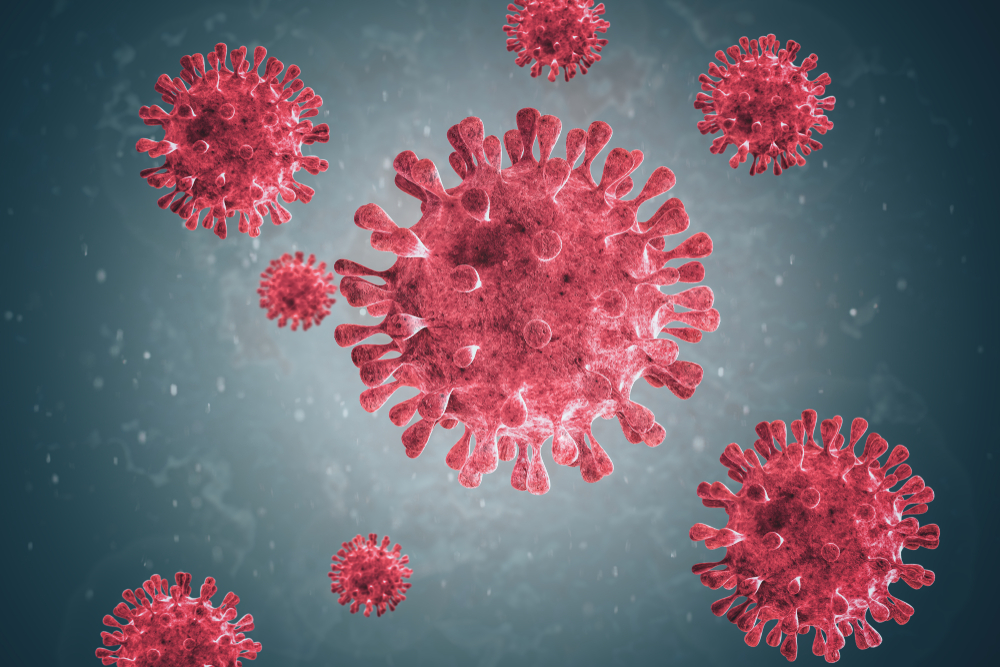
The idea that a virus could move from ocean life into humans has long sounded like something pulled straight from a science fiction storyline, but scientists are now confronting evidence that suggests this boundary may not be as fixed as we once believed. A marine virus, previously known only to affect aquatic animals, has now been linked to human infections in a small group of people in China, and while the number of confirmed cases remains relatively limited, the implications of this discovery are already sparking serious conversations across the global scientific community. It is not just the rarity of the event that makes it notable, but the fact that it challenges deeply rooted assumptions about how viruses behave and where they can exist.
Contents
show
At the same time, this is not simply a medical anomaly or an isolated health concern. It reflects something much broader about the evolving relationship between humans and the natural world, particularly as environmental pressures, changing food systems, and increasing interaction with marine ecosystems continue to reshape how species coexist. The emergence of a virus that can span such a wide range of hosts suggests that the invisible boundaries separating ecosystems may be weakening, raising uncomfortable but necessary questions about how future health risks might develop and what role human activity may be playing in accelerating these shifts.
A Virus Crosses an Unseen Boundary
For years, covert mortality nodavirus has been studied within the context of aquaculture, where it has been known to affect a wide range of marine species, including fish, shrimp, and other aquatic organisms. Its sudden appearance in humans has caught researchers off guard, particularly because of its unusual ability to infect vastly different forms of life. As one scientist explained, “That this virus can infect invertebrates, fish and mammals is pretty remarkable,” adding, “I can’t think of a virus with such a broad host range.” That level of adaptability is extremely rare and immediately raises concerns about how flexible and resilient this virus might be in unfamiliar environments.
Researchers who examined more than 70 infected individuals found that every single patient tested positive for the virus, strengthening the connection between the pathogen and the illness now being observed in humans. These cases, which have been tracked since 2022, provide some of the earliest insights into how the virus behaves outside of its original marine context, and the consistency of the findings suggests that this is not a coincidence or a one-off anomaly. Instead, it points toward a pattern that scientists are now trying to understand more deeply.
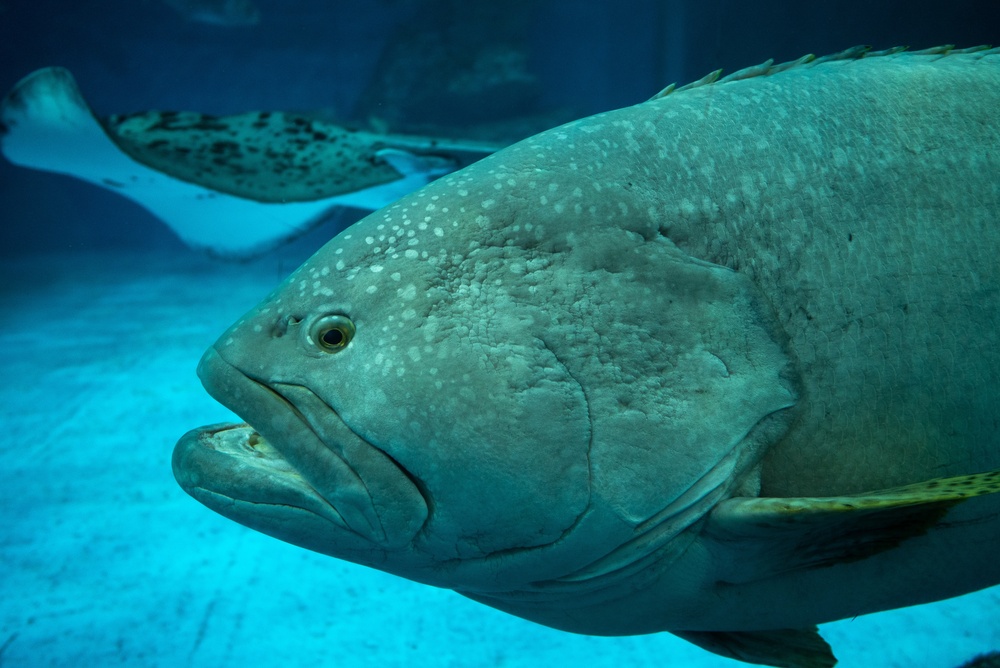
What makes the situation even more striking is the global footprint of the virus within aquatic ecosystems. In a large-scale analysis of 523 wild and farmed aquatic animals collected from different parts of the world, the virus was identified in 49 different species, including prawns, crabs, fish, sea cucumbers, and barnacles. In these animals, the effects appear relatively mild, often causing lethargy or changes in coloration, but their impact on humans appears to be far more severe and complex, highlighting how differently a pathogen can behave depending on its host.

The Disease It Causes: A Threat to Vision
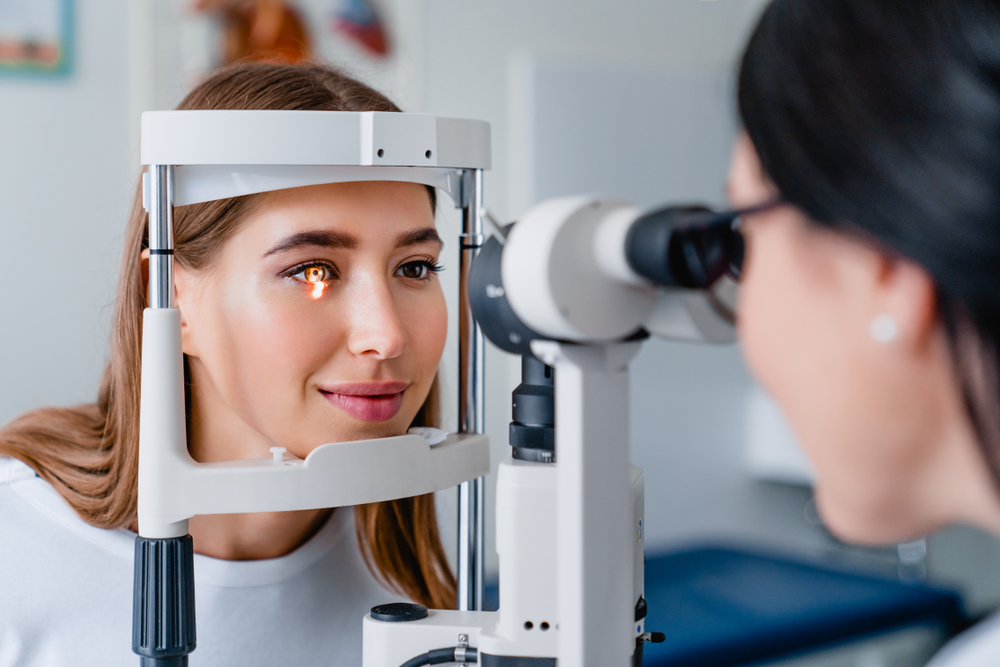
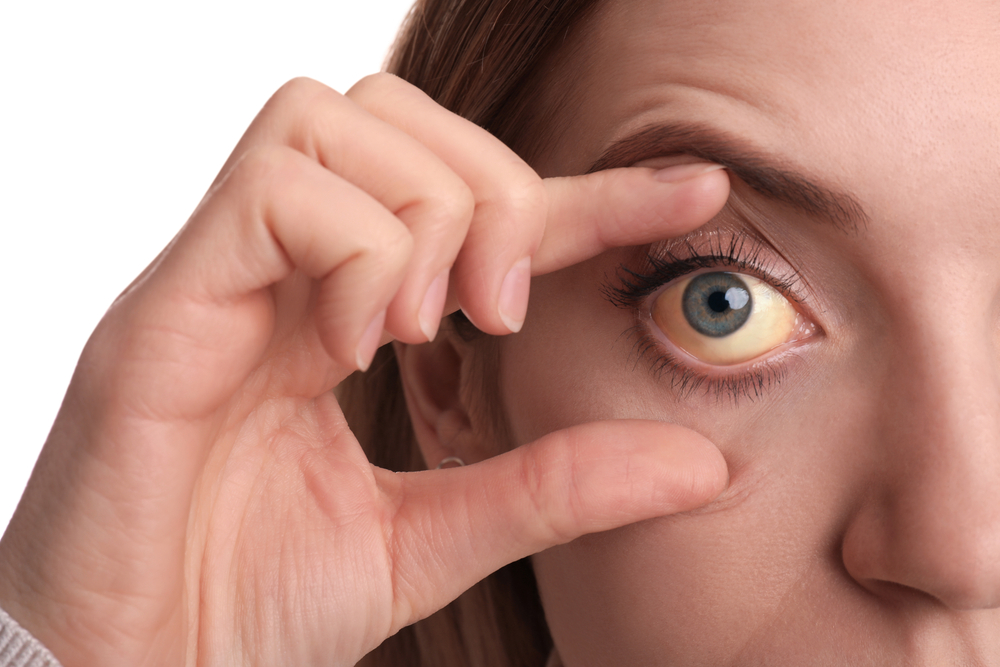
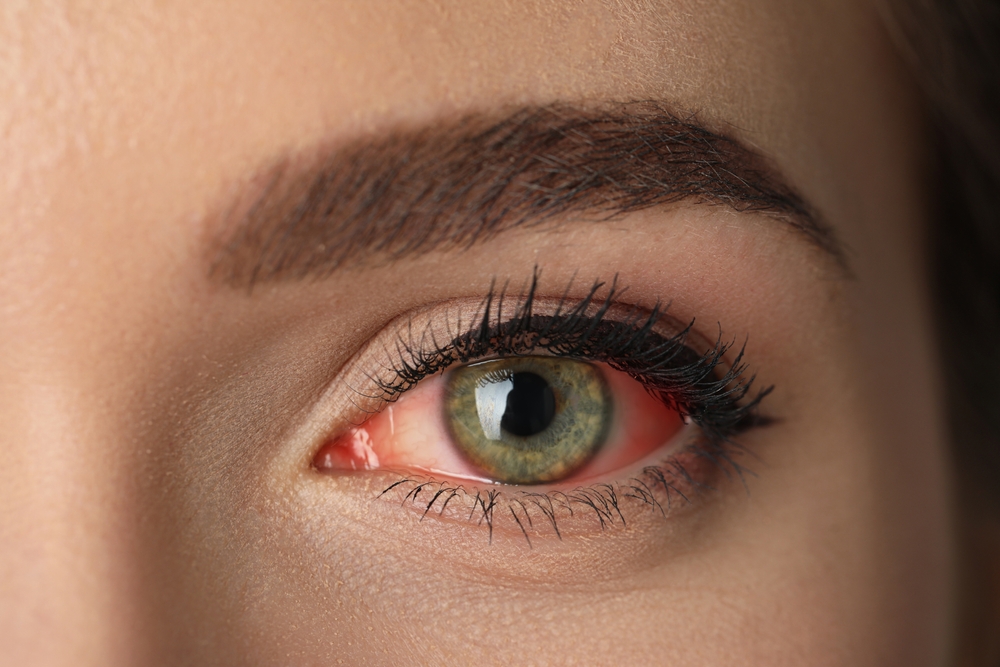
The condition linked to this virus is known as ocular hypertension viral anterior uveitis, a serious eye disorder that involves inflammation combined with increased internal pressure. This pressure can damage the optic nerve in a way that closely resembles glaucoma, which is already one of the leading causes of irreversible blindness worldwide. Because of this similarity, the condition has raised immediate concern among medical professionals, particularly due to how quickly it can progress if not addressed in time.
Patients affected by this condition often begin with symptoms such as swelling, discomfort, and changes in vision, which can initially seem manageable but may worsen if the underlying cause is not properly treated. As pressure builds inside the eye, it can begin to affect critical structures, leading to long-term complications that are difficult or impossible to reverse. The seriousness of this progression is reflected in reported outcomes, where “The individuals were given medication to ease the swelling, but approximately one-third still required surgery, and one person developed irreversible vision loss,” showing that even with intervention, the risks remain significant.
Further evidence comes from laboratory studies, where researchers exposed mice to the virus to better understand its effects. Within a month, the animals developed “obvious pathological changes in the cornea, iris and retina,” demonstrating that the virus has a direct and damaging impact on the eye’s internal structures. These findings reinforce the connection between the virus and vision-related complications, while also raising questions about how it might behave in other parts of the body or under different conditions.
How Did It Spread to Humans?
One of the clearest patterns observed among those infected is their connection to aquatic environments or seafood consumption, which points strongly toward direct exposure as a key factor in transmission. A large proportion of patients had either handled marine animals or consumed raw seafood, suggesting that the virus may enter the body through ingestion or through small breaks in the skin, particularly when proper protective measures are not in place. This aligns with broader patterns seen in zoonotic diseases, where close contact with animals often serves as the starting point for transmission.
Handling seafood without protection appears to be especially risky when cuts or injuries are present on the hands, as these can provide an easy entry point for pathogens. In some cases, however, individuals who had no direct contact with aquatic animals were still found to be infected, which complicates the picture and suggests that there may be additional pathways involved. An epidemiological analysis noted that certain patients had a “high risk of contracting covert mortality nodavirus, and had hand injuries at the time of handling aquatic animals,” which raises the possibility that indirect exposure or secondary transmission could be playing a role.
There are also early signs that the virus may have the ability to spread between humans, although this has not yet been definitively confirmed. Some clusters of cases within families have led researchers to consider whether close contact might allow for transmission, but the evidence remains limited and inconclusive. Even so, the mere possibility adds another layer of concern and highlights the need for continued monitoring and investigation.
Climate Change and the Rise of New Pathogens
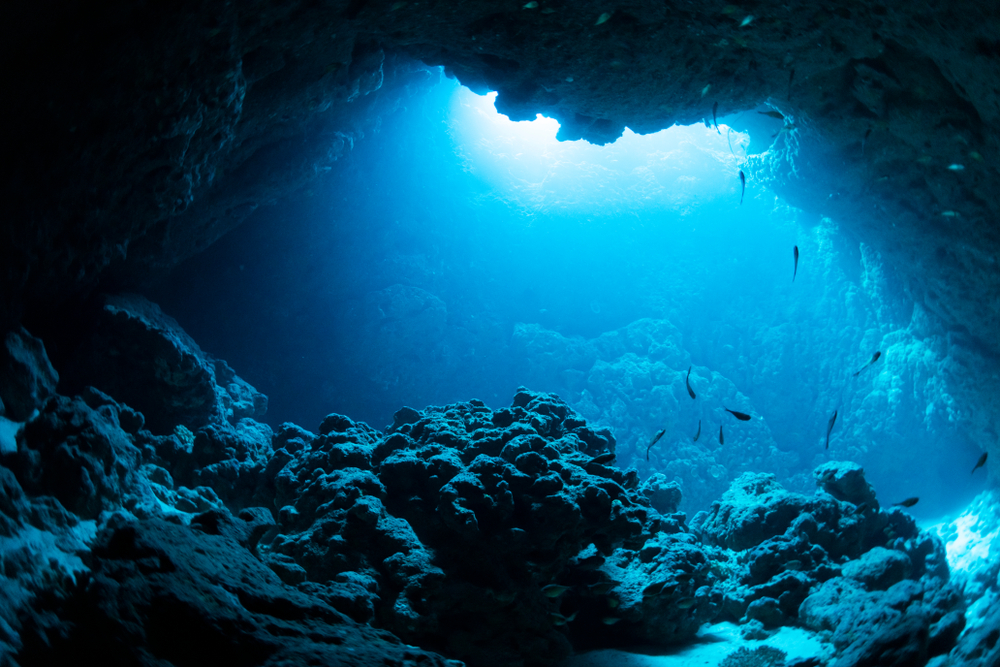
The emergence of a virus like this cannot be separated from the broader environmental changes taking place across the planet, particularly within marine ecosystems that are undergoing rapid transformation. Rising ocean temperatures, shifting habitats, and increasing levels of pollution are all contributing to conditions that can alter how viruses survive, evolve, and interact with different species. Warmer waters, for example, can influence viral replication rates and expand the environments in which certain pathogens can thrive, potentially increasing their chances of crossing into new hosts.
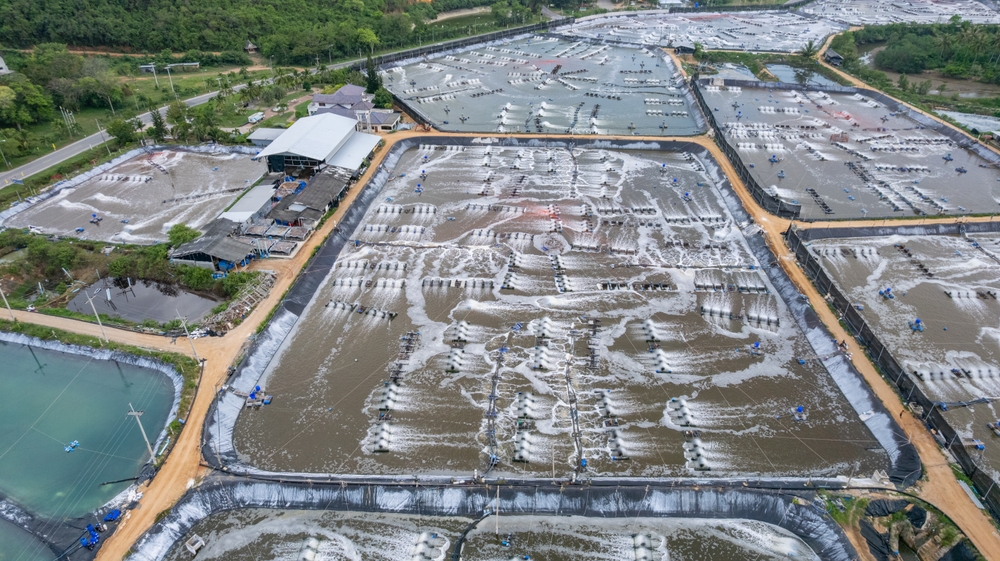
At the same time, human activity has intensified contact with these environments in ways that were far less common in the past. The rapid expansion of aquaculture, combined with growing global demand for seafood and increasingly complex supply chains, has created more opportunities for pathogens to move between species and across regions. When these factors are combined with environmental stress, they can create a perfect set of conditions for unusual transmission events to occur.
Scientists have long been concerned about zoonotic diseases, which are responsible for many major outbreaks in recent history, but the possibility of a marine-based virus entering this category introduces a new dimension to the conversation. It suggests that the scope of potential health risks may be broader than previously understood, particularly as environmental and ecological systems continue to shift in unpredictable ways.
A Global Food System Under the Microscope
Seafood is a vital source of nutrition for billions of people around the world, making any potential health risks associated with it particularly significant. The discovery of this virus in both marine species and humans highlights the importance of how seafood is handled, prepared, and monitored across global supply chains. While the current level of risk remains relatively low, the widespread presence of the virus in aquatic life suggests that it is something that cannot be ignored.
Proper cooking and safe handling practices are among the most effective ways to reduce the risk of infection, particularly when it comes to raw or undercooked seafood. For those working in fisheries or aquaculture, protective measures such as gloves and strict hygiene protocols become even more important, especially when dealing with live or freshly harvested animals. These are not new recommendations, but their importance is reinforced by the emergence of new and unexpected threats.
The global nature of seafood distribution also means that monitoring efforts need to be coordinated across regions, rather than handled in isolation. Tracking the presence of pathogens in different species and environments will be essential for understanding how risks evolve and for ensuring that appropriate safeguards are in place.
What Scientists Still Don’t Know
Despite the progress made in identifying and studying this virus, there are still many unanswered questions that researchers are working to address. One of the most pressing uncertainties is whether the virus can reliably spread from human to human, and if so, under what conditions this might occur. There is also the possibility that the virus may have passed through another species before reaching humans, which could provide important clues about how it evolved and adapted.
Another key question is how widespread the virus may already be in human populations, particularly if there are mild or undiagnosed cases that have gone unnoticed. This is a common challenge with emerging diseases, where early detection can be difficult and initial cases may not fully reflect the scale of the issue. Understanding the true extent of the virus will require continued surveillance and more comprehensive data collection.
Researchers are also trying to determine how long the virus has existed in its current form and whether environmental changes may have played a role in its emergence. Each of these questions adds another layer to an already complex situation, and answering them will be crucial for assessing future risks.
A Wake-Up Call, Not a Crisis
Experts are clear that this is not an epidemic and does not currently pose a major threat to the general population, but that does not mean it should be dismissed. Its significance lies in what it reveals about the changing dynamics between humans and the natural world. As one researcher explained, “I think it’s very likely that the virus will be present in other species that we’ve not yet sampled,” while also noting, “I don’t think it can be totally excluded that it passed through another species first, perhaps even another mammal… It’s not an epidemic.”
These insights reflect a cautious but serious approach to the discovery, acknowledging both the uncertainty and the importance of continued vigilance. The situation is less about immediate danger and more about recognizing early warning signs and understanding how similar events might unfold in the future.
Rethinking Our Relationship With Nature
The appearance of a marine virus in humans is not just a scientific milestone, but a reflection of broader environmental changes that are reshaping how species interact with one another. As climate change, global trade, and human expansion continue to influence ecosystems, the boundaries that once separated different forms of life are becoming less distinct.
This does not mean that such events are inevitable or beyond control, but it does highlight the importance of awareness, preparation, and responsible action. By recognizing the deep connections between environmental health and human health, it becomes possible to respond more effectively to emerging challenges and reduce the likelihood of similar occurrences.
Ultimately, this story serves as a reminder that the health of the planet and the health of its people are inseparable, and that protecting one is essential to preserving the other.
Sources:
- Family: Nodaviridae | ICTV. (n.d.). https://ictv.global/report/chapter/nodaviridae/nodaviridae
- Choi, C., Kim, H. M., Shon, J., Park, J., Kim, H., Kang, S. H., Oh, S., Kim, N. K., & Kim, O. J. (2018). The combination of mannitol and temozolomide increases the effectiveness of stem cell treatment in a chronic stroke model. Cytotherapy, 20(6), 820–829. https://doi.org/10.1016/j.jcyt.2018.04.004