
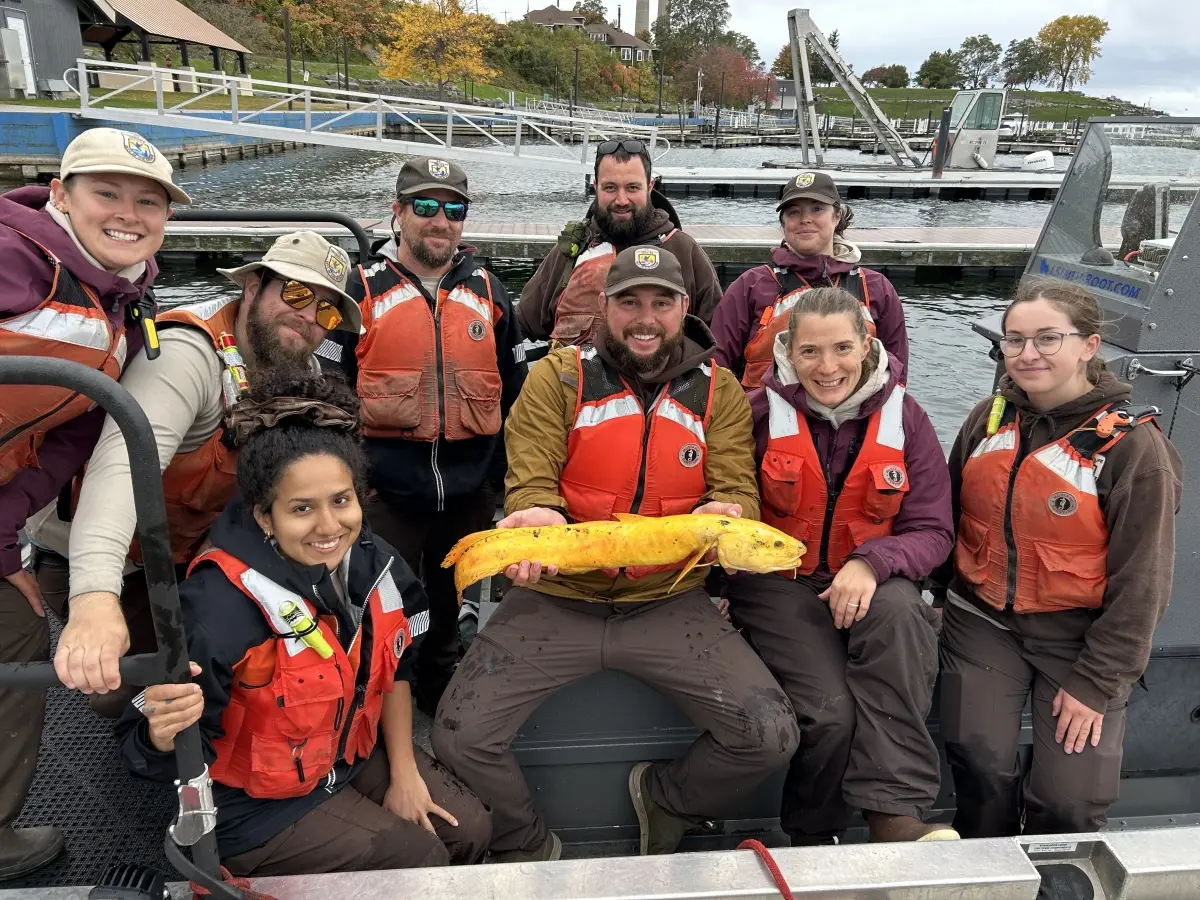
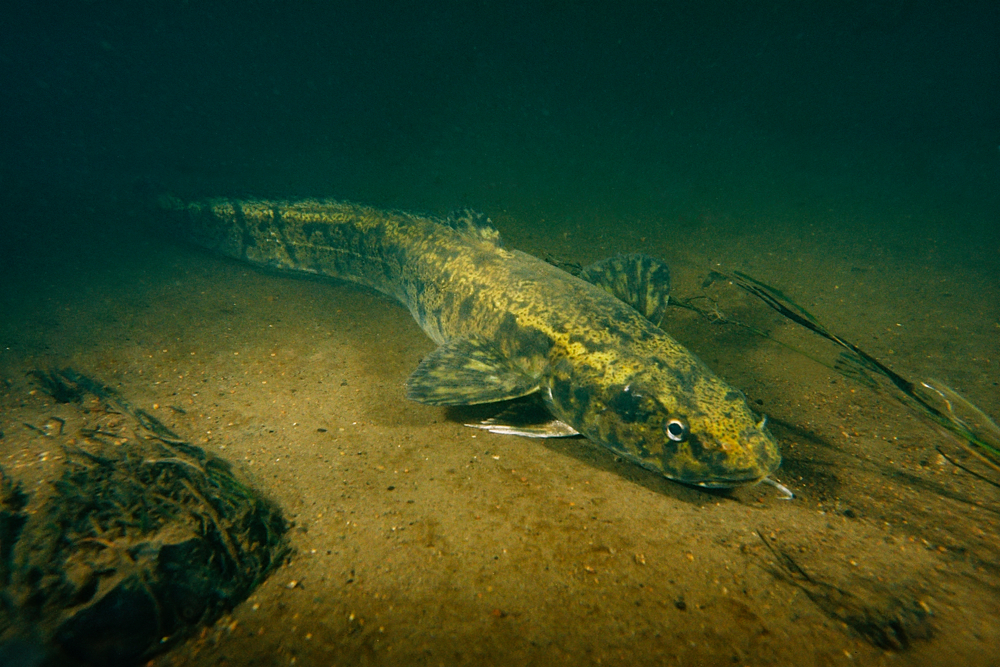
A routine fish survey in New York has uncovered an extraordinary sight that researchers were not expecting. Biologists searching for invasive species in Oswego Harbor pulled a brilliantly colored yellow fish from the water, and its appearance was so unusual that it immediately stood out. The fish was a burbot, a native Great Lakes species that normally has much more subdued coloring. Its striking yellow-orange appearance was caused by an exceptionally rare biological condition known as xanthochromism.
However, the unusual coloring was only part of what made the discovery so significant. Researchers examining the fish noticed that it was emaciated and appeared to be in poor health. Burbot populations in the lake are already extremely low, leaving scientists with additional questions about the species and the factors affecting its survival. The unusual specimen has since been sent to Cornell University College of Veterinary Medicine for further examination, potentially offering valuable information about a struggling native fish population.
A Routine Fish Survey Produces An Extraordinary Discovery
The unusual discovery happened last month during an Aquatic Invasive Species Survey in Oswego Harbor, New York. Biologists with the U.S. Fish and Wildlife Service were carrying out routine monitoring when they caught a burbot with an exceptionally bright yellow-orange appearance. The fish was unlike the typical specimens researchers would expect to encounter, making it an especially memorable catch during an operation designed primarily to locate invasive species.
The U.S. Fish and Wildlife Service described the fish as one that would make even the brightest fall foliage look pale in comparison. Although burbot are native to the Great Lakes, their populations in the lake are extremely low. The species also generally prefers deeper, cooler waters than those found within Oswego Harbor, adding another unusual detail to the discovery.
The capture represented the first documented detection of a burbot during a fisheries survey in Oswego Harbor. A few anglers had previously reported catching the species, but researchers had not recorded one during the monitoring operation before this encounter. Finding such a rare native fish was already significant, and its extraordinary coloration made the discovery even more unusual.
The survey team photographed the specimen and documented the encounter, giving researchers an opportunity to examine a fish displaying a rare pigmentation condition. What began as an ordinary search for invasive species had produced an unexpected discovery involving one of the region’s less frequently encountered native fish.
Why The Rare Burbot Has Such Bright Yellow Coloring
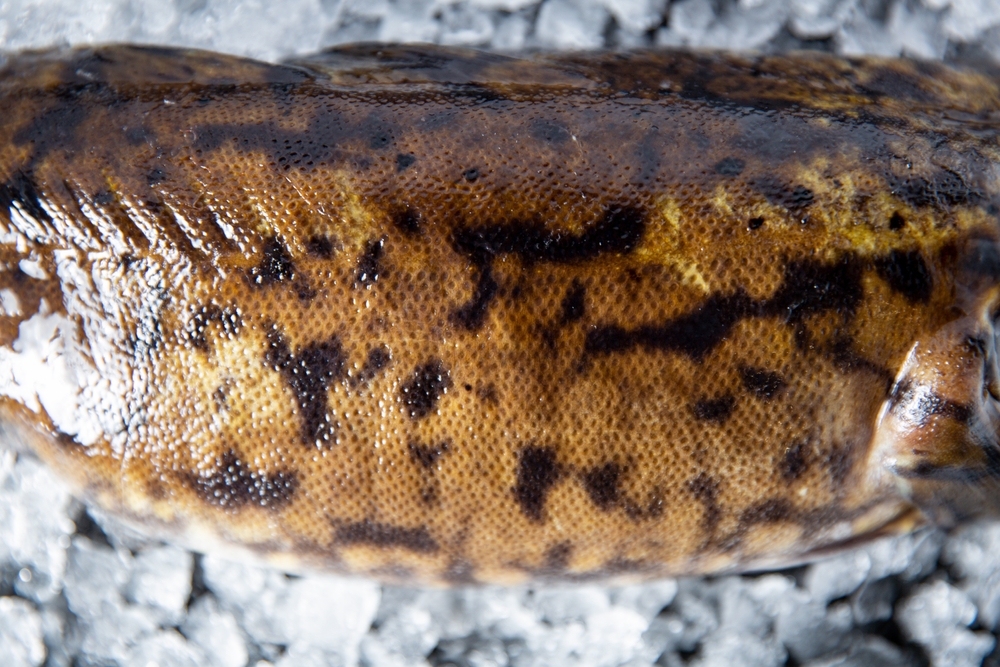
The fish’s unusual appearance is caused by a condition known as xanthochromism. It is a rare biological condition associated with a genetic mutation that suppresses normal pigmentation, producing a saturated yellow-orange appearance. Instead of the more familiar coloring associated with burbot, this individual displayed a striking shade that made it immediately recognizable.
Xanthochromism Is Particularly Uncommon In Wild Fish
The condition is considerably less common in wild fish than albinism or melanism. These pigmentation conditions affect an animal’s normal coloration in different ways, producing appearances that can be very different from those typically seen in its species. Xanthochromism is associated with unusually yellow or orange pigmentation, which explains the burbot’s remarkable appearance.
The conservation office described the condition as especially unusual, explaining: “Xanthochromism in wild fish is considerably less common than albinism or melanism, making this an especially unusual capture.”
That rarity makes the specimen interesting from a biological perspective. Researchers have an opportunity to examine an individual with an uncommon pigmentation condition while also investigating its physical health. However, the available findings do not establish that xanthochromism contributed to the fish’s poor condition.
Burbot Populations Are Already Extremely Low
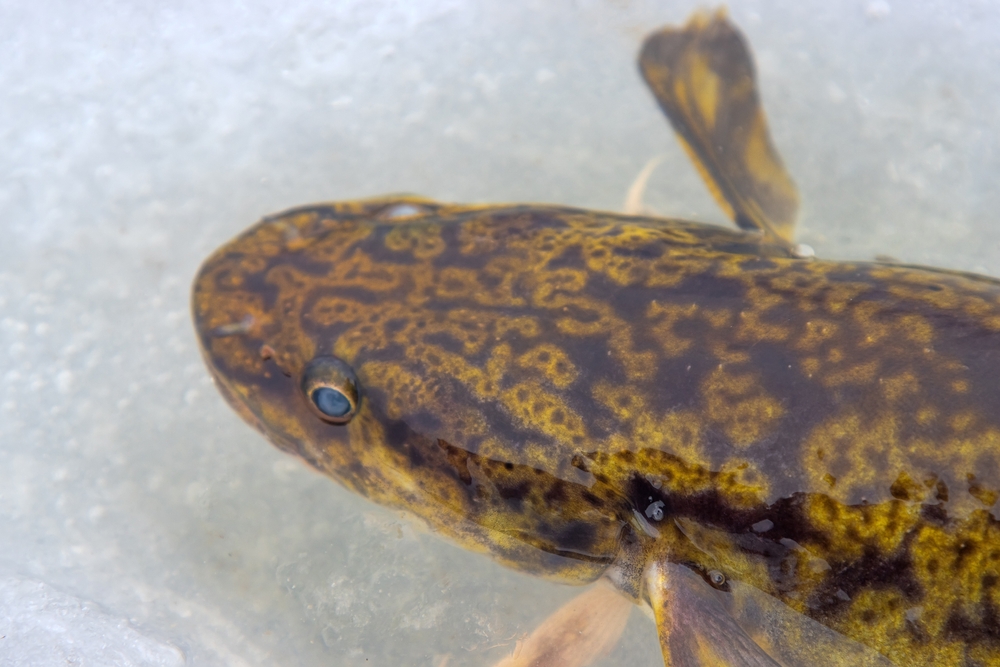
The discovery becomes more significant when considering the condition of burbot populations in the Great Lakes. These fish are native to the region, but their numbers in the lake are extremely low. Their typical preference for deeper, cooler waters also makes an encounter in Oswego Harbor particularly noteworthy.
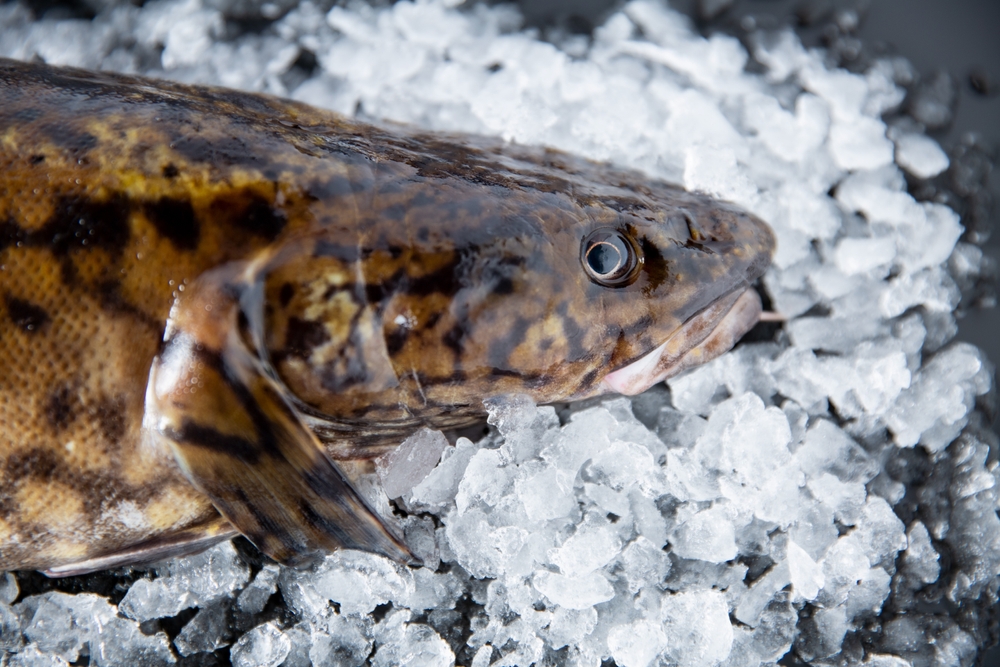
Burbot are freshwater fish that occupy colder aquatic environments. Their unusual appearance in the harbor raises questions about their distribution and how frequently they may be present in areas where researchers do not commonly detect them. The first documented capture during a fisheries survey gives scientists another observation to consider when studying the species.
The fish’s poor physical condition added another concern. During processing, researchers noticed that the specimen was emaciated and appeared unhealthy. Since the reasons behind the continued suppression of burbot populations remain unexplained, examining this individual could provide useful information for future research.
A single fish cannot explain what is happening to an entire population. However, unusual specimens can give researchers opportunities to investigate individual health conditions and gather information that may help guide wider conservation efforts.
The Survey Was Actually Searching For Invasive Species
There is another surprising detail behind the discovery. The research team was not specifically looking for rare yellow fish or unusual native specimens. Its primary objective was to identify potentially harmful invasive species entering Great Lakes waterways through the U.S. Fish and Wildlife Service’s Aquatic Invasive Species Early Detection and Monitoring Program.
Invasive species can create serious challenges for aquatic ecosystems, particularly when they establish populations and begin spreading. During the early stages of an invasion, their numbers may be extremely low, making them difficult to detect through ordinary observation. Finding them early gives fisheries managers a better opportunity to introduce prevention and removal measures before populations become more established.
Researchers Use Multiple Techniques To Detect Fish
The monitoring program uses several different methods to increase the likelihood of finding species that might otherwise go unnoticed. These include:
- Electrofishing: A fish-survey technique used to help capture fish for examination.
- Fyke-netting: A net-based sampling method used to capture fish in aquatic environments.
- Gill-netting: A technique that uses fishing nets to survey fish populations.
- Environmental DNA (eDNA): An approach that examines genetic material collected from environmental samples to help identify species.
Using several approaches allows researchers to collect information from different parts of aquatic environments. This becomes particularly useful when a species is difficult to locate or exists in very small numbers.
The same monitoring strategy that helped biologists encounter the unusual burbot can also improve their chances of detecting newly arriving invasive species. The discovery therefore demonstrated the wider value of the program beyond its original purpose.
Why Finding A Rare Native Fish Matters
Most fish caught during Aquatic Invasive Species surveys are native species that researchers already expect to find in the Great Lakes. However, occasionally encountering a rare native animal provides another way to evaluate how effectively the monitoring program detects less common species.
The U.S. Fish and Wildlife Service explained the significance of the discovery with a straightforward observation: “An effective survey strategy, along with a bit of luck!” The statement reflects how an operation designed to detect invasive species ended up documenting an unusually rare example of native biodiversity.
Detecting a native species that is rarely encountered during routine sampling suggests that the monitoring methods can identify animals that are much less likely to appear in surveys. This ability could prove particularly useful when invasive species first enter a new environment, as their populations may initially be extremely small.
The discovery also provides researchers with another opportunity to document unusual biological occurrences and examine the condition of native wildlife. Long-term monitoring can reveal changes in biodiversity and help scientists develop a clearer understanding of aquatic ecosystems.
Scientists Send The Unhealthy Fish To Cornell University
While the yellow burbot attracted attention because of its unusual appearance, researchers noticed something concerning when they examined its physical condition. United States Geological Survey fisheries biologists familiar with the species observed that the fish was emaciated and appeared to be in poor health. The finding raised additional questions because burbot populations in the lake are already extremely low.
The precise reasons behind the fish’s condition have not been established. Researchers also have not confirmed whether its unusual pigmentation played any role in its health problems. These unanswered questions made further examination necessary, particularly given the wider concerns surrounding the species’ continued population suppression.
The Health Analysis Could Provide Valuable Information
The fish was sent to Cornell University College of Veterinary Medicine for a health analysis. The examination could help researchers better understand its physical condition and potentially provide information relevant to burbot populations throughout the Great Lakes basin.
The U.S. Fish and Wildlife Service described the potential value of the discovery, stating: “The discovery could turn out to be lucky for the burbot too; this exceptionally rare fish may provide valuable insight into the health of the species’ populations throughout the basin that can inform management actions.”
The findings could help inform future management decisions involving the species. Researchers still have questions about the factors contributing to the continued suppression of burbot populations, and examining an unusual specimen could provide another piece of useful information.
For now, the health analysis remains an important part of the discovery. The fish’s rare coloration attracted attention, but its physical condition may prove equally valuable to scientists studying the species.
Great Lakes Monitoring Reveals More Than Invasive Species
The unusual burbot highlights how wildlife monitoring programs can uncover discoveries beyond their original objectives. Surveys designed to identify invasive species can also document native biodiversity, record unusual biological conditions, and provide researchers with information about animals that are rarely encountered.
The Great Lakes monitoring program uses multiple sampling techniques to improve the chances of detecting species across harbors, rivers, and embayments. This broad approach allows scientists to examine aquatic environments while building a better understanding of the species living within them.
The yellow burbot demonstrates the value of that work. Its appearance during a routine survey gave researchers an opportunity to document a rare native fish, investigate its unusual pigmentation, and examine its poor physical condition. Each observation contributes another piece of information about the region’s aquatic wildlife.
The U.S. Fish and Wildlife Service has emphasized that long-term monitoring helps scientists document biodiversity, identify unusual biological occurrences, and better understand ecosystem health. The discovery in Oswego Harbor provides a particularly striking example of what these efforts can reveal.
The next important development will come from the examination at Cornell University. If the analysis provides useful information about the fish’s health, this extraordinary catch could help scientists better understand a native species that remains difficult to find in the Great Lakes.
Featured Image Source: USFWS Aquatic Invasive Species