
Your cart is currently empty!
Scientists May Have Found A Way To Make More Kidneys Compatible With Patients
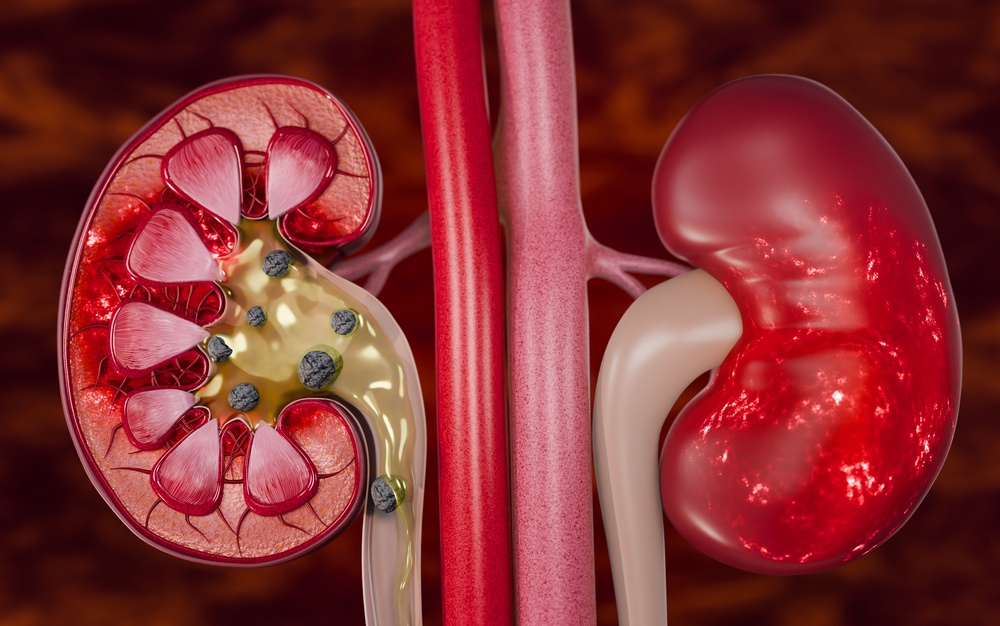
A kidney transplant can come down to a microscopic detail that patients have no control over: blood type. Now, researchers have successfully transplanted a human kidney after changing its blood-type markers, potentially opening a much larger pool of organs to people who have spent years waiting.
Contents
show
The experimental kidney was converted from blood type A toward type O using specially developed enzymes. It was then transplanted into a blood-type-mismatched human recipient, where it functioned for two days without the devastating immune reaction normally associated with an incompatible organ.
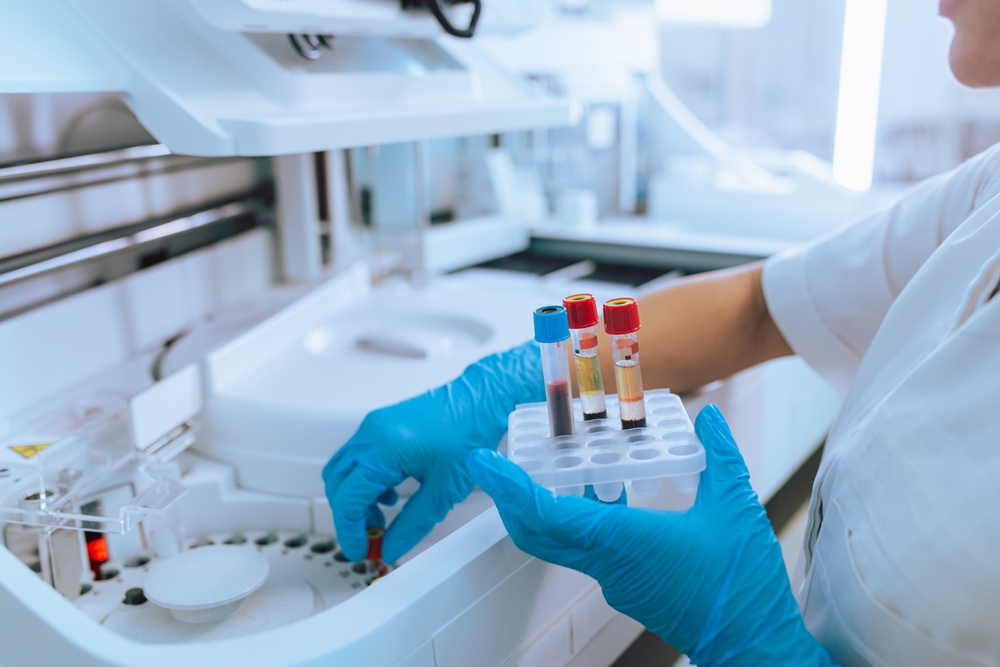
Researchers Successfully Tested The Converted Kidney In A Human
The experiment represents a major step in research aimed at overcoming one of the biggest barriers in kidney transplantation. Researchers took a donor kidney with type A blood markers and treated it with enzymes designed to remove the sugars responsible for identifying the organ as type A.
The converted kidney was then transplanted into a brain-dead recipient whose blood type did not match the original organ. Using a brain-dead recipient allowed scientists to closely monitor what happened inside the human body without exposing a living patient to the risks of an experimental transplant.
For the first two days, the kidney functioned without signs of hyperacute rejection. This is the rapid immune reaction that can destroy an incompatible organ within minutes or hours. By the third day, some blood-type markers began to reappear, causing a mild immune response, but the damage was far less severe than researchers would normally expect.
Dr. Stephen Withers, a University of British Columbia professor emeritus of chemistry who co-led the enzyme research, described the experiment as a first in human research. “This is the first time we’ve seen this play out in a human model,” Withers said, adding that the results provide valuable information for improving long-term transplant outcomes.
The Blood-Type Problem Has Kept Patients Waiting For Years
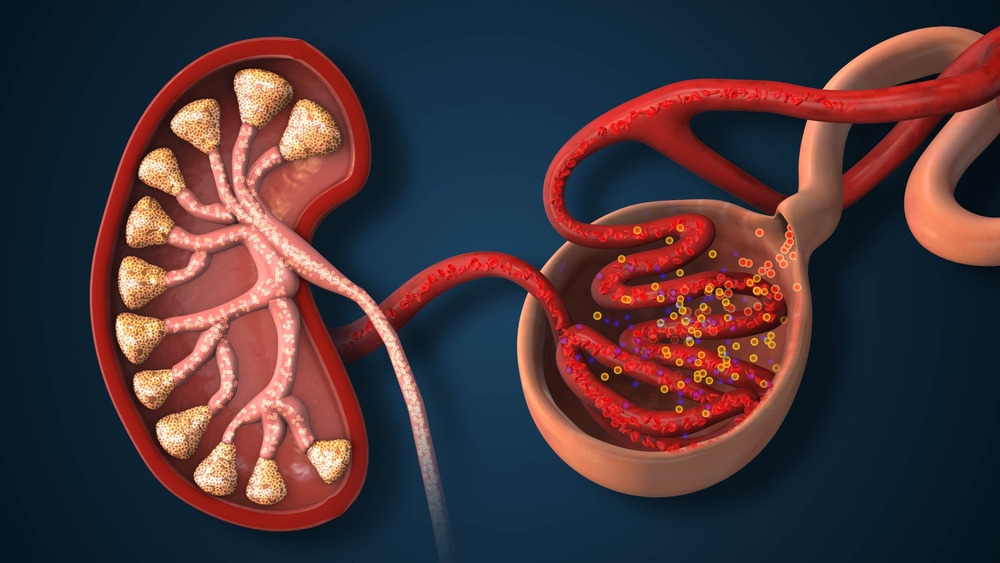
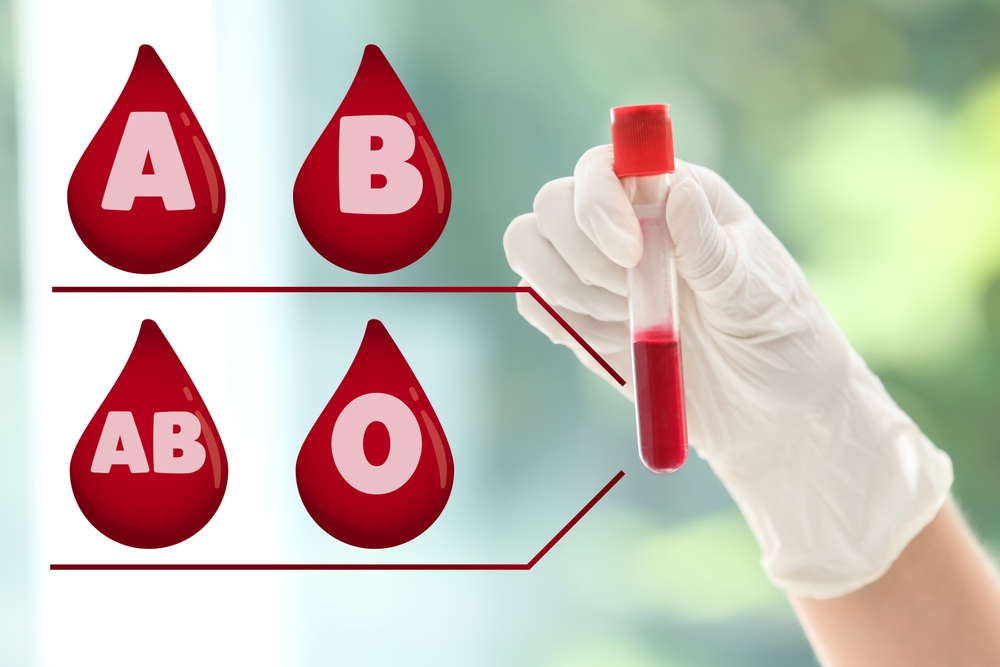
Blood-type compatibility is a major issue because organs carry many of the same identifying markers found on blood cells. These markers, known as antigens, can be recognized by the recipient’s immune system when a transplanted organ carries a different blood type.
Type O patients face a particularly difficult problem. A type O kidney can generally be transplanted into recipients with other blood types, while people with type O blood usually need a type O kidney. That means compatible organs can be used by other patients while type O recipients continue waiting for a suitable match.
According to the supplied research material, people with type O blood make up more than half of kidney waitlists and can wait two to four years longer for an organ. Some patients die before receiving a transplant, turning the shortage of compatible kidneys into a race against time for those with serious kidney disease.
Doctors already have methods for attempting blood-type-incompatible transplants, but they can require intensive treatment. Patients may need procedures to remove antibodies and suppress their immune systems before receiving an incompatible organ. The new approach takes a different route by changing the organ before transplantation rather than heavily modifying the recipient.
The Scientists Are Removing The Organ’s Blood-Type Label
The technology works by targeting the sugars that identify type A blood. Researchers developed enzymes capable of cutting away those markers from the surface of blood cells and organ blood vessels, leaving behind a structure that resembles type O.
Withers compared the process to stripping away a layer of paint from a vehicle. “It’s like removing the red paint from a car and uncovering the neutral primer,” he said. The basic idea is that once the identifying marker has been removed, the recipient’s immune system has fewer reasons to recognize the organ as carrying an incompatible blood type.
The enzymes were developed through more than a decade of research. In the early 2010s, Withers and UBC colleague Dr. Jayachandran Kizhakkedathu were investigating ways to remove blood-type sugars in an effort to create more universally compatible blood.
The breakthrough came in 2019, when researchers identified two highly efficient enzymes capable of selectively removing the type A antigen. Kizhakkedathu said their properties made the concept feasible because the enzymes were “highly active, highly selective, and work at very low concentrations.”
The Idea Took Years To Move From Blood To Organs
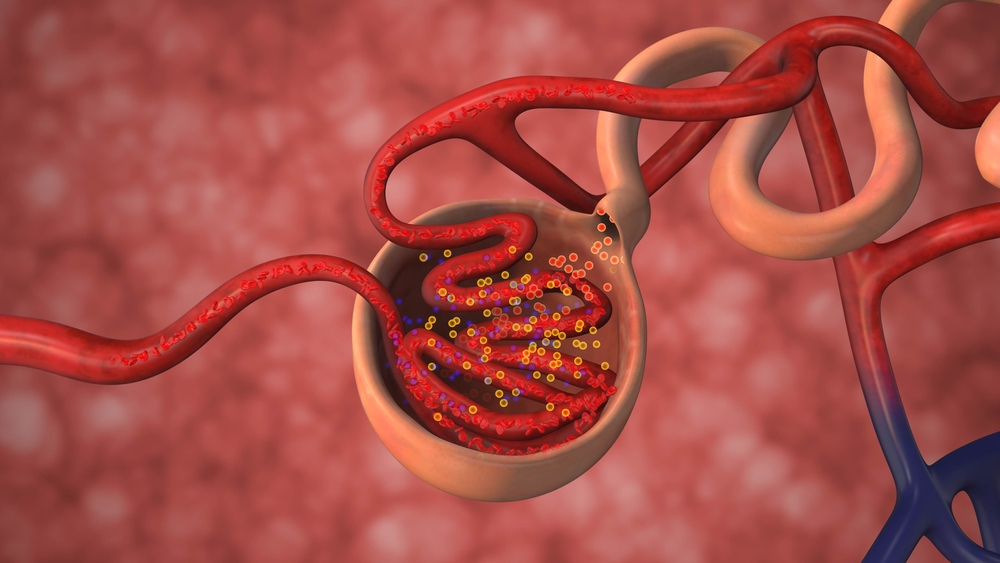
Finding enzymes that could alter blood-type markers was only the beginning. Researchers still had to determine whether the same approach could work across an entire organ, where blood vessels cover a much larger and more complicated biological surface.
The technology was eventually tested beyond blood. In 2022, a Toronto research team demonstrated that lungs could be converted using the enzyme approach. Researchers also tested kidneys outside the body, building evidence that the process could remove the relevant blood-type markers without immediately destroying the organ.
That work led to the question scientists had been waiting to answer: what happens when an enzyme-converted organ is placed inside a human immune system? Laboratory experiments could show that the markers had been removed, but only a human transplant could reveal how the immune system would respond to the converted kidney.
The answer arrived in late 2023, when collaborators showed Kizhakkedathu data from a human kidney that had been converted using the enzymes and transplanted into a brain-dead recipient. “It was working beautifully,” he recalled. Kizhakkedathu then called Withers, describing the moment as a dream result after years of research.
Why The First Two Days Were So Important
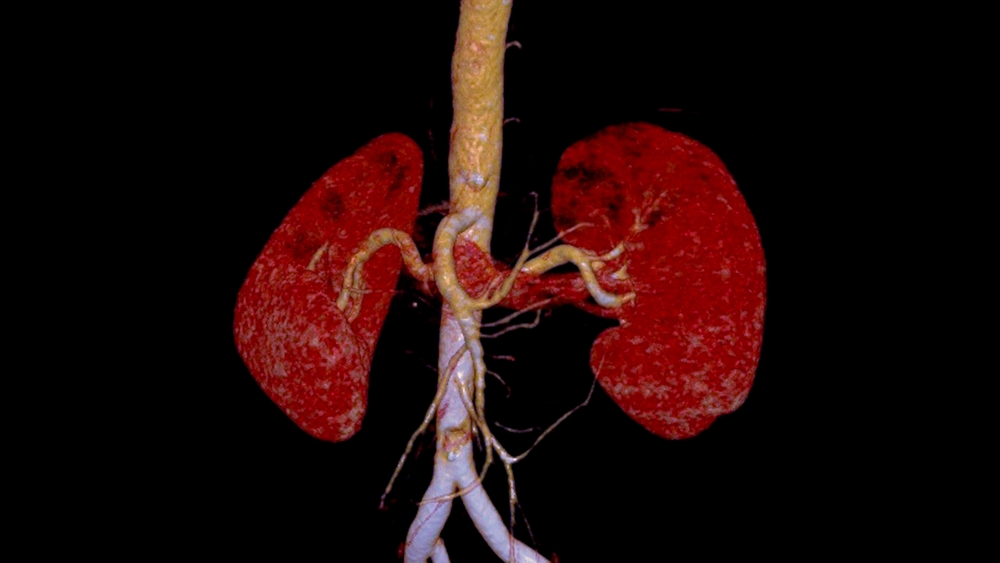
The biggest immediate concern was hyperacute rejection. When a recipient receives an organ with incompatible blood-type markers, existing antibodies can recognize those markers and trigger an extremely rapid immune attack, potentially causing the organ to fail almost immediately.
That did not happen during the first two days of the experiment. The converted kidney continued functioning under normal blood flow without the catastrophic reaction researchers were trying to prevent, providing the first human evidence that the enzyme treatment could alter how an incompatible organ is recognized.
The third day revealed another challenge. Some of the blood-type markers began appearing again on the kidney, and the recipient developed a mild immune response. However, researchers observed much less damage than would typically be expected from an untreated blood-type mismatch.
That finding is important because it shows both the potential and the limitation of the approach. The enzymes appear capable of reducing the initial immune barrier, but researchers still need to determine how to make that compatibility last for the long term.
A Universal Kidney Could Expand The Donor Pool
If future clinical trials show that converted kidneys can remain healthy in living patients, the technology could change how doctors think about organ matching. Instead of automatically ruling out an organ because its blood type does not match, transplant teams could potentially have another option before surgery.
The possible benefits include:
- More usable kidneys: Organs currently rejected because of blood-type incompatibility could potentially become available to additional patients.
- Shorter waiting times: A larger pool of compatible organs could give patients more opportunities to receive a transplant sooner.
- Greater use of deceased donors: Converted organs could potentially be matched more broadly when time is limited after donation.
- Less intensive preparation: The approach could reduce the need for some treatments designed to remove antibodies from recipients before incompatible transplantation.
- Broader blood applications: The same enzyme platform is also being developed for creating more universally compatible blood products.
The technology could be especially valuable for type O patients, who face a narrower donor pool under conventional matching rules. A successful blood-type conversion system would effectively remove one of the restrictions that keeps many otherwise suitable kidneys out of consideration.
Researchers are not saying that every kidney can now be transplanted into every patient. The experiment is an early human proof of concept, and much more testing is needed before the approach could become part of ordinary transplant medicine.
The Biggest Test Is Still Ahead
The researchers now need regulatory approval and additional studies before enzyme-converted organs can be tested routinely in living patients. The brain-dead recipient model provided an important opportunity to observe the immune response, but it cannot answer every question about how a converted kidney would behave over months or years.
The return of some blood-type markers is one issue scientists will have to investigate. If those markers can reappear after transplantation, researchers will need to understand why that happens and whether the enzyme treatment can be improved to create more durable compatibility.
UBC spin-off Avivo Biomedical is expected to lead development of the enzyme technology for transplant applications. The company is also pursuing the potential use of the platform in transfusion medicine, where universal blood could help address compatibility challenges during emergencies and shortages.
For now, the achievement represents something more specific than a universal kidney already being available to patients. Scientists have shown that they can change a human kidney’s blood-type identity and place it inside a mismatched human body without triggering the immediate destruction normally expected.
That could eventually turn one of transplantation’s oldest barriers into a problem that can be treated before the organ reaches the operating table.
Sources:
Zeng, J., Ma, M., Tao, Z., Rao, Z., Wu, C., Yin, S., Jiang, X., Chen, G., Wang, Z., Huang, D., Zhu, M., Liu, L., Huo, W., Yang, H., Guo, H., Chen, G., Li, F., Zheng, C., Huang, D., . . . Song, T. (2025). Enzyme-converted O kidneys allow ABO-incompatible transplantation without hyperacute rejection in a human decedent model. Nature Biomedical Engineering, 10(6), 1154–1170. https://doi.org/10.1038/s41551-025-01513-6