
Your cart is currently empty!
Scientists Warn Planet Could Become Uninhabitable as Climate Tipping Points Near
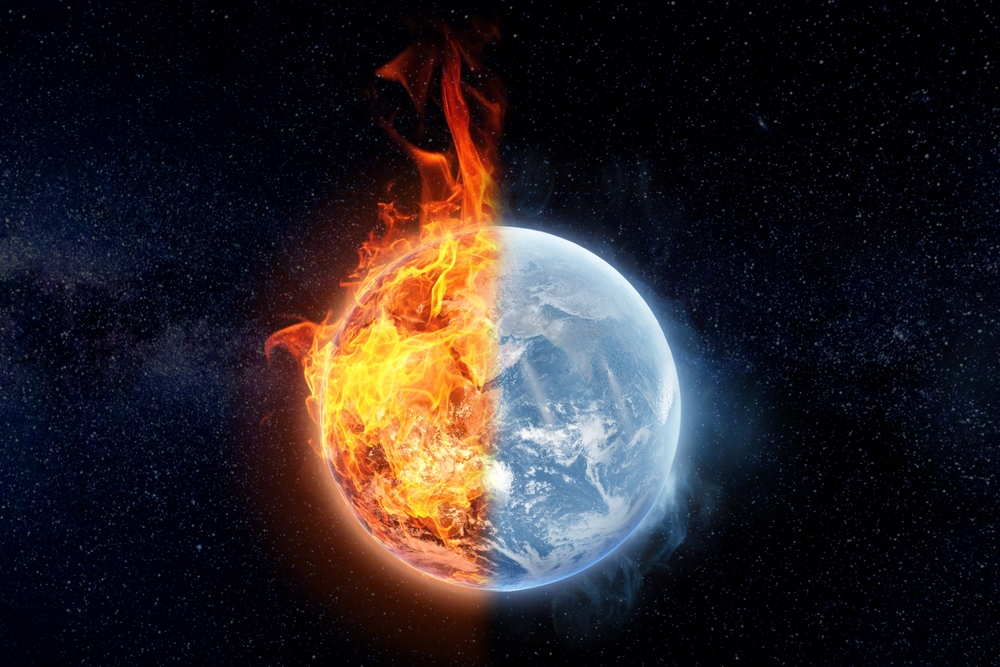
For decades, climate scientists have warned that the planet’s warming trend could eventually push Earth’s natural systems beyond their limits. Those warnings are becoming increasingly urgent. New research suggests that several of the planet’s most important environmental systems may be approaching dangerous tipping points that could permanently alter the global climate. If these thresholds are crossed, the consequences may not unfold slowly over centuries but could accelerate rapidly within the lifetime of people alive today.
Contents
show
A recent study published in the journal One Earth warns that multiple major components of Earth’s climate system may be closer to collapse than previously believed. These include the Greenland ice sheet, the West Antarctic ice sheet, boreal permafrost, and the Amazon rainforest. Scientists say the destabilization of even a few of these systems could trigger cascading changes across the planet. Instead of stabilizing after warming, Earth could enter a self reinforcing cycle of climate disruption that researchers describe as a “hothouse Earth” scenario.
Understanding Climate Tipping Points
Climate tipping points refer to thresholds within Earth’s environmental systems where gradual change suddenly triggers large and often irreversible shifts. These tipping elements behave differently from slow environmental trends. Once a tipping point is crossed, the system may continue changing even if the original cause of the warming is reduced. That is why scientists have spent years studying which systems may be most vulnerable.
Researchers say these tipping points function like interconnected dominoes. When one system destabilizes, it can increase the likelihood that other systems will follow. For example, melting ice reduces the planet’s ability to reflect sunlight, which increases warming and places additional stress on forests, oceans, and frozen ground. The result is a chain reaction that accelerates global climate change.
The authors of the new research warned that the scientific understanding of these thresholds has evolved significantly in recent years. According to the study, “Research shows that several Earth system components may be closer to destabilising than once believed,” and the researchers added, “While the exact risk is uncertain, it is clear that current climate commitments are insufficient.” These findings highlight the growing concern that humanity may be approaching environmental limits faster than previously assumed.
Four Critical Systems Scientists Are Monitoring
The new analysis focuses on several environmental systems that play a major role in regulating global temperatures. These systems influence sea levels, atmospheric carbon levels, and global weather patterns. When they remain stable, they help maintain conditions that support life across the planet. When they destabilize, the consequences can spread far beyond the regions where the changes begin.
One of the most closely watched systems is the Greenland ice sheet. This massive body of ice contains enough frozen water to raise global sea levels dramatically if it were to melt completely. Rising temperatures have already increased surface melting in recent decades, and scientists worry that a threshold could be reached where the melting process becomes self sustaining.
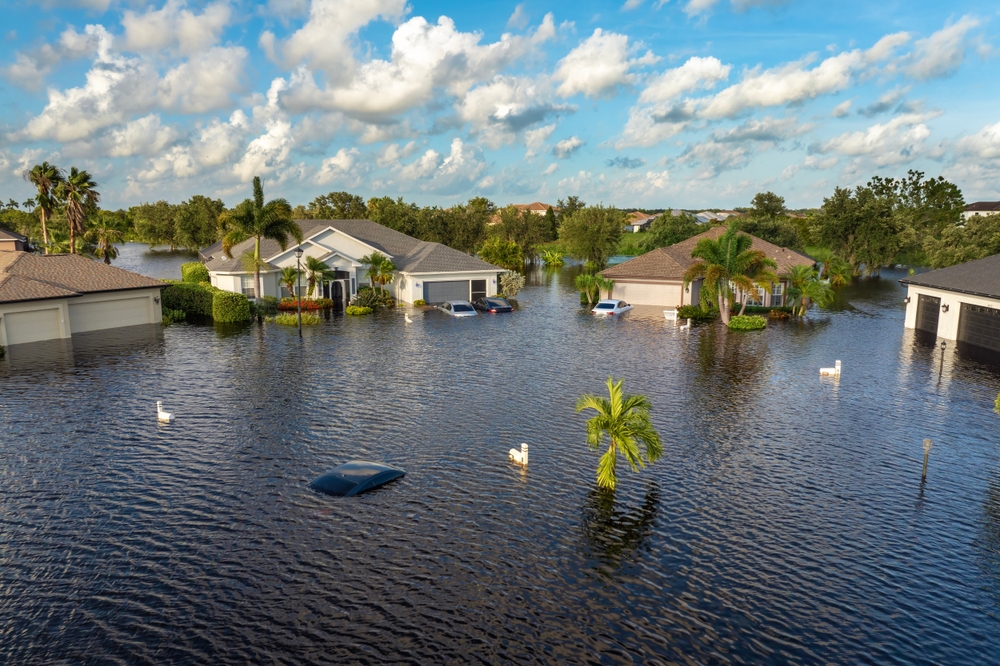
Another vulnerable region is the West Antarctic ice sheet. Much of this ice sheet rests on bedrock that lies below sea level, making it especially sensitive to warming ocean waters. As warmer water flows beneath the ice shelves that support the glaciers, it can destabilize the entire structure and cause large sections of ice to collapse into the ocean.
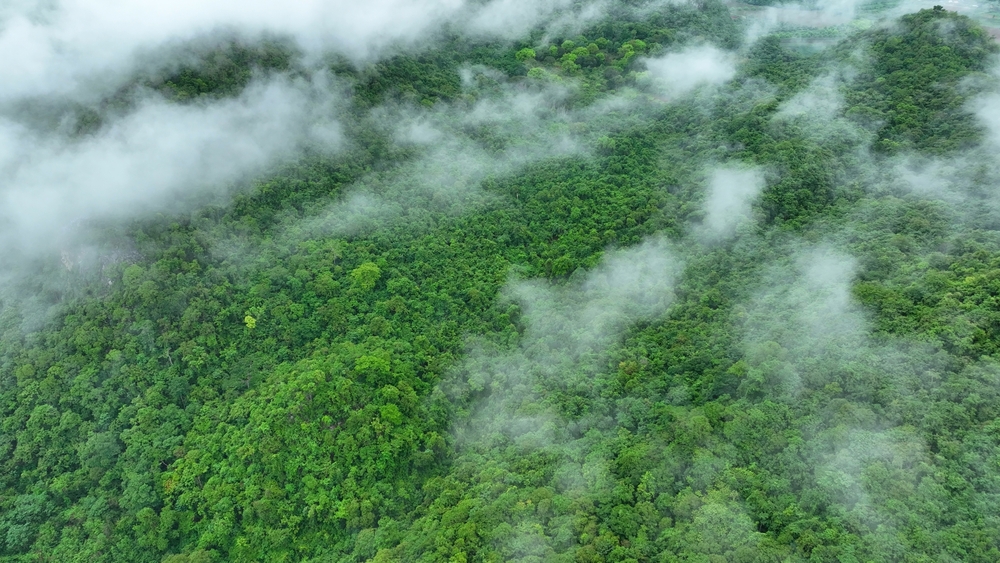
Scientists are also closely monitoring boreal permafrost and the Amazon rainforest. Permafrost contains enormous quantities of frozen carbon that could be released as greenhouse gases if the ground thaws. The Amazon rainforest absorbs vast amounts of carbon dioxide through photosynthesis, but drought, rising temperatures, and deforestation are weakening this role. If large sections of the rainforest were to die back, the region could shift from a carbon sink into a carbon source.
The Risk of a “Hothouse Earth” Future
One of the most concerning aspects of climate tipping points is the possibility that they could interact with one another. A single tipping event might not cause global catastrophe on its own, but several occurring together could push the planet into a new and far warmer climate state. Scientists say that once enough systems begin to destabilize, natural processes may drive further warming regardless of human emissions reductions.
Christopher Wolf, a scientist at the environmental group Terrestrial Ecosystems Research Associates, warned that these cascading effects could dramatically alter the planet’s long term climate. He explained, “Crossing even some of the [tipping point] thresholds could commit the planet to a hothouse trajectory,” highlighting how interconnected the Earth’s climate systems are.
Wolf also warned that many people may not fully grasp the seriousness of these risks. “Policymakers and the public remain largely unaware of the risks posed by what would effectively be a point-of-no-return transition,” he said. If enough tipping points are crossed, scientists estimate that long term global temperatures could eventually rise roughly 9 degrees Fahrenheit above pre industrial levels.
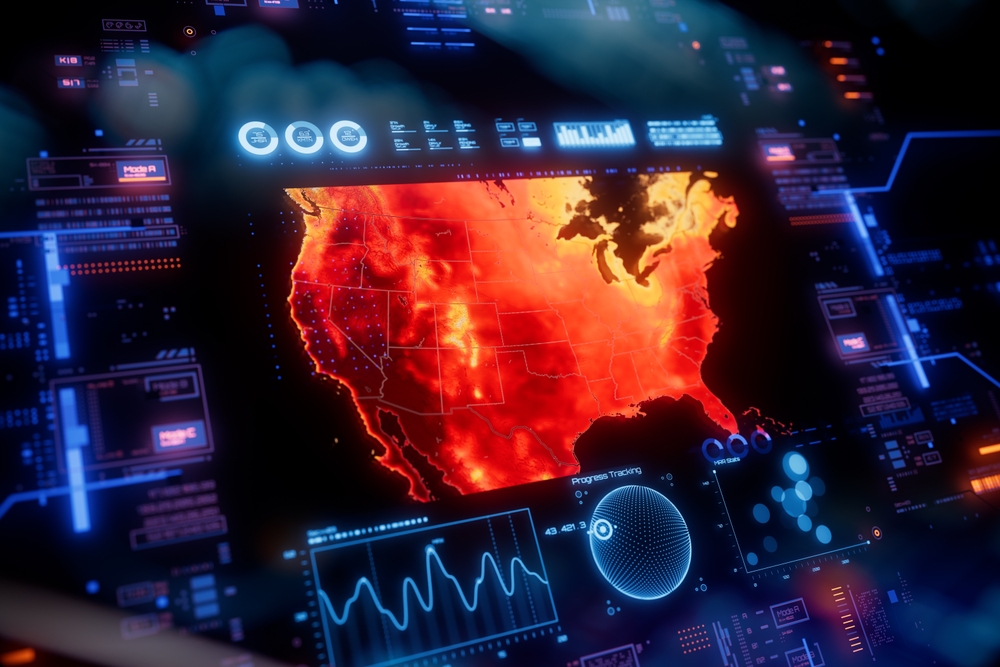
Such warming would reshape ecosystems, agriculture, and human settlements around the world. Heat waves could become far more intense and widespread, sea levels could rise significantly, and many ecosystems that support biodiversity could face severe disruption.
The Unequal Impact of Climate Change
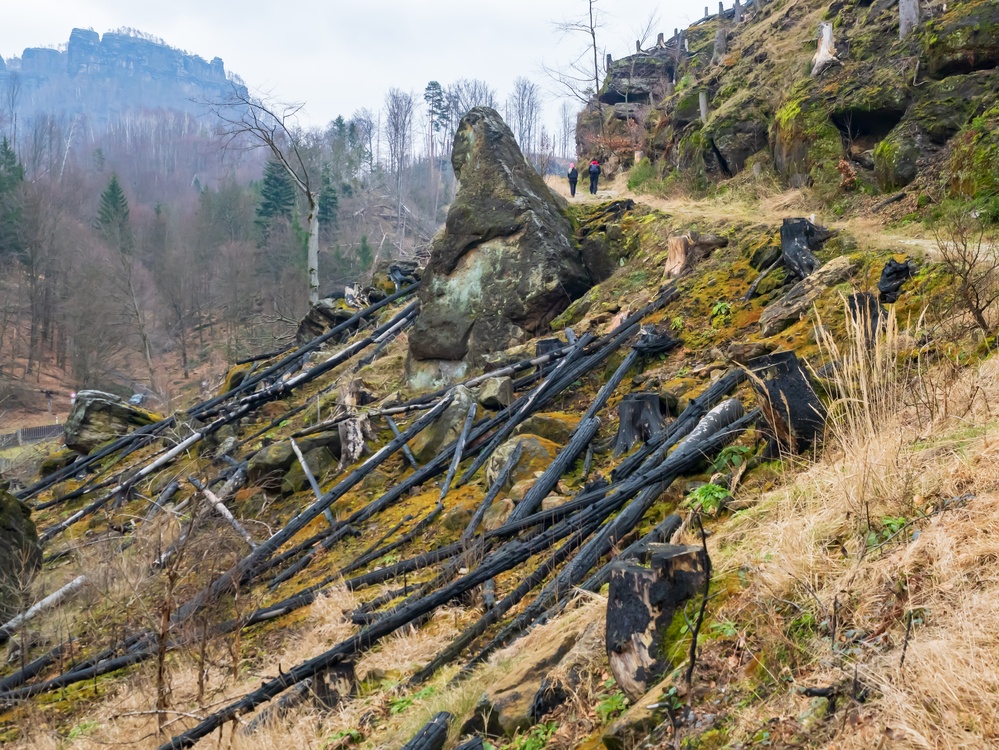
Climate change does not affect all populations equally. Many of the communities expected to suffer the most severe consequences have contributed the least to global greenhouse gas emissions. These regions often have fewer resources to adapt to rising temperatures, extreme weather events, and shifting agricultural conditions.
Low income countries and vulnerable communities may face the earliest impacts through crop failures, water shortages, and coastal flooding. In some areas, rising temperatures and prolonged droughts could make traditional farming increasingly difficult. These pressures may contribute to food insecurity and economic instability.
The contrast between responsibility and impact has become a major issue in international climate discussions. Developing countries frequently argue that wealthier nations, which historically produced the majority of emissions, should provide financial support for climate adaptation and mitigation.
At the same time, global climate movements have continued to grow as more people become aware of the long term consequences of environmental degradation. Public awareness has increased dramatically over the past decade, placing greater pressure on governments and industries to respond.
Political and Economic Obstacles to Change
While scientific warnings about climate risks have intensified, large scale climate action often faces significant political and economic barriers. Many industries remain deeply tied to fossil fuels, and transitioning away from them requires major shifts in infrastructure, investment, and policy.
Some researchers argue that the concentration of economic power among major corporations can make sweeping climate reforms difficult to implement. Financial markets, investment pressures, and corporate lobbying can all influence government decision making and slow the pace of policy change.
University of Manitoba professor David Camfield has written about these structural challenges in discussions about climate politics. In his analysis of economic systems and climate policy, he argued that meaningful change may require strong public pressure. Camfield wrote, “To weaken those political obstacles sufficiently that a government could get a just transition underway would take massive pressure of the kind that only movements can unleash.”
These debates highlight how climate change is not only a scientific issue but also a political and economic one. Addressing it requires cooperation between governments, industries, researchers, and citizens.
A Narrow Window for Action
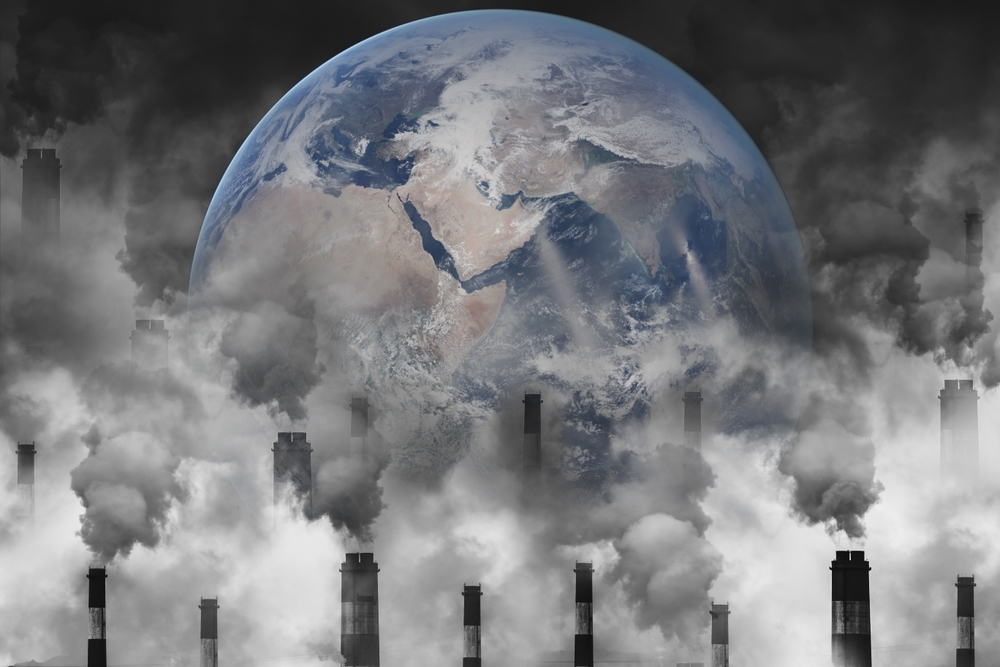
Despite the serious warnings from scientists, researchers emphasize that the future is not predetermined. The severity of climate change will depend largely on the choices made in the coming years. Rapid reductions in greenhouse gas emissions, expanded renewable energy use, and stronger environmental protections could still limit the most extreme outcomes.
Over the past decade there have been signs of progress. Renewable energy technologies such as solar and wind power have expanded rapidly, and many countries have adopted long term climate targets. Public awareness of climate change has also increased, leading to stronger environmental movements in many parts of the world.
However, scientists warn that current commitments remain insufficient to fully address the scale of the challenge. Global emissions are still rising in many regions, and the pace of transition toward cleaner energy sources must accelerate to reduce the risk of crossing dangerous climate thresholds.
The growing research on climate tipping points serves as a reminder that Earth’s systems are deeply interconnected. Understanding those connections may be one of the most important steps in protecting the stability of the planet for future generations.
Sources:
- Carrington, D. (2026, February 11). Point of no return: a hellish ‘hothouse Earth’ getting closer, scientists say. The Guardian. https://www.theguardian.com/environment/2026/feb/11/point-of-no-return-hothouse-earth-global-heating-climate-tipping-points
- Wolf, C., et al. (2025). Climate tipping points and the risk of a hothouse Earth trajectory. One Earth. https://www.cell.com/one-earth/fulltext/S2590-3322%2825%2900391-4
- McKay, D. I. A., Staal, A., Abrams, J. F., Winkelmann, R., Sakschewski, B., Loriani, S., Fetzer, I., Cornell, S. E., Rockström, J., & Lenton, T. M. (2022). Exceeding 1.5°C global warming could trigger multiple climate tipping points. Science, 377(6611), eabn7950. https://doi.org/10.1126/science.abn7950
Amazon rainforest, carbon emissions, climate change, Climate Crisis, Climate research, Climate Science, climate tipping points, environmental crisis, Environmental News, extreme weather, Global Warming, Greenland ice sheet, hothouse Earth, melting glaciers, permafrost thaw, planetary warming, rising temperatures, sea level rise, West Antarctic ice sheet