
Your cart is currently empty!
Scientists Went Into Argentina’s Deep Sea And Came Back With 57 Species Nobody Had Seen Before
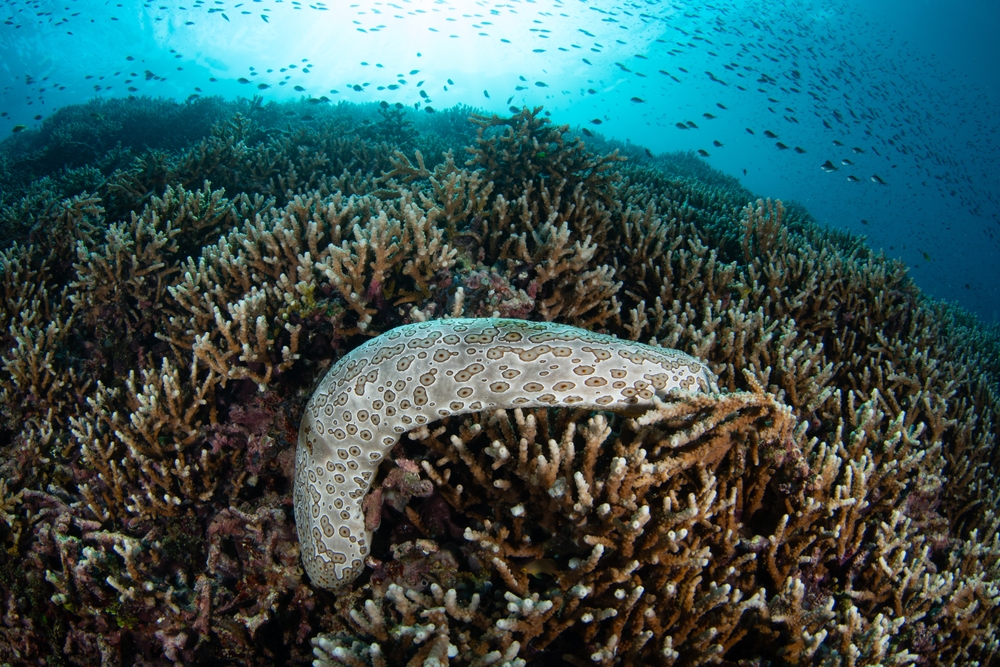
A deep-sea expedition off Argentina has produced a discovery that makes the ocean feel far less familiar than we thought. Scientists have identified 57 marine species new to science, along with five new scientific genera, after examining specimens collected from the depths of the Mar del Plata Submarine Canyon.
Contents
show
And one of the strangest discoveries has already picked up a memorable nickname: Loki the Sea Cucumber. The bizarre-looking creature is just one of dozens of previously unidentified animals found in samples collected from a part of the South Atlantic that remains largely unexplored.
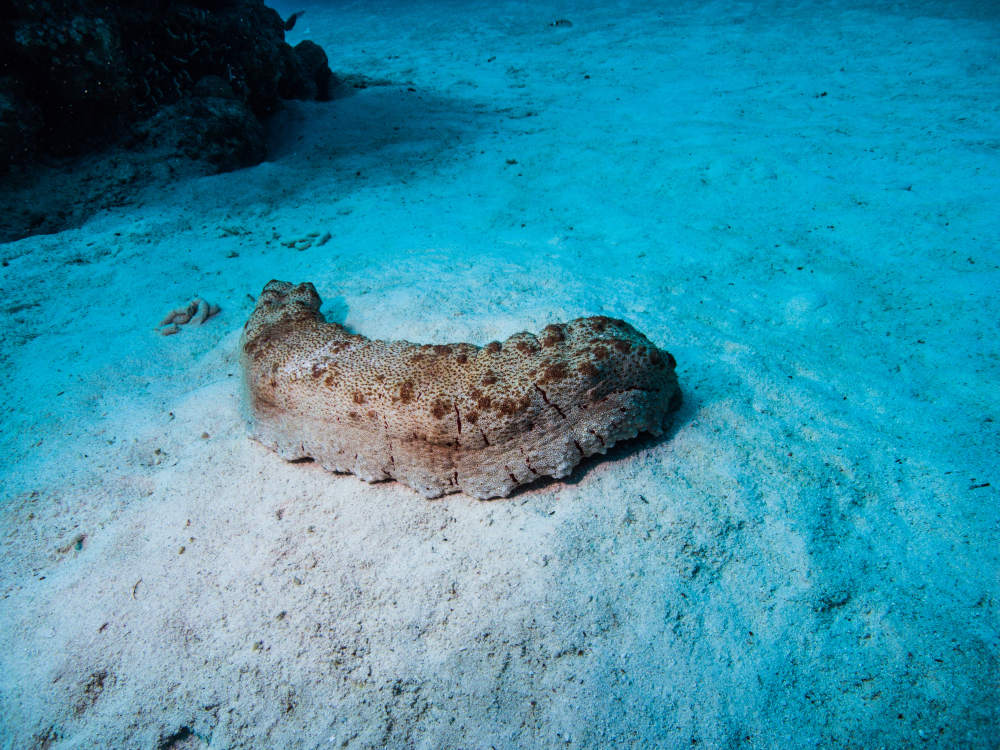
Scientists Found 57 Species In Just Two Weeks
The discoveries came from an international Species Discovery Workshop held in Buenos Aires from July 13 to 24, 2026. Twenty taxonomists and early-career researchers from Latin America and Europe gathered to examine deep-sea biological samples collected during a 2025 Schmidt Ocean Institute expedition.
The team identified 57 species that had never previously been formally recognized by science. The discoveries included animals from several very different groups, showing that the expedition had captured a surprisingly broad sample of deep-sea biodiversity.
The findings included:
- 20 copepods: Tiny crustaceans that are an important part of marine ecosystems.
- 22 echinoderms: Including sea cucumbers and crinoids.
- 14 cnidarians: Including octocorals, sea pens and stony corals.
- One scaphopod mollusc: A tusk-shell relative found among the deep-sea specimens.
- Five new genera: Spanning corals, sea cucumbers and crustaceans.
The speed of the discoveries is one of the most striking parts of the story. Rather than studying one unusual creature over many years, specialists were able to work together, compare specimens and apply integrated taxonomy techniques during a concentrated two-week workshop.
Dr. Michelle Taylor, Head of Science at Ocean Census, said the results demonstrated how quickly collaborative research can expand scientists’ understanding of marine biodiversity.
“Discovering 57 new species and five new genera in just two weeks demonstrates the speed and power of collaborative taxonomy,” Taylor said.
The Deep-Sea Expedition Already Went Viral
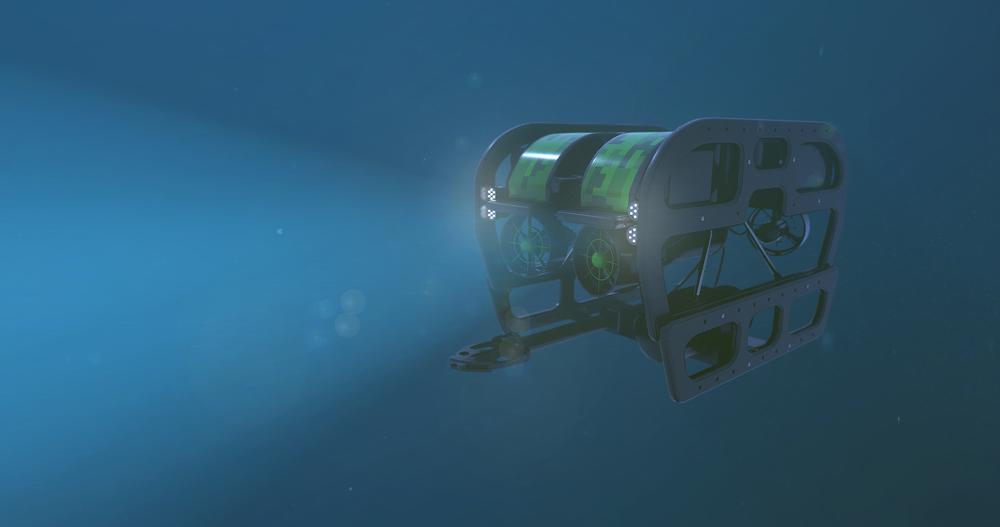
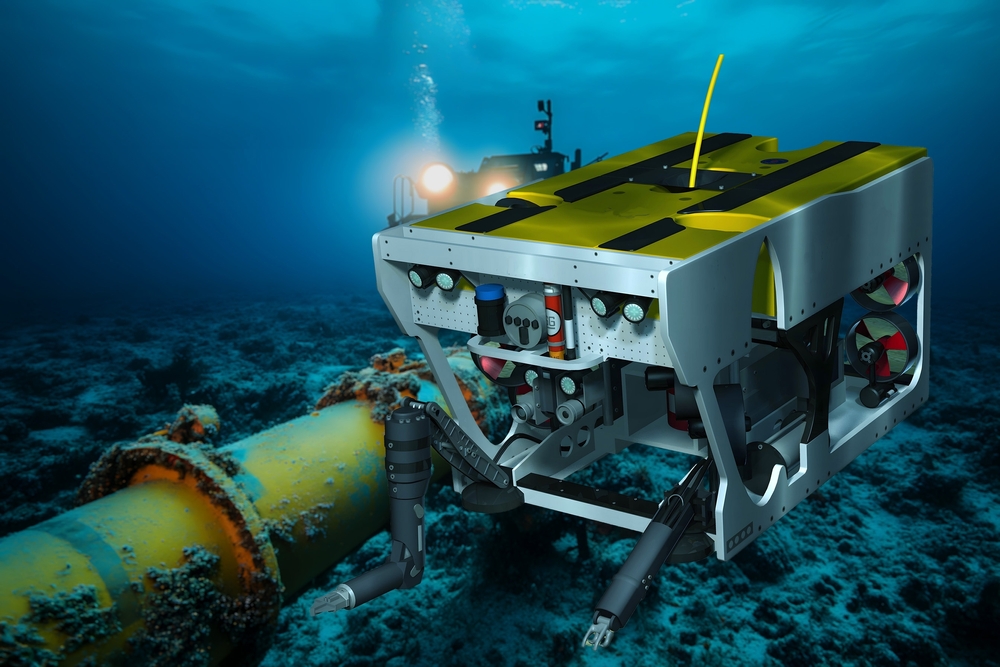
The newly identified animals came from an expedition that had already captured worldwide attention before scientists began formally identifying the specimens. In August 2025, researchers aboard Schmidt Ocean Institute’s research vessel Falkor (too) explored the Mar del Plata Canyon using the remotely operated vehicle SuBastian.
The submarine canyon reaches depths exceeding 3,500 metres, taking researchers into an environment far removed from the familiar coastal waters most people associate with the ocean. The expedition focused on the Brazil-Malvinas Confluence, where warm subtropical currents meet cold, nutrient-rich sub-Antarctic waters.
That unusual meeting of water masses creates a highly productive oceanographic environment, helping support an abundance of marine life. More than 4 million people watched the expedition’s live broadcasts, giving the public an unusually close look at a section of the deep ocean that scientists were only beginning to understand.
Among the footage that spread online was a bright orange seastar that viewers quickly compared with Patrick Star from SpongeBob SquarePants. The animal became an unexpected internet celebrity, although scientists did not believe it represented a new species and left it undisturbed on the seafloor.
The expedition produced something far more significant for researchers, however. The biological samples collected during those dives later gave taxonomists the opportunity to identify dozens of animals that had never been formally described.
Loki The Sea Cucumber Has Horn-Like Appendages
One of the most memorable discoveries was a deep-sea holothurian, commonly known as a sea cucumber. Researchers nicknamed the animal “Loki” because of its prominent horn-like appendages, which reminded them of the Norse god associated with mischief and transformation.
Loki was found at a depth of 2,577 metres in the Mar del Plata Submarine Canyon. High-definition images and video captured by the remotely operated vehicle SuBastian documented the animal on the seafloor, giving researchers an unusually detailed record of its appearance in its natural environment.
The creature represents one of up to 10 new holothurian species uncovered during the Argentina workshop. Its unusual appearance makes it an easy candidate for public attention, but the scientific significance extends well beyond its memorable shape.
The Name Is Memorable, But The Discovery Is Bigger

Sea cucumbers belong to the echinoderm group, which also includes starfish and sea urchins. They are familiar to marine scientists, but many deep-sea species remain poorly understood because their habitats are difficult and expensive to reach.
Finding several potentially new holothurian species in one research effort suggests that the deep canyon contains considerably more biological diversity than existing records have captured. Loki may have the most memorable nickname, but it was only one piece of a much larger discovery.
Another group of animals produced an even more striking result.
Researchers Checked Just 10% Of The Copepod Samples
The copepod findings may be among the most revealing discoveries from the workshop. Copepods are tiny crustaceans found throughout marine environments, and many species are so small that they would be almost impossible for a casual observer to distinguish from one another.
During the workshop, taxonomists examined only around 10% of the collected copepod samples. Yet every specimen they examined represented a species new to science, producing 20 new species and one new genus from that limited portion of the material.
That does not mean every remaining specimen will automatically turn out to be new. Scientists still have to examine, compare and formally classify the material before making that determination.
But the early result shows just how much biological information can be hidden inside a collection that might look unremarkable to anyone without specialist training. A small sample from the deep ocean can contain animals that have never previously appeared in scientific records.
It also raises the possibility that further examination of the remaining material could reveal additional species, although researchers have not yet said how many more discoveries might emerge.
The Corals Reveal Another Hidden Deep-Sea World
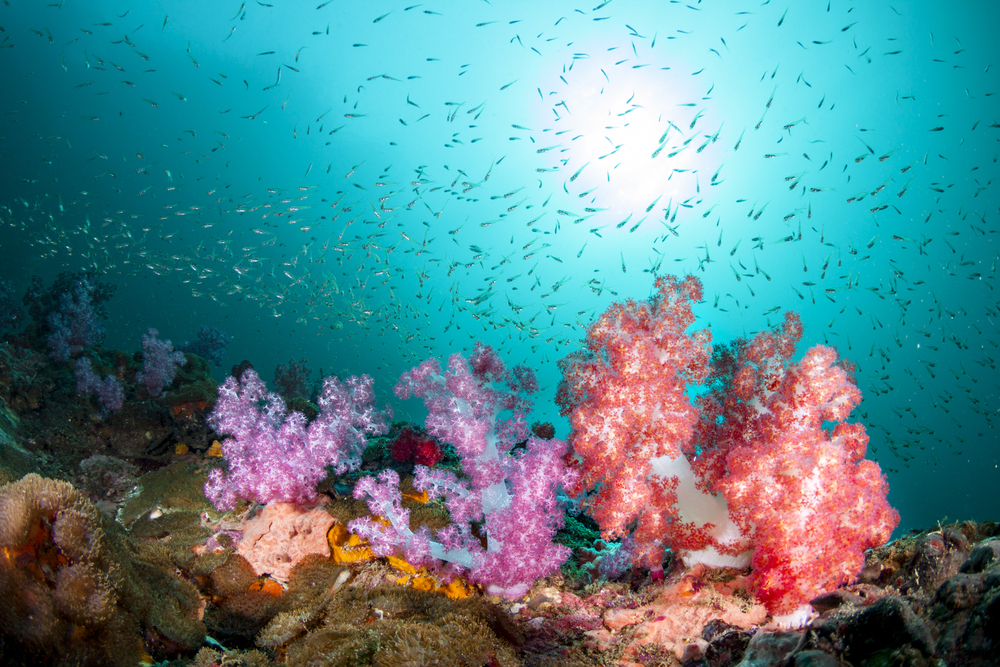
The workshop’s discoveries were not limited to microscopic or unusual-looking animals. Researchers also identified 14 new coral species, including octocorals, sea pens and stony corals collected from the Mar del Plata Submarine Canyon.
Among the highlights were the sea pen Pseudumbellula sp. and the vivid orange-red octocoral Orstomisis sp. These organisms provide valuable information about the habitats that exist in deep water, where corals can form structures that support communities of other marine organisms.
The researchers also identified two potential new genera, while a potential new family is awaiting genetic analysis. That distinction is important because scientists cannot formally establish every new classification based solely on appearance.
A Strange Animal Still Has To Pass Scientific Tests
Finding something that looks unfamiliar is only the beginning. Taxonomists must compare its physical characteristics with known species and, where necessary, examine genetic information before determining whether it truly represents something new.
That careful process is why the workshop was about more than simply counting strange animals. Each specimen had to be assessed against the existing scientific record, with researchers working across different specialties to establish where the organisms fit.
The result was a much clearer picture of the biodiversity contained within the samples collected from Argentina’s deep waters.
Why Scientists Had To Work So Fast
Species identification can traditionally take considerable time because researchers need to examine specimens, compare them with existing collections and document the characteristics that distinguish one organism from another. Genetic analysis can add another layer when physical traits alone are not enough.
The Buenos Aires workshop brought specialists together in one place, allowing them to examine large amounts of material collaboratively. The researchers also logged their findings directly onto Ocean Census NOVA, described by Ocean Census as an open-access platform for newly discovered marine species.
That approach is designed to make information available to researchers more quickly rather than leaving discoveries isolated in individual laboratories or collections. It also allows scientists in different countries to contribute expertise to organisms that may have very few specialists studying them.
Dr. Daniel Lauretta, Principal Investigator with CONICET and the Museo Argentino de Ciencias Naturales, emphasized the importance of that international cooperation.
“International cooperation in taxonomy is critical, especially in groups with few active specialists,” Lauretta said.
The workshop also provided hands-on training for early-career researchers and students, allowing Argentine scientists to work directly with international taxonomy specialists while building expertise that can be applied to future expeditions.
Argentina’s Deep Canyons Could Hold Even More Discoveries
The Mar del Plata Canyon is now giving scientists a clearer picture of the biological richness found in the South Atlantic. The canyon reaches depths exceeding 3,500 metres and lies within a region where major ocean currents meet, creating conditions that can support diverse marine communities.
The 2025 expedition documented deep-sea coral reefs and fields of mushroom coral at around 1,500 metres. It also collected biological material from deeper areas that later became the focus of the species discovery workshop.
The newly identified species will become part of Argentina’s scientific collections. Specimens examined during the workshop, along with historical samples from earlier CONICET expeditions, will be permanently housed at national institutions including the Museo Argentino de Ciencias Naturales “Bernardino Rivadavia” in Buenos Aires.
That gives future researchers access to physical specimens that can be reexamined as scientific techniques improve. A specimen identified today can therefore become the starting point for new questions years from now.
Another Expedition Is Already Planned
The research team is already looking toward another expedition. A follow-up Schmidt Ocean Institute mission is planned for February and March 2027, with scientists targeting a different submarine canyon where they anticipate high levels of endemism.
The upcoming expedition is expected to collect more marine invertebrate specimens for scientific study. If the recent workshop is any indication, some of those samples could also contain animals that have never been formally described.
The process will likely continue through the same combination of deep-sea exploration, specimen collection, international expertise and rapid taxonomic analysis.
We Still Know Surprisingly Little About The Deep Ocean
There is a striking fact behind the excitement over the 57 discoveries: scientists are still building the basic catalogue of life in Earth’s oceans. The ocean covers more than 70% of the planet, yet many deep-sea habitats remain difficult to access and poorly documented.
According to the supplied Ocean Census material, around 240,000 marine species have been formally documented, while millions more are thought to remain undiscovered. The precise number of unknown species is difficult to establish, but expeditions like the Argentina project demonstrate how quickly the list can grow when researchers gain access to unexplored environments.
The workshop provides a particularly clear example. Scientists collected material from one deep-sea region, brought specialists together and identified 57 species that had not previously been formally recognized.
Some were striking animals such as Loki the Sea Cucumber. Others were tiny copepods that most people would never notice without specialist equipment and expertise.
And the researchers did not even examine all of the material.
The next time footage from a deep-sea expedition appears online, the strangest creature on screen may not be the most interesting discovery. There could be dozens more species nearby that science has not even named yet.