
Your cart is currently empty!
Seventh U.S. Service Member Killed in Iranian Strikes Identified by Pentagon
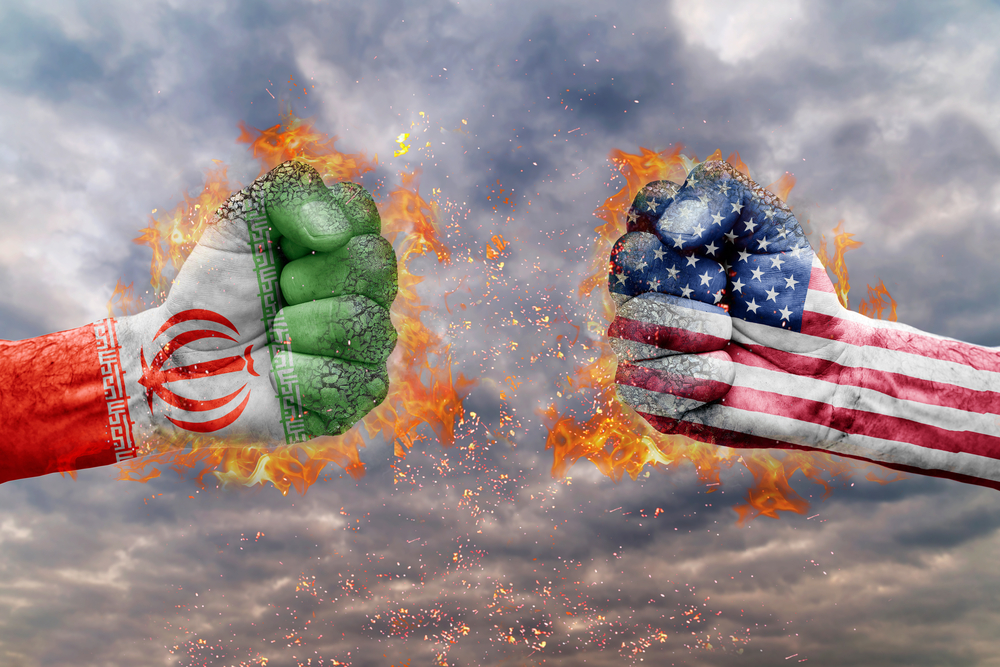
The reality of war is often communicated through brief official announcements and numbers that quickly move across headlines, but behind each update is a real person whose life mattered deeply to family, friends, and fellow service members. This week, the Pentagon confirmed the identity of another American soldier who died as the conflict involving Iran continues to escalate across the Middle East. The announcement did more than simply add another name to a military report. It revealed the story of a young soldier whose years of service ended after he was critically injured during an Iranian strike earlier this month, bringing renewed attention to the growing human toll of the war.
Contents
show
Army Sgt. Benjamin N. Pennington, a 26 year old soldier from Glendale, Kentucky, died after suffering severe injuries during a strike on a U.S. military installation in Saudi Arabia. His death makes him the seventh U.S. service member killed since the United States and Israel began their military campaign against Iran and Iranian forces began retaliatory attacks across the region. Military leaders, national officials, and members of Pennington’s hometown community have all spoken about the loss, describing him as a committed soldier who served with professionalism and dedication while reminding the public that the consequences of military conflict often extend far beyond the battlefield.
The soldier behind the name
Army Sgt. Benjamin N. Pennington had spent nearly a decade building his military career before his life was cut short by the injuries he sustained in the attack. According to the U.S. Army Space and Missile Defense Command, Pennington enlisted in the Army in 2017 as a unit supply specialist and steadily developed a reputation as a dependable and disciplined soldier. Over the years he continued to grow within the Army, gaining experience and recognition that eventually led him to serve in a specialized unit connected to space and missile defense operations, an area that has become increasingly important in modern military strategy and global defense planning.
Pennington was assigned to the 1st Space Battalion, 1st Space Brigade at Fort Carson in Colorado. This brigade is part of the Army Space and Missile Defense Command, which focuses on supporting missile defense systems and coordinating military capabilities connected to space operations. These units play a crucial role in modern warfare because they help monitor threats, support missile defense systems, and assist commanders in managing operations that span multiple regions. Soldiers assigned to these units often work behind the scenes, but their responsibilities remain essential to protecting forces and coordinating military activity across the globe.
Military leaders described Pennington as a soldier who consistently showed professionalism, dedication, and a strong sense of duty to his country and to the people serving alongside him. Lt. Gen. Sean A. Gainey, the commanding general of the Army Space and Missile Defense Command, addressed the loss in a statement, saying, “The US Army Space and Missile Defense Command is deeply saddened by the loss of Sgt Pennington.” He continued by emphasizing the significance of Pennington’s sacrifice, stating, “He gave the ultimate sacrifice for the country he loved. That makes him nothing less than a hero, and he will always be remembered that way. We extend our heartfelt condolences to his family and friends.”
Throughout his time in the Army, Pennington received multiple awards that reflected his service and commitment to the military. These included the Army Commendation Medal, the Army Achievement Medal, and the Army Good Conduct Medal, honors that recognize strong performance, discipline, and dedication within the ranks. Officials also said Pennington was promotable at the time of his death and will be posthumously promoted to staff sergeant, a recognition that reflects both his leadership potential and the respect he had earned among fellow soldiers and commanders.
The attack that caused his injuries
Pennington was critically wounded during an Iranian strike on Prince Sultan Air Base in Saudi Arabia on March 1. The attack occurred during a wave of retaliatory actions launched by Iran after the United States and Israel carried out large scale strikes targeting Iranian sites. As tensions escalated across the region, multiple military facilities used by U.S. forces and allied troops became potential targets, and the attack that injured Pennington was one of several incidents that unfolded during the early days of the conflict.
According to U.S. Central Command, Pennington was seriously wounded at the time of the strike and later died from those injuries several days afterward. The command confirmed the news in a public statement posted on social media, explaining the circumstances surrounding his death. The statement read, “Last night, a U.S. service member passed away from injuries received during the Iranian regime’s initial attacks across the Middle East.” It continued by explaining the situation more specifically, saying, “The service member was seriously wounded at the scene of an attack on U.S. troops in the Kingdom of Saudi Arabia on March 1.”
Prince Sultan Air Base has long served as one of the most strategically important locations for U.S. military operations in the Middle East. The installation supports coalition forces and provides logistical, operational, and command support for missions across the region. Because of its role in coordinating military activity and supporting defense operations, the base has remained a key strategic site during periods of regional instability and conflict.
Officials have said the attack remains under investigation as military authorities work to understand the sequence of events that led to the strike and the injuries sustained by Pennington and other personnel. Such investigations typically review operational procedures, defensive systems, intelligence information, and the exact circumstances of the attack in order to better understand how it occurred and what steps may be needed to prevent similar incidents in the future.

The rising number of casualties
Pennington’s death raised the number of U.S. service members killed since the start of the conflict to seven, highlighting how quickly the human toll of the war has begun to grow. The six other troops who died earlier were killed during a separate attack that occurred on March 1 in Kuwait. According to military officials, the strike targeted a makeshift operations center located at the civilian port of Shuaiba and happened without warning, creating a sudden and devastating situation for the soldiers stationed there.
The service members who were killed in that attack were identified as Capt. Cody A. Khork, 35, Sgt. First Class Nicole M. Amor, 39, Sgt. Declan J. Coady, 20, Sgt. First Class Noah L. Tietjens, 42, Maj. Jeffrey R. O’Brien, 45, and Chief Warrant Officer 3 Robert M. Marzan, 54. All six had been assigned to the 103rd Sustainment Command, an Army Reserve unit based in Des Moines, Iowa. The soldiers were part of a unit responsible for providing logistical support and operational assistance for military forces operating in the region.
Military officials said the Kuwait incident involved an unmanned aircraft system attack that struck the operations center where the soldiers were located. Because the attack happened quickly and without warning, it caused significant damage and resulted in the deaths of the six service members. Like the strike that injured Pennington in Saudi Arabia, the Kuwait incident remains under investigation as officials attempt to determine exactly how the attack unfolded.
Together, the two incidents demonstrate how widely dispersed military personnel across the region can become targets during times of escalating conflict. Service members stationed in different countries and performing different roles can still find themselves connected to the same broader military campaign and exposed to the same risks when hostilities intensify.

A hometown community responds
In Hardin County, Kentucky, the news of Pennington’s death quickly spread throughout the community where he grew up, bringing both grief and a sense of pride in the soldier who had chosen to serve his country. Local officials responded by lowering flags to half staff at county government buildings and facilities, a gesture meant to honor Pennington’s service and recognize the sacrifice made by him and his family.
Hardin County Judge Executive Keith Taul spoke publicly about the loss and the pain the family is experiencing following the news. Taul explained that he had known Pennington’s father for decades and described the family as being deeply affected by the tragedy. Reflecting on the situation, he said the family is “hurting pretty bad right now,” a statement that captured the emotional impact felt by those closest to the fallen soldier.
In many small communities, the loss of a service member resonates far beyond the immediate family because neighbors, teachers, coaches, and longtime friends often share personal connections with the individual who served. People remember watching them grow up, attending the same schools, and becoming part of the community’s identity long before they joined the military.
For residents of Hardin County, Pennington’s story represents both admiration for a young man who chose to serve and sorrow for a life that ended far too soon. Community members have expressed their condolences while honoring the service and dedication that defined his years in the Army.
National leaders acknowledge the loss
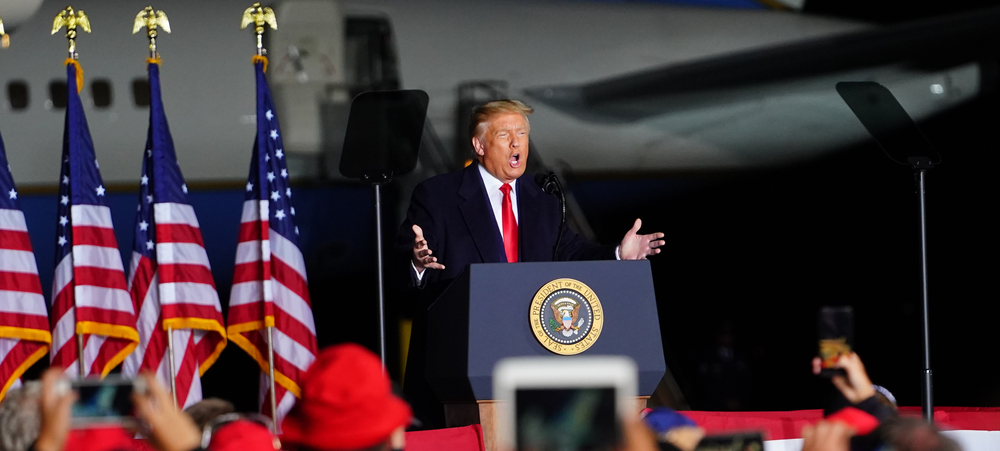
The deaths of the seven service members have also drawn responses from national leaders as the conflict continues to develop. Vice President JD Vance addressed the losses while speaking to the International Association of Fire Fighters in Washington DC, where he acknowledged the emotional impact the deaths have had on families and communities.
During his remarks he encouraged people to remember the fallen service members and their families during a difficult moment. Vance said, “I just want to say that if you are the praying type, and I certainly am, I hope you’ll spare a prayer for the six souls that we lost, for the seventh soul who will be coming home tonight, and for all of their families.”
President Donald Trump also attended the dignified transfer ceremony for the six soldiers who were killed in the Kuwait attack. The ceremony took place at Dover Air Force Base in Delaware and allowed the families of the fallen troops to receive their loved ones as their remains were returned to the United States. These ceremonies are among the most solemn military traditions, honoring those who died while serving their country.
When asked whether the losses caused him to reconsider the ongoing war effort, Trump said the families he spoke with had encouraged him to continue. He recalled that some parents told him, “Please sir, win this for my boy,” while another said, “Please, win this for my child.”
Remembering the human cost of war
As the conflict involving Iran continues to unfold, military leaders have acknowledged that further casualties could occur as operations continue across the region. Modern conflicts often involve multiple locations, long distance missile strikes, and rapidly changing situations that can place troops in danger even when they are stationed far from active battlefronts.
For the families of the seven service members who have already lost their lives, the war will always be remembered not through military strategy or geopolitical debates but through the people they loved and lost. Each of those names represents years of service, personal relationships, and hopes for the future that were cut short by the realities of war.
Sgt. Benjamin N. Pennington’s life reflected the path taken by many service members who choose to dedicate themselves to military service at a young age. From the moment he enlisted in 2017, he spent years building a career defined by discipline, commitment, and loyalty to his unit and his country.
While the conflict will continue to be analyzed through political decisions and military operations, the stories of the individuals involved remain an essential reminder of the true human cost of war and the sacrifices made by those who serve.
Benjamin N Pennington, Fort Carson soldiers, Hardin County Kentucky news, Iran conflict, Iran retaliation strikes, Iranian attacks Middle East, Kentucky soldier Benjamin Pennington, Middle East conflict 2026, Pentagon news, Prince Sultan Air Base attack, Sgt Benjamin Pennington death, US Army Space and Missile Defense Command, US Central Command, US Iran war, US military casualties, US military news, US military Saudi Arabia, US service members killed Iran, US soldier killed, US troops Middle East