
Your cart is currently empty!
She Left a $75,000 Corporate Job to Live in Yellowstone for $96 a Month
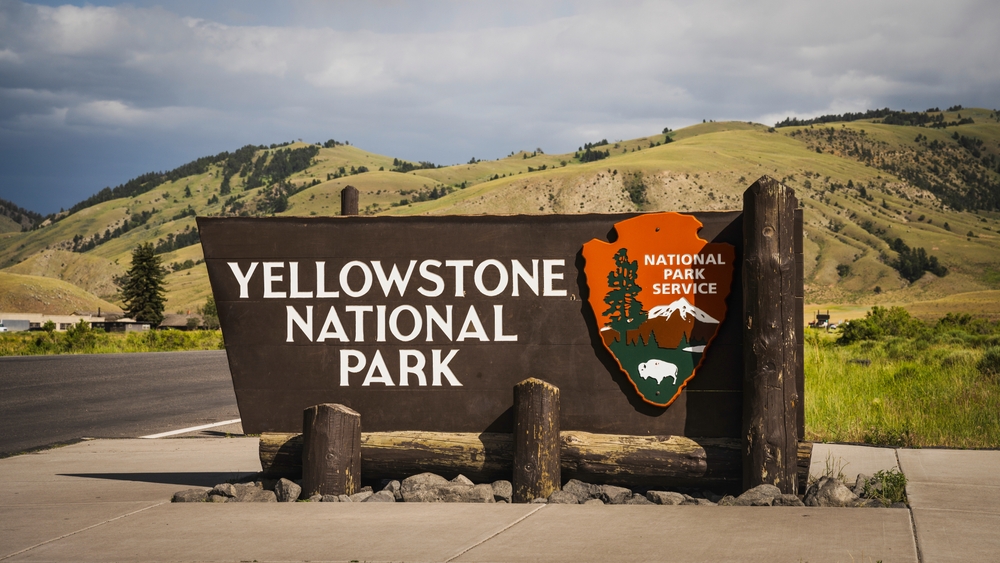
Zoe De La Paz had spent years building the kind of career that looked secure from the outside. At 26, she was working as a mechanical designer for an engineering firm in Chicago, earning around $75,000 a year and comfortably splitting an apartment with a roommate. Then a visit to Yellowstone National Park in 2024 gave her a glimpse of a completely different way to live, and she began wondering whether the career she had worked so hard to build was actually making her happy.
Contents
show
Less than two years later, De La Paz has traded her corporate routine for a sewing machine, a seasonal job and dormitory-style housing inside Yellowstone that costs just $96 a month. She now earns $19.25 an hour repairing uniforms for thousands of park employees, while spending her free time hiking, horseback riding and exploring Wyoming. The salary is considerably lower than what she earned in Chicago, but De La Paz says the trade-off has been worth it because she gets to wake up every day in one of the places she loves most.
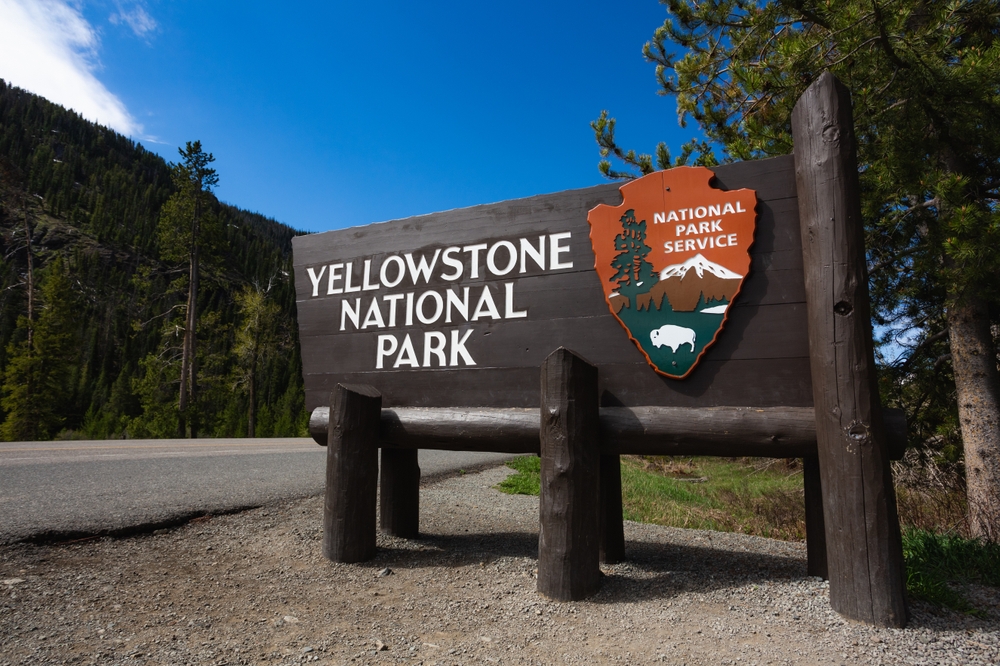
One Visit Made Her Question Her Corporate Career
De La Paz’s life in Chicago was stable, but stability did not necessarily mean satisfaction. She had a good salary, a shared apartment and a professional position in engineering, yet she felt increasingly disconnected from the work she was doing. The turning point came when she visited a friend who was working at Yellowstone and got to see what seasonal employment at the park actually looked like.
The experience stayed with her long after she returned home. Instead of simply admiring Yellowstone as a place to visit, De La Paz began thinking about what it would be like to actually live there. The flexibility of seasonal work appealed to her, as did the chance to spend more time surrounded by the landscape that had made such an impression on her.
“It was what made me realize that life was too short and that I was very unhappy at my corporate job,” De La Paz said. That realization eventually pushed her to start looking for opportunities that would allow her to make the move without completely abandoning the skills and interests she had developed over the years.
The answer turned out to be waiting in a field that was very different from mechanical design.
Her New Job Involves Sewing Park Employees’ Uniforms
In early 2026, De La Paz began searching for hands-on and creative work within Yellowstone. During that search, she found a sewing position responsible for repairing employee uniforms throughout the park. It was an unexpected career direction, but it made sense given her background in costume work.
De La Paz had been interested in cosplay as a teenager and later gained professional experience working on costumes for backup dancers during The Weeknd’s tour. Sewing was already something she knew well, so the Yellowstone position gave her an opportunity to turn a longtime creative skill into her primary job.
She now works 40 hours a week from Monday through Friday for Xanterra Travel Collection, a private company that operates hotels, restaurants, tours and other services throughout Yellowstone. Her hourly wage is $19.25, putting her annualized earnings at roughly $40,000 before taxes if calculated across a full year, although her current position is seasonal.
Her work involves the small repairs that keep thousands of uniforms in service. She sews patches, fixes snaps and replaces buttons and zippers for employees working in roles ranging from housekeeping and security to tours and other park operations.
The $96 Housing Comes With Some Serious Trade-Offs
The most eye-catching part of De La Paz’s new lifestyle is undoubtedly the housing cost. She pays $96 a month to live in employee accommodation in Mammoth Village inside Yellowstone, with the fee automatically deducted from her paycheck.
The arrangement includes a dorm room that can house up to three people, along with Wi-Fi and utilities. It also comes with communal bathrooms, laundry facilities and shared common areas, meaning the setup is very different from the private apartment lifestyle she had in Chicago.
For De La Paz, however, the relatively basic accommodation is part of a much larger equation. She also benefits from lower living and food expenses than she experienced in the city, while her location puts outdoor activities within easy reach rather than requiring a major trip or expensive vacation.
She has found ways to make the most of that environment in her free time. Group hikes, horseback riding and day trips have become part of her routine, including a trip to the Cody Rodeo in Wyoming. Friends and family can also stay at the park for just $5 a night when they visit, giving her another unusual perk that would be difficult to replicate in a major city.
Her Daily Routine Now Looks Completely Different
De La Paz’s workday starts with a 15-minute shuttle ride to the facilities where she works in Gardiner, Montana. Instead of heading into an engineering office with a corporate badge, she spends her working hours handling fabric, thread, zippers, buttons and other pieces of clothing that need to be repaired.
The uniforms she works on belong to people performing jobs across the park. A patch may need to be replaced on one employee’s clothing, while another may need a broken snap or zipper repaired before heading back to work.
The change is especially striking because De La Paz did not simply move from one company to another within the same industry. She changed the nature of her working life entirely, moving from engineering design into a practical craft she had already developed through years of personal and professional experience.
The lower paycheck also changes the financial side of the decision. Her former salary was around $75,000, while her current hourly rate would amount to roughly $40,000 over a full year at 40 hours per week. The difference is significant, but so is the difference in her housing costs and the lifestyle she now has access to.

She Says Yellowstone Has Changed How She Sees Nature
De La Paz describes herself as a “city girl” despite having spent most of her life in the Midwest. Living inside Yellowstone has given her a different relationship with the environment around her, and she says the experience has made her feel more connected to nature.
“I really feel like I’m connected and living with nature, and not [as] this separate being living outside of nature that then chooses when to dip her toes into it,” she said. For someone who had spent years living and working in Chicago, the change represents far more than swapping one address for another.
She has also been open about the fact that her new lifestyle comes with uncertainty. Her seasonal contract is scheduled to run until the end of September, leaving her with a major decision about where to go and what work to pursue afterward.
For now, she is considering sewing opportunities connected to film and concerts in Los Angeles, as well as costuming jobs in New York City. Those possibilities could take her back toward the kind of urban environment she previously left, but her experience in Yellowstone has already changed the direction of her career.
The $96 Rent Is Only Part Of The Story
It would be easy to look at De La Paz’s situation and focus entirely on the $96 monthly rent. The number is certainly striking, especially when paired with the fact that she lives inside one of America’s most famous national parks. But the arrangement comes through seasonal employee housing, includes shared facilities and is tied to her employment.
The more significant part of the story is the decision behind it. De La Paz walked away from a corporate career paying around $75,000 a year because she felt unfulfilled, then found a way to build a working life around sewing, a skill she had developed long before the move.
“Being here has changed my life,” she said. That change has also left her facing a question that many career switchers eventually encounter: what happens after the first leap?
“It’s scary to think about the fact that less than six months ago, I was working my corporate job, clocking in with my badge, and now it’s like: What comes next?” De La Paz said.
For now, she knows one thing about that next chapter. “I know that regardless of where I end up, the work I will be doing will continue having me be behind a sewing machine,” she said. “I’m excited for what’s next.”
Her Yellowstone chapter may end with the season, but the career she built from a sewing machine is only getting started.