
Your cart is currently empty!
She Went In For A Heart Checkup. Months Later, She Was Learning How To Live Without All Four Limbs
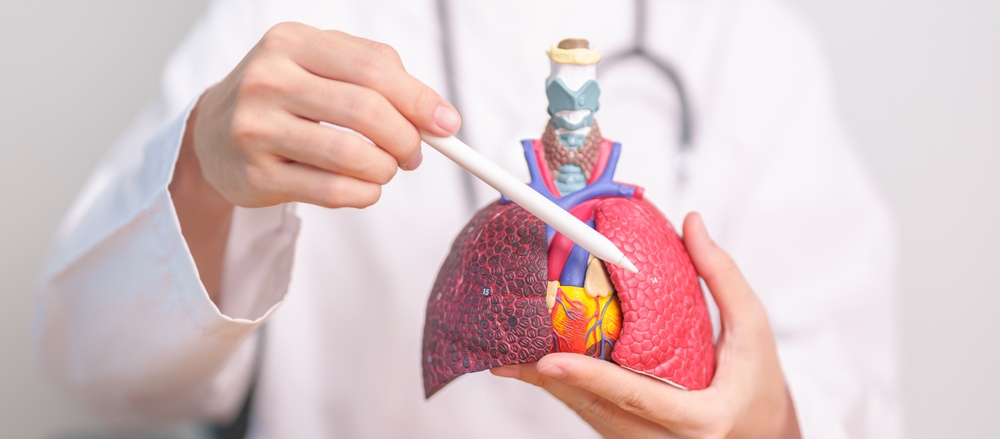
Leslie Caoili went to a doctor expecting a routine heart checkup in May. Instead, the 41-year-old San Diego mother was diagnosed with a life-threatening Type A aortic dissection, a catastrophic tear in the main artery leading away from the heart. Doctors told her family that she needed emergency surgery immediately, turning an ordinary medical appointment into a fight for her life.
Contents
show
The emergency operation was necessary to save her. But what happened afterward was even more devastating. Caoili developed severe circulation problems in her hands and feet, and despite efforts to address the problem, blood flow did not return. After months in the hospital, doctors were eventually forced to amputate both legs and both hands.
A Routine Checkup Uncovered A Life-Threatening Emergency
Caoili, who lives in Spring Valley, California, had gone to the doctor for a heart checkup when medical testing uncovered the aortic dissection. The condition involved a tear in her aorta, the body’s main artery, and the situation was considered so dangerous that doctors could not afford to wait.
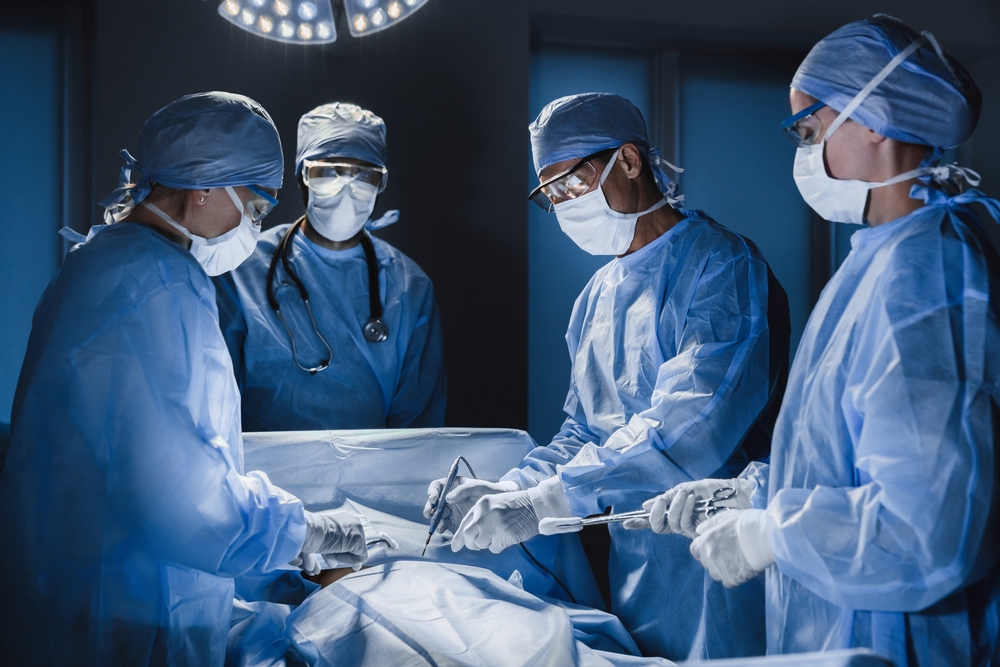
She needed immediate surgery involving cardiopulmonary bypass and extensive reconstruction of her aorta. The procedure was intended to repair the catastrophic damage and prevent the dissection from becoming fatal. Her husband, Amery Lee Caoili, later explained just how urgent the situation had been when he spoke to ABC 10News.
“She probably had maybe hours left to live,” Amery said.
That meant the family went from expecting a medical checkup to confronting a potentially fatal emergency within a matter of hours. The surgery gave Leslie a chance to survive, but the family’s ordeal did not end when she left the operating room.
The Surgery Was Only The Beginning Of The Nightmare
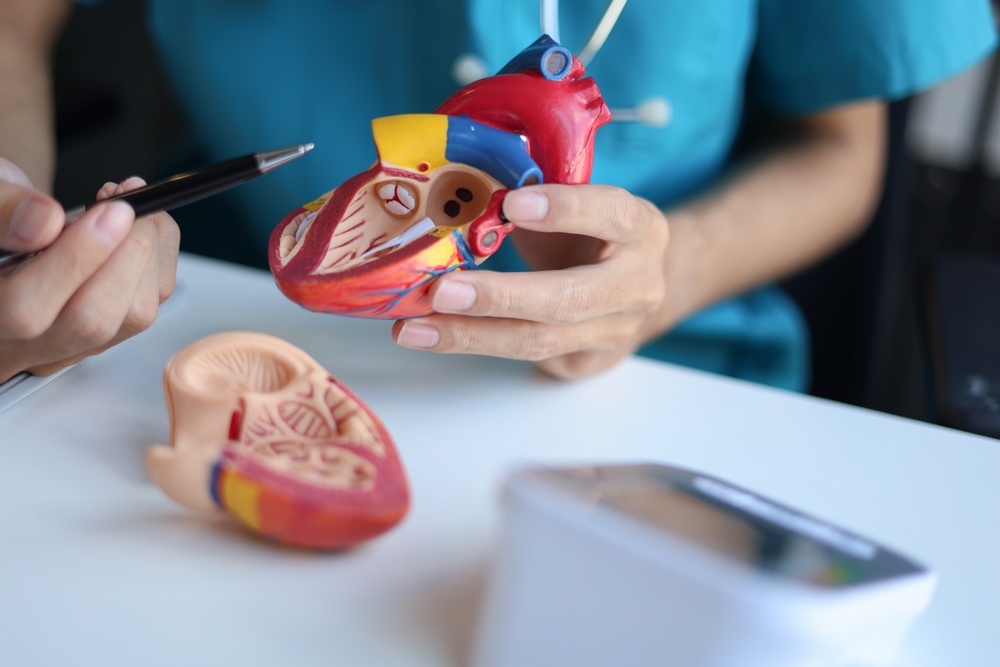
The Caoili family had hoped the extensive operation would be the final major hurdle. Instead, Leslie began experiencing serious circulation problems in the weeks following the procedure, with blood flow to her hands and feet becoming increasingly compromised.
The family initially did not know how her body would respond after such a major operation. As the weeks passed, however, it became clear that the problem was becoming severe. The loss of circulation eventually caused irreversible damage to the affected areas.
“We didn’t really know how her body was gonna respond to the initial surgery, but she ended up losing blood flow to her hands and her feet,” Amery told ABC 10News.
The condition continued to deteriorate during her hospital stay. By the end of the first month, the damage had become visible, with Amery describing Leslie’s hands and feet as “blackened and shriveled.” Doctors eventually had to make the devastating decision to amputate both of her legs and her hands at the mid-forearm.
Leslie Was A Competitive Strength Athlete Before The Crisis
Before the medical emergency completely changed her life, Leslie was known for her strength and athletic ability. The 41-year-old mother of two daughters competed as a strength athlete throughout the San Diego area, taking part in competitions and spending significant time training and lifting weights.
Photos shared by the family show a very different chapter of her life. In one image, Leslie is seen deadlifting a heavily loaded barbell. Other photographs show her outdoors, smiling and flexing, giving little indication of the devastating medical crisis that would soon follow.
That background makes the change particularly stark. Physical strength had been an important part of Leslie’s identity and daily routine, yet months later she was recovering in a hospital after losing all four limbs.
Her recovery has required her family to rethink almost every part of ordinary life. Tasks that once happened automatically will now require adaptations, assistance, equipment, and a home environment designed around her new needs.

Doctors Had To Make A Devastating Decision
The amputations followed a prolonged loss of blood circulation to Leslie’s hands and feet, according to the reports provided by her family. Despite the initial surgery and the family’s hopes that circulation would recover, there was ultimately no improvement sufficient to save the affected limbs.
The doctors therefore amputated both legs and removed her hands at the mid-forearm. The procedures came after months in the hospital, following the emergency treatment for her aortic dissection.
For Leslie and her family, the outcome represented a dramatic shift from the original emergency. The initial priority had been keeping her alive after the aortic tear. Once she survived that crisis, the family was confronted with the permanent consequences of the circulation problems that followed.
Leslie is now preparing for discharge and the long rehabilitation process ahead. Her family knows that returning home will be an important milestone, but it will also bring an entirely new set of challenges.
Her Family Is Racing To Make The House Accessible
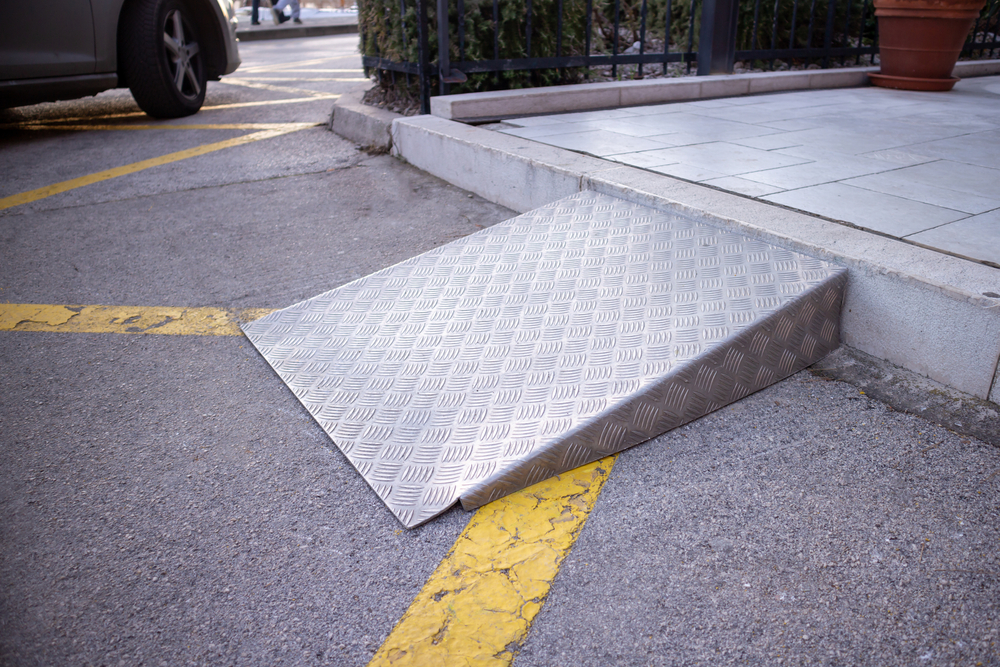
Leslie is expected to leave the hospital soon after spending several months there. Her family is excited to bring her home, but the house is not currently equipped for someone living with the extensive mobility challenges she now faces.
Her husband is therefore seeking skilled volunteers who can help transform the property before her discharge. The family needs practical assistance with several parts of the home, hoping to create a safer and more accessible environment where Leslie can begin adjusting to life outside the hospital.
The family is seeking help with:
- Electrical work: Volunteers with electrical skills could help make parts of the home easier and safer for Leslie to use.
- HVAC work: Heating and cooling systems may need attention as the family prepares the house for her return.
- Roofing: The family is also looking for skilled roofers as part of the broader renovation effort.
- Flooring: Changes to the flooring could help create safer and more accessible pathways through the home.
- Painting and general improvements: Additional work is needed to complete the family’s efforts to overhaul the property.
The project is much bigger than simply making a few small changes. The family is trying to prepare the entire house for a woman whose physical needs have changed dramatically in just a few months.
Her Husband Has Stayed Beside Her Throughout Recovery
Amery has remained by Leslie’s side throughout her lengthy hospital recovery. Photographs shared by the family show the couple together during this difficult period, including an image of them embracing outdoors and another showing Leslie surrounded by family in her hospital bed.
Their two daughters have also been part of the recovery. One photograph shows a young girl beside Leslie’s hospital bed holding two inflated medical gloves with faces drawn on them, offering a glimpse of the family’s efforts to maintain moments of normality during an otherwise overwhelming period.
The family is now focused on one immediate goal: getting Leslie home safely. But returning home will mark the beginning of a much longer process as she adjusts to her new circumstances and works toward greater independence.
That process will involve adapting the house, arranging the support she needs, and finding new ways to handle everyday activities. After months in the hospital, the family is preparing for a completely different kind of recovery.
Aortic Dissection Can Become A Medical Emergency
An aortic dissection occurs when a tear develops in the wall of the aorta, allowing blood to enter between layers of the artery. Type A dissections affect the portion of the aorta closest to the heart and are considered medical emergencies requiring immediate treatment.
The condition can become dangerous because the damaged artery may rupture or interfere with blood flow to other parts of the body. That is why doctors moved quickly after discovering Leslie’s dissection during what had been expected to be a routine checkup.
Her husband’s account makes clear how quickly the situation escalated. According to Amery, doctors believed she could have had only hours left to live without urgent intervention.
Leslie survived the emergency surgery, but the subsequent circulation problems created another serious medical battle. Her case shows that surviving the initial life-threatening event did not mean the danger was immediately over.
The Next Chapter Will Look Completely Different
Caoili’s family is now working toward a milestone that seemed unimaginable when she first went for her heart checkup. After months in the hospital, Leslie is preparing to return home, while her husband and other supporters work to make the property accessible before she arrives.
The transition will require major changes. The competitive strength athlete who once spent her time training and competing will now have to learn new ways to approach everyday life without her hands and legs.
Her story has moved far beyond the emergency that first brought her into the hospital. The immediate goal was survival. Now the goal is building a home and a support system that can allow her to live as independently as possible.
For the Caoili family, the next major moment will be when Leslie finally returns home. This time, they are determined to make sure the house is ready for her.