
Your cart is currently empty!
Six Servings of Fermented Foods Daily Dropped Inflammatory Markers in Weeks
When Stanford researchers set out to test whether certain foods could alter gut bacteria, they expected one dietary approach to prevail. Their prediction proved to be incorrect.
Contents
show
A randomized, prospective study published in the journal Cell in August 2021 tracked how two microbiota-targeted dietary interventions affected the human microbiome and immune system in healthy adults. Led by Hannah C. Wastyk and a team from Stanford School of Medicine, the 17-week trial assigned 36 participants to follow one of two carefully designed eating plans. One group loaded up on fiber-rich foods long praised for their health benefits. Another group ate something different altogether. By the study’s end, one diet had produced measurable results while the other left researchers puzzled.
Blood samples told a clear story. Participants in one group saw 19 different inflammatory proteins drop. Their immune cells grew calmer. Their gut bacteria diversified. Participants in the other group experienced almost none of these benefits.
What foods caused such a dramatic shift? And why did a diet long considered healthy fail to deliver similar results? Answers from Stanford’s clinical trial offer a fresh look at how what we eat shapes the invisible ecosystem living inside us.
Yogurt, Kimchi, and Kombucha Take Center Stage
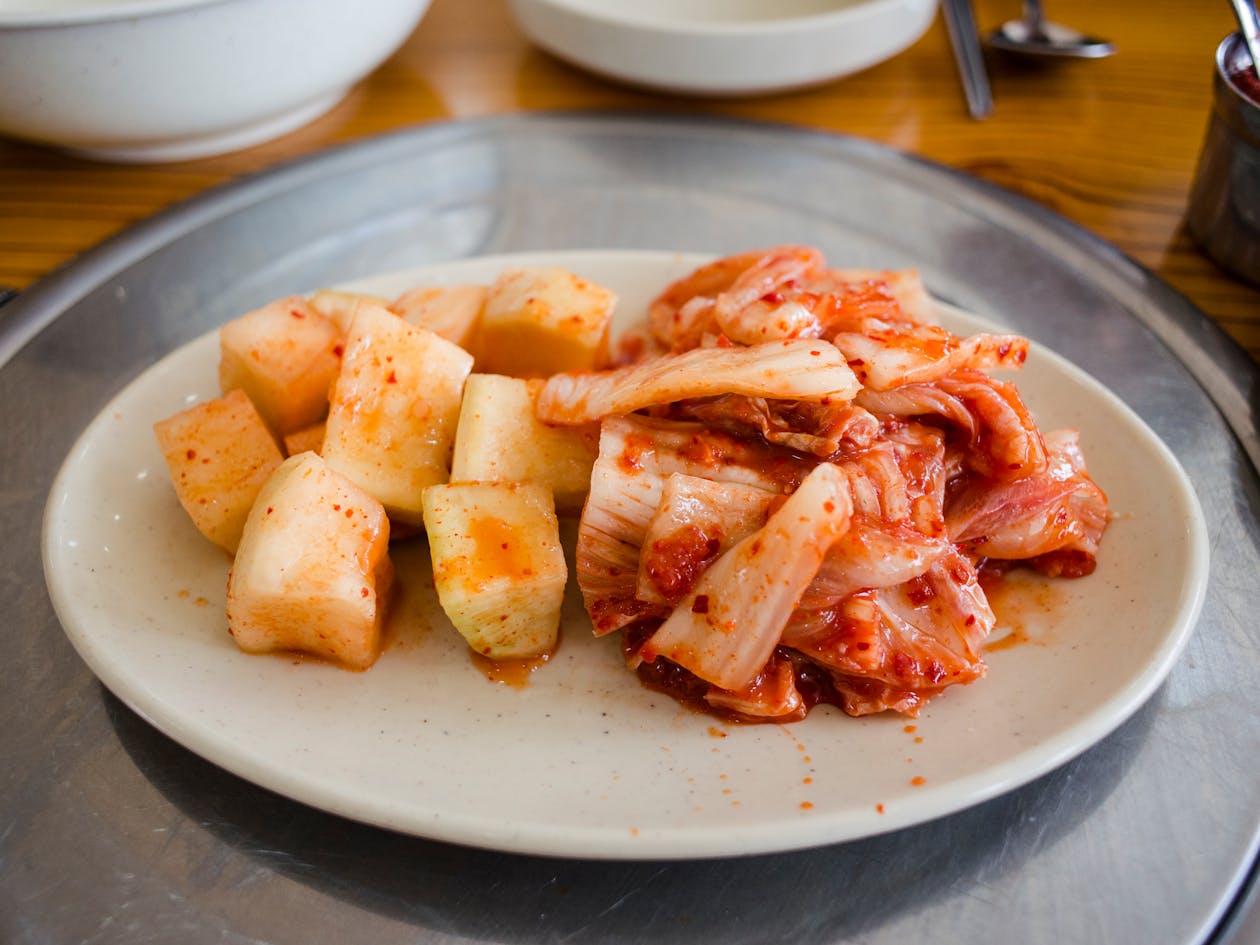
Participants assigned to the fermented food group filled their plates with foods transformed by beneficial bacteria and yeasts. Yogurt appeared at breakfast. Kefir became a regular drink. Kimchi and other fermented vegetables showed up at lunch and dinner. Some participants sipped kombucha tea. Others ate fermented cottage cheese or drank vegetable brine.
Researchers asked participants to work up to six servings of fermented foods each day. Many started slow and built their intake over the 10-week dietary period. Scientists collected blood and stool samples before the trial began, during the diet itself, and for four weeks after participants returned to eating as they chose.
Larger servings produced stronger effects. Participants who consumed more fermented foods saw bigger jumps in gut microbial diversity than those who ate smaller amounts. A dose-response relationship emerged from the data, confirming that quantity mattered.
Justin Sonnenburg, associate professor of microbiology and immunology at Stanford, did not expect such clear results. “This is a stunning finding,” he said. “It provides one of the first examples of how a simple change in diet can reproducibly remodel the microbiota across a cohort of healthy adults.”
His surprise reflected the difficulty researchers have faced in previous dietary studies. Human gut bacteria resist change. Yet fermented foods managed to shift microbial communities in consistent, predictable ways across all participants who consumed them.
Immune Cells Showed Signs of Calming Down
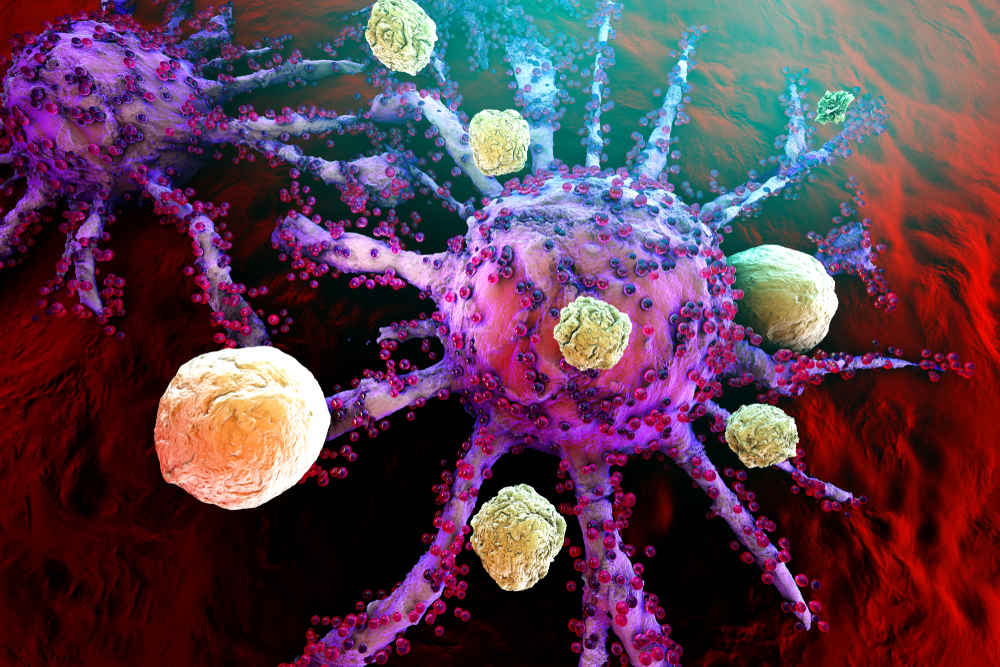
Blood tests revealed changes beyond gut bacteria. Four types of immune cells showed reduced activation in participants who ate fermented foods. When immune cells stay in a heightened state of alertness, they can trigger chronic inflammation throughout the body. Fermented food consumption appeared to dial back that response.
Even more striking, levels of 19 inflammatory proteins dropped in fermented food eaters. Among them was interleukin 6, a protein scientists have tied to rheumatoid arthritis, Type 2 diabetes, and chronic stress. When interleukin 6 stays elevated for long periods, it can damage tissues and contribute to disease progression.
Immune profiling studies formed a core part of the trial’s outcome measurements. Researchers wanted to know whether changes in gut bacteria would translate into measurable differences in immune function. Fermented foods delivered on both fronts.
Such consistency across all participants surprised the research team. Diet studies often produce mixed results, with some people responding well and others showing little change. Fermented foods appeared to work for everyone who ate them, regardless of their starting point.
High-Fiber Foods Failed to Produce Similar Results
Meanwhile, participants in the high-fiber group ate legumes, seeds, whole grains, nuts, vegetables, and fruits. Nutritionists have recommended these foods for decades. Prior research has linked high-fiber diets to lower rates of death from various causes and reduced risk of cardiovascular disease.
Yet the fiber group saw none of the inflammatory protein reductions that fermented food eaters experienced. All 19 proteins measured in blood samples stayed flat throughout the intervention period. Gut bacterial diversity also remained stable during the 10-week dietary window.
Erica Sonnenburg, senior research scientist in microbiology and immunology at Stanford, had anticipated different results. Her team expected fiber to boost gut microbe diversity just as fermented foods did. Instead, the data revealed a stubborn resistance to change.
Christopher Gardner, director of nutrition studies at the Stanford Prevention Research Center, noted that every single participant in the fermented food group showed anti-inflammatory effects. “Microbiota-targeted diets can change immune status, providing a promising avenue for decreasing inflammation in healthy adults,” Gardner said.
His observation highlighted the contrast between the two groups. While fermented food eaters saw uniform benefits, fiber eaters showed three distinct response patterns that corresponded to their baseline microbial diversity. Some individuals appeared better equipped to respond to fiber than others.
Stool Samples Offered Clues About Fiber’s Limitations

When researchers examined stool samples from high-fiber eaters, they found excess carbohydrates. Fiber was passing through the gut without being broken down. Gut bacteria in these participants could not handle all the fiber coming their way.
Scientists believe industrialized populations may have lost key fiber-degrading microbes over generations. Antibiotics, processed foods, and modern lifestyles have reshaped the human gut in ways researchers are still working to understand. Without the right bacteria present, fiber cannot deliver its full benefits.
Erica Sonnenburg offered her assessment of why fiber fell short. “The data suggest that increased fiber intake alone over a short time period is insufficient to increase microbiota diversity,” she said.
Her explanation pointed toward two possible solutions. A longer dietary intervention might give existing gut bacteria time to adapt and multiply. Or people might need to introduce fiber-consuming bacteria through probiotics or other means before a high-fiber diet can reshape their gut ecosystem.
Interestingly, the high-fiber diet did increase microbiome-encoded enzymes called CAZymes that degrade complex carbohydrates. Something was happening inside participants’ guts, just not the diversity boost scientists had hoped to see. Gut bacteria were trying to keep up with the influx of fiber, but could not multiply fast enough to make a measurable difference.
Neither proposed solution has been tested yet in rigorous trials. For now, the Stanford study suggests that simply eating more fiber may not produce quick results for people whose gut bacteria lack the capacity to process it.
Low Gut Diversity Links to Obesity and Diabetes

Why should anyone care about microbial diversity? Research over the past decade has connected low diversity in gut bacteria to obesity, diabetes, and other chronic conditions. People living in industrialized societies tend to have less diverse gut microbiomes than those in traditional societies around the world.
At the same time, rates of inflammatory diseases have climbed in wealthy countries. Autoimmune conditions, metabolic disorders, and chronic inflammation affect millions of people each year. Scientists suspect these two trends may be related, with diminished gut diversity setting the stage for systemic inflammation.
Gut bacteria do far more than help digest food. They train immune cells, produce vitamins, and create signaling molecules that affect organs throughout the body. When microbial communities shrink or lose key species, these functions can suffer. Gaps in the gut ecosystem may leave immune systems without proper guidance, leading to overreaction and inflammation.
Vincent Pedre, medical director of Pedre Integrative Health and author of Happy Gut, commented on the Stanford findings as an independent expert. He noted that decreased gut microbial diversity leads to increased gut permeability, sometimes called leaky gut. When the gut barrier weakens, bacterial toxins can enter the bloodstream and trigger metabolic problems. Studies have shown that rising levels of these circulating toxins precede metabolic syndrome, weight gain, and eventually diabetes.
Fermented foods offer a potential countermeasure. By increasing microbial diversity and reducing inflammation, they may help reverse some of the damage modern lifestyles have caused to human gut ecosystems.
Researchers Plan to Dig Deeper Into Mechanisms
Questions remain about how fermented foods produce their effects. Do the live microbes in yogurt and kimchi take up residence in the gut? Or do they pass through while triggering beneficial changes along the way? Stanford scientists plan to study mice to understand the molecular pathways involved.
Future trials will also test whether combining fermented and high-fiber foods produces better results than either approach alone. Perhaps fiber needs a diverse microbial community already in place before it can work its magic. Fermented foods might prepare the gut for fiber’s benefits, creating the bacterial infrastructure needed to process complex carbohydrates.
Justin Sonnenburg expressed interest in testing these ideas across different populations. Pregnant women, older adults, and patients with immune or metabolic diseases might respond differently from the healthy adults in the current study. Each group deserves targeted research to determine whether fermented foods can help them, too.
Scientists also want to know whether fermented food benefits persist over time. Participants in the Stanford study maintained higher gut diversity during the four-week follow-up period after the diet ended. Longer tracking could reveal whether these gains last months or years, or whether continuous consumption of fermented foods remains necessary to preserve microbial diversity.
Another research priority focuses on patients already dealing with inflammatory conditions. Can fermented foods reduce symptoms in people with rheumatoid arthritis or Type 2 diabetes? Or do benefits appear only when inflammation is prevented rather than treated? Clinical trials targeting these populations could answer these questions and potentially change dietary recommendations for millions of patients.
What Readers Can Take Away From These Findings

For anyone dealing with inflammation or concerned about gut health, the Stanford study offers practical guidance. Adding fermented foods to daily meals produced measurable benefits within weeks. Participants did not need supplements or special equipment. Grocery store yogurt and commercially available kimchi worked fine.
Scientists see promise in dietary approaches to inflammation and immune function. Pills and medical procedures are not the only options for people struggling with chronic conditions tied to gut health. Simple foods transformed by ancient preservation techniques may offer real help for modern health problems.
Pedre summarized the implications for a broader audience. Western societies face twin challenges of increased inflammation and lost microbial diversity. Overexposure to antibiotics and other medications has damaged gut ecosystems across entire populations. A fermented foods diet may prove more valuable than previously believed fiber recommendations in countering these effects. Such findings could translate into dietary guidance that helps millions of people suffering from inflammation and diminished gut bacterial diversity.
As researchers continue to explore how diet shapes the gut microbiome, fermented foods have earned a place at the table. A bowl of yogurt at breakfast or a serving of sauerkraut at dinner may do more than satisfy hunger. For people battling inflammation and seeking better gut health, these humble foods could point toward meaningful improvement.