
Your cart is currently empty!
Scientists Invent a Smart Tooth That Grows and Feels Like the Real Thing
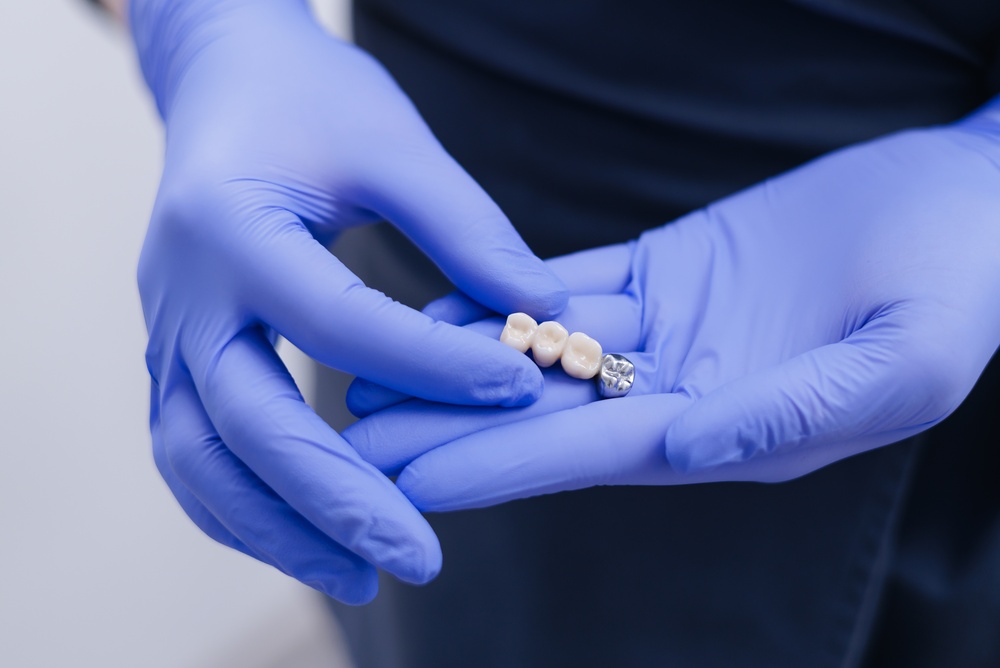
Losing a permanent tooth alters the simple pleasures of daily life, and while modern dentistry offers strong structural replacements, traditional metal implants always leave behind a completely numb spot in the jaw. Imagine if an artificial tooth could actually feel the satisfying crunch of a crisp apple or the comforting warmth of morning coffee. Thanks to a groundbreaking invention from medical researchers, that concept is quickly becoming a reality.
Contents
show
Engineering the Feeling Tooth
Natural teeth do much more than just chew. They act as highly sensitive sensors. Real teeth sit in a soft cushion of tissue filled with delicate nerve endings. These nerves send instant messages to the brain, helping a person feel the exact crunch of a crisp apple or the softness of a piece of bread.
When someone loses a tooth and receives a standard titanium implant, that built-in sensor completely disappears. Regular metal implants attach rigidly directly to the bone. There is no soft tissue cushion and absolutely no feeling. The replacement tooth looks real, but it remains entirely numb.
Scientists at Tufts University School of Dental Medicine are fixing this exact issue. In a recent study published in Scientific Reports, researchers revealed a completely new type of implant designed to act and feel like living tissue.
Instead of using a bare metal screw that turns into a rigid block in the jaw, the research team wrapped their new implant in a special biodegradable coating. This layer is packed with stem cells and specific proteins. As the mouth heals, the coating slowly dissolves. This process actively triggers the body to grow brand-new nerve connections directly around the base of the artificial tooth.
“This new implant and minimally invasive technique should help reconnect nerves, allowing the implant to ‘talk’ to the brain much like a real tooth,” says Dr. Chen, a leading researcher on the Tufts study. Medical tests confirmed that these new devices successfully grow into soft tissue rather than fusing solidly to the bone. By bringing back that crucial sense of touch, this breakthrough brings dentistry one step closer to making artificial teeth feel completely natural.
A Less Traumatic Alternative to Traditional Implants
When replacing a lost tooth, the physical size and shape of the new root matter immensely. To encourage soft tissue growth, the Tufts University researchers took a highly specific approach. They designed the bioengineered implants to be significantly smaller than the natural teeth they replace.
This smaller profile makes room for a specialized outer layer made of memory foam-like nanofibers. Before the procedure, the implant is compressed. Once placed inside the jaw, these fibers gently expand to fit the space. Because the device is not forced rigidly into the bone, the insertion process causes far less trauma to the surrounding tissues.
The strategy has shown highly effective results in laboratory settings. During rodent trials, the research team monitored the new implants for six weeks. The data demonstrated clear success. The implants remained completely firm and intact, with absolutely no signs of inflammation or immune system rejection. The specialized coating successfully convinced the body to accept the artificial root.
Medical scans provided the most compelling evidence of this biological acceptance. Jake Jinkum Chen, the lead author of the study and director of the oral biology school at Tufts, detailed the specific findings in a university release. “Imaging revealed a distinct space between the implant and the bone,” Chen stated, “suggesting that the implant had been integrated through soft tissue rather than the traditional fusion with the bone.”
That physical space is exactly where the new nerve networks flourish. By achieving this soft tissue integration in rodents, researchers are now preparing to test the devices in larger animal models. This critical next step lays the necessary groundwork before the technology can eventually reach human dental clinics.
The Future of Smart Implants

While the initial laboratory trials proved highly successful, the journey from the research lab to the local dental clinic requires careful progression. The Tufts team is already preparing their next phase of preclinical studies. Their immediate goal is to monitor brain activity in animal models to definitively prove that these newly grown nerves are actively sending sensory signals back to the brain. Once researchers confirm this communication loop, they will advance to safety and efficacy trials in larger animals.
The potential of this technology stretches far beyond replacing a missing molar. Dr. Chen notes that the principles behind this bioengineered coating could revolutionize how doctors approach various medical procedures. “This breakthrough also could transform other types of bone implants, like those used in hip replacements or fracture repair,” he stated.
Currently, millions of people undergo traditional titanium dental implants every year. Most patients accept a numb, artificial bite as the necessary cost of a restored smile. If this smart technology eventually gains clinical approval for human use, it will represent a massive leap forward in restorative medicine.
Instead of simply filling a gap with inert metal, dental professionals will be able to help the body rebuild its own living, feeling connections. The ultimate promise of the Tufts study is a future where artificial replacements seamlessly integrate into the human sensory experience. By restoring both function and feeling, this scientific advancement offers hope for a significantly higher quality of life for anyone needing an implant.
A Natural Future for Dental Care
For a long time, dentistry has treated missing teeth like a structural problem, using metal hardware to fill an empty space. While standard implants provide a strong fix, they bypass the delicate biology of the mouth. The resulting numbness takes away the simple, everyday joy of feeling a meal or speaking naturally.
The research from Tufts University changes how medicine approaches restorative care. By combining smart materials with natural cell growth, scientists are encouraging the body to rebuild its own nerve network. Early testing proves that growing a living connection to an artificial root is an achievable medical reality rather than just a theory.
As this technology moves closer to public clinics, it offers hope for a completely normal patient experience. Getting an implant will no longer mean living with a permanent, numb piece of metal. Instead, science is paving the way for true restoration, returning the vital sense of touch that makes a bite feel entirely real.
Source:
- Das, S., Ghosh, S., Tu, Q., Zhu, Z. X., & Chen, J. J. (2025). Surgical considerations towards inducing proprioceptive feedback in dental implants. Scientific Reports, 15(1). https://doi.org/10.1038/s41598-025-99923-8