
Your cart is currently empty!
South Carolina Confirms Major Measles Outbreak, Health Officials Issue Safety Warning
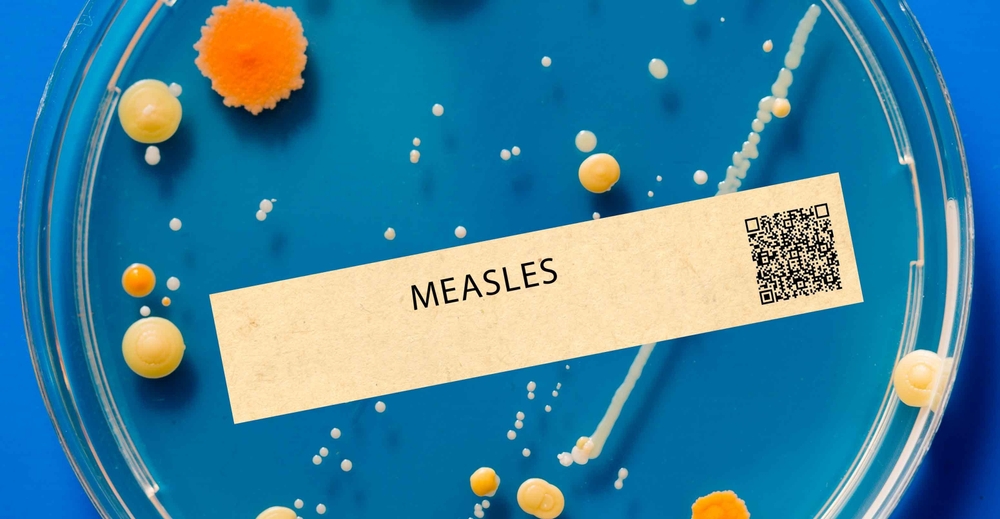
South Carolina health officials have confirmed a full-blown measles outbreak in the Upstate region, marking one of the most significant resurgences of the virus in the state in recent memory. As of early October, eight cases have been reported, with experts warning that the number may continue to climb in the coming weeks. The outbreak has been traced to exposure during international travel, and all of the individuals infected so far were unvaccinated. The news has reignited statewide concern about the dangers of falling immunization rates and the ongoing vulnerability of communities to preventable diseases.
Contents
show
Health leaders and medical professionals are urging residents to stay alert—particularly parents with young children, because several of the confirmed cases are linked to a local school. The virus’s ability to remain airborne or survive on surfaces for up to two hours after an infected person leaves a room underscores its extraordinary contagiousness. Public health officials have stressed that while the outbreak is currently contained in the Upstate, the fluid nature of travel and human contact means other regions of the state could easily be affected if precautions are not followed.
The reappearance of measles in a state that had long been free of widespread outbreaks serves as a cautionary tale about how global health issues can resurface locally. Experts are urging vigilance not just to stop this outbreak, but to restore trust in vaccination, A cornerstone of public health that has become increasingly fragile in recent years.

The Outbreak and Its Origins
According to the South Carolina Department of Health and Environmental Control (DHEC), the outbreak was initially identified after several individuals were exposed to the virus during international travel. Health officials confirmed eight cases in the Upstate, meeting the CDC’s threshold for an outbreak—three or more linked cases. This rapid spread within a relatively small geographic area highlights just how contagious measles can be when introduced into unvaccinated populations.
Dr. Brannon Traxler, Public Health Director for DHEC, reported that two of the cases have no identified source, indicating possible community transmission that has gone undetected. Such findings raise concern about unrecognized spread in public spaces such as schools, grocery stores, and workplaces. The department has launched a comprehensive contact tracing initiative, isolating patients and notifying anyone who may have been exposed. Officials are also urging people who develop fever, rash, or respiratory symptoms to call their doctor before visiting any clinic to prevent further exposure.
This outbreak has become a stark reminder that infectious diseases respect no borders. A single traveler carrying a virus can unintentionally spark a chain reaction that endangers entire communities. In a state where vaccination rates have gradually declined, the risk of such a chain reaction becomes alarmingly higher. For public health agencies, this outbreak is both a logistical challenge and a moral one: to protect the broader community while combating the misinformation that continues to undermine preventive care.
Understanding the Disease
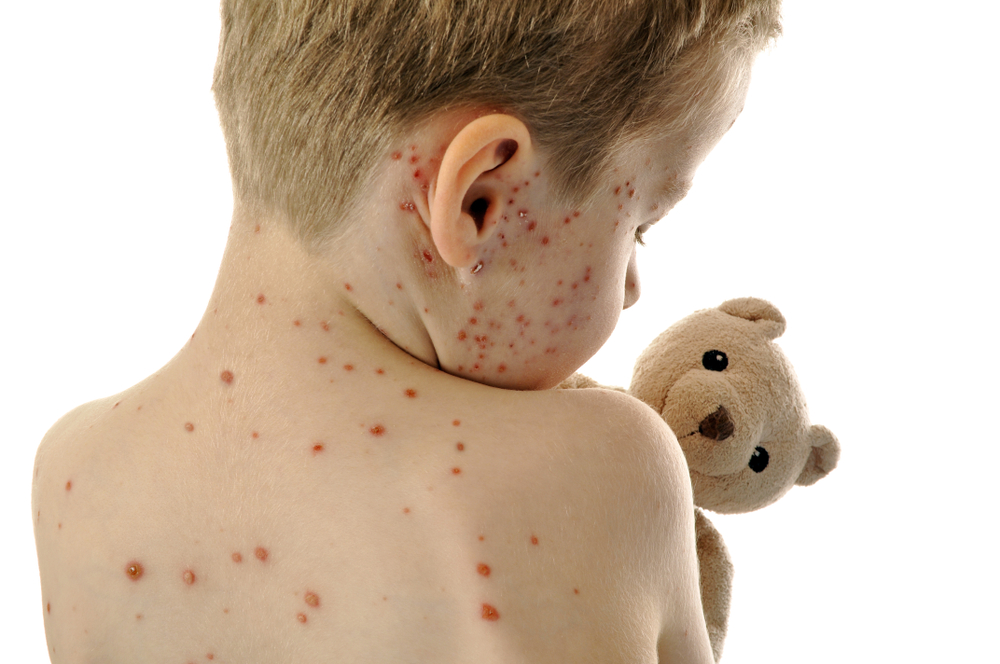
Measles is one of the most contagious viruses known to medicine. The CDC reports that up to 90% of unvaccinated individuals exposed to it will become infected. Transmission occurs when an infected person breathes, coughs, or sneezes, sending viral particles into the air where they can remain infectious for up to two hours. Symptoms often begin with high fever, runny nose, cough, and inflamed eyes, before a telltale rash appears that typically spreads from the face downward.
Because the initial symptoms resemble a common cold or flu, people often do not realize they are contagious until the virus has already spread. This delay in diagnosis makes containment particularly difficult, especially in schools or workplaces where close contact is unavoidable. Severe complications can include pneumonia, encephalitis (inflammation of the brain), and in rare cases, death. Infants, pregnant women, and immunocompromised individuals are at the highest risk of these complications.
Globally, measles cases have been climbing since 2022, fueled by the disruption of vaccination programs during the COVID-19 pandemic and growing vaccine hesitancy. The World Health Organization (WHO) has identified pockets of declining immunity in multiple countries, including the U.S. The South Carolina outbreak is part of a larger trend that reflects both the power of viruses to exploit small cracks in public health systems and the urgency of rebuilding those systems with stronger community participation and trust.
The Importance of Vaccination
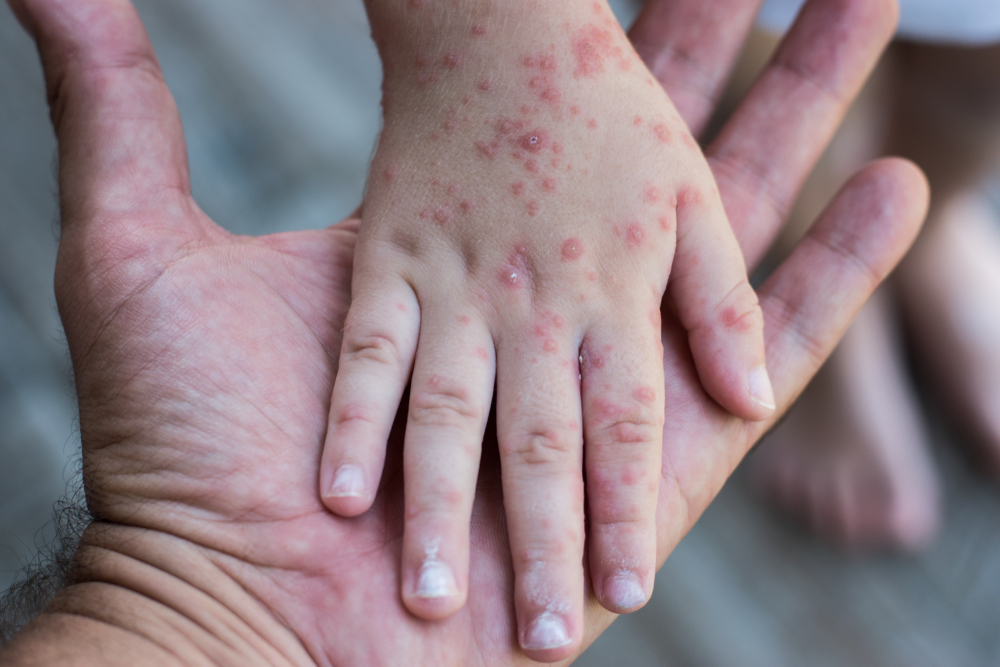
The South Carolina outbreak has renewed a crucial public debate about vaccination. Every confirmed patient in this outbreak was unvaccinated, confirming what epidemiologists have long emphasized: measles thrives where vaccination rates fall. The MMR vaccine—protecting against measles, mumps, and rubella—is about 97% effective after two doses, providing lifelong protection for most individuals. Yet, misinformation spread through social media and certain communities has led to hesitancy, creating vulnerable clusters that allow outbreaks to take root.
Stephanie Radu, a health professional at Grand Strand Medical Center, stressed practical prevention steps: “It’s a very contagious disease, and keeping your kids safe by making sure that you wash your hands when you go out is essential. The virus can stay alive for two hours, either airborne or on surfaces. Wearing masks in public can also help reduce the risk if outbreaks are reported in your area.” Her words capture a growing frustration among medical professionals who see firsthand how misinformation undermines years of public health progress.
Vaccination is not simply a personal choice—it is a collective responsibility. When immunization rates drop below about 95%, herd immunity breaks down, allowing diseases like measles to find new footholds. The current outbreak in South Carolina underscores this reality, reminding everyone that vaccines are not just about individual safety but about protecting the entire fabric of community health. Trusting science, verifying credible sources, and seeking professional medical advice are now more vital than ever.

Public Health Response and Community Impact
In response to the outbreak, DHEC has implemented aggressive containment measures, including isolating patients and conducting exhaustive contact tracing. Schools and workplaces in the affected areas are under close watch, with public health workers communicating directly with administrators to identify any potential symptoms early. Officials have also urged residents to stay home if they feel ill and to notify healthcare providers before visiting clinics to minimize exposure risk.
Parents across the state are understandably anxious. School districts have begun sending out informational bulletins reminding families to check vaccination records and reinforcing hygiene practices such as handwashing and mask use when appropriate. Local community centers and faith-based organizations have stepped in as well, hosting Q&A sessions with medical professionals to address concerns about vaccine safety. The goal is to empower people with facts rather than fear.
This coordinated effort reflects a critical truth about public health: success depends not only on the actions of authorities but on the trust and cooperation of ordinary citizens. When communities communicate openly and act with shared purpose, outbreaks can be contained quickly. When misinformation or distrust spreads faster than the virus itself, containment becomes far more difficult. South Carolina’s handling of this outbreak could become a model—or a warning—for how other states prepare for similar challenges.
Lessons and Broader Reflections
The reemergence of measles in South Carolina highlights a paradox of modern medicine: the more successful vaccination campaigns are, the easier it becomes for people to forget why they matter. Measles was declared eliminated from the United States in 2000, meaning it no longer circulated continuously within the country. Yet, as this outbreak shows, “elimination” does not mean eradication. Global travel and waning vaccination coverage can bring the virus back swiftly, turning complacency into crisis.
This event serves as both a wake-up call and an opportunity for reflection. It reveals how interconnected we all are and how public health is a shared responsibility, not a solitary one. It also challenges communities to rebuild trust in science and medicine at a time when misinformation often clouds public perception. In this sense, the South Carolina outbreak is not just a health issue but a social one—a mirror reflecting how collective action, or inaction, shapes our shared wellbeing.
The lesson is clear: prevention is infinitely more effective than reaction. Every vaccine administered, every public reminder, and every honest conversation about health brings us closer to safety. The outbreak may be frightening, but it also reminds us of what cooperation can achieve—and how knowledge, empathy, and scientific integrity remain humanity’s best defense against invisible threats.