
Your cart is currently empty!
South Korea Pushes to Officially End the Korean War After Seventy Five Years
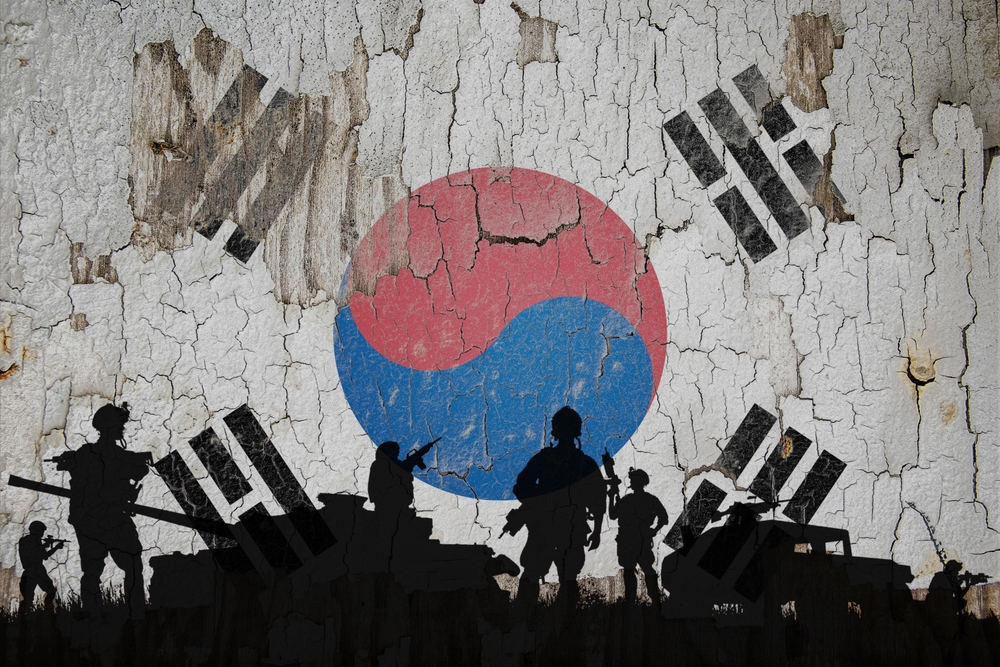
The Korean War technically ended more than seven decades ago, yet the conflict has never truly been closed. Since 1953, the Korean Peninsula has lived under a fragile armistice rather than a formal peace treaty. That unresolved status has shaped global geopolitics, influenced military alliances, and left millions of Koreans living with the legacy of a war that never formally ended.
Contents
show
Now, South Korea is once again attempting to change that reality. The country’s Unification Ministry has proposed pursuing a political declaration to formally end the Korean War. Officials say the move is intended to ease tensions with North Korea, revive stalled diplomacy, and lay the groundwork for a permanent peace arrangement on the peninsula.
The proposal arrives at a moment when regional tensions remain complicated but diplomatic possibilities have not entirely disappeared. With the United States, China, and both Koreas deeply tied to the original conflict, any attempt to move from armistice to peace carries historic significance. Whether the declaration can succeed remains uncertain, but the renewed push reflects a belief in Seoul that the war’s unfinished status continues to shape every aspect of inter-Korean relations.
A War That Never Officially Ended
The Korean War began in June 1950 when forces from North Korea crossed the 38th parallel into South Korea. The invasion quickly escalated into a major international conflict. United Nations forces led by the United States entered the war in support of the South, while China backed North Korea. Over three years of fighting, cities were devastated and millions of soldiers and civilians lost their lives.
By July 1953 the fighting reached a stalemate, leading to the signing of an armistice agreement. The armistice halted the combat but did not produce a formal peace treaty. As a result, North Korea and South Korea technically remain at war to this day.
The armistice created the Demilitarized Zone, a heavily fortified strip of land that still separates the two countries. While it prevented the immediate resumption of hostilities, it left the broader political conflict unresolved. For decades the peninsula has experienced cycles of confrontation, diplomatic outreach, military tension, and occasional breakthroughs.
This unfinished status has also kept the Korean Peninsula at the center of global security concerns. The presence of American troops in South Korea, the development of North Korea’s nuclear weapons program, and the involvement of China in regional diplomacy all stem in part from the unresolved legacy of the war.
Seoul’s New Push for a Peace Declaration

South Korea’s Unification Ministry recently presented a policy report to the National Assembly outlining a plan to pursue a declaration formally ending the war. Officials describe the proposal as a political step that would signal the intention of all parties to move beyond the armistice system.
The declaration would not immediately replace the armistice with a legally binding treaty. Instead, it would represent a symbolic and diplomatic milestone intended to open the door for deeper negotiations. According to the ministry, such a declaration could initiate broader discussions about creating a permanent peace framework on the peninsula.
President Lee Jae Myung’s administration has emphasized the importance of stabilizing relations with North Korea after years of heightened tension. Officials in Seoul argue that a peace declaration could help reduce hostility and build the confidence necessary for further talks.
The proposal also reflects a broader diplomatic strategy. South Korea hopes to act as a mediator or “pacemaker” between Washington and Pyongyang, encouraging renewed dialogue between the United States and North Korea. Seoul believes that progress in inter-Korean relations could help unlock wider negotiations involving nuclear disarmament and regional security.
The Complicated Role of the United States and China

Any attempt to formally end the Korean War requires the involvement of multiple international actors. The original armistice agreement was signed by North Korea, the United Nations Command led by the United States, and China. South Korea itself was not a direct signatory.
Because of this, transforming the armistice into a peace treaty requires coordination among several governments. The United States maintains nearly 30,000 troops in South Korea and remains the country’s primary security ally. China continues to be North Korea’s most important economic and diplomatic partner.
In past diplomatic efforts, discussions have often focused on whether a peace declaration should involve three parties or four. Some proposals include the two Koreas and the United States, while others add China as a fourth participant. Each configuration carries political implications for regional security.
During previous negotiations, American officials expressed openness to discussing the unresolved wartime status of the peninsula. Former U.S. President Donald Trump signaled willingness to address the issue during his diplomatic outreach to North Korea. At the same time, Washington has consistently linked progress on peace talks with North Korea’s nuclear weapons program.
China has also voiced support for initiatives aimed at reducing tensions on the peninsula. Chinese diplomats have indicated backing for discussions about an end of war declaration, viewing it as a step toward regional stability.
Despite these expressions of support, aligning the interests of all parties remains a significant diplomatic challenge.
North Korea’s Mixed Signals
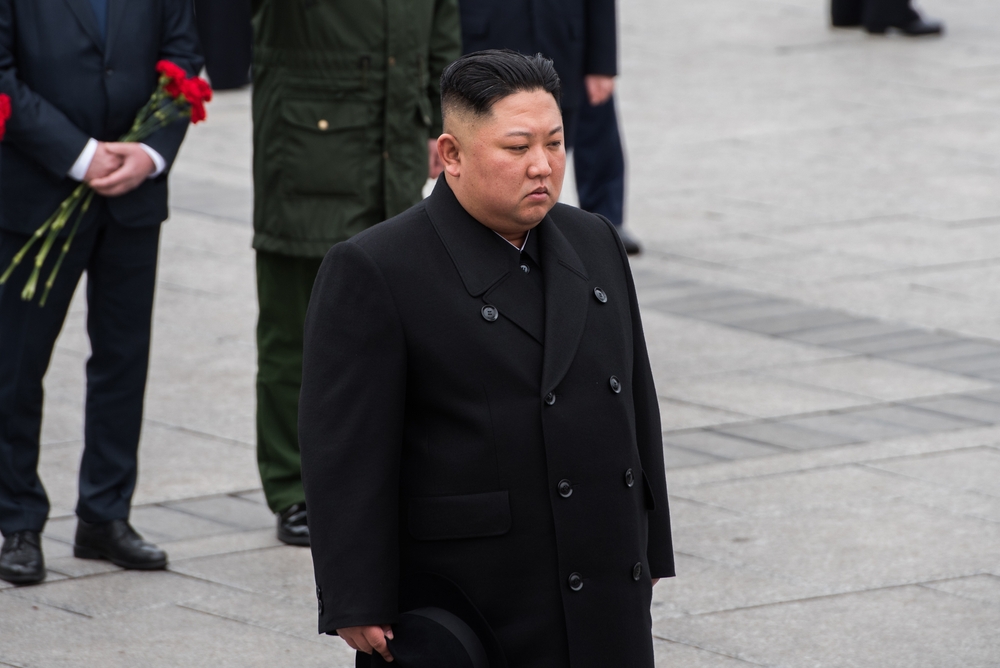
North Korea’s response to proposals for an end of war declaration has been complex. At times Pyongyang has suggested that it is open to improved relations, particularly with the United States. North Korean leader Kim Jong Un has previously spoken about the possibility of creating a “new history” in relations with the South.
One of the most striking moments in recent diplomacy occurred when Kim met South Korean President Moon Jae in at the Demilitarized Zone. In a carefully choreographed encounter, the two leaders crossed the border together and pledged to work toward peace and denuclearization of the peninsula.
The meeting captured global attention. It included symbolic gestures such as planting a tree together and holding a private discussion near the border. At the time both leaders spoke optimistically about transforming relations between the two countries.
However, progress since those moments has been uneven. North Korea has continued to develop its weapons programs and has often criticized joint military exercises conducted by the United States and South Korea. Pyongyang frequently describes those drills as preparations for invasion.
North Korean officials have also insisted that the United States must abandon what they describe as a hostile policy before meaningful negotiations can take place. This includes calls for the removal of sanctions, the scaling back of military exercises, and changes to the American military presence on the peninsula.
These demands have created a diplomatic stalemate. The United States maintains that sanctions relief and broader concessions should follow concrete steps toward nuclear disarmament. North Korea argues that security guarantees must come first.
Diplomacy, Denuclearization, and Missed Opportunities

Efforts to resolve the Korean War’s unfinished status have appeared several times in recent decades. One of the most prominent periods of diplomacy occurred between 2018 and 2019, when high level talks between North Korea, South Korea, and the United States created hopes for a historic breakthrough.
The summit meetings between Donald Trump and Kim Jong Un marked the first time a sitting American president met a North Korean leader. These encounters were accompanied by inter Korean summits and public declarations about building a lasting peace.
Despite the dramatic symbolism, negotiations ultimately stalled. A key moment came during the Hanoi summit in 2019, which ended without an agreement. Differences over sanctions relief and the extent of North Korea’s nuclear rollback proved difficult to bridge.
Since then, diplomatic engagement has slowed significantly. Communication between Washington and Pyongyang has been limited, while North Korea has continued to advance its missile capabilities. At the same time, South Korean leaders have continued to explore ways to restart dialogue.
Supporters of a peace declaration argue that such a gesture could help break the diplomatic deadlock. By formally acknowledging that the war is over, they believe the declaration could provide North Korea with security assurances that encourage further negotiations.
Critics worry that a declaration might reward Pyongyang without securing concrete concessions. Some analysts also fear it could lead to pressure for reducing the American military presence in South Korea before meaningful progress on denuclearization occurs.
Military Tensions Still Shape the Peninsula
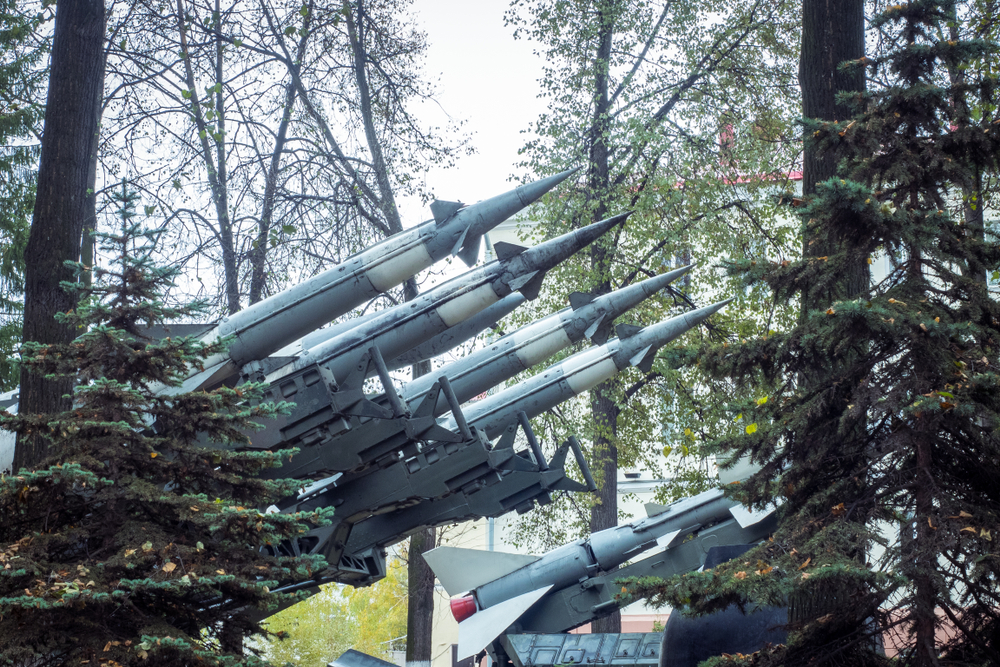
Even as diplomatic discussions continue, the Korean Peninsula remains one of the most heavily militarized regions in the world. The Demilitarized Zone separates two states that maintain large standing armies and significant military infrastructure.
Joint exercises between the United States and South Korea are conducted regularly to maintain military readiness. These drills often trigger strong reactions from North Korea, which frequently responds with sharp statements or missile tests.
The upcoming Freedom Shield military exercise is expected to draw similar criticism from Pyongyang. North Korea has historically portrayed such drills as evidence of hostile intentions from Washington and Seoul.
These recurring cycles of military activity and political rhetoric illustrate the difficulty of shifting from an armistice system to a genuine peace arrangement. The security concerns of each side remain deeply rooted in decades of distrust.
At the same time, proponents of diplomacy argue that maintaining the current situation indefinitely carries its own risks. Without progress toward a stable peace framework, the peninsula will continue to face periodic crises and uncertainty.
The Long Road Toward a Peace Treaty

Even if a political declaration is achieved, transforming it into a formal peace treaty would require extensive negotiations. Issues such as security guarantees, military deployments, economic cooperation, and nuclear disarmament would all need to be addressed.
Diplomats often describe the process as extraordinarily complex. Each party involved has its own strategic interests and domestic political pressures. Reaching consensus on the details of a peace agreement could take years of negotiation.
Nevertheless, advocates argue that symbolic steps can still carry powerful significance. A declaration ending the war would represent a moment of historical recognition that the conflict belongs to the past rather than the present.
For many Koreans, the idea holds emotional importance as well as political meaning. Families separated by the division of the peninsula have lived for generations without the opportunity to reconnect. Cultural exchanges and reunions have occasionally taken place during periods of improved relations, offering glimpses of what a more peaceful future could look like.
A peace declaration would not erase the deep divisions between North and South Korea, but it could signal a willingness to imagine a different future.
Turning an Armistice Into Peace
Seventy five years after the guns fell silent, the Korean War remains one of the world’s most unusual unresolved conflicts. The armistice halted the fighting but left a legal and political void that still shapes regional security.
South Korea’s latest proposal to formally declare an end to the war reflects a belief that diplomacy must continue despite repeated setbacks. The idea has surfaced before and faced formidable obstacles each time. Yet the persistence of the effort shows how powerful the desire for a lasting peace remains.
Whether the current initiative gains momentum will depend on the willingness of multiple governments to return to the negotiating table. The United States, China, North Korea, and South Korea all play roles in determining the future of the peninsula.
For now, the proposal represents another attempt to close one of the longest unfinished chapters in modern history. If successful, it would mark the beginning of a new phase in Korean relations. If not, the peninsula will continue living with the consequences of a war that technically never ended.