
Your cart is currently empty!
Elon Musk’s Starlink To Allow Calling Anywhere On Earth With No Cellular Towers Needed

Picture this: You’re miles away from civilization, immersed in nature’s grandeur, or caught in the chaos of an unexpected disaster, and your phone reads “No Signal.” It’s a frustratingly familiar scenario that many of us have faced—but what if it didn’t have to be? What if staying connected anywhere on Earth became as simple as turning on your smartphone? Elon Musk’s Starlink promises to rewrite the rules of global communication with a bold leap forward in connectivity. How does it work, and what makes this innovation so extraordinary?
Contents
show
How Starlink’s Direct-to-Cell Technology Transforms Communication
What makes Starlink’s innovation truly remarkable is the simplicity at its core: connectivity directly from satellites to smartphones, bypassing the need for traditional cell towers. Through its expansive satellite network, Starlink acts as a “cell phone tower in space,” ensuring that users can make calls, send texts, and even browse the internet from anywhere on Earth.
The magic lies in the advanced eNodeB modems embedded in Starlink satellites. These modems serve as base stations, facilitating LTE (Long Term Evolution) connections—essentially the foundation of modern wireless communication. No additional hardware, no bulky satellite phones—just your regular LTE-compatible smartphone is enough to tap into the satellite signal. This compatibility eliminates barriers for users, letting even slightly older devices join the cutting-edge communication revolution.
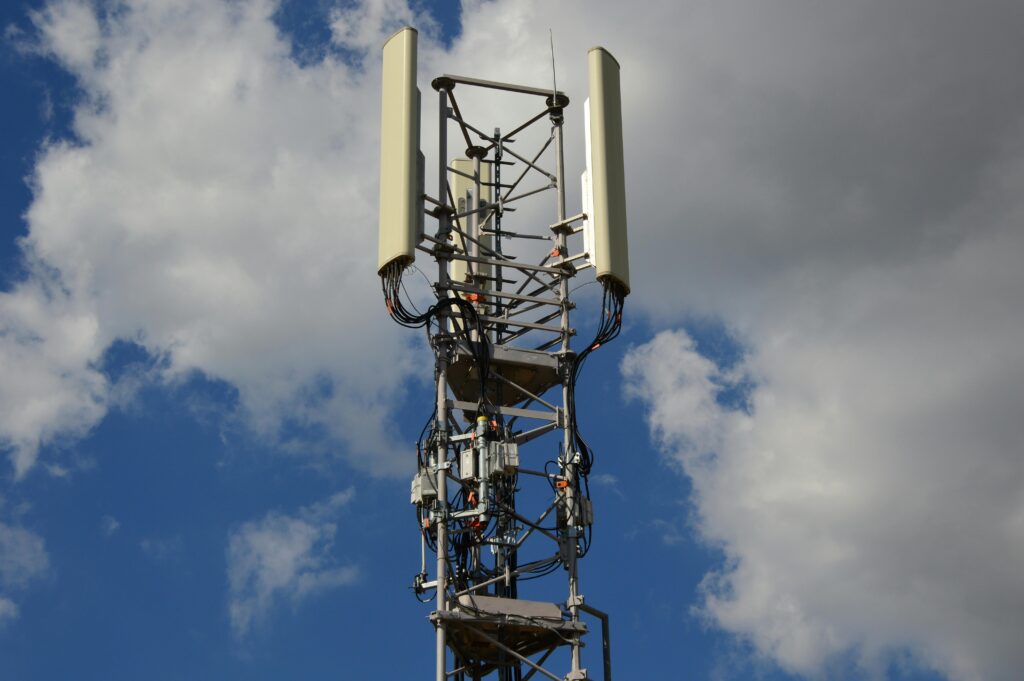
Unlike traditional cellular networks that depend on localized infrastructure like towers and fiber-optic cables, Starlink’s Direct-to-Cell technology uses low Earth orbit satellites to provide coverage to even the most remote locations. Whether you’re surrounded by ocean waves, mountain ranges, or dense forests, your phone connects seamlessly to the satellite signal above, ensuring uninterrupted communication no matter where you are.
A World Without Dead Zones

Imagine a world where communication is no longer restricted by geography. Starlink’s Direct-to-Cell technology is making that vision a reality by erasing connectivity dead zones—those frustrating pockets where your phone stubbornly displays “No Signal.” This innovation is a lifeline for explorers, adventurers, and anyone who finds themselves in uncharted territory. Whether it’s the heart of the Sahara Desert, the dense canopy of the Amazon rainforest, or the frozen expanse of Antarctica, Starlink ensures you’re never out of reach.
It’s not just thrill-seekers who stand to benefit. This technology brings unprecedented opportunities to rural and underserved areas, where traditional cellular infrastructure is still lagging behind. Farmers in remote villages, students in isolated communities, and families separated by vast distances can finally bridge the gap—connecting to markets, classrooms, and loved ones without barriers.
Even in critical moments, such as emergencies or natural disasters, Starlink’s satellites shine as a beacon of reliability. Imagine rescuers coordinating disaster relief in areas devastated by hurricanes, earthquakes, or floods, unhampered by damaged cell towers. These connections can mean the difference between chaos and recovery.
Who Benefits From Starlink’s Innovation?
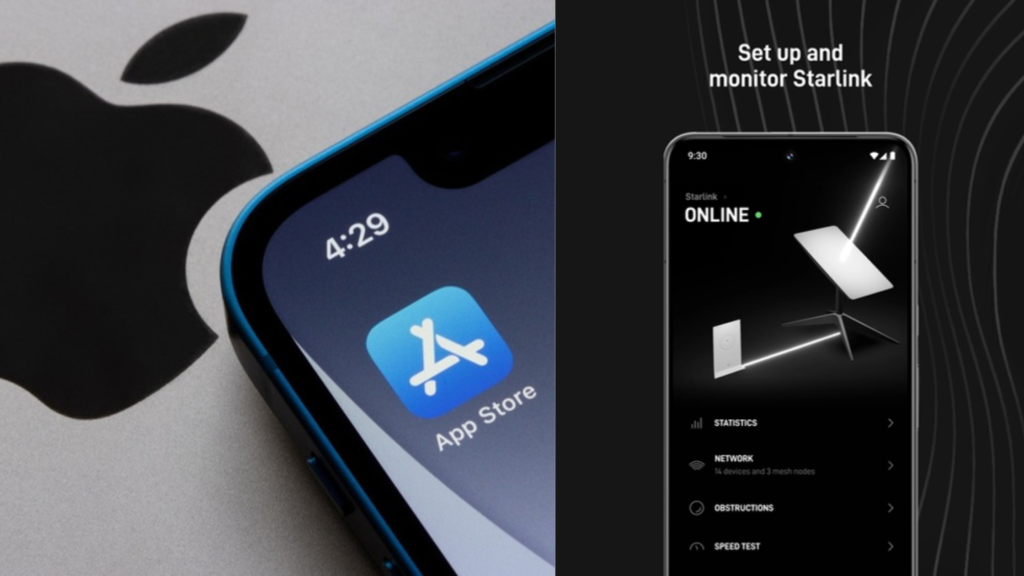
Image Credits: Website @AppleAppStore
Starlink’s Direct-to-Cell technology isn’t just a technological marvel—it’s a lifeline that caters to a diverse range of people and industries. Its ripple effects reach far and wide, revolutionizing the way we stay connected across the globe. Here’s who stands to gain the most from this groundbreaking service:
Adventurers and Explorers
From mountaineers scaling the Himalayas to sailors navigating the open seas, adventurers often find themselves in areas where connectivity is nonexistent. With Starlink, staying connected becomes effortless, ensuring their safety and enabling them to share their stories in real time.
Emergency Responders
In the chaos of natural disasters or critical emergencies, reliable communication can save lives. Starlink provides a dependable alternative when traditional networks fail, helping first responders coordinate rescue and relief efforts, even in the most isolated regions.
Rural Communities
For millions living in rural and underserved areas, connectivity is still a luxury rather than a standard. Starlink bridges this gap, providing access to education, telemedicine, and markets, empowering individuals and communities to thrive in a connected world.
Businesses Operating in Remote Locations
Industries like mining, oil exploration, and environmental research often operate in regions beyond the reach of cell towers. Starlink ensures these businesses stay connected, enabling smooth operations, real-time data sharing, and better workforce communication.
Everyday Users in Urban Areas
Even city dwellers can experience the frustration of dropped calls and patchy service. By partnering with telecom providers, Starlink enhances connectivity for everyday users, creating a more reliable network for all.
Tips for Maximizing Starlink’s Direct-to-Cell Service

Making the most of Starlink’s Direct-to-Cell technology doesn’t have to be complicated. Here are practical tips to ensure seamless connectivity and optimal use of this groundbreaking service:
1. Check Your Device Compatibility
Ensure your smartphone is LTE-enabled, as this is the key requirement to connect with Starlink’s satellites. Whether it’s the latest Iphone or an older Android model, compatibility spans across brands—so double-check your device’s specs before setting out.
2. Stay Updated on Service Availability
Starlink’s Direct-to-Cell service is rolling out in phases, with texting expected to launch first, followed by calling and browsing capabilities. Keep an eye on updates from Starlink or its partnered telecom providers to stay ahead of service expansion in your area.
3. Know Your Environment
Satellite connectivity works in diverse settings, including rural regions, dense forests, and open seas. However, understanding your surroundings—such as weather conditions or obstructions—can help you position yourself for a stronger signal.
Image Credits: Website @AppleAppStore

4. Use for Emergencies Wisely
During critical moments, leverage Starlink’s technology to ensure clear communication. Familiarize yourself with how to quickly send texts or make calls via your favorite apps to make the most of this reliable service in emergencies.
5. Optimize Battery Life
When relying on Starlink in remote areas, keep your phone charged or carry portable chargers. Satellite-based communication may draw slightly more power, so being prepared is crucial for uninterrupted connectivity.
6. Experiment with Satellite Browsing
Once Starlink expands its browsing capabilities, make sure to test your favorite apps or websites in remote areas to gauge the usability and speed of satellite-powered internet.
7. Keep Tabs on Future Integration
Starlink plans to include IoT devices, enabling smartwatches, vehicles, and remote sensors to connect directly to satellites. Stay informed about these advancements, as they could further enhance your communication options.
Real-Life Scenarios

Starlink’s Direct-to-Cell technology is more than just an ambitious concept—it’s a practical solution with the potential to transform lives in the most unexpected ways. Let’s take a closer look at how this innovation could play out in real-world scenarios:
1. Disaster Relief and Emergency Response
In the aftermath of Hurricane Ida, communication failures left rescue teams struggling to coordinate relief efforts. Now imagine having uninterrupted connectivity even when cell towers are down. Starlink could enable disaster responders to instantly share updates, deploy resources, and save lives with precision.
2. Adventures Without Boundaries
Picture a climber stranded in the Himalayas or a lone sailor in the Pacific Ocean. With Starlink, these adventurers can make calls or send texts, ensuring help is just a signal away. The days of carrying bulky, expensive satellite phones will soon be a relic of the past.
3. Bridging the Gap for Rural Students
In remote villages of Zambia, students often trek miles to access internet or educational resources. Starlink could bring the classroom to their doorstep, enabling seamless online learning and opening up opportunities that were once out of reach.
4. Supporting Remote Healthcare
A doctor in a rural clinic in Chad could now consult specialists in Europe or the United States instantly. With Starlink, critical healthcare resources like remote diagnostics and virtual consultations become accessible to even the most isolated communities.
5. Revolutionizing Wildlife Conservation
Conservationists tracking endangered species in dense forests often work in areas with zero connectivity. Starlink’s satellites could facilitate real-time data sharing, improving monitoring efforts and supporting global initiatives to preserve biodiversity.
6. Enhancing Operations in Remote Industries
On an oil rig in the Atlantic or a mining site in the Congo, connectivity is vital for safety and productivity. Starlink ensures that workers can communicate with headquarters, share data instantly, and maintain operational efficiency in challenging environments.
A New Era of Communication
Starlink’s Direct-to-Cell technology heralds an extraordinary leap forward in how we stay connected. By turning everyday LTE-compatible smartphones into tools of global communication, this innovation breaks down barriers that once isolated people, communities, and industries. It’s no longer about finding a signal—it’s about having one wherever you are, whether for safety, work, or simply keeping in touch.
From remote villages to bustling urban centers, adventurers to emergency responders, this technology promises to level the playing field, making connectivity a universal right rather than a privilege. Starlink not only pushes the boundaries of communication but also inspires hope for a world where everyone, regardless of geography or circumstances, can stay connected.
As Starlink continues to shape this new frontier, the question is no longer about if universal communication is possible—it’s about how this revolutionary service will transform the way we live, work, and connect.