
Your cart is currently empty!
Supreme Court Hands Trump Two Major Immigration Victories on Asylum and TPS
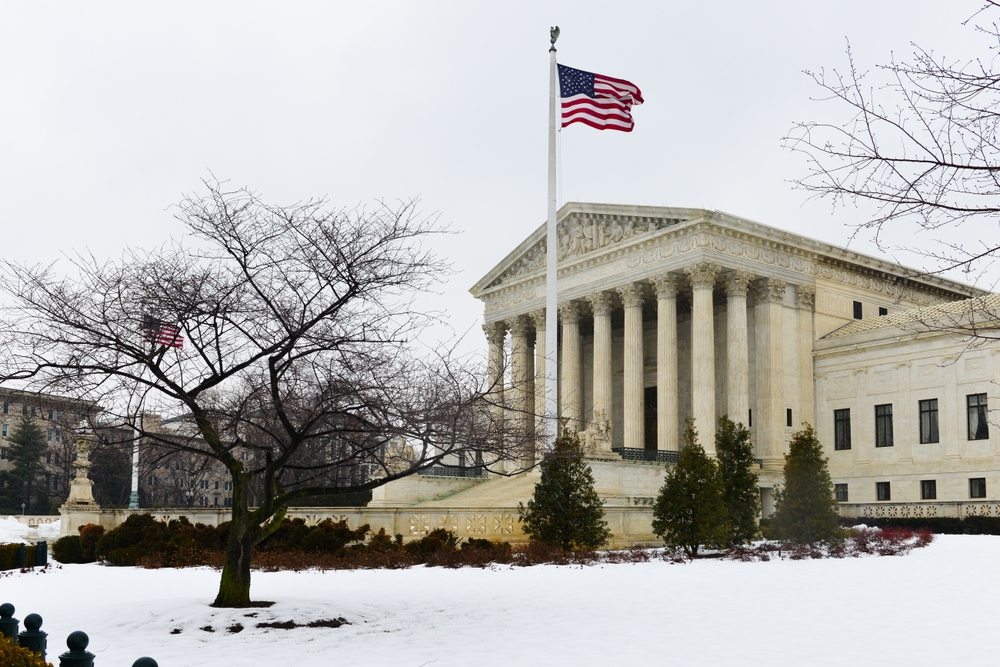
In the space of a single morning, the nation’s highest court rewrote the rules for more than a million people. Some who hold legal status in the United States found the path toward deportation suddenly clearer, while others hoping to seek refuge at the southern border found the door pulled closer to shut. The decisions arrived in quick succession, both bearing the same author, and both drawing furious objections from the bench that would erupt into a rare and public clash among the justices themselves.
Contents
show
For an administration that returned to power promising the most aggressive immigration crackdown in modern memory, the rulings represented a substantial advance, removing legal obstacles that lower courts had placed in its way. Yet behind the dry language of the opinions lie hundreds of thousands of real lives now hanging in uncertainty, an economy bracing for disruption, and a court growing visibly more divided with each passing week. What the justices actually decided, and what it sets in motion, reaches far beyond the courtroom where it unfolded.
The Two Rulings At A Glance
On Thursday, in two decisions split 6-3 along ideological lines, the Supreme Court sided with the Trump administration on questions central to its effort to reduce asylum claims. In the first case, the court held that migrants who are turned away at the border before entering the United States are not entitled to apply for asylum. In the second, it ruled that Haitian and Syrian nationals living in the country under Temporary Protected Status cannot obtain judicial relief postponing the revocation of that status while they challenge the administration’s efforts to end it.
Conservative Justice Samuel Alito wrote both opinions, over scathing dissents from the court’s three liberal members. Taken together, the rulings mark a meaningful shift in the legal fight over who can seek protection in the United States, handing the administration a new tool to limit asylum claims at the border and greater latitude to wind down temporary protections for migrants already here. They also clear away key legal hurdles to the broader push to slow border crossings and speed up removals.
The Asylum Ruling And The Metering Policy
The first decision blessed a contentious border practice known as “metering,” which allows federal agents stationed at the border to turn back asylum seekers before they ever set foot on American soil. By physically blocking migrants from entering, the policy frustrates their ability to be formally inspected by officials, the crucial first step in the long and winding process that can eventually lead to asylum.
At the heart of Alito’s reasoning was a question of plain language. Current law provides that anyone who “arrives in the United States” has the right to apply for asylum, and the dispute turned on whether a migrant stopped at the border had legally arrived at all. Alito concluded they had not.
“In ordinary speech, no one would say that a person ‘arrives in’ a place — for example, a house, a city, or a country — before the person enters that place,” he wrote, rejecting the Ninth Circuit’s contrary view.
The policy carries a complicated history. Trump championed metering during his first term, only for it to be rescinded under President Joe Biden, and officials in the current administration have not committed to reviving it. During oral arguments, a government lawyer told the justices the administration simply wanted the option to reinstate it if border conditions warranted, a reflection that other immigration initiatives blocked in court might eventually send it back to this one.
The TPS Ruling And The End Of Court Review

The second decision struck at Temporary Protected Status, a humanitarian designation that lets people from countries devastated by war or catastrophe live and work legally in the United States while their home countries remain unsafe. The court essentially ruled that the judiciary has no business reviewing decisions to terminate the designation in the first place.
A group of Haitian and Syrian nationals had argued that while the law bars courts from reviewing an administration’s “determination” to apply TPS, it did not prevent judges from examining the process used to end it. Alito rejected that distinction, finding the statute’s text clear and sweeping in barring judicial review of termination decisions, and holding that recipients are blocked from relief unless their claims rest on a constitutional basis. The immediate human scale is considerable: roughly 350,000 Haitians and about 6,000 Syrians are directly affected. The administration, which has sought to end TPS for 13 of the 17 countries currently designated, is all but certain to argue that the ruling shields its other termination decisions from court challenges as well.
The Clash Over Trump’s Words About Haitians
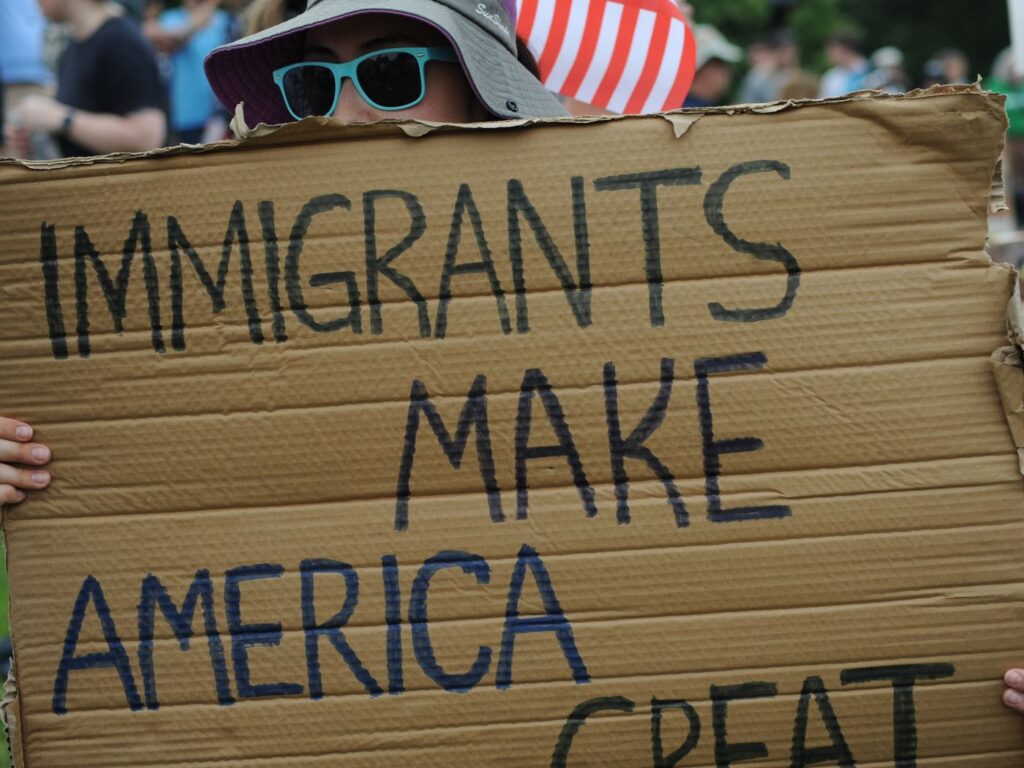
One of the most charged threads in the TPS case concerned the president’s own words. The Haitian beneficiaries had argued that Trump acted with racial animus in ending their protections, pointing to remarks he made during the 2024 campaign, including the false claim that Haitian immigrants in Ohio were eating people’s pets. Had they shown that such statements drove the decision, they could have pressed a claim under the Constitution’s equal protection guarantee.
Alito and the conservative majority dismissed that argument, with the justice writing that a person without racial bias could still offer a harshly unfavorable description of conditions in a very poor country like Haiti. Notably, Alito declined to quote Trump’s actual statements, an omission that Justice Elena Kagan seized upon in dissent. She described the comments as so repellent and racially inflected that the majority had declined to put them in print, then reproduced them herself, arguing that the remarks “fairly shout, in their racial undertones and overtones alike, that race entered into the president’s resolve to remove Haitians from this country.” The claim of racial motivation remained a contested legal argument, one that the majority firmly rejected and the dissent embraced.
Dueling Dissents From The Liberal Justices
Across both cases, the court’s three liberal justices objected forcefully. In the asylum case, Justice Sonia Sotomayor warned in stark terms that the ruling would cost lives, arguing that the metering policy only pushes desperate people toward unlawful and dangerous crossings rather than orderly ones. She reached back to a dark chapter of American history, the 1939 turning away of the MS St. Louis, a ship carrying nearly a thousand Jewish refugees fleeing Europe, many of whom later perished in the Holocaust, and argued that the majority’s logic would permit officials to refuse even to consider such refugees today.
In the TPS dispute, the dissenters contended that the Haitian plaintiffs may have a viable constitutional argument and that the Department of Homeland Security had failed to follow the procedural steps the law required before revoking protections. These were, in each instance, the positions of the dissenting minority, set against a majority that saw the law very differently.
An Extraordinary Moment On The Bench
What made the day truly remarkable was not only the substance of the rulings but the breakdown of decorum that accompanied them. Sotomayor took the rare step of reading her dissent aloud from the bench, a gesture reserved for the handful of occasions each term when a justice wishes to underscore deep disagreement with the majority.
Then came something stranger still. Alito publicly fired back at his colleague, suggesting he had been blindsided by her move, in a tense exchange that broke sharply with the usually scripted ritual of opinion releases and left court observers stunned. He defended the asylum policy as “orderly and humane” and pointed out that two administrations had pursued metering, before moving on to his next opinion. For a court that prizes its outward composure, the open friction offered a vivid measure of just how charged these cases had become.
The Administration Celebrates
For the administration and its supporters, the rulings were cause for celebration. Department of Homeland Security General Counsel James Percival framed the decisions as affirmations of proper legal order, calling them victories for “the rule of law and common sense” and stressing that the program at issue was never meant to be permanent. The “T in TPS stands for TEMPORARY,” he noted, contending that many of the designations had hardened into what amounted to de facto amnesty.
Percival added that the decisions equipped the government with several more important tools to secure the nation’s borders. In the administration’s telling, the court had simply restored the proper boundaries of a humanitarian program that had drifted far beyond its original purpose, and had reaffirmed the executive branch’s authority over who may enter and remain in the country.
Critics Warn Of A Deportation Machine
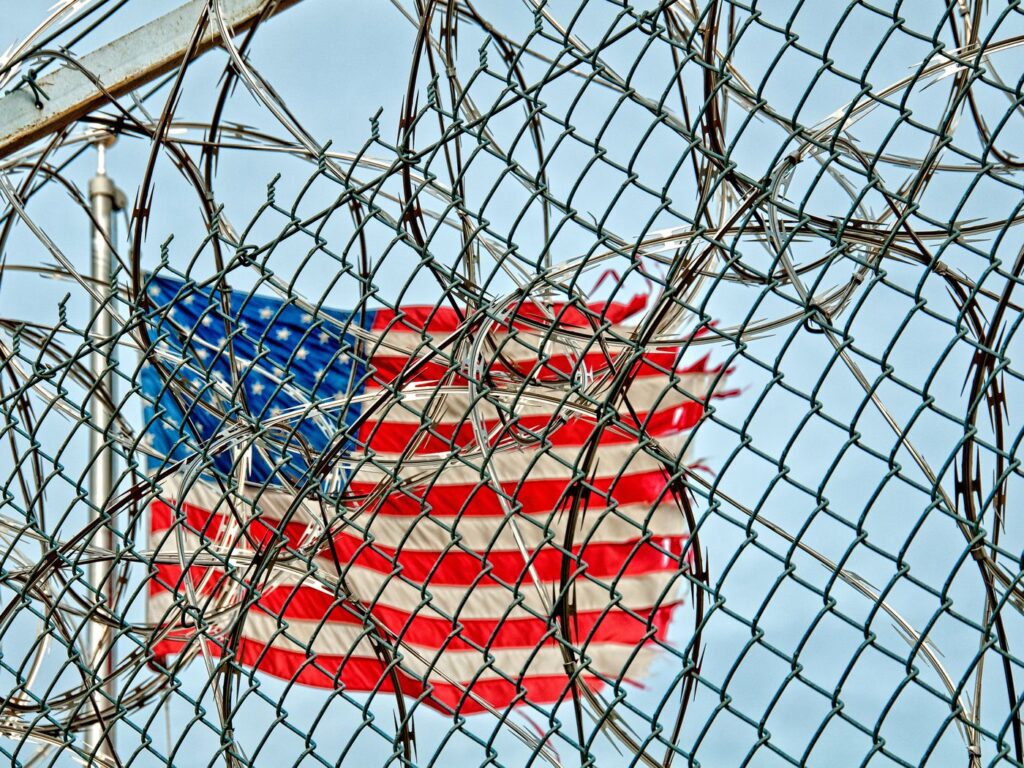
Immigrant-rights advocates and legal scholars saw the rulings in starkly different terms, warning that the court had stripped away vital protections and abandoned its role as a check on executive power. Elora Mukherjee, director of the Immigrants’ Rights Clinic at Columbia Law School, charged that the administration had turned the immigration system into a deportation machine and that the Supreme Court had largely served as a rubber stamp for that agenda.
Ahilan Arulanantham, a UCLA immigration law expert who represented the Syrian plaintiffs, argued that the court had consistently ruled against immigrant communities in recent years and that this case fit the pattern, handing the administration a victory it had been unable to secure through Congress. The people most affected spoke too. TPS holders who served as lead plaintiffs emphasized that they were parents, workers, students, and caregivers who had built their lives in good faith, and advocates warned that returning them to Haiti, a country the State Department cautions against any travel to because of widespread violence and kidnapping, would send them into grave danger. Some groups described the broader trajectory as potentially the largest campaign to strip people of legal status in the nation’s history, with as many as 1.3 million people ultimately at risk.
The Economic Ripple Effects

Beyond the human toll, the TPS ruling carries economic consequences that reach into everyday American life. Many Haitian beneficiaries have lived in the United States for years, building careers, buying homes, and raising children. According to an analysis by the immigration-focused group FWD.us, they contribute an estimated $5.9 billion to the economy while paying $1.6 billion in taxes. Nearly 190,000 Haitian TPS holders were employed in early 2025, many working in healthcare, hospitality, and retail.
The disruption could be felt quickly. One hotel company CEO said he would likely have to lay off roughly 20% of his staff across dozens of Florida properties. Providers of care for the elderly issued some of the gravest warnings, noting that Haitian workers make up a sizable share of caregivers in some communities and that losing them overnight could force nursing homes to limit admissions, close units, or turn away requests for home care, with no replacement workforce waiting to step in.
Part Of A Broader Pattern At The Court
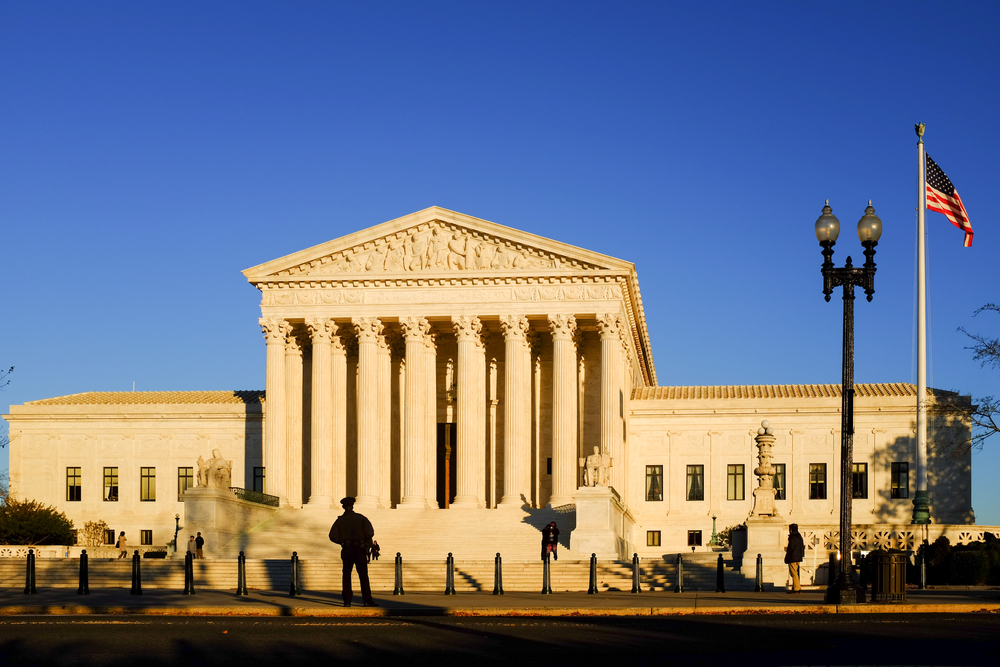
The two rulings did not arrive in isolation but fit a now-familiar trend. Since Trump returned to office in January 2025, the 6-3 conservative-majority court has largely accommodated his immigration agenda, frequently acting through its emergency “shadow docket,” where consequential decisions issue without full briefing or argument. The court has permitted the administration to deport migrants to countries where they have no ties, to conduct aggressive raids, and to end various humanitarian protections.
The picture is not entirely one-sided. The justices have occasionally pushed back, twice last year limiting the administration’s invocation of a 1798 wartime law to swiftly deport Venezuelan migrants, and insisting in some cases that the Constitution’s due process guarantees be honored. During Trump’s first term, a differently composed court even blocked his attempt to end protections for so-called Dreamers. Still, the current term has been defined by division, with the justices handing down a striking number of 6-3 splits along ideological lines.
The Bigger Test Still Ahead
Looming over all of it is a case the court has yet to decide, one that may prove the most consequential of all. Trump’s executive order seeking to deny birthright citizenship to babies born on U.S. soil when neither parent is a citizen or legal permanent resident remains unresolved, and based on the justices’ questions during April arguments, the court may actually rule against him. The order collides with the 14th Amendment’s Citizenship Clause, long understood to grant citizenship to virtually anyone born in the country, with only narrow exceptions, and a lower court has already found it unconstitutional.
For now, the two victories reshape the immigration system in ways that stretch from the southern border to nursing homes across the country, handing the administration significant new power over entry and removal. More divided rulings are expected in the days ahead, and the birthright citizenship question still hangs in the balance. The deeper tension the cases lay bare, between an administration determined to restrict immigration and a judiciary weighing how far that drive can go, is far from settled, and the coming decisions may reveal just how much further the court is willing to go.
6-3 decision, Asylum, birthright citizenship, border policy, deportation, DHS, Elena Kagan, federal immigration law, Haitian immigrants, immigrant rights, immigration ruling, metering policy, Samuel Alito, SCOTUS, Sonia Sotomayor, Supreme Court, Syrian immigrants, Temporary Protected Status, TPS, Trump immigration