
Your cart is currently empty!
Surgeon Turns Children’s Bandages Into Colorful Works Of Art
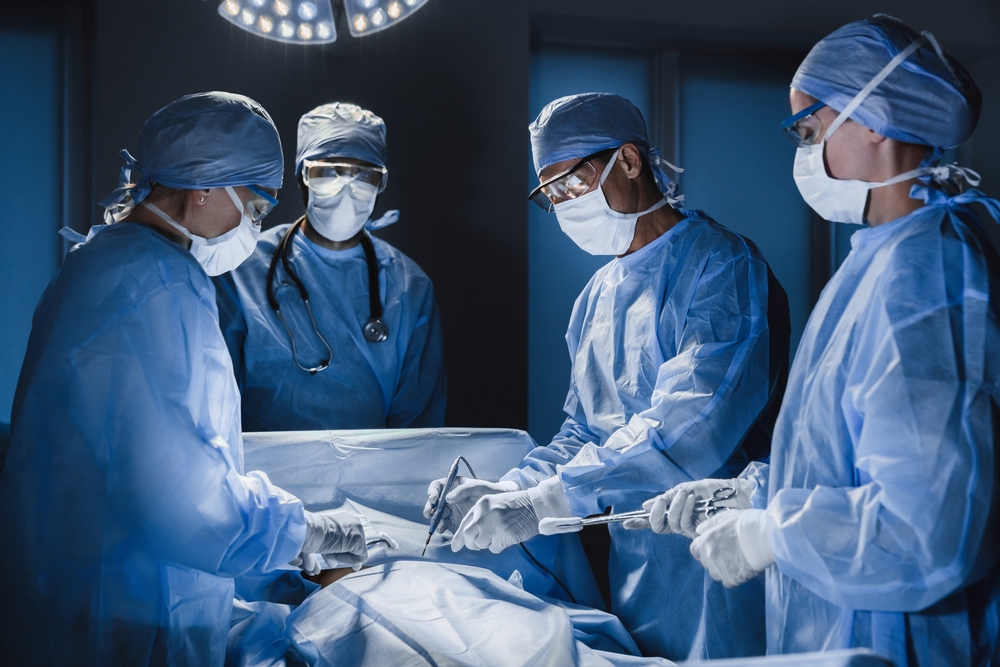
For children waking up after surgery, the first thing they see can be a maze of tubes, stitches and hospital equipment. But thousands of young patients at Akron Children’s Hospital in Ohio have woken up to something a little more unexpected: a colorful drawing covering their surgical bandage.
Contents
show
The artist is Dr. Robert Parry, a pediatric surgeon who has spent decades turning the few minutes after an operation into a chance to give his young patients something to smile about. His drawings have included superheroes, sports logos, butterflies, snowmen and even a cheeseburger.
A Major Surgery Got An Unexpected Upgrade
Jackson Kunze was just three years old when he underwent a major operation to remove tumors from his vena cava, gallbladder and liver. His mother, Heather Vincent, remembered how overwhelming it was to see her son in intensive care surrounded by tubes and medical equipment.
“It was such a major surgery and to see him in the ICU with tubes coming out of him and a drain up his nose was overwhelming,” Vincent recalled.
Then a nurse lifted Jackson’s gown and showed her something covering his stitches: a drawing of Buzz Lightyear.
Parry had created the picture himself while Jackson was waking from anesthesia. The drawing did not change what the child had been through, but it gave his mother an unexpected moment of relief in an otherwise frightening hospital room.
The Five-Minute Ritual Has Reached Thousands

Parry has worked as a pediatric surgeon for decades, including at Akron Children’s Hospital, where he joined the staff in 2011. By 2020, he estimated that he had operated on more than 10,000 children during his career, with drawings made for patients who needed surgical dressings.
“I’ve operated on more than 10,000 children, and all of them that needed a dressing got a drawing,” Parry said. Most of the artwork takes around five minutes, created while the anesthesiologist brings the child back around after surgery.
Parry has explained that the drawings are his way of making the relationship feel more personal. “I like to feel like I’m giving them something that I’ve spent some time on, to tell them, ‘You’re not just someone I’ve operated on. You’re actually a human being. Here’s a little piece of me with it.’”
From Batman To A Cheeseburger
The designs depend heavily on the child, with Disney characters and sports team logos among the most common requests. Parry sometimes works the surgical incision into the artwork itself, turning a line of stitches into part of an image such as a giraffe’s neck.
One young patient had a particularly specific request involving something she could not actually have after surgery. “There was a girl once who really wanted a cheeseburger, but couldn’t eat after surgery, so she woke up and found a cheeseburger drawn on her bandage,” Parry told the Philadelphia Inquirer.
His drawings have also been customized around children’s names and interests. For 11-month-old Rose, who was recovering from a liver transplant, he created a rose garden with a bee, while other patients have received animals, characters and scenes designed specifically for them.
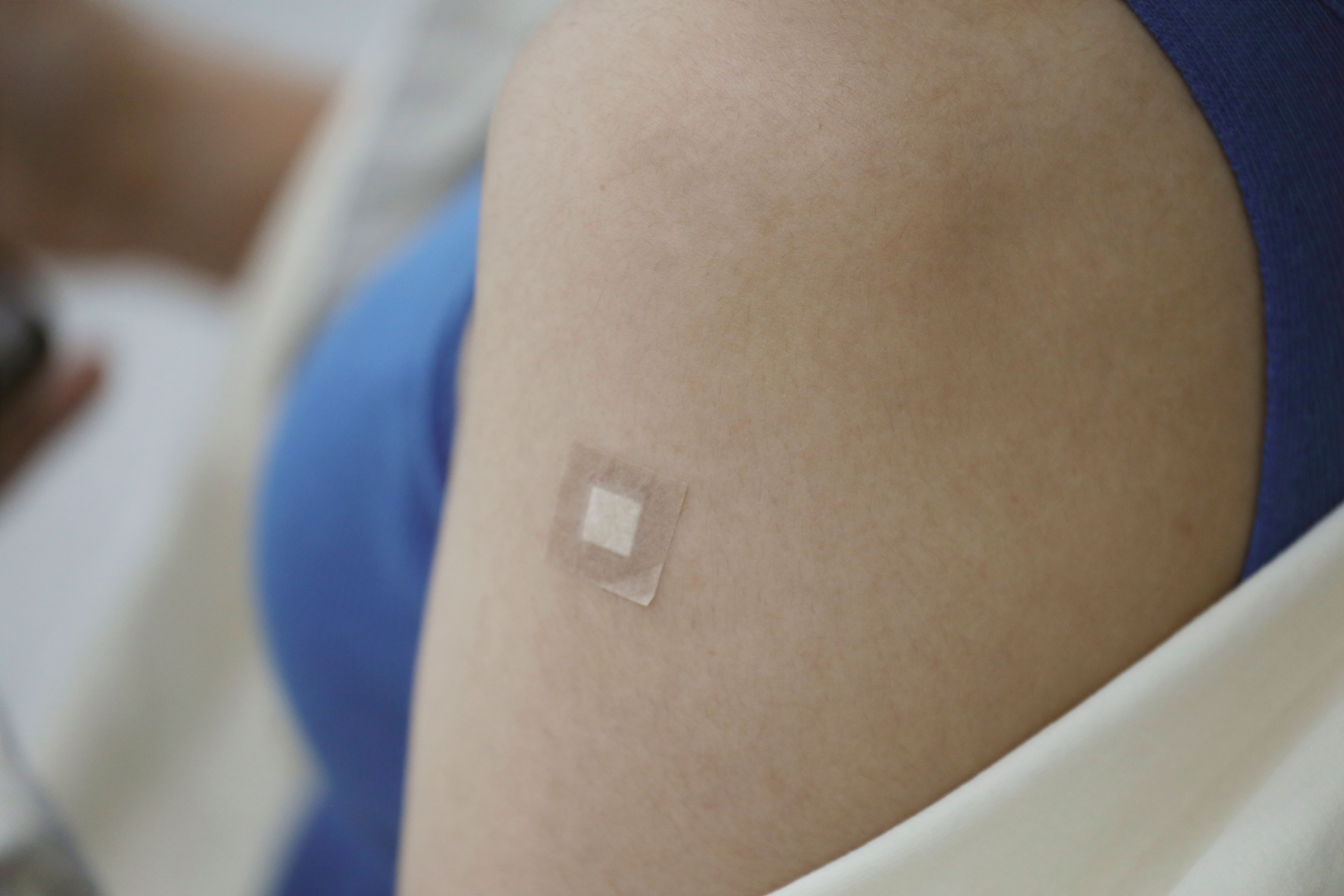
One Butterfly Became A Favorite Memory
Seven-year-old Kennedy was preparing for hernia surgery when Parry promised to draw her a butterfly. When she woke up, the promised artwork was waiting on her bandage.
Her mother, Christina Potts Whipkey, said Kennedy focused on the drawing rather than the scar underneath it. “Kennedy was so proud of the pretty bandage and not concerned about any scars,” she said.
The artwork does not remove the reality of surgery, but it can give children something familiar and cheerful to focus on when they wake up. For a young patient, a favorite character or animal can make a medical dressing feel far less intimidating.
The Idea Came From Another Surgeon
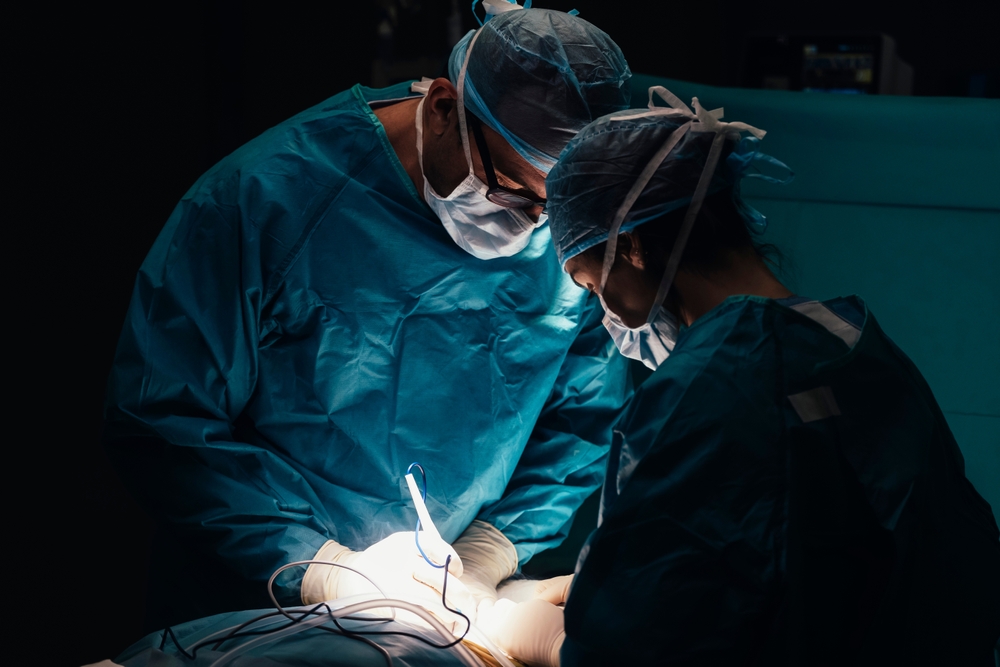
Parry did not originate the basic idea of decorating surgical dressings. During his training at the naval hospital in Bethesda, Maryland, in the mid-1980s, he watched another pediatric surgeon, Dr. Perry Stafford, cut shapes into surgical dressings.
Stafford made hearts and sharks, and Parry immediately noticed the unusual approach. “My first reaction when I initially saw him cut out these hearts and sharks was, ‘What is he doing? Hey, that’s kind of neat,’” Parry recalled.
The idea stayed with him and eventually became a tradition that followed him through his surgical career. His own version expanded into detailed drawings made directly on the dressings.
The Art Happens While He Waits
There is another reason Parry’s drawings have become such a lasting tradition: they fit naturally into the time after an operation. He has said he does not want to leave the room before he knows the child is okay, giving him a few minutes when the drawing can take shape.
“I have a little bit of downtime, but I don’t want to leave the room until I know the kid is OK, so it just fills that time in perfectly,” Parry explained. The artwork therefore becomes part of his waiting time rather than an elaborate extra task added to an already demanding procedure.
Parry has described his approach to pediatric surgery in similarly personal terms. “You have to reload every time and just be a human, be a friend,” he said.

Sometimes The Drawing Is Just A Red Heart
Not every child Parry treats can be helped in the way a surgeon hopes. When there is something he cannot fix, he has said the artwork becomes much simpler, sometimes taking the form of a plain red heart.
“When there’s something that you can’t fix, that’s super sad,” Parry said. That moment shows another side of a tradition that is otherwise filled with superheroes, cartoons and colorful characters.
Parry has never presented the drawings as medical treatment. Instead, he describes them as something he enjoys creating and something that brings a little happiness into the room.
“It’s fun for everyone, and it’s selfishly fun for me. I love doing it. I love the reactions of the kids and parents and the staff,” he said.
His Creativity Extends Beyond The Operating Room
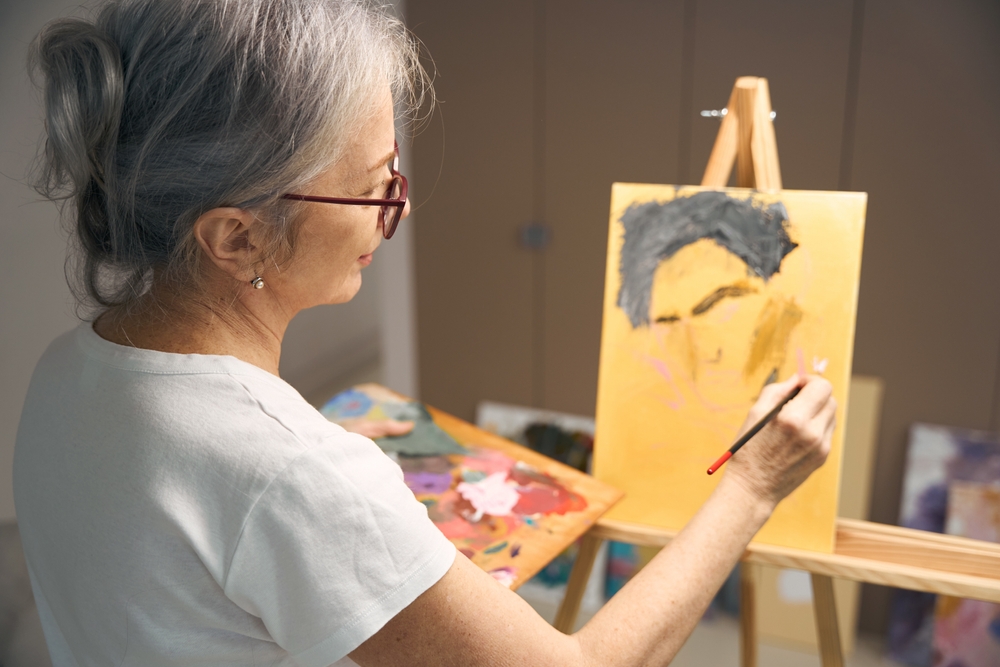
Parry’s creative interests do not end when he leaves the hospital. He has also taken up knitting, partly to keep his hands dexterous, and has made hats, sweaters, scarves and fingerless gloves.
The finished pieces are generally given away, rather than kept for himself. “But mostly, I enjoy giving everything away,” Parry said.
That same instinct is visible in his approach to the bandage drawings. The artwork belongs to the child, and its value comes from the moment it creates rather than from how long it takes to make.
A Small Drawing Can Change The Moment
For children recovering from surgery, a decorated bandage can become more than a piece of medical equipment. It can be a butterfly promised before anesthesia, a favorite superhero waiting after a difficult operation or even a cheeseburger that exists safely on paper while the real thing has to wait.
Parry’s tradition began with an idea he saw another surgeon use in the 1980s, but he turned it into something distinctly personal. After thousands of operations, those few minutes with a marker have become a quiet part of how he cares for his patients.
The surgery still happened, and the scars still exist. But sometimes, when a child wakes up, the first thing they notice is a drawing made just for them.