
Your cart is currently empty!
Giant Pacific Virus Discovered With a Tail Longer Than Many Bacteria
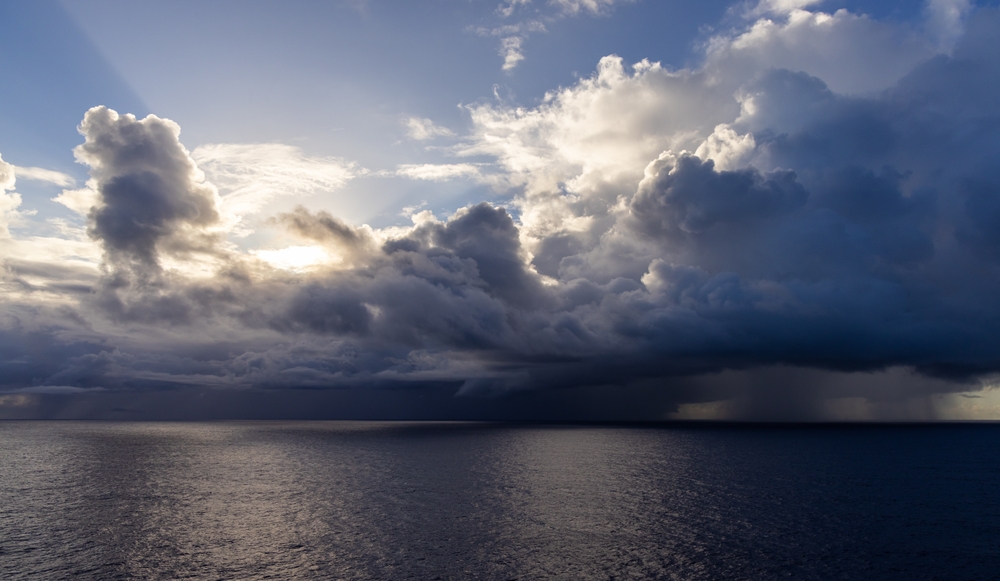
What does it take for something too small to see to find the one cell in the ocean that can keep it alive? For a virus drifting through the open Pacific, the odds are brutally difficult. The water can appear almost empty across enormous distances, leaving a microscopic particle to drift until it either encounters…
Living Microbes Found Inside a 5,300-Year-Old Mummy
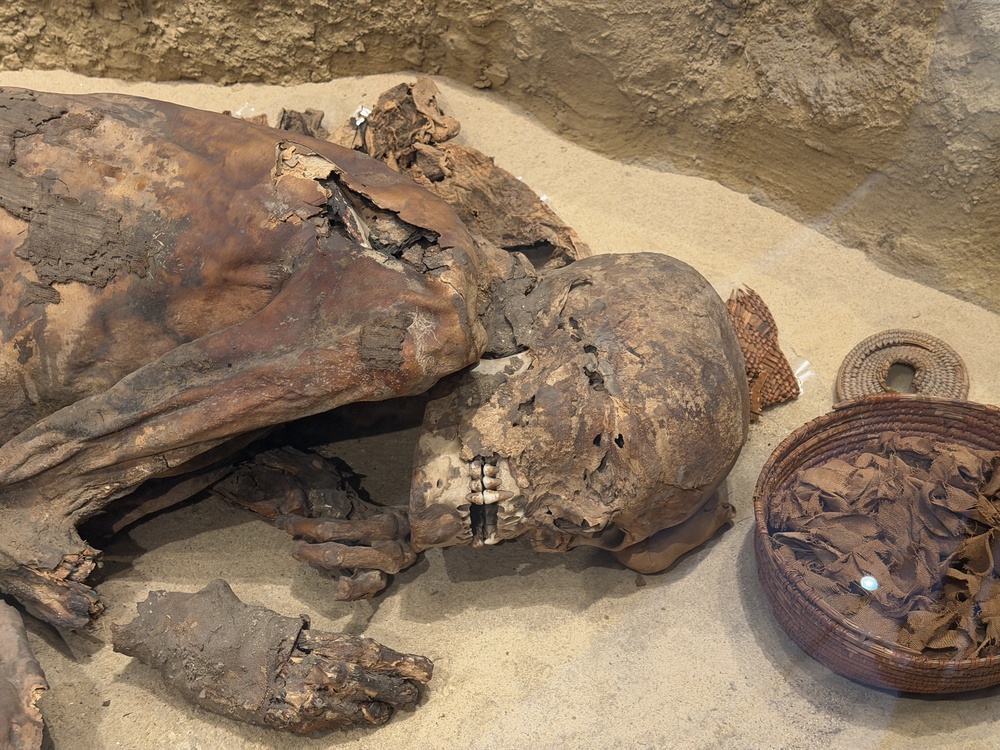
The 5,300-year-old mummy known as Ötzi the Iceman has already taught researchers plenty about early human life, but his frozen body was hiding a completely unexpected secret. Scientists have recently discovered living microscopic organisms surviving inside him. Laboratory tests reveal that ancient bacteria and cold-adapted yeasts are not just dormant; they are actively growing and…
How Viruses Are Teaching Scientists to Kill Drug-Resistant Superbugs

Something is going wrong with one of modern medicine’s greatest achievements. Antibiotics, the drugs that turned once-fatal infections into minor inconveniences, are losing their power. And they’re losing it fast. In the United States alone, antibiotic-resistant bacteria now kill someone every 15 minutes. Across the globe, antimicrobial resistance claims an estimated 700,000 lives each year.…
A Mysterious Black Substance Found on a Ship Reveals a Groundbreaking New Form of Life

During a shipyard visit in Cleveland, the crew of the 87-foot research vessel Blue Heron encountered a mystery that had nothing to do with faulty engines or broken propellers. A viscous, jet-black substance was found leaking from the ship’s rudder shaft, prompting an immediate investigation into what appeared to be a major pollution leak. However,…
Hidden Fungus Linked to LSD Like Compounds Finally Identified and Sequenced
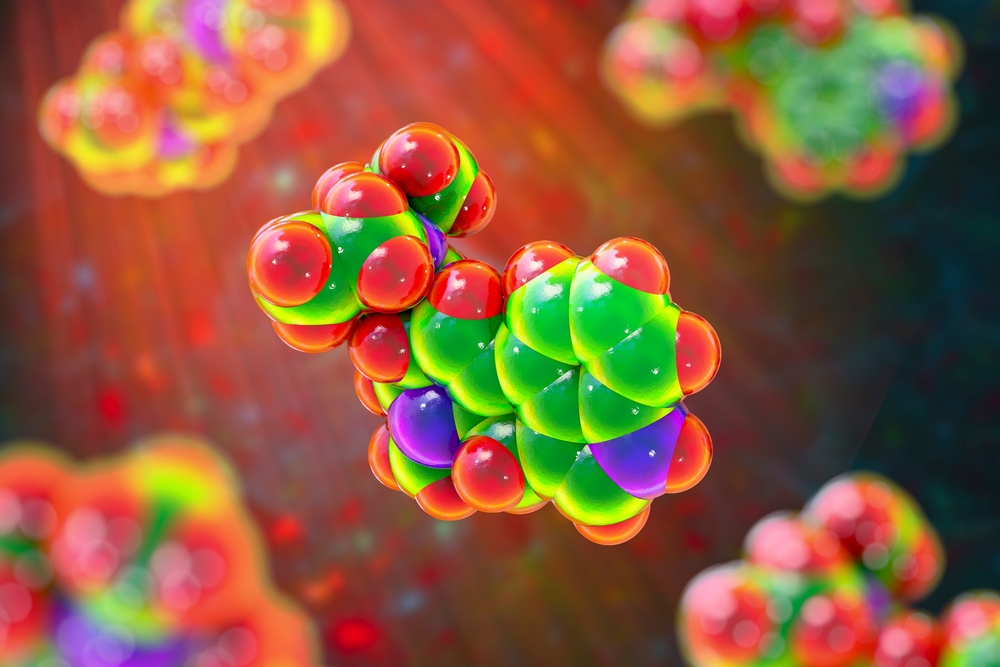
For decades, scientists quietly suspected that something unusual was hiding inside one of the most common flowering plants in the world. Morning glories, often seen climbing fences or growing wild along roadsides, had long been associated with naturally occurring compounds similar to those found in LSD. These similarities were not folklore or speculation, but observations…
The Tiny Bacterium That Turns Toxic Metal Into Pure 24-Karat Gold
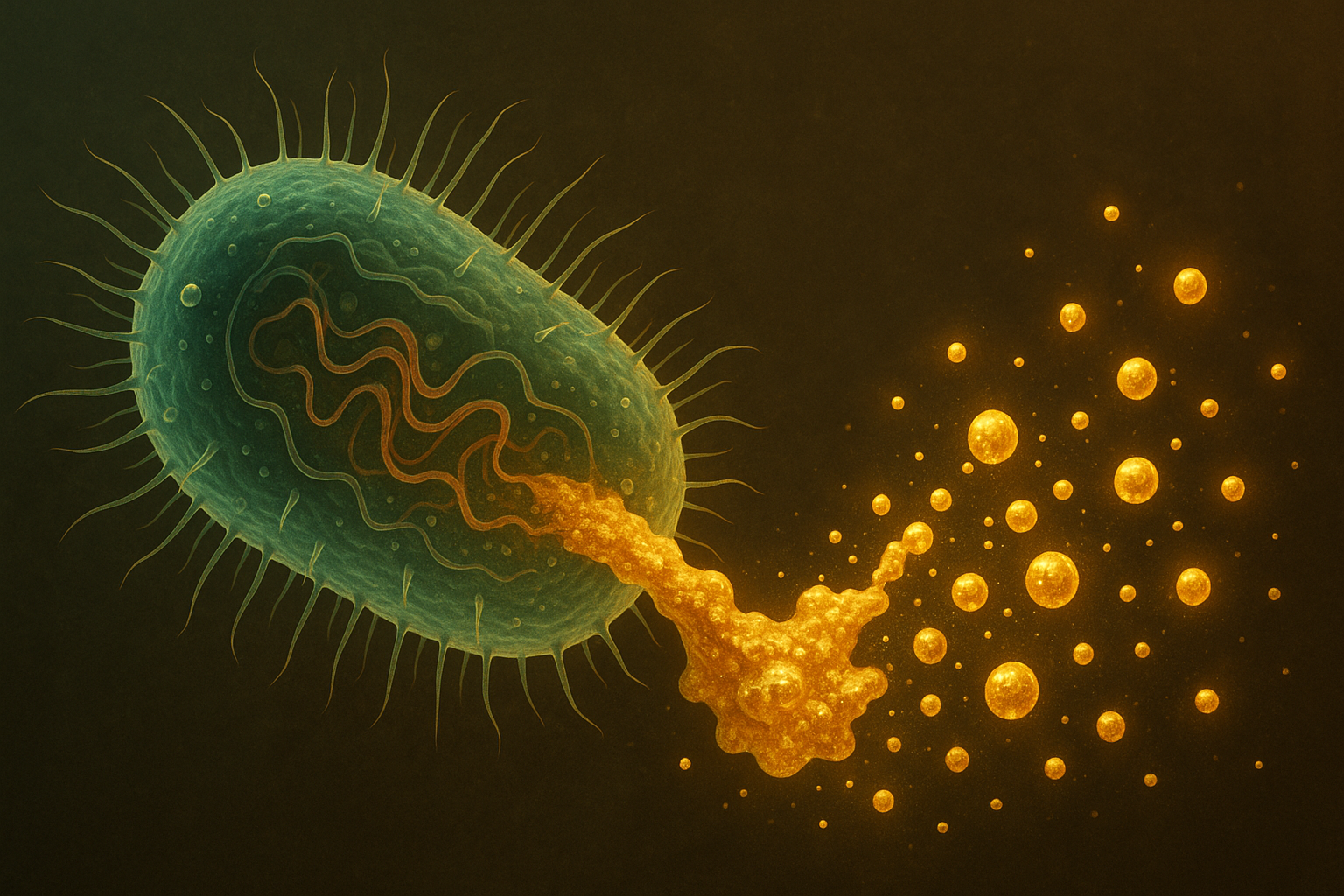
For most of us, gold is something we picture in jewelry stores or deep underground, not growing quietly in polluted soil. Yet scientists have discovered a tiny bacterium, Cupriavidus metallidurans, that can survive in places loaded with toxic metals and, in the process, turn some of that metal into pure 24 karat gold. It does…
The Science of Rare Steak Versus Rare Chicken

There’s a strange little paradox on the dinner table: one type of meat is glorified for being served pink in the middle, while another inspires fear if it isn’t cooked to absolute doneness. A ruby-rare steak, dripping with savory juices, is celebrated as the pinnacle of indulgence. But a slightly pink chicken breast? That image…