
Your cart is currently empty!
Living Microbes Found Inside a 5,300-Year-Old Mummy
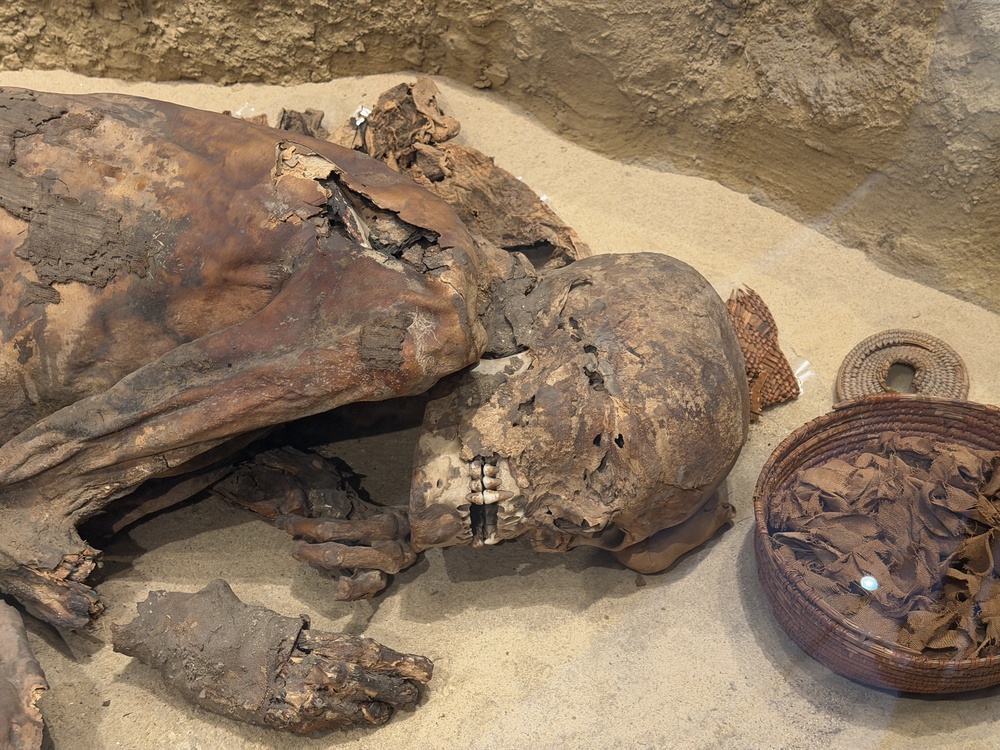
The 5,300-year-old mummy known as Ötzi the Iceman has already taught researchers plenty about early human life, but his frozen body was hiding a completely unexpected secret. Scientists have recently discovered living microscopic organisms surviving inside him. Laboratory tests reveal that ancient bacteria and cold-adapted yeasts are not just dormant; they are actively growing and adjusting to modern conditions.
Contents
show
Resurrecting the Iceman’s Microbiome
Over thirty years ago, hikers in the Alps found the frozen body of a man who lived 5,300 years ago. Known today as Ötzi the Iceman, his remarkably preserved remains have taught researchers a great deal about human history. Now, scientists have discovered something completely unexpected hidden inside his stomach: living bacteria.
While studying Ötzi’s digestive tract, researchers at the Institute for Mummy Studies in Italy found communities of microbes. Finding bacteria in a mummy is normal, but laboratory tests revealed that some of these ancient microscopic organisms are not just well-preserved fossils. They are actively showing signs of life.
When scientists placed these ancient strains of Helicobacter pylori, a common type of stomach bacteria, into specialized laboratory dishes, the microbes began to grow and multiply. This means organisms that lived inside a human being over five millennia ago survived being completely frozen in a glacier and are now waking up in a modern scientific facility.
Ötzi’s Living Time Capsule
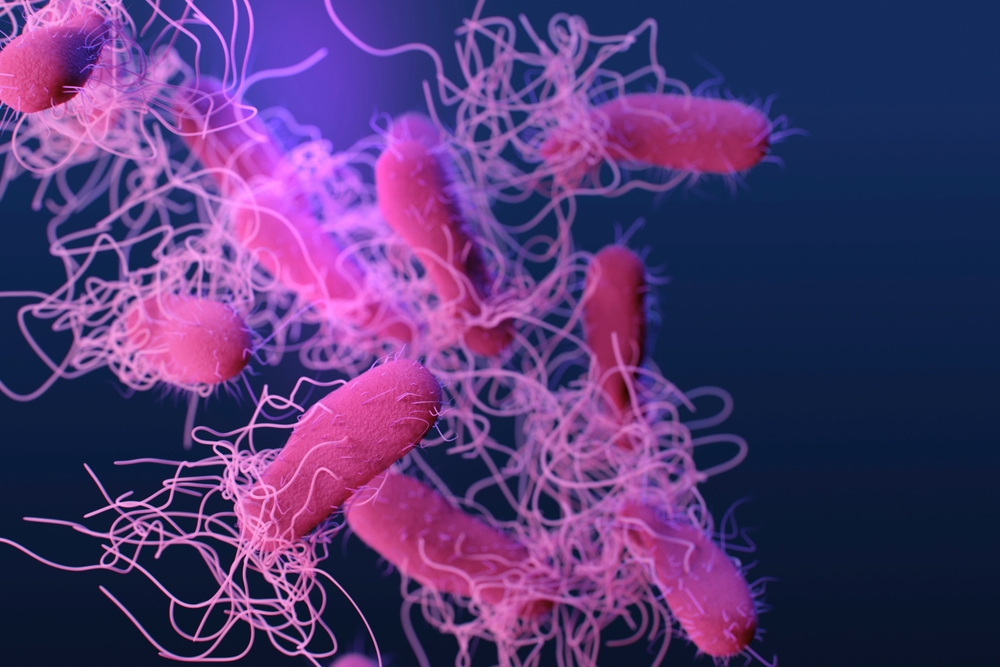
A comprehensive study published in the journal Microbiome revealed that his body hosts three distinct microscopic communities, completely shifting how experts view preserved historical remains.
First, researchers identified remnants of original gut bacteria linked to a pre-industrial diet. Second, they found cold-adapted yeasts that likely attached to his body from the surrounding alpine glacier. Finally, there are modern microbes picked up during his decades in museum storage. Among these groups, the cold-adapted yeasts are particularly remarkable. They possess a natural resistance to freezing temperatures, allowing them to remain dormant in the ice and slowly revive in modern, sub-zero storage conditions.
Understanding this biological diversity offers more than just a lesson in extreme survival. It provides a rare window into ancient human health. Frank Maixner, head of the Institute for Mummy Studies at Eurac Research, noted the broader importance of the discovery. “These microbes give us a unique and precious snapshot of what the human gut looked like in the Copper Age, before industrialization reshaped our microbiome,” Maixner explained.
Before Antibiotics and Processed Food
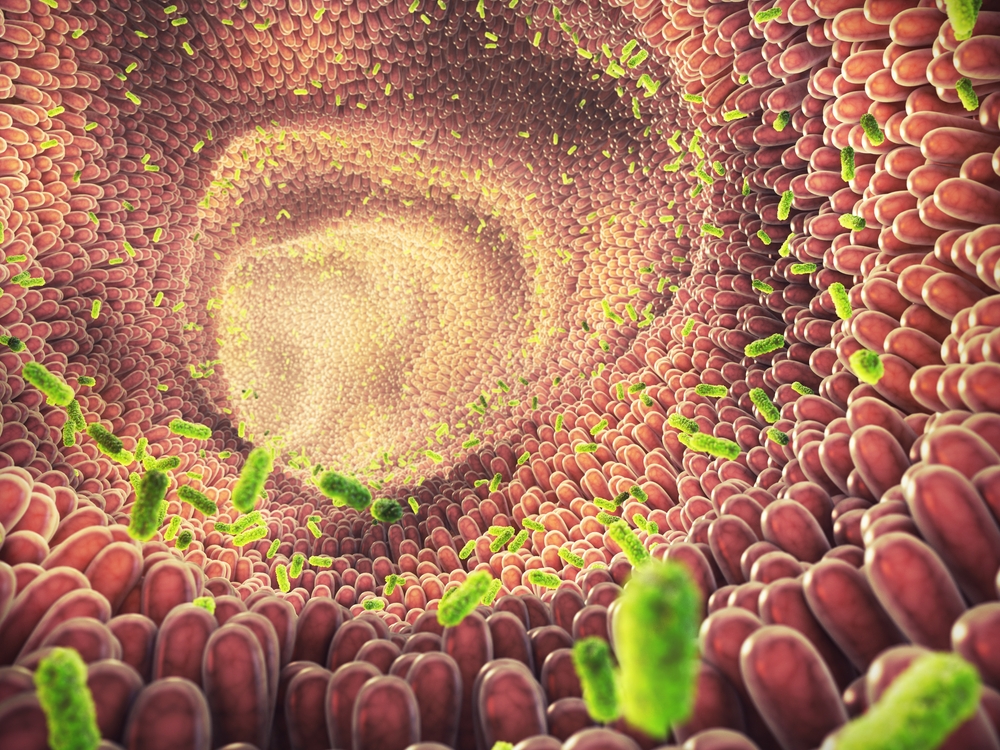
Researchers analyzing the Helicobacter pylori strains found in his stomach note that these ancient versions are missing genetic markers common in modern equivalents. This suggests that the bacteria, much like humans, have undergone significant adaptations. Furthermore, the overall diversity of the gut bacteria is noticeably richer than what is typically found in individuals eating modern, processed diets. According to Dr. Nicola Segata, a computational biologist involved in the study, “The microbiome we see in ancient remains often shows a level of diversity that we have lost in the modern world.”
This loss of diversity is a growing concern among health professionals. The robust bacterial community that helped ancient humans digest complex, fibrous, and raw foods has been diminished by changes in diet, widespread antibiotic use, and modern sanitation practices. Studying the specific strains that thrived in the Copper Age helps scientists understand exactly what has been lost. It provides a baseline for what a “natural” human microbiome looks like before the interventions of modern medicine and processed foods. The Iceman’s preserved digestive system serves as a crucial reference point, demonstrating that our internal environments have changed just as drastically as the world around us.
Proof of Life Against All Odds
When experts first placed Ötzi in his specially designed, sub-zero museum chamber, they aimed to halt any further decay. To protect the 5,300-year-old remains from fungal growth, conservators treated his skin with a chemical called phenol. However, nature has a surprising way of pushing back against human intervention.
Recent analyses reveal that the cold-adapted yeasts found on the mummy are not just surviving; they are actively evolving. Researchers comparing tissue and meltwater samples taken nearly a decade apart, in 2010 and 2019, noticed a dramatic shift. A specific strain of cold-loving yeast, known as Glaciozyma, had multiplied significantly during that nine-year window.
“The dramatic increase in relative abundance of Glaciozyma between 2010 and 2019 is itself evidence of replication,” noted Mohamed Sarhan, a microbiologist studying ancient DNA at Eurac Research. He further clarified the significance of this growth, pointing out that dead or dormant cells simply do not multiply.
Even more fascinating is how these organisms managed to thrive. Genetic sequencing shows that some of these ancient yeasts have adapted to metabolize phenol. Instead of being destroyed by the chemical preservation techniques, the microbes are actively feeding on them.
What We Lost — and How to Get It Back
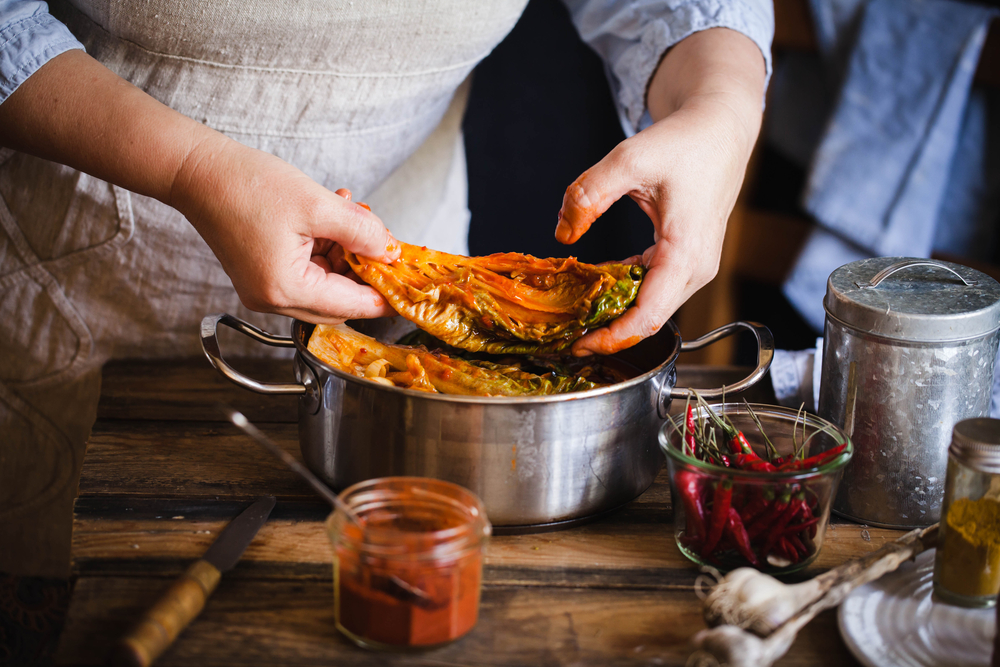
The difference between ancient and modern stomachs shows the heavy cost of highly processed food. Nobody expects people to return to a Copper Age lifestyle. However, anyone can take simple steps to rebuild a healthy gut. Researchers recommend eating more plant fibers and fermented foods to grow the good bacteria that once protected early humans. Swapping refined grains for a mix of whole vegetables gives these helpful microbes the exact fuel they need to grow.
The life surviving inside a 5,300-year-old mummy shows that biology is tough. It also serves as a clear reminder to care for the body from the inside out. True health means feeding the invisible organisms that handle digestion and fight off sickness. By making better choices at the grocery store, a person can start restoring the natural balance lost to modern diets. This ancient discovery is more than just history. It is a clear guide for building better health today.
Source:
- Sarhan, M. S., Samadelli, M., Zink, A., & Maixner, F. (2026). The Iceman’s microbiome: unveiling millennia of microbial diversity and continuity. Microbiome, 14(1). https://doi.org/10.1186/s40168-026-02417-6