
Your cart is currently empty!
The Surprising Way Autistic Children Interpret Optical Illusions
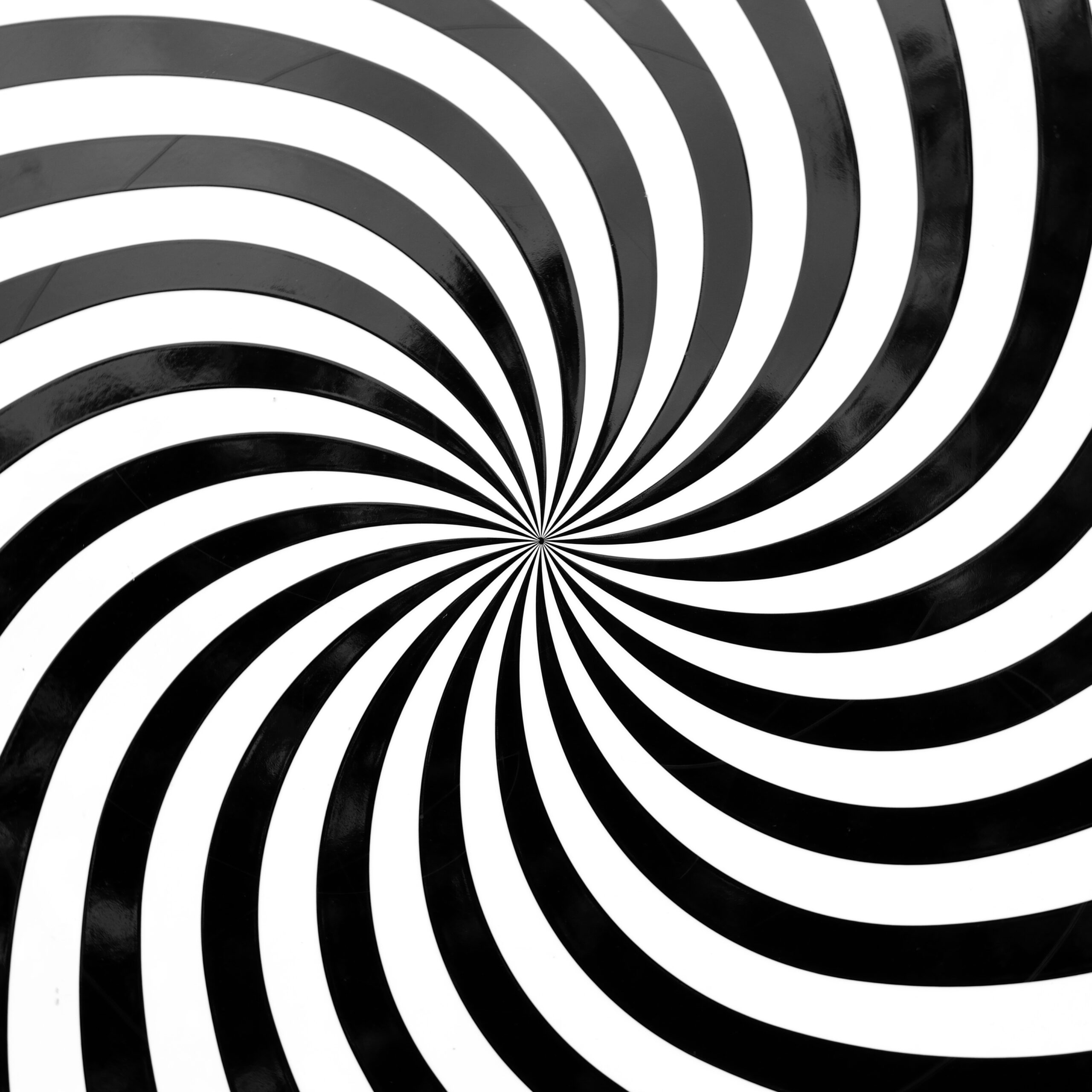
The human brain is often described as a prediction machine. Every moment, it receives streams of sensory information and rapidly constructs a coherent picture of reality. But what we perceive is not always a direct reflection of what is actually there. Instead, it is the brain’s best interpretation of incomplete data. Optical illusions reveal this…
How One French Teen Built A Memory Palace Inside Her Mind

Most people struggle to remember what they ate for dinner three nights ago. Birthdays blur together. School days dissolve into fragments. Faces, conversations, and places fade at the edges. Memory, for most of us, is imperfect and constantly shifting. But for a 17-year-old girl in France, every personal moment of her life is preserved with…
Viral Sketches Reveal What Woman Saw During Near-Death Experience

We tend to think of death as a simple “lights out” moment, a sudden end where everything goes dark and silence takes over. But recent events are challenging that terrifying assumption. From a viral set of drawings depicting a crowded stadium in the afterlife to hospital monitors capturing unexpected surges of energy in dying patients,…
The Science Behind Bipolar Disorder Is Becoming Clearer

For decades, bipolar disorder has remained one of the most misunderstood mental health conditions. People living with it have often been reduced to stereotypes about extreme mood swings, while scientists and doctors struggled to answer a deceptively simple question: what actually causes bipolar disorder? Now, a growing body of research is beginning to offer clearer…
7 Unusual Ways to Influence Your Body Without Pushing It

For years, advice about changing the body has focused on effort. Push harder, stay disciplined, override discomfort. Yet research in neuroscience and physiology points to a quieter reality. The body is constantly adapting to information it receives from posture, breathing, attention, and routine. These signals shape stress, hunger, effort, and recovery long before conscious control…
Your Body Obeys Your Voice: The Science of the Nocebo Effect

Have you ever jokingly said you were “worried sick,” only to find yourself physically unwell moments later? Science reveals that this common figure of speech is alarmingly literal. While we often champion the healing power of positive belief, a darker biological force is at work when our thoughts turn negative—one that suggests your body is…
The Human Body Has More Senses Than We Were Taught

For most of our lives, we are taught a simple story about how humans experience the world. We are told there are five senses. Sight. Hearing. Smell. Taste. Touch. The idea is so deeply ingrained that it rarely gets questioned, even in adulthood. It feels settled, almost unquestionable, like a basic law of nature. But…
The Real Reason Time Speeds Up With Age

When we are young, time feels expansive. Summers stretch endlessly, school years feel long, and waiting for birthdays or holidays can feel almost unbearable. As adults, many of us experience the opposite sensation. Weeks blur into months, years seem to collapse into one another, and we often find ourselves wondering how quickly time has slipped…
Your Brain Agrees With Buddhist Monks About Who You Really Are

Picture yourself at five years old. Maybe you recall a birthday party, a favorite toy, or the smell of your childhood home. Now consider who you were then versus who you are now. Most people assume something essential has remained constant through all those years, a core “you” that has persisted from infancy through adolescence…
Humans Can’t Hear It, but Rats Giggle With Ultrasonic Joy When Tickled
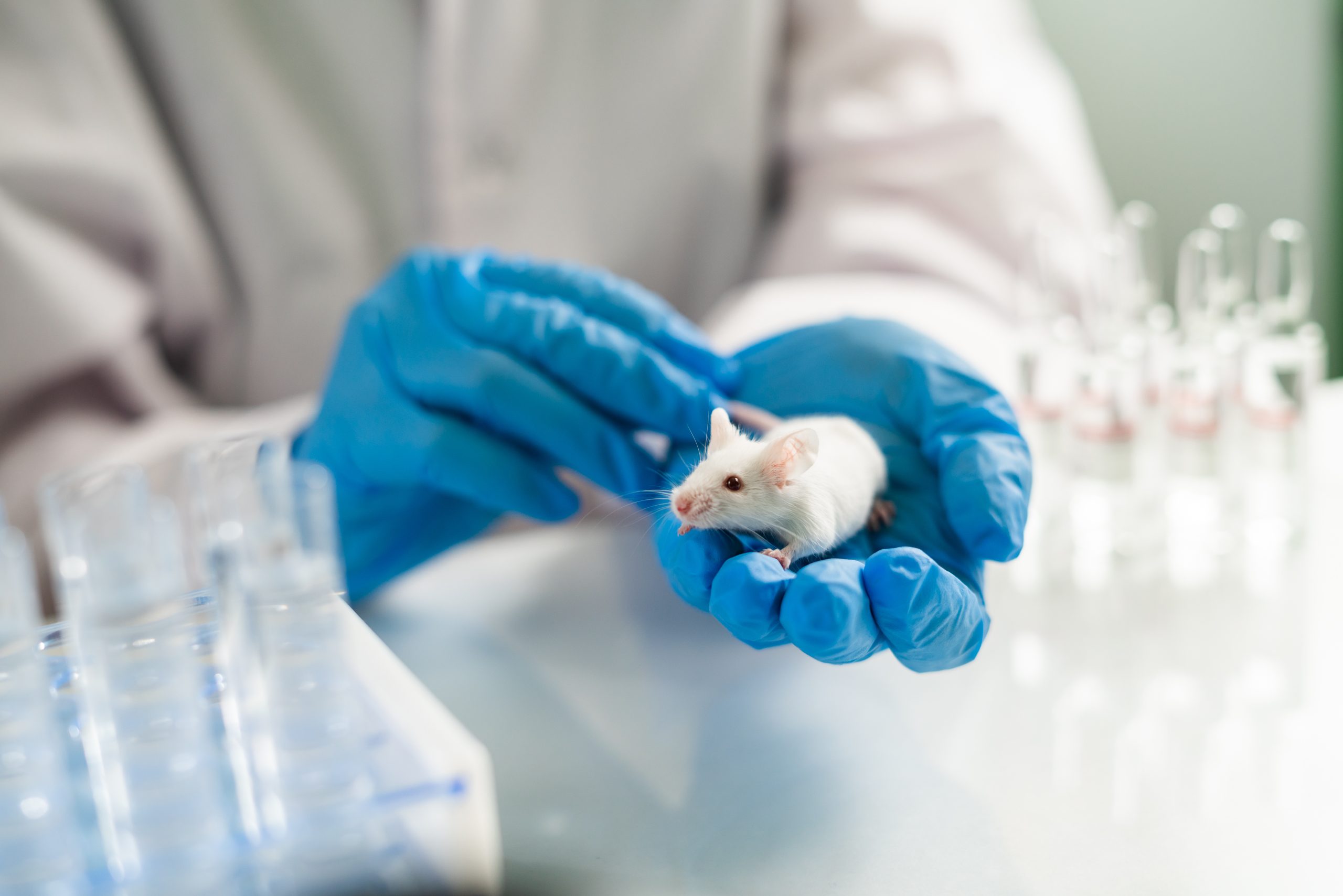
Most people instinctively recoil at the sight of a rat, picturing a scruffy survivalist scavenging for scraps. However, biology suggests that these clever rodents are far more affectionate and joyful than their grim reputation implies. New research has uncovered a fascinating side to rat behavior, one where complex brain circuitry lights up not for food…