
Your cart is currently empty!
The Surprising Aging Clue Researchers Found In Your Leg Muscles

Two identical sisters can share the same DNA, childhood and early environment, yet still age differently. Researchers found one surprisingly useful clue in the difference: how much explosive power their legs could produce. The finding emerged from a long-running study of female twins and raised an intriguing possibility. A simple measurement of leg strength may…
Around One In Five People May Have This Unusual Sensory Trait
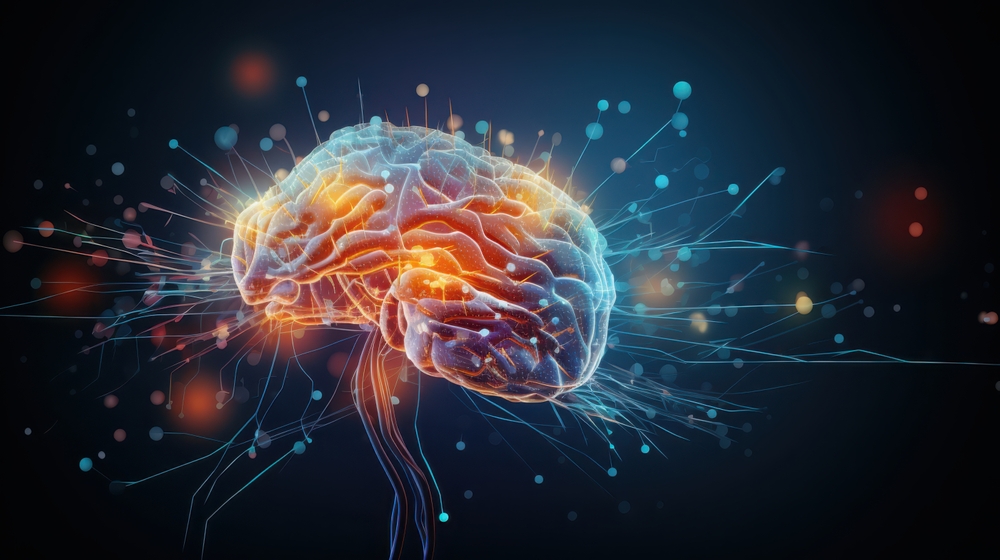
For some people, a crowded room can feel exhausting before anyone has even said a word. A change in someone’s expression, background noise, or the emotional tone of a conversation can seem unusually difficult to ignore. Researchers studying sensory processing sensitivity believe this may reflect a genuine difference in how some brains handle incoming information.…
Psilocybin Reversed Depression-Like Behaviors in Stressed Rats and Boosted Brain Growth Signals

For weeks, a group of laboratory rats was exposed to a relentless cycle of stress: tilted cages, flashing lights, and unpredictable disruptions to food and water. Eventually, the animals stopped doing something researchers use as a key sign of lost pleasure. They stopped drinking sweetened water. Then they received two low doses of psilocybin, spaced…
The Human Brain Turns Everyday Moments Into Meaningful Stories

You may think you remember life as it happened. Neuroscience suggests your brain has been editing along the way, cutting some moments and holding tightly to others. Every conversation, errand and ordinary afternoon arrives as one continuous stream. Yet your mind somehow turns that stream into scenes, chapters and connections that later become the story…
A Hidden Immune System May Be Sitting Inside Your Skull

For decades, the skull was treated as little more than armor, a hard shell protecting the brain from the outside world. Now, scientists studying mice have discovered specialized immune structures hidden inside the skull’s bone marrow that could force medicine to see that familiar bone very differently. The finding suggests the brain may have a…
Scientists Are Discovering Why A Simple Human Touch Can Have Such A Powerful Effect On Your Body

We tend to view a quick hug, a passing high-five, or a reassuring hand on the shoulder as simple social pleasantries. Yet when those casual moments of physical contact temporarily disappeared from daily life, researchers observed unexpected shifts in how people of all ages functioned. This widespread absence sparked a new wave of neurological research…
Scientists Found Something Strange About Lithium in Nearly 400 Human Brains
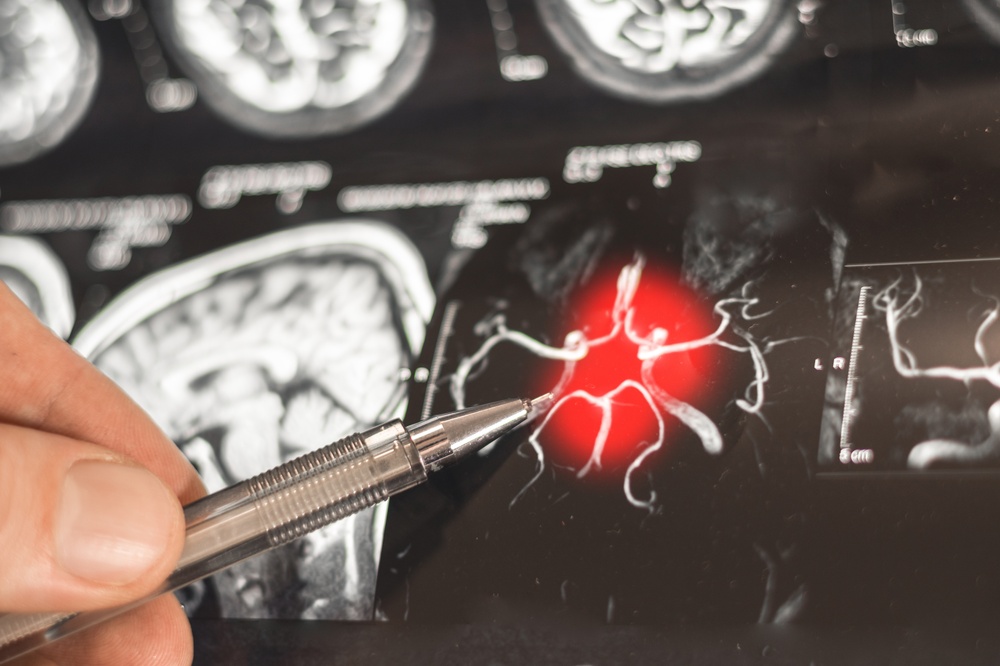
There is lithium in your brain right now. You cannot see it, feel it, or measure it on a kitchen scale, but Harvard researchers spent roughly a decade searching for tiny traces of it in nearly 400 donated human brains. When they compared people who died with their memory intact against those with mild cognitive…
Scientists Followed Nearly 4,000 People For 3 Years And Their Brains Kept Improving
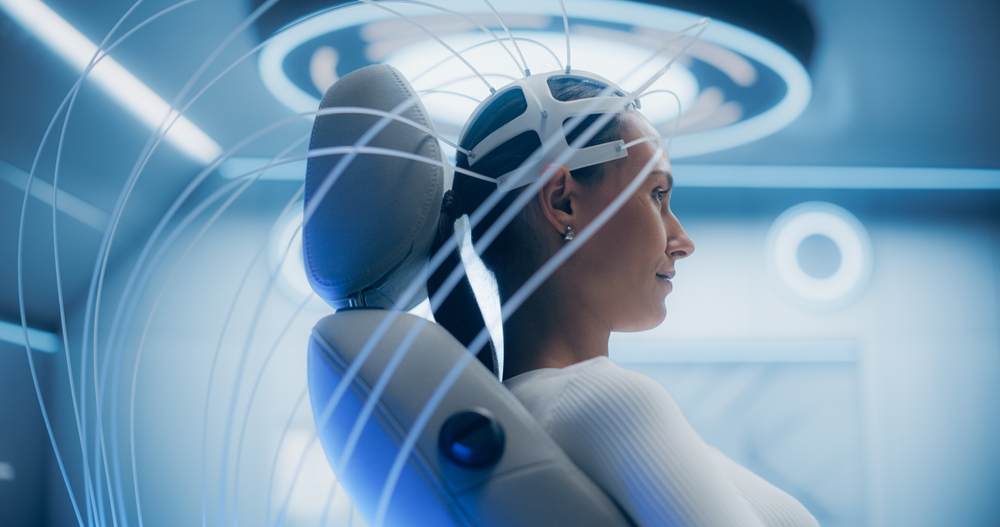
Imagine reaching your 80s or 90s and discovering your brain isn’t doomed to just slow down as the years go by. A massive new study is turning what we think we know about aging upside down, showing that people of all ages can actually keep sharpening their minds. Instead of inevitably losing their edge, thousands…
Study Finds Childhood Punishment May Fuel Aggression Later In Life

A discipline method used by families across the world may have consequences that last far beyond the moment a child is punished. Research summarized by the World Health Organization links corporal punishment with increased aggression, behavioural problems and a greater likelihood of using violence later in life. The scale is difficult to ignore. Around 1.2…
Your Brain May Actually Fall Into Sync With People Around You
For years, “being on the same wavelength” sounded like a nice way to describe two people who instantly connected. Now researchers have found a way to measure part of what that phrase may actually mean inside the brain. Scientists using portable EEG headsets have found that people’s brain activity can become more synchronized during shared…