
Your cart is currently empty!
Your Body Obeys Your Voice: The Science of the Nocebo Effect

Have you ever jokingly said you were “worried sick,” only to find yourself physically unwell moments later? Science reveals that this common figure of speech is alarmingly literal. While we often champion the healing power of positive belief, a darker biological force is at work when our thoughts turn negative—one that suggests your body is…
The Human Body Has More Senses Than We Were Taught

For most of our lives, we are taught a simple story about how humans experience the world. We are told there are five senses. Sight. Hearing. Smell. Taste. Touch. The idea is so deeply ingrained that it rarely gets questioned, even in adulthood. It feels settled, almost unquestionable, like a basic law of nature. But…
The Real Reason Time Speeds Up With Age

When we are young, time feels expansive. Summers stretch endlessly, school years feel long, and waiting for birthdays or holidays can feel almost unbearable. As adults, many of us experience the opposite sensation. Weeks blur into months, years seem to collapse into one another, and we often find ourselves wondering how quickly time has slipped…
Your Brain Agrees With Buddhist Monks About Who You Really Are

Picture yourself at five years old. Maybe you recall a birthday party, a favorite toy, or the smell of your childhood home. Now consider who you were then versus who you are now. Most people assume something essential has remained constant through all those years, a core “you” that has persisted from infancy through adolescence…
Humans Can’t Hear It, but Rats Giggle With Ultrasonic Joy When Tickled
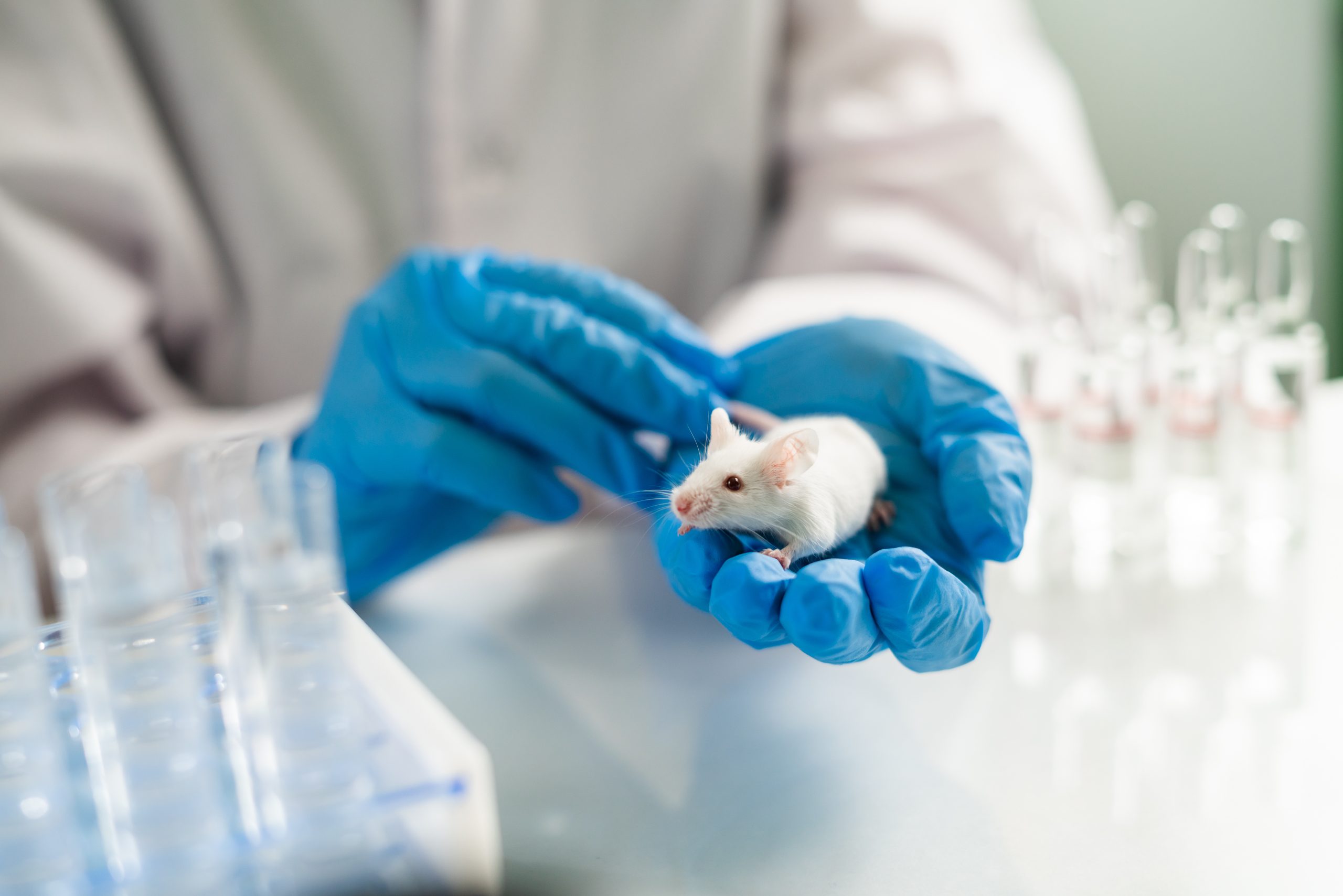
Most people instinctively recoil at the sight of a rat, picturing a scruffy survivalist scavenging for scraps. However, biology suggests that these clever rodents are far more affectionate and joyful than their grim reputation implies. New research has uncovered a fascinating side to rat behavior, one where complex brain circuitry lights up not for food…
Scientists Say a Surprising Body Odor May Hold Clues to Protecting the Brain

The internet has a long history of turning bodily functions into punchlines. But every so often, science wades into uncomfortable territory and forces people to look twice at what they once laughed off. That moment appears to have arrived again, thanks to a new wave of reporting around research that links the smell of human…
Study Shows Women’s Brains Work Harder, Requiring More Sleep

For many, the feeling of exhaustion upon waking is a familiar struggle, yet research suggests that the weight of a busy day may leave a deeper mark on some than others. While a standard night of rest is often recommended as a universal health requirement, the complexity of modern cognitive demands points toward a biological…
You Turn Down the Radio to “See” Better When You’re Lost: What That Habit Says About Attention, Stress, and How We Cope

You’re driving through an unfamiliar neighborhood. The GPS hesitates. Street signs pass faster than you expect. There’s a brief tightening in your chest as you realize you might be missing something important. Almost without thinking, you lower the radios. The music fades. The space inside the car feels calmer. Nothing about your eyesight has changed,…
Scientists Uncover the Surprising All Body Brain of Sea Urchins
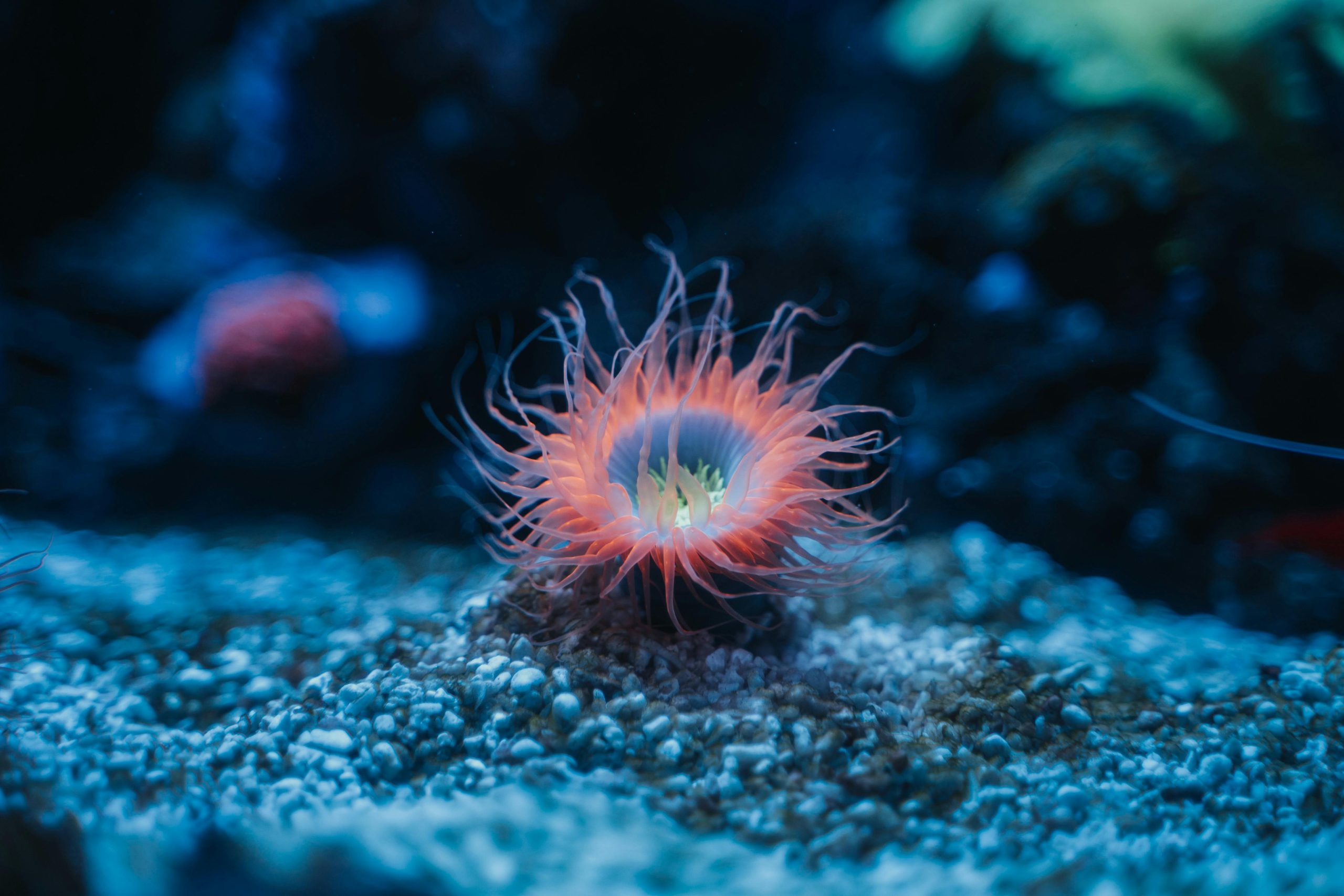
Sea urchins have long been pictured as simple marine grazers, drifting over rocks and reefs with little more to their biology than a spiny exterior and a slow-moving lifestyle. Yet recent scientific research has brought these quiet ocean dwellers into the spotlight. A series of studies conducted by international teams of developmental biologists and marine…
The Surprising Link Between Leg Strength and Brain Health

For decades, modern wellness culture has separated the body and mind into two distinct arenas, as if muscles belonged to the gym and intelligence belonged to the library. Yet emerging research from neuroscience, kinesiology, and even epigenetics suggests these worlds are far more interconnected than we once believed. One of the most surprising revelations from…