
Your cart is currently empty!
Teacher Breaks Down Before Class After Revealing The Reality Of Managing 34 First Graders
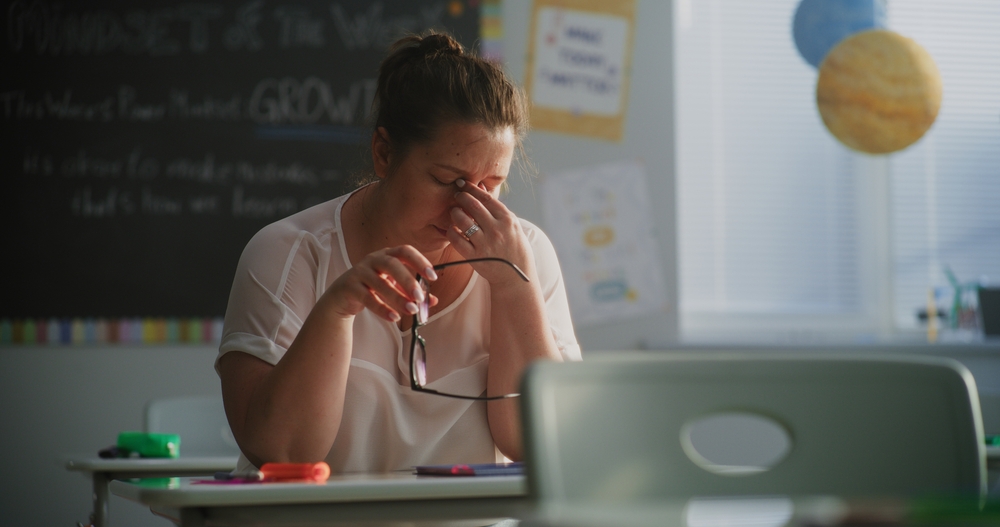
A first-grade teacher has shared an emotional glimpse into the reality of teaching after reaching a breaking point while preparing for another day in a classroom filled with 34 young students. Carol Fernandez, who regularly shares teaching tips and classroom resources online, became tearful as she described the exhaustion that had been building over several weeks. Her video has drawn attention to the immense pressure educators can face while trying to give every child the attention they need.
Contents
show
Fernandez has made it clear that she loves her profession and considers teaching her calling, but she also wants people to understand what happens when the demands of the job become overwhelming. Between keeping young children engaged, helping struggling students develop essential reading skills, and maintaining her own energy throughout the school day, she says she has reached a point where pushing through has become difficult. Her emotional account offers a candid look at the challenges educators can experience behind the classroom door.
Teacher Admits She Has Reached Her Breaking Point
Fernandez is known for sharing classroom management strategies, educational resources, and practical ideas that help teachers work with young children. Her usual content focuses on creating engaging lessons and helping students learn, but her recent video showed a more vulnerable side of her life as an educator. Rather than presenting another teaching strategy, she spoke openly about how difficult the job had become and why she was struggling to keep her emotions under control.
“I truly believe this is my calling,” Fernandez explained, acknowledging that she had initially felt nervous about sharing such a personal moment. She worried that people might misunderstand her feelings and assume her exhaustion meant she no longer wanted to teach. However, she wanted other educators to understand that caring deeply about their work does not prevent them from having days when the demands feel overwhelming. Her decision to speak honestly reflected the pressure she had been carrying after weeks of trying to keep everything moving.
Managing 34 Young Students Every Day
Fernandez teaches 34 first-grade students, many of whom are around six or seven years old. At that age, children are still developing their reading abilities, learning classroom routines, and figuring out how to follow instructions in a busy environment. Keeping such a large group focused requires constant attention, repeated explanations, and enough energy to respond to different needs throughout the day. Even a carefully planned lesson can become challenging when dozens of children need guidance at the same time.
“To be a teacher, you have to come here and like, you’re giving so much energy,” Fernandez explained in her video. She described continuing to show up even when she was feeling unwell, putting her personal difficulties aside so she could focus on her students. “It’s exhausting. I’m not feeling well today, and it doesn’t matter. It doesn’t matter how I feel.” After spending the previous two months pushing herself to keep going, she said she had reached a point where her body seemed to be telling her to stop. Her words revealed the strain of trying to remain fully present for her students when her own energy was running low.
Reading Test Results Leave The Teacher Heartbroken
The demands of managing a large classroom have been made more difficult by Fernandez’s concerns about her students’ academic progress. She explained that the class had been working on sight words, which are common words children learn to recognize quickly as they develop their reading skills. Fernandez said she had been doing everything she could to help her students prepare for the required assessment, but the results left her deeply disappointed. According to her account, only one student out of the 34 children in her classroom passed.
Fernandez also expressed concern about the support students were receiving at home, saying she believed parents were not doing enough practice with their children outside school. Her frustration came from seeing so many students struggle despite the work she was putting into their learning. For a teacher who cares deeply about helping children succeed, those results can feel especially difficult when there is only so much one person can do during the school day. She described the experience as emotionally painful and admitted that it had left her questioning herself as an educator, even while continuing to put considerable effort into her classroom.

Why Some People Underestimate The Work Teachers Do
Fernandez also addressed criticism from people who questioned why she felt tired when some of her online videos showed her sitting down during lessons. She pushed back against the suggestion that a short clip could accurately represent the demands of an entire school day with 34 young children. Teaching involves far more than the moments captured on camera, particularly when educators must repeatedly explain instructions, monitor behavior, adjust activities, and help children who are struggling to understand a concept.
She also responded to people who had described her teaching style as too loud or said she was doing too much with her students. Fernandez explained that keeping a large group of young children engaged requires her to project her voice, move around the classroom, and change her tone depending on what the lesson demands. “Do you know how hard it is to keep 34 little kids engaged all day?” she asked. Although she enjoys bringing energy into her teaching on some days, she said maintaining that level of effort every day can become exhausting. Her response highlighted how easily the physical and emotional demands of teaching can be overlooked by people who only see a small part of the job.
Fernandez’s account resonated with other educators who recognized the exhaustion she described. Several teachers and former education workers shared personal experiences of finishing the school day with little energy left, while others described the toll that years in the profession had taken on their mental and physical well-being. One fellow teacher wrote, “As a fellow teacher, this is NOT an exaggeration. I go home exhausted every day.” Another commenter explained that working in education required so much mental and physical energy that it could become difficult to sustain over time.

Some responses described even more serious struggles. One former education worker said they had eventually left the profession because caring so much had become difficult to manage, while another commenter described receiving inpatient mental health care and noted that several other patients were teachers. A former teacher who had worked for 26 years explained that they now substitute for shorter periods and choose which days and grade levels they work. Even after a couple of hours, they sometimes needed a nap. These are individual accounts rather than proof that every teacher experiences the same difficulties, but they show how Fernandez’s message connected with people who understand the pressures of working in education.
Loving Teaching Does Not Make The Job Easy
One of Fernandez’s central concerns was that people might interpret her tears as a sign that she no longer loved teaching. She explained that the opposite was true: she cared so much about her students that watching them struggle academically had become painful. At the same time, she wanted people to understand that commitment does not protect educators from exhaustion. Teachers can feel passionate about helping children while also struggling with the workload, the expectations placed on them, and the emotional responsibility of trying to meet every student’s needs.
“I think it’s important for people to understand that you can love what you do deeply and still struggle with the weight of it,” Fernandez said. She hopes that speaking openly about her experience will help other teachers feel less alone when they have difficult days. Her message also raises questions about the support available to educators working in demanding classroom conditions. When teachers feel responsible for every student’s progress, setbacks can become deeply personal, even when many factors affecting learning are beyond their control.
How Teachers Can Receive More Support
Fernandez’s story has also drawn attention to the practical ways families and communities can support educators. She shared an Amazon classroom wishlist so people who wanted to help could purchase supplies for her students, and she also provided a way for supporters to contribute personally. Donations and classroom materials can help educators provide resources that make lessons more engaging, although these gestures cannot resolve every problem associated with large class sizes or demanding workloads. Meaningful support also includes recognizing the preparation and effort required to help young children learn.
Families can contribute by practising reading skills with their children at home, communicating with teachers about learning needs, and helping reinforce classroom lessons. Schools and education systems also have a role in examining class sizes, available resources, workloads, and the expectations placed on individual educators. Teachers cannot be expected to solve every academic challenge alone, particularly when dozens of young students require individual attention. Practical changes to working conditions can help create an environment where educators have a better chance of supporting their students without exhausting themselves in the process.
A Classroom Cannot Run On One Person’s Endless Energy
Fernandez’s emotional video reveals the strain that can build when a teacher is trying to meet the needs of 34 young children while feeling increasingly depleted. She remains committed to her students, but her account makes clear that dedication alone cannot remove the demands of a challenging classroom. The children need support as they learn to read and develop essential skills, and their teacher needs the time, resources, and working conditions required to help them succeed.
Teachers should not have to reach breaking point before their struggles are taken seriously. If schools expect educators to give children the attention and guidance they need, they must also recognize the limits of what one person can reasonably provide. Supporting teachers means protecting the people who spend their days helping the next generation learn.