
Your cart is currently empty!
Teen Lifeguard’s Split-Second Decision Saved a 10-Year-Old From Deadly Waves
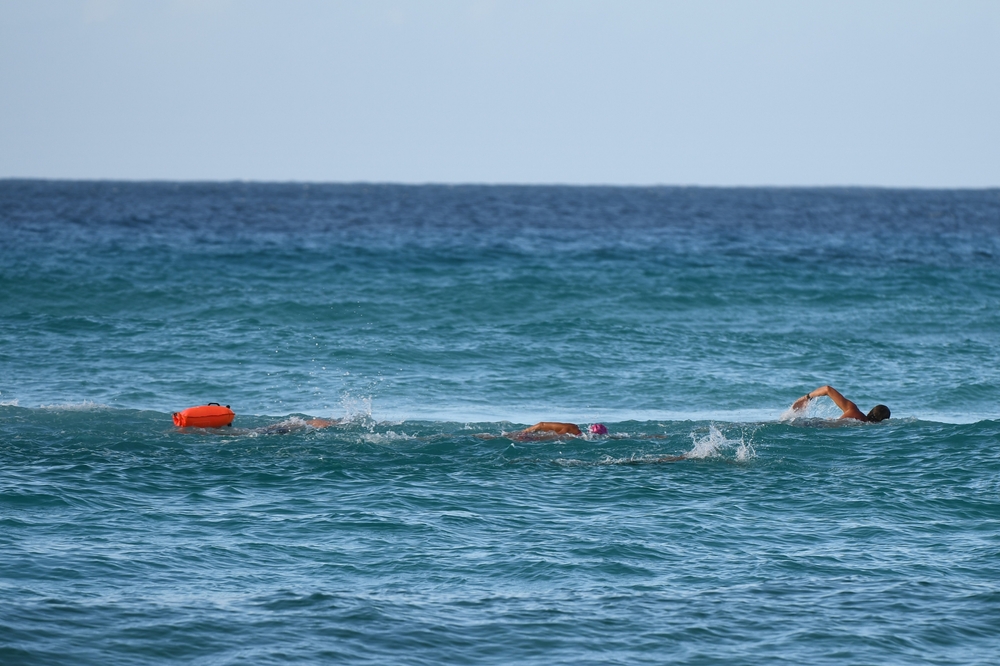
A day at the beach is supposed to be carefree. Families build sandcastles, children splash in the shallow surf, and lifeguards watch from their towers, hoping the hours pass without incident. But on California’s Seabright State Beach, what began as an ordinary summer afternoon transformed into a terrifying rescue that has since captivated millions. A viral video shows a teenage lifeguard battling relentless waves to reach a struggling 10-year-old boy, refusing to give up even as the ocean repeatedly threatened to pull them both under.
Contents
show
The dramatic footage has spread rapidly across social media, earning widespread praise for 16-year-old Ryder Williams, whose calm response under extreme pressure likely saved a child’s life. Yet while many have called him a hero, Ryder insists there was nothing extraordinary about what he did. For him, it was simply another day wearing the lifeguard uniform, doing exactly what he had trained to do. His humble reaction has made the rescue even more remarkable, shining a spotlight on the quiet professionalism of lifeguards who make life-or-death decisions in a matter of seconds.
🚨 NEW: The father of the 10-year-old boy rescued by 16-year-old lifeguard Ryder Williams says his son was just seconds from dying after losing consciousness in the water. “He’s the only reason my son is alive.”
— Brandon Tatum (@TheOfficerTatum) July 30, 2026
pic.twitter.com/goKoqFCH7K
A Routine Shift Turned Into a Race Against Time
July 25 appeared to be another busy summer day along the Santa Cruz coastline. Visitors packed Seabright State Beach to enjoy the sunshine, while waves rolled steadily toward the shore. From his lifeguard tower, Ryder Williams scanned the water like he had done countless times before, watching swimmers and beachgoers for any sign that someone might need help.
Then everything changed in an instant.
According to California State Parks, Ryder noticed a young boy suddenly lose his footing in what looked like ankle-deep water. Although the child had been standing close to shore, the powerful surf quickly dragged him into deeper, more dangerous water. What seemed harmless only moments earlier had become a life-threatening emergency, leaving Ryder with virtually no time to think before taking action.
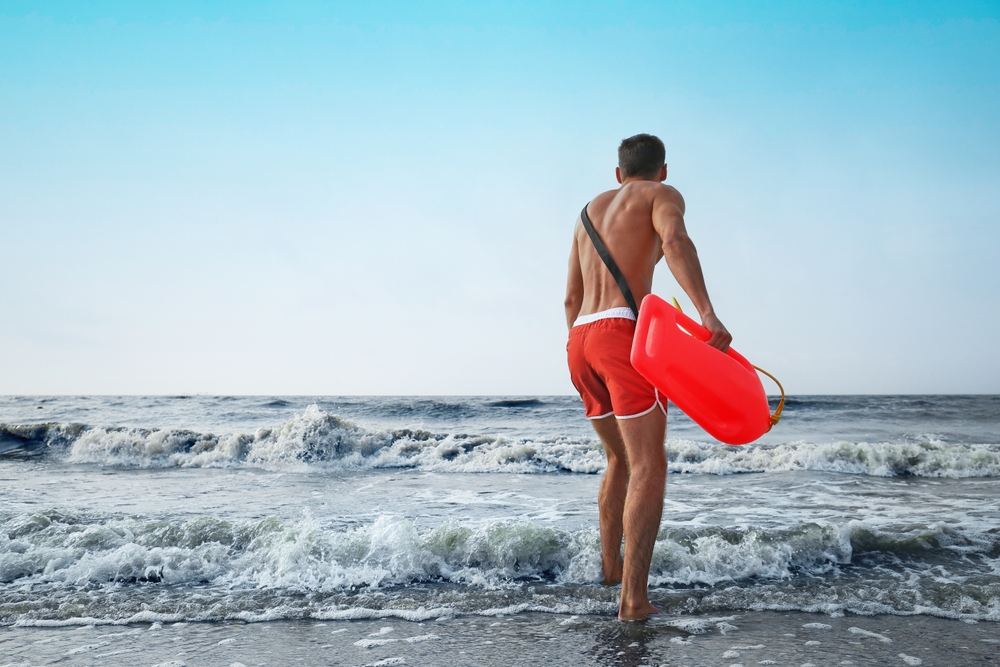
The teenage lifeguard later described exactly what happened during those critical first moments. “I radioed it in, threw my radio and sunglasses at the base of my tower as I ran toward the kid,” Ryder said in a statement released by California State Parks. “I put my fins on my wrist, popped my buoy and entered the water to get ahold of the child.” His response reflected the kind of training lifeguards practice repeatedly, where every second can determine whether someone survives.
A 16-year-old California lifeguard battled powerful waves to rescue a 10-year-old boy who had been swept out to sea, refusing to let go until the child was safely back on shore. The heroic effort later went viral, earning public praise from President Trump. pic.twitter.com/yoBUw0CZYP
— Global Folder (@Global_Folder) July 29, 2026
The Rescue Video Shows Just How Dangerous the Ocean Had Become
A bystander happened to capture the rescue on camera, producing footage that quickly spread across social media. The video reveals the harsh reality Ryder faced as he fought through heavy surf toward the struggling boy, later identified as 10-year-old Nathaniel. Huge waves repeatedly crashed over both of them, making it difficult to keep their heads above water while also moving closer to safety.
Watching the footage, it becomes clear that this was far more than a routine rescue. Every wave seemed determined to pull them farther from shore, forcing Ryder to constantly adjust his position while maintaining his grip on Nathaniel. The ocean’s force was so strong that even experienced beachgoers watching from shore could see the danger unfolding before them.
Ryder Made One Crucial Decision
As the rescue unfolded, several bystanders rushed toward the water, hoping to help. It was the kind of instinctive reaction many people have when they see someone in danger. But Ryder immediately recognized that the rough conditions could easily create an even larger emergency if untrained rescuers entered the surf.
Rather than accepting their assistance, he waved them back toward the beach. The decision may have looked surprising to those watching, but it reflected one of the most important principles of water rescue: adding more people to dangerous conditions can increase the number of victims instead of solving the problem. Ryder stayed focused on bringing Nathaniel to safety while trusting that trained backup would arrive.
A Fellow Lifeguard Stepped In
That backup came from fellow lifeguard Aaron Bohnen, who entered the water after recognizing how severe the conditions had become. Working together, the two lifeguards fought against the pounding surf before finally managing to pull both Ryder and Nathaniel safely onto the beach.
The teamwork highlighted something often overlooked in dramatic rescue stories. While one person may receive public attention, successful rescues frequently depend on coordinated efforts between trained professionals who understand how quickly conditions can change. In this case, Aaron’s assistance helped ensure that both the child and the rescuer returned safely to shore.
Ryder’s First Public Statement Revealed His Humble Perspective
As the rescue video continued attracting millions of views online, Ryder remained largely silent until California State Parks shared his first public statement several days later. Instead of focusing on the dramatic nature of the rescue or the attention it had generated, the 16-year-old emphasized something much simpler: he was grateful the child made it home safely.
“I am grateful to have had the opportunity to return the child to his family safely,” Ryder said. His words stood in sharp contrast to the flood of online comments describing him as fearless and heroic. Rather than accepting personal praise, he consistently redirected attention toward the outcome that mattered most, which was Nathaniel surviving the incident.
Perhaps the most surprising detail came after the rescue had ended. Once Ryder and Nathaniel reached shore and the emergency was over, the teenager climbed back into his lifeguard tower and finished the remainder of his shift. There was no celebration or media attention waiting for him that afternoon. There were still swimmers in the water, and his responsibility to protect them continued.
“This is my job and I love what I do,” Ryder added. “I’m thankful to my fellow lifeguards who perform rescues just like this every day.”
Nathaniel’s Father Realized How Close the Family Came to Tragedy
For Nathaniel’s father, Sumit Rai, the most emotional part of the story came after the rescue had already happened. His son had been vacationing in California with his mother and sister when the incident occurred, meaning he was not at the beach to witness the terrifying moments firsthand. Like millions of others, Rai experienced the rescue through the now-viral video, watching every wave crash over his son and the teenage lifeguard trying to save him.
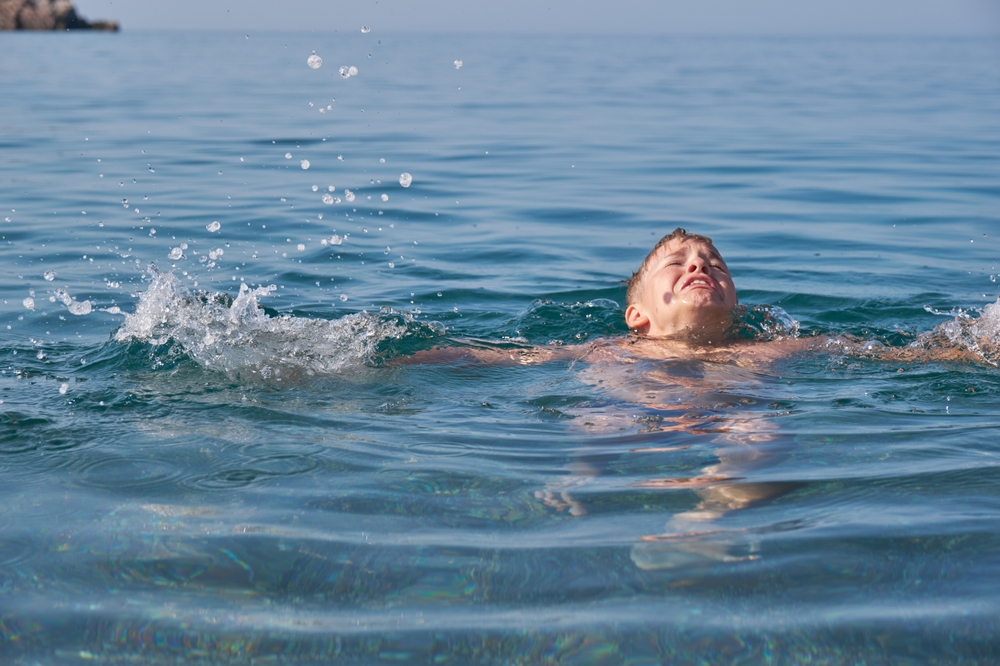
The footage left him fearing the worst before he reached the ending. Every passing second felt like an eternity as he watched the pair struggle against the powerful surf. The conditions were so severe that he questioned whether either of them would survive.
“If I was watching that video, I wasn’t sure if he’ll make it, if I hadn’t seen the end of it,” Rai told ABC San Francisco station KGO-TV. “And I wasn’t sure, honestly, if the lifeguard would make it out with those conditions. I’m just so grateful that Ryder and others were there to help pull him out and save his life. Otherwise, I can’t imagine what life would look like today.”
The emotional interview became even more heartbreaking when Rai revealed just how serious the situation had become. According to him, Nathaniel lost consciousness during the rescue, leaving only a tiny window for lifeguards to reach him before the outcome could have been very different.
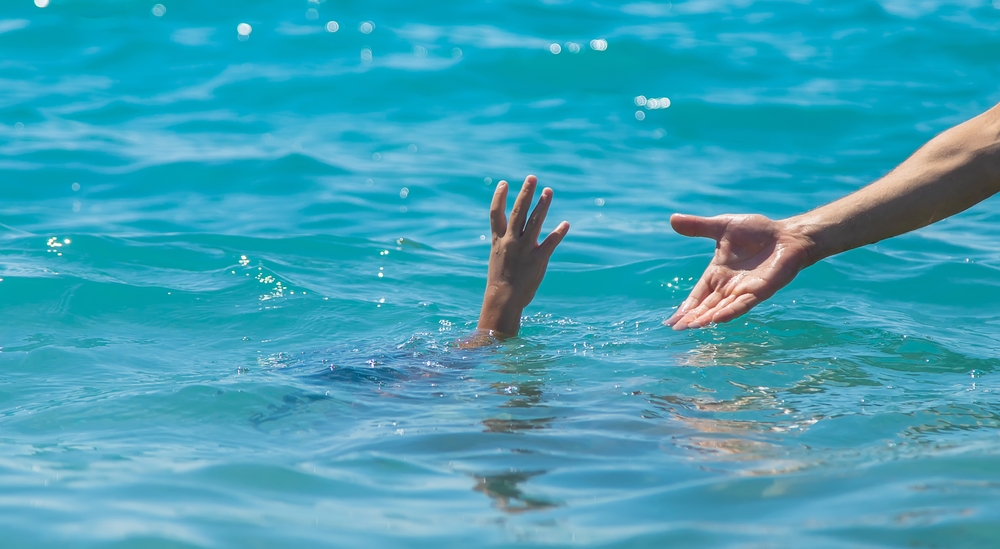
Every Second Counted
Rai believes the rescue came only moments before it was too late.
“Another two or three seconds, I don’t think my son would have made it,” he said.
Those few words offer a sobering reminder of how quickly ocean emergencies unfold. A child can appear perfectly safe one moment before being overwhelmed by strong currents the next. Thanks to Ryder’s rapid response and Aaron Bohnen’s assistance, Nathaniel survived an ordeal that his father believes came within seconds of becoming fatal.
Although Nathaniel remains in California recovering from the incident, his father said there are no words that fully express the family’s gratitude toward the lifeguards who risked their own safety to save his son.
“God bless them, and, you know, thank you,” Rai said. “I cannot express sufficient gratitude.”

Dangerous Ocean Conditions Have Triggered Thousands of Rescues
Nathaniel’s rescue happened during a weekend when dangerous surf created problems across much of California’s coastline. While the viral video captured one dramatic rescue, lifeguards were responding to emergencies at beaches throughout the state as strong waves and hazardous currents caught swimmers off guard.
The National Weather Service has warned beachgoers across the West Coast to remain alert for life-threatening rip currents and rough surf. These powerful currents can develop rapidly and often appear in areas where the water seems calm, making them difficult for inexperienced swimmers to recognize before it is too late.
Rip currents are especially dangerous because they pull swimmers away from shore rather than beneath the surface. Many people instinctively try to swim directly back toward land, exhausting themselves against the current. Lifeguards instead advise swimming parallel to the shoreline until escaping the current’s pull before heading back to the beach.

The scale of the danger became clear in Southern California, where the Los Angeles County Fire Department Lifeguard Division reported nearly 2,000 water rescues on July 25 and 26 alone. That staggering figure illustrates just how challenging ocean conditions became during the same weekend Ryder rescued Nathaniel in Santa Cruz.
Beach Safety Lessons That Could Save Lives
The dramatic rescue has also prompted renewed discussion about staying safe around the ocean, particularly during periods of elevated surf. Even experienced swimmers can underestimate changing conditions, while children are especially vulnerable because strong waves can knock them off balance within seconds.
Safety experts recommend several simple precautions before entering the water:
- Swim only at beaches where trained lifeguards are on duty.
- Check weather and surf advisories before entering the ocean.
- Pay attention to warning flags and posted safety signs.
- Keep children within arm’s reach near the shoreline during rough surf.
- Never attempt a water rescue unless you have proper training. Instead, call for lifeguards or emergency responders immediately.
While these steps cannot eliminate every risk, they significantly improve the chances of avoiding dangerous situations. Nathaniel’s rescue demonstrated how quickly conditions can become life-threatening, even in water that initially appears shallow.
One Teenager’s Courage Became a Powerful Reminder
The viral video will likely be remembered for its dramatic images of crashing waves and a teenage lifeguard refusing to give up. Yet the story carries another message that extends beyond those unforgettable moments in the surf.
Ryder Williams never described himself as a hero. He spoke instead about responsibility, teamwork, and gratitude for the fellow lifeguards who perform rescues every day without cameras recording their actions. His willingness to return to work immediately after saving a child’s life says as much about his character as the rescue itself.
For Nathaniel and his family, July 25 will always mark the day everything could have been lost. Instead, because one 16-year-old responded without hesitation, it became the day a family was given another chance together.
beach accident, beach safety, California beach rescue, California State Parks, dangerous waves, drowning rescue, heroic lifeguard, lifeguard hero, Nathaniel rescue, ocean rescue, rip currents, Ryder Williams, Santa Cruz, Seabright State Beach, summer safety, teen lifeguard, trending news, viral news, viral rescue, water rescue