
Tesla has just unveiled a new piece of technology that could make getting behind the wheel feel like stepping into a video game. The electric car manufacturer’s latest Full Self-Driving update features an AI-powered visualization that gives drivers a third-person view of their vehicle as it moves through real streets. The graphics look so futuristic that fans have already started comparing them to Grand Theft Auto 6, with some claiming Tesla has created something even more impressive than the highly anticipated game.
The feature, called Tesla Reality View, uses exterior cameras and real-time artificial intelligence to generate a virtual representation of the surrounding environment. However, the impressive graphics are only part of what has caught people’s attention. Elon Musk has revealed that the system runs using just half of one AI4 accelerator, while Tesla is also making major claims about improvements to its self-driving software. One particular safety claim has raised eyebrows, although the company has yet to provide all the information needed to independently verify it.
Tesla Reality View Makes Ordinary Roads Look Like A Video Game
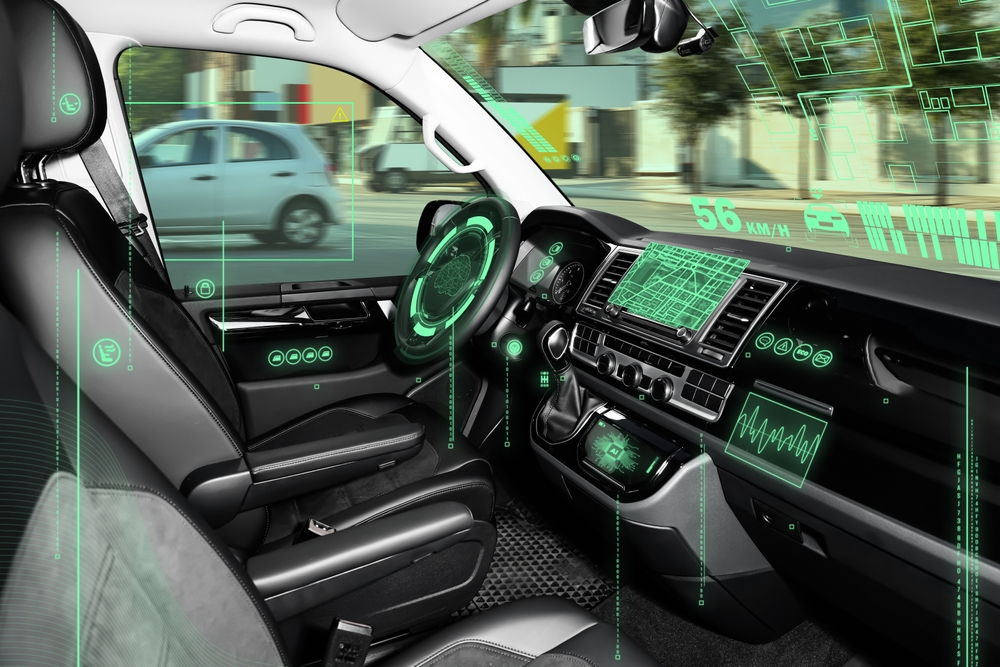
Tesla’s latest driving visualization looks considerably different from the displays drivers have become accustomed to seeing inside modern vehicles. Traditional driving interfaces generally use simplified icons to represent nearby cars, pedestrians, road markings, and obstacles. Reality View takes a different approach by creating a detailed, continuously changing visual representation of the environment around the vehicle, giving drivers the impression that they are watching their car from a camera positioned above and behind it.
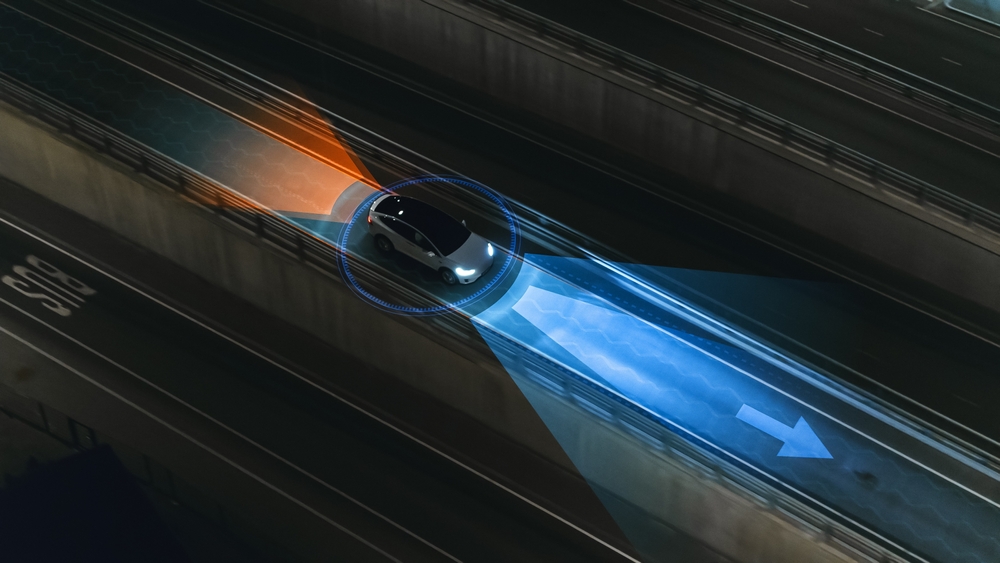
The feature uses exterior cameras to gather information about the surrounding streets before artificial intelligence processes the footage and generates the third-person perspective. Buildings, vehicles, road markings, and other features appear within the visualization as the car moves through its surroundings. The result resembles the camera perspective found in popular open-world video games, where players can watch their characters or vehicles moving through detailed environments rather than seeing everything through a first-person view.
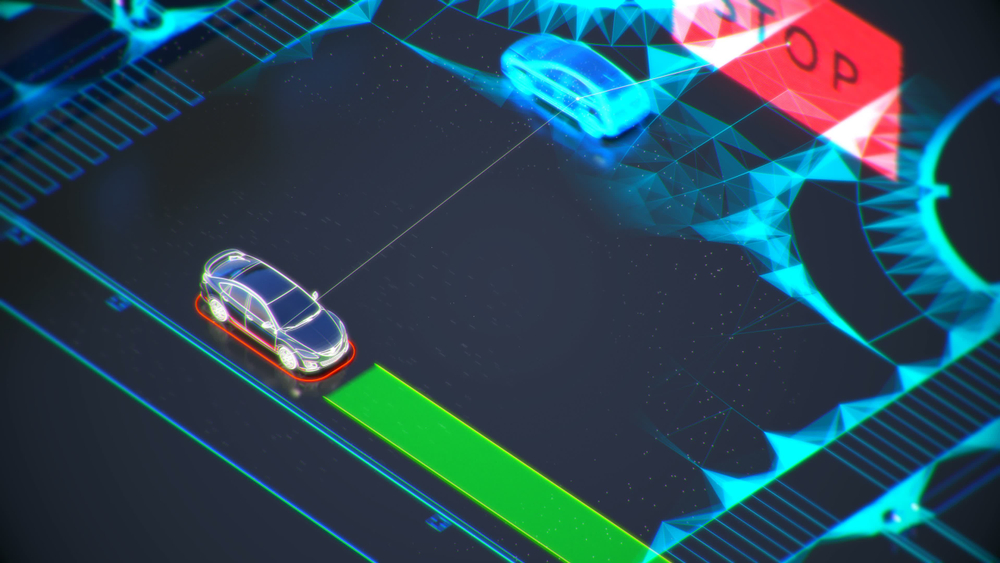
The resemblance to Grand Theft Auto 6 has quickly become one of the most talked-about aspects of the announcement. The comparison is particularly interesting given the enormous anticipation surrounding Rockstar Games’ upcoming title. Tesla’s visualization gives drivers a similar third-person perspective, although the environment is being generated from real-world camera information rather than a fictional gaming world. For people who enjoy video games, watching an ordinary journey appear this way could be an entirely different experience from looking at a conventional dashboard display.
Elon Musk Reveals The Technology Behind The Impressive Graphics
While the visual presentation has attracted plenty of attention, Musk’s explanation of the computing power behind it has created another talking point. The Tesla CEO revealed that Reality View uses only half of one AI4 TRIP accelerator to generate its real-time AI video. This is particularly interesting because producing AI-generated video can require substantial computing resources, especially when a system needs to continuously process changing visual information rather than generate a single image.
“This is real-time AI video generation using just half of one AI4 TRIP accelerator. Let that sink in,” Musk wrote on X. His statement highlights Tesla’s attempt to demonstrate how much artificial intelligence processing can happen inside a vehicle without relying on the kind of extensive computing infrastructure associated with large-scale AI video generation. The AI4 computer is designed to power the company’s latest vehicles and handle demanding artificial intelligence workloads.
There is also an important distinction between generating the visualization and controlling the vehicle. Reality View produces a visual representation of the surroundings, while the wider Full Self-Driving software handles the driving-related decisions. Although both systems rely on information gathered from the vehicle’s cameras, impressive graphics alone do not establish how safely a car can respond to every possible situation. Tesla’s computing claim is certainly attention-grabbing, but further technical information would help establish exactly how efficiently the system performs under different conditions.
Tesla Fans Say The New Feature Looks Better Than GTA 6
The new visualization has generated enthusiastic responses from people following Tesla’s latest developments. Several users have praised the graphics, while others have compared the experience directly to Grand Theft Auto 6. The gaming comparison has helped turn a technical software announcement into something that people outside the electric vehicle community can easily understand and discuss.
One user responding to Tesla’s post wrote, “That looks so frickin amazing I can’t wait.” Another person expressed their excitement by saying, “Can’t even articulate how impressed we are by this.” A third response read, “Holy s–t. Well done Tesla team!” These comments reflect the excitement surrounding the feature, particularly among people who have been following the company’s artificial intelligence developments.
Some reactions went even further, with fans suggesting the visualization looked “better than GTA 6.” That comparison is obviously subjective, since Tesla’s technology and a commercial video game serve very different purposes. Nevertheless, the reaction demonstrates how effectively the company has presented a complicated technological development in a visually accessible way. Instead of discussing processors, neural networks, and camera systems, people are sharing screenshots and comparing the experience to something familiar from gaming.
FSD V15 Brings Major Changes To Tesla’s Driving Software
Reality View is part of Tesla’s anticipated Full Self-Driving V15 update, which Musk has described as a substantial overhaul of the software architecture. During the company’s April 2026 earnings call, he called V15 “a complete overhaul of the software architecture” running on Hardware 4. The update is intended to improve the way Tesla vehicles interpret their surroundings and make decisions while operating under supervised driving conditions.
One of the central components is an upgraded vision encoder, which processes information collected through the vehicle’s cameras. This technology helps the software recognize objects, interpret road conditions, and understand what is happening around the car. Tesla says the system has been trained using millions of internet videos, with related technology also being used in its Robotaxi service and Optimus humanoid robot program. This reflects the company’s broader effort to develop AI systems that can interpret visual information across different applications.
The improvements are intended to make the software more capable when dealing with everyday driving challenges. Recognizing a vehicle ahead is relatively straightforward compared with identifying a small animal near the road, understanding unusual road conditions, or responding to unexpected debris. Tesla wants its updated system to handle these situations more effectively by improving how its software processes visual information. However, the company will need to demonstrate how consistently these improvements translate into safer driving performance outside controlled testing environments.
Tesla Claims Its Latest Software Is 25 Times Safer
One of the biggest claims associated with FSD V15 concerns its handling of safety-critical interventions. Tesla says the latest software is now 25 times safer in this area, presenting the improvement as a major step forward for its driving technology. The company credits the progress to its upgraded vision encoder and the broader improvements made to the software architecture. If independently supported by comprehensive driving data, such an improvement would represent a significant development for supervised driving systems.
However, the 25-fold figure has raised an important question about how Tesla calculated the improvement. The company has not revealed how many kilometers the updated system has traveled compared with the previous software when making this claim. Without that information, it is difficult to understand the precise testing conditions or independently assess the significance of the reported improvement. A safety comparison needs clear definitions and comparable measurements before it can establish how much a vehicle’s real-world performance has changed.
There are several details that would help provide a clearer picture of Tesla’s announcement:
- Testing distance: How many kilometers were covered by the updated and previous systems?
- Safety-critical interventions: What specific situations are included in the company’s measurement?
- Comparison conditions: Were both software versions tested under comparable driving conditions?
- Independent verification: Can external researchers confirm the reported improvement using publicly available data?
The distinction matters because a company’s internal performance measurement does not automatically establish that its vehicles are 25 times safer in every driving situation. Tesla’s claim is significant, but independent evidence will be needed to establish how the improvements affect actual road safety.
New AI Features Aim To Recognize More Dangerous Road Conditions
Tesla says V15 also improves the vehicle’s ability to recognize hazards that can create problems during everyday journeys. These include potholes, small animals, road signs, and debris, all of which can require drivers to react quickly. The system is also designed to identify deep standing water, another potentially dangerous condition that can be difficult to judge from inside a moving vehicle. Better recognition could help the software make more informed decisions when encountering unexpected obstacles.
The ability to recognize small animals is particularly interesting because they can enter a road suddenly and leave drivers with very little time to react. Potholes and debris present different challenges because they may require the vehicle to adjust its path rather than simply maintain its existing direction. Tesla says the latest software has been improved to interpret these situations more effectively, although the company has not provided detailed independent results for each individual hazard category.
The update also focuses on how the vehicle responds to changing road environments. Tesla says the software is designed to select more appropriate speeds around school zones and during bad weather. It can also recognize speed cameras and automatically reduce the vehicle’s speed to avoid fines. These additions could make the driving experience more convenient, although drivers must still monitor the road, obey local speed limits, and remain prepared to take control whenever necessary.
Reality View Does Not Mean Tesla Has Solved Autonomous Driving
The impressive graphics could easily give the impression that Tesla has reached another major milestone in autonomous driving. However, the distinction between a sophisticated driving visualization and a fully autonomous vehicle remains important. Reality View shows how artificial intelligence can transform camera information into a detailed representation of the surrounding environment, but the display itself does not prove that the vehicle can safely handle every situation without human involvement.
Tesla’s Full Self-Driving technology requires driver supervision. Drivers must continue paying attention to the road and remain ready to intervene when necessary. Even an advanced AI system can encounter unusual situations involving pedestrians, unpredictable traffic, poor visibility, or unexpected obstacles. A vehicle may recognize an object correctly while still needing to make a difficult decision about how to respond.
This is why the company’s safety claims deserve careful examination alongside its technological demonstrations. A futuristic dashboard can make the driving experience look remarkably advanced, but real-world performance is measured by how reliably a vehicle handles difficult conditions. Tesla’s latest update introduces several interesting developments, yet independent testing and transparent safety data will be essential in determining how much progress has actually been made.
Tesla Is Bringing Video Game Graphics Into Everyday Driving
Tesla’s Reality View has introduced a striking new way of presenting driving information, and its resemblance to a video game has helped capture attention far beyond the company’s usual audience. The ability to generate a third-person view of a real vehicle using onboard artificial intelligence demonstrates how quickly vehicle interfaces are changing. Musk’s comments about the computing resources required have added another layer of interest to an announcement already attracting comparisons with one of gaming’s biggest franchises.
The larger challenge now is proving that the technology delivers meaningful improvements beyond its visual appeal. Tesla has made ambitious claims about safety, hazard recognition, and software performance, but those claims will need transparent evidence and real-world testing. For now, the idea of watching your actual car move through real streets from a GTA-style perspective is becoming a reality, and the next big question is how much smarter these vehicles can become.